 Skip to main content
Cinder Block Foundation Wall Repair: A Shreveport Homeowner’s Guide
Most cinder block foundation wall repair in Shreveport costs between $400 and $1,500 for crack sealing, while structural work like wall anchors, tuckpointing, or partial rebuilds runs higher depending on the damage. The right fix depends on the cause — stair-step cracks from settling need a different approach than crumbling mortar from water damage.
Stair-step cracks, crumbling mortar, and bowing block walls each point to different causes — get a free inspection before paying for any block wall repair.
Call (318) 585-2003 – Free Inspection
📊 Cinder Block Wall Repair at a Glance
5 methods
From injection to anchors to rebuild
20-year
Structural warranty on qualifying work
Free
Inspection & honest diagnosis
What Makes Cinder Block Walls Fail in Northwest Louisiana?
A concrete block wall is only as strong as the ground pushing against it and the mortar holding it together. In the Shreveport area, both get tested hard.
Our soil is the main culprit. Much of Caddo and Bossier parishes sit on expansive clay — the red-orange clay in every road cut along I-20. Spring storms make it swell and push sideways against foundation walls; summer drought makes it shrink and pull away, leaving gaps. That yearly swell-shrink cycle punishes block walls, and LSU AgCenter researchers have documented Louisiana’s expansive clay soils extensively.
Water is the second culprit. Block walls are hollow, and mortar joints are porous. Years of rain running off a roof with no gutters, or a yard that slopes toward the house instead of away from it, will soak a block wall from the outside. Constant moisture softens mortar and eats the face off blocks — the crumbling, sandy surface homeowners describe as deteriorating block.
Age matters too. Plenty of homes in Highland, Broadmoor, and South Highlands sit on 60-to-80-year-old block foundations built with softer lime mortar that gives up after decades of wet-dry cycles. Add tree roots from a big oak planted too close to the house, and you have the full lineup of usual suspects — which is why a proper repair starts with diagnosing the cause, not just patching what you can see.
How Do You Repair a Crumbling Cinder Block Wall?
Crumbling usually starts at the mortar joints. The joints turn sandy, the mortar falls out in chunks, and eventually the faces of the blocks themselves start flaking off. The standard fix is called tuckpointing — and despite the fancy name, the idea is simple.
A mason grinds out the failed mortar to about a half inch deep, cleans the joints, and packs in fresh mortar. Done right, tuckpointing restores the joints’ strength and stops water wicking through the gaps. It is slow hand work — repointing a typical Shreveport crawl space foundation can take a crew two to three days — and a core part of professional wall repair.
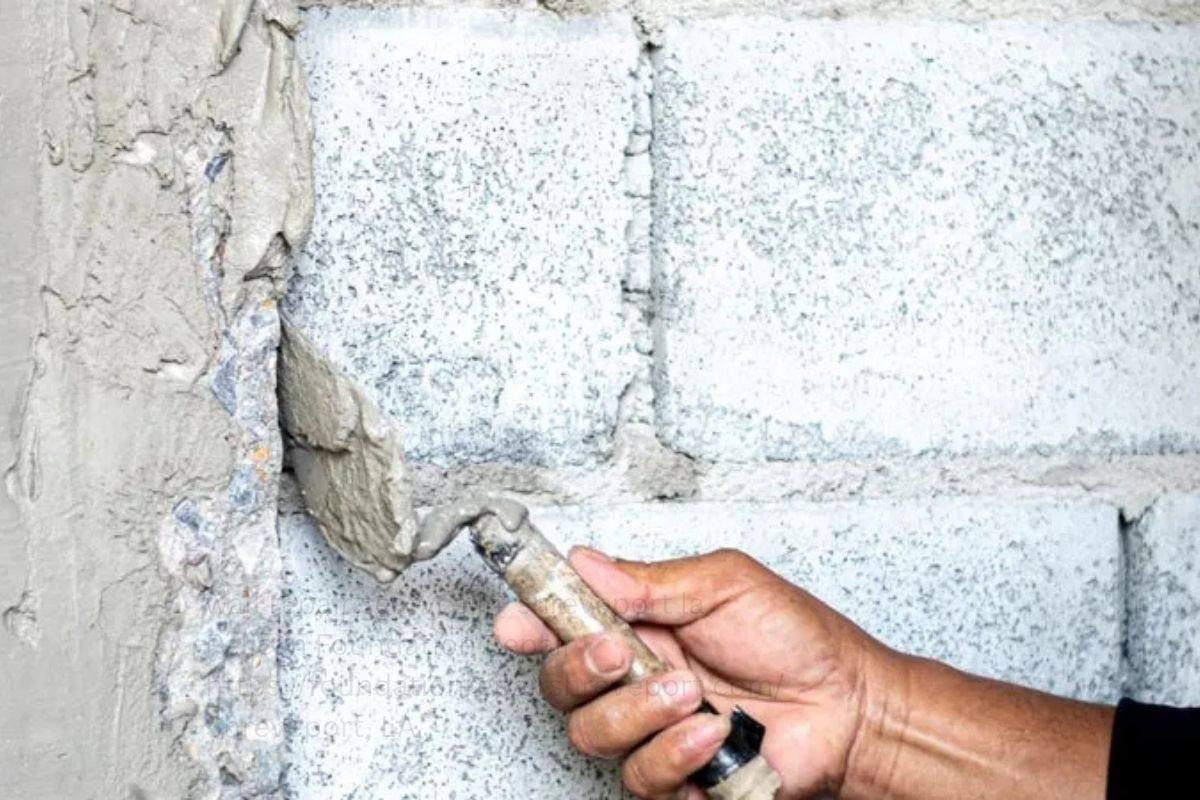
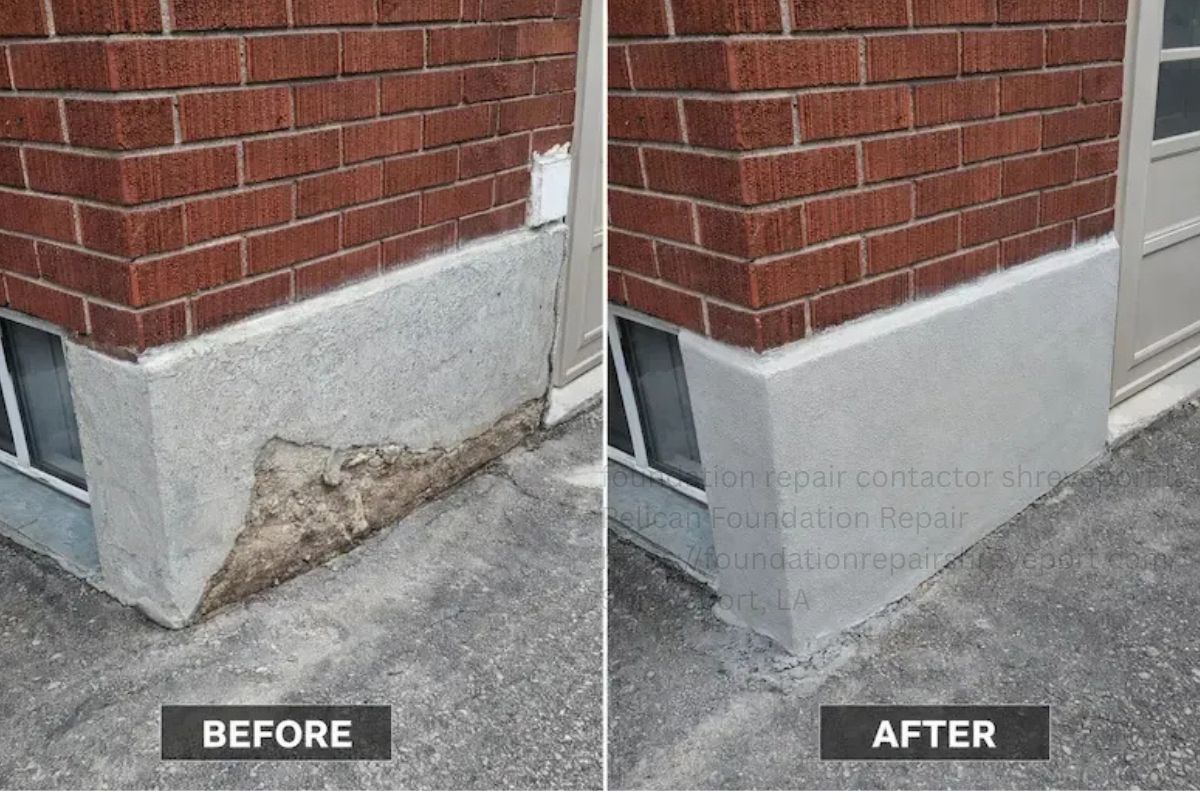
If the block faces themselves are spalling — flaking, pitting, or turning to sand — mortar alone will not save them. Deteriorated blocks get cut out and replaced, then the wall gets a parging coat (a thin troweled layer of mortar) or a waterproof coating to seal the surface.
Here is the honest part most articles skip: none of this lasts if water keeps hitting the wall. Fix the drainage first — gutters extended away from the house, soil graded away from the foundation — or you will pay for the same repair twice.
What About Brick Foundation Walls?
Brick foundation walls fail and get repaired the same way block walls do — tuckpointing, brick replacement, parging. The one difference: old brick is softer than modern block, so repointing mortar must be softer too, or the hard modern mortar will crack the brick. Any mason on a pre-1960s Shreveport brick foundation should know this.
Call (318) 585-2003 – Free Inspection
What Do Stair-Step Cracks in a Block Foundation Mean?
Stair-step cracks are the signature crack of a block foundation. Instead of cutting through blocks, the crack zigzags along the mortar joints — up one joint, across a bed joint, up the next — like a staircase, usually near corners or where one section settles faster than its neighbor.
A hairline stair-step crack in a fifty-year-old wall is often just old settlement that will never move again. The ones that matter are growing: wider than a quarter inch, leaking water, or paired with a bowing wall. Mark both ends with a pencil and the date, then check after the next big rain — if the crack grew past your marks, the movement is active and needs a structural fix. This monitoring is part of a professional foundation crack repair evaluation, and InterNACHI’s guidance on inspecting foundation walls covers the same warning signs.
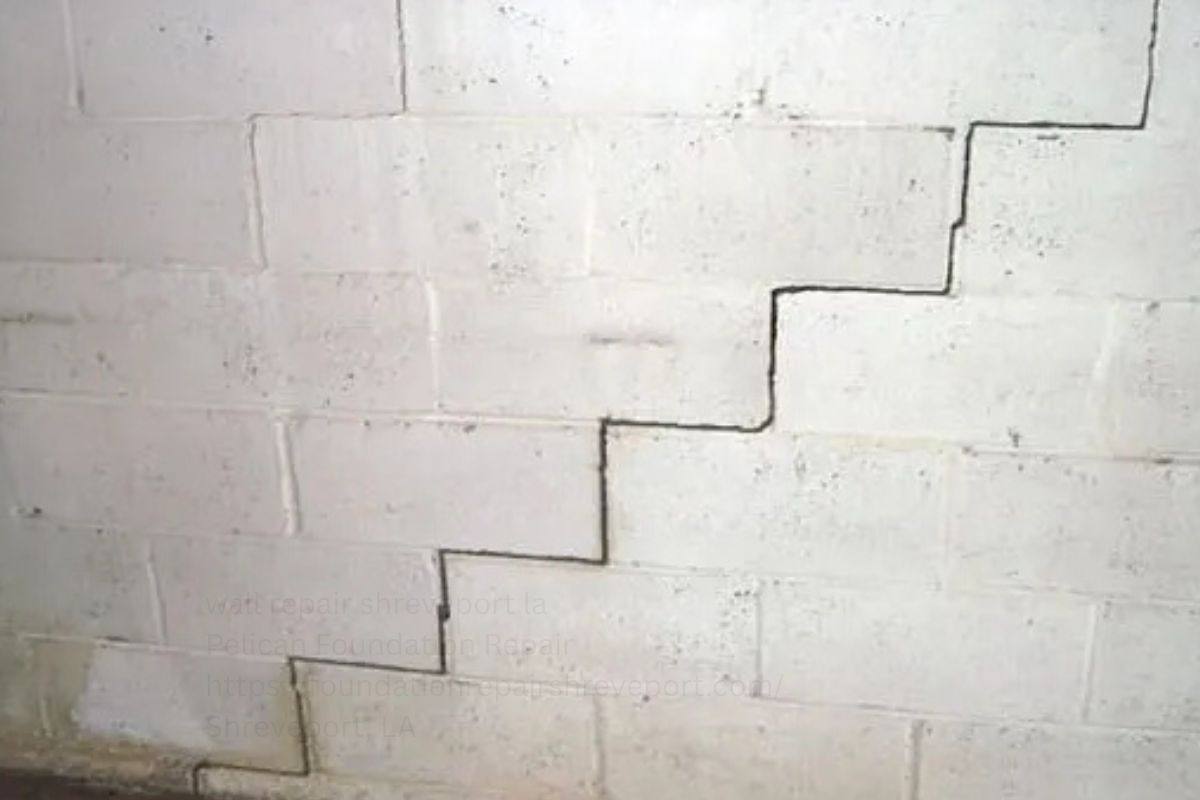
Sealing a stair-step crack with epoxy or polyurethane injection stops water, and for a stable, non-moving crack that is a reasonable repair — typically in the $400 to $1,500 range for crack work. But sealant is not structure. If the crack came from ongoing settlement or soil pressure, sealing it is like putting a bandage on a leaking pipe: the water stops for now, but the force behind it has not gone anywhere.
When Does a Bowing Block Wall Need Wall Anchors?
A block wall bowing inward is a different problem than a settling crack — the soil outside is winning the pushing match. Look for a horizontal crack along a mortar joint about halfway up the wall, with the wall bellied inward.
This is where wall anchors come in: a steel plate buried in the yard, a rod running through the soil to the wall, and an interior plate spreading the load across several courses of block. Installed anchors can be tightened over time to straighten the wall — or at least lock it so it cannot bow further. That is genuine structural repair, not a cosmetic patch.
Anchors suit block walls because the interior plate grabs several courses at once, and they are a good fit when the wall is bowing but the blocks and mortar are still sound. If the wall is both bowing and crumbling, anchors alone will not do it — that wall usually needs a partial rebuild.
You will also hear about carbon fiber straps. They bond to the wall’s surface, so they need solid, intact block faces — on a deteriorating block wall, straps are often the wrong answer. A straight answer about which method fits your wall beats any product brochure.
Call (318) 585-2003 – Free Inspection
How Do You Repair a Retaining Wall Built of Block or Brick?
Retaining walls play by slightly different rules than foundation walls. A foundation wall holds up your house. A retaining wall holds back a hill — and hills never stop pushing.
Most failing retaining walls we see around Shreveport lean forward at the top, and the cause is almost always trapped water. A retaining wall needs weep holes near the base, gravel backfill, and ideally a drain pipe carrying water to daylight. Without those, every rainstorm turns the soil behind the wall into a heavy slurry that pushes it over.
A slightly leaning wall with solid block and mortar can sometimes be saved with tieback anchors plus new drainage behind it. A badly leaning, bulging, or block-shedding wall usually needs to come down and be rebuilt with proper drainage — more up front, but a rebuilt wall outlasts a patched one by decades.
One thing to know before you hire anyone: a retaining wall repair that does not fix the drainage is a temporary repair. Ask every contractor bidding the job exactly what they are doing about water behind the wall. If the answer is vague, keep looking.
Can You Fix a Hole in a Concrete Block Wall?
Small holes are straightforward. A missing chunk of mortar, or a hole knocked through a single block during old plumbing work, is a half-day job for a mason: the damaged block gets cut out, a new block goes in with fresh mortar, and the wall is as good as it was.
Bigger holes are a different conversation. If several blocks are missing or crushed at the bottom of a load-bearing wall, that section is not carrying its share of the house — the load shifts to surrounding blocks, which can start stair-step cracking of their own. The fix means shoring up the structure above and rebuilding the section.
A through-hole in a below-grade wall is an open door for water and pests. Even a small one in a crawl space wall should be sealed properly — in our climate it will not stay small, because moisture keeps working the edges every wet season.
Call (318) 585-2003 – Free Inspection
How Much Does Cinder Block Foundation Wall Repair Cost in Shreveport?
Simple crack sealing on a block foundation typically runs $400 to $1,500, depending on the crack’s length and width and whether it needs epoxy injection, staples, or both. That is the entry-level repair, and it fits stable, non-structural cracks.
Tuckpointing is priced by how much wall gets repointed, and access matters: an exposed wall you can walk up to costs less than a tight crawl space or a wall buried behind landscaping. Mixing block replacement into the tuckpointing adds cost.
Wall anchors are priced per anchor — typically one every five to seven feet along the bowing section. Excavation depth and patios or driveways over the anchor locations push the price up.
Partial rebuilds are the biggest variable — demolition labor, new block and mortar, often excavation and backfill. The most expensive option here, but for a wall that is both bowing and deteriorating, sometimes the only one that actually solves the problem.
Every price depends on your specific wall, which is why we do not quote over the phone. Our inspections are always free — a technician diagnoses the damage and gives you a written quote for the fix that fits. For larger projects, our guide to structural repair costs breaks down what drives pricing.
How Long Will a Block Wall Repair Last?
Good tuckpointing on a wall with fixed drainage lasts decades — the new mortar is often stronger than what it replaced. Epoxy repairs last as long as the crack stays stable; if the wall keeps moving, any rigid repair eventually cracks again.
Wall anchors are a long-term solution as long as the soil conditions do not radically change. The anchors themselves are galvanized steel, and the maintenance is simply checking them and occasionally re-tightening over the years.
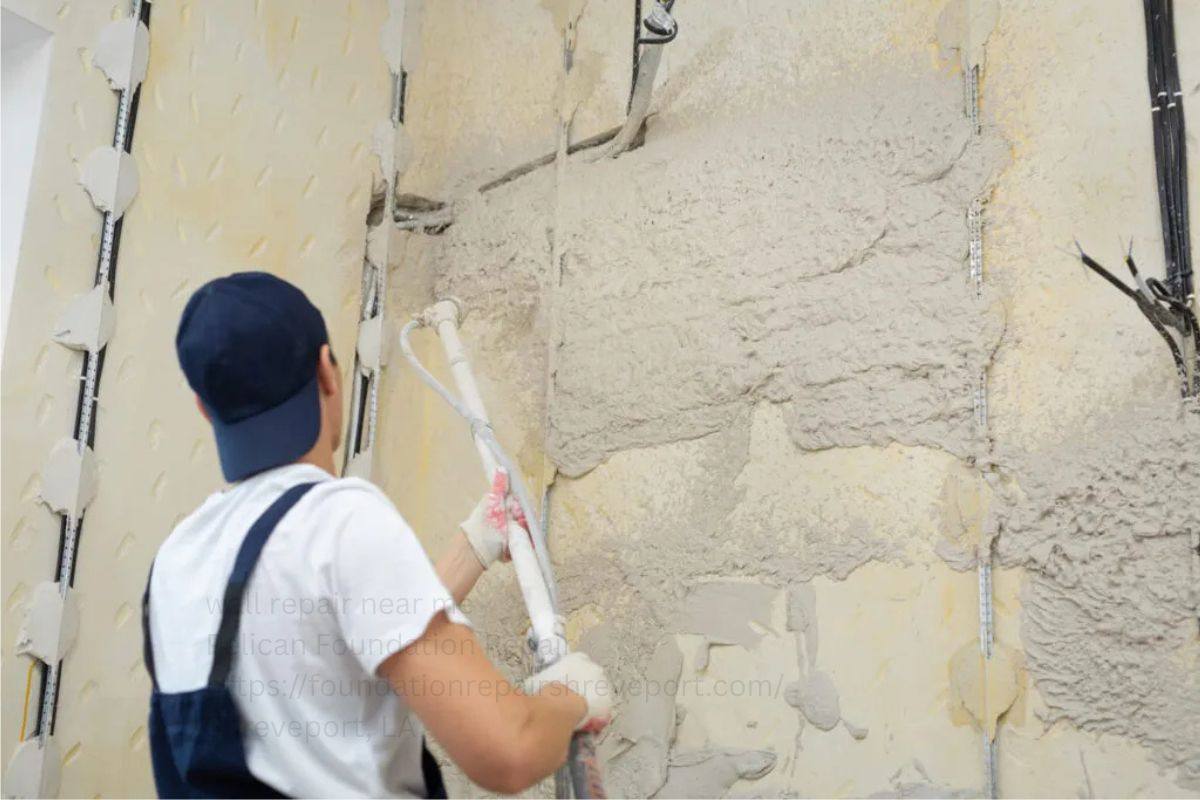
Waterproof coatings and parging buy you time and protection — typically many years — but they are surface treatments. Think of them as the paint job, not the engine. The structural repairs underneath are what carry the load.
The biggest factor in how long any block wall repair lasts is water management. A wall that stays dry outlives a wall soaked every spring, no matter the product. If your contractor’s plan does not keep water away from the wall, the repair has an expiration date.
Call (318) 585-2003 – Free Inspection
Frequently Asked Questions
Can you repair a cinder block foundation wall from the inside only?
Sometimes. Interior crack sealing is done from inside, but most structural problems — bowing walls, deteriorated exterior mortar, water intrusion — need exterior access. A wall that only gets an interior cosmetic fix while the outside keeps deteriorating is not really repaired.
How do I know if a stair-step crack is serious?
Mark both ends with a pencil and the date, then check after heavy rain. Cracks wider than a quarter inch, cracks that keep growing or leak water, or cracks paired with bowing all need professional attention. Unchanged hairline cracks are usually just old settlement.
Is tuckpointing enough for a crumbling block wall?
It depends on what is crumbling. If the mortar joints are failing but the blocks are solid, tuckpointing is the right fix. If the block faces are spalling and flaking, the damaged blocks need to be replaced — new mortar cannot bond to a block that is turning to sand.
Do wall anchors work on block walls?
Yes — block walls are actually good candidates because the interior anchor plate spreads the load across several courses of block. Anchors work best on walls that are bowing but otherwise sound. They are not the right fix for walls with badly deteriorated mortar or crumbling block faces.
How much does cinder block foundation wall repair cost in Shreveport?
Crack sealing typically runs $400 to $1,500. Tuckpointing, wall anchors, and rebuilds cost more depending on job size, access, and the wall’s condition. Every wall is different, so we offer free inspections with a written quote.
Can a leaning retaining wall be straightened instead of rebuilt?
If the lean is slight and the block and mortar are sound, tieback anchors plus new drainage can stabilize it and sometimes pull it straighter. A badly leaning, bulging, or block-shedding wall generally needs rebuilding with proper drainage.
How do you repair a foundation wall crack?
Stable, non-moving cracks in a block wall are sealed with epoxy or polyurethane injection — typically a $400 to $1,500 job. Stair-step cracks caused by settlement also need the movement addressed, which can mean piers under the foundation. What you should not do is seal a crack in a wall that is still moving and call it fixed — the force behind it has not gone anywhere.
How do you rebuild a foundation wall?
The crew installs temporary supports to carry everything above the wall, demolishes the failed section, and rebuilds it with new block, proper mortar, and reinforcement — usually with improved drainage behind it. It is the most involved wall repair, but for a wall that is both bowing and deteriorating, it is sometimes the only fix that actually solves the problem. A free inspection determines whether your wall can be saved or needs rebuilding.
Get a Free Inspection of Your Block or Retaining Wall
If your block foundation wall is cracking, crumbling, or bowing — or your retaining wall is starting to lean — do not guess about the fix. Pelican Foundation Repair offers free inspections for homeowners in Red Chute and across the Shreveport area. We will look at the wall, tell you what is causing the damage, and give you a straight answer on the right repair. Call (318) 585-2003 to schedule your free inspection.
Pelican Foundation Repair
6118 Fairfield Ave, Shreveport, LA 71106, USA
318-585-2003
https://foundationrepairshreveport.com/