
Catch Basins for Yard Drainage: Do You Need One?
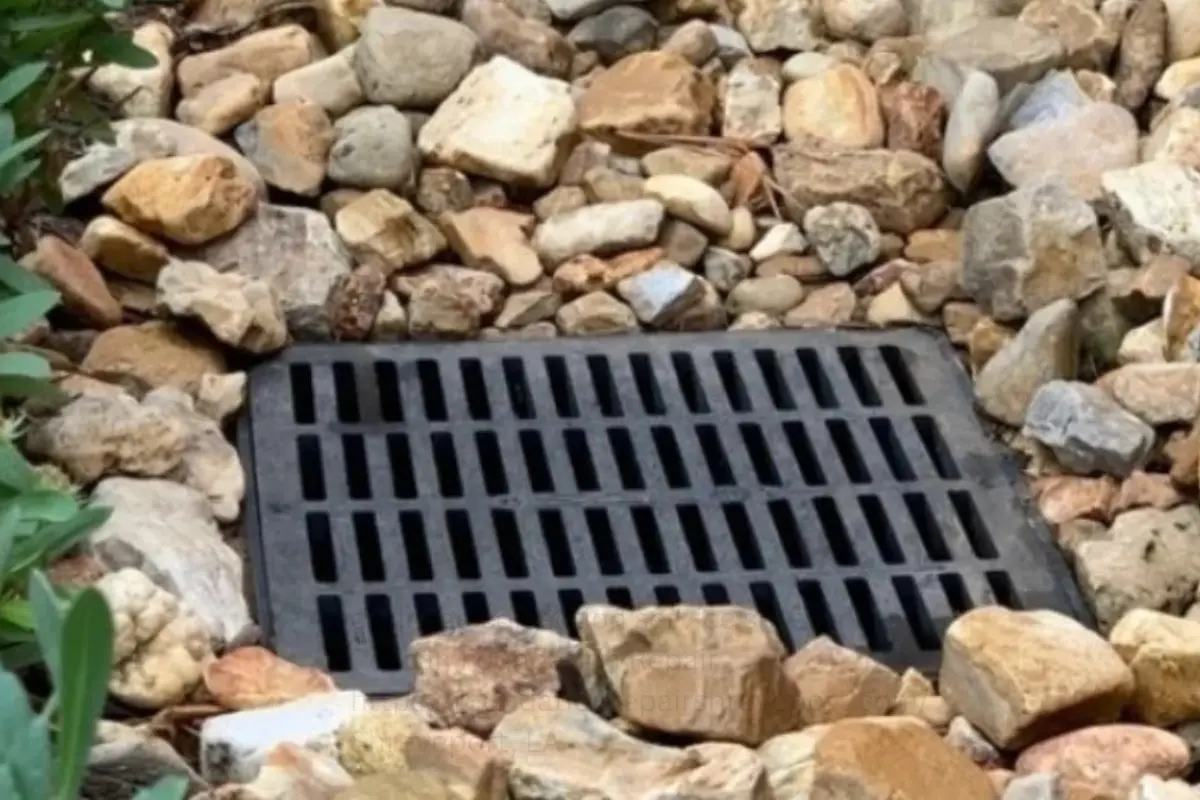
A catch basin is a box buried at a low spot in your yard. It collects ponding water and pipes it away from your foundation before it soaks the soil.
A catch basin helps when water ponds in one low spot and soaks the soil near your foundation. The basin catches the water at the surface and carries it away through a buried pipe. If your whole yard slopes toward the house or water sheets across the lawn, grading or a French drain fits better than a basin alone.
After a hard Shreveport rain, most yards have a spot where water sits: a dip near the house corner, a low patch by the driveway, or where two slopes meet. Beside a foundation, every storm soaks the soil against the wall, and expansive clay swelling and shrinking with that moisture drives a great many foundation problems. A catch basin is one of the simplest tools for taking that spot out of play. This guide explains what one is, when it fits, how installation works, and what it costs.
What a Catch Basin Is, and What It Is Not
A catch basin is a buried box with a grate on top and an outlet pipe near the bottom. Yard water drops through the grate, and the pipe carries it to a discharge point: a curb, a ditch, a dry well, or a lower part of the lot. The box is usually heavy plastic or precast concrete, with the grate flush with the lawn. Sediment settles below the outlet, which is why the basin needs cleaning: the dirt it catches would otherwise wash into the pipe and block it.
Be clear about what it does not do: it will not lower a high water table, collect water rising from below, or dry soil wet from a plumbing leak. It handles surface water only, and a basin in the wrong spot, or with no downhill path for its pipe, is a buried bucket. It does not replace grading either: if ground slopes toward the house across the whole back yard, one grate catches only a share. It is a point solution for a point problem.
Size follows the water. A small basin, roughly a foot square, suits one downspout area or patio dip; a larger one, eighteen inches square or more, suits a spot where a whole side yard drains to one point. The outlet pipe is commonly four inches across. Bigger is not automatically better: an oversized box costs more to dig, an undersized one bypasses during the storms that matter most.
How a Catch Basin Protects Your Foundation
A foundation fails slowly, and water is usually the slow part. Ponding water soaks the soil beside the footing until saturated clay pushes against the wall and seeps through pores and cracks. The next dry spell shrinks that soil and opens gaps that fill at the following rain. Repeated over years, the cycle cracks slabs, tilts piers, and lets water into crawl spaces. A catch basin interrupts it at the start.
In Shreveport, summer droughts crack clay open and autumn storms fill the cracks, so soil beside a foundation can go from bone dry to saturated in one weekend. Flat subdivisions around Broadmoor, South Highlands, and Ellerbe Road have little natural fall, so a low spot stays wet longer. A basin in the right spot keeps the worst ponding from the footing, keeping soil moisture and the foundation steadier.
A basin also protects work already paid for: fresh grading washes out if ponding keeps running over it, and piers and leveling last longer when soil is not cycling between soaked and shrunken. It is not a foundation repair method, but a drainage method removing one cause of trouble, worth installing before symptoms appear.
Signs Your Yard Needs a Catch Basin
The surest sign needs no tools: water standing in the same place after every rain. Walk the yard during the next heavy rain, or right after it, and watch where the water goes. Roof, driveway, and lawn runoff all follow the fall of the ground. If they end in one dip beside the house, and the dip stays wet a day or more after the rain stops, that dip is a catch basin candidate. If the whole yard is wet, or water sheets across the lawn in a broad front, the problem is grade, not a single low spot.
Other signs show up over time: soil washed into a fan at a slope base, mulch migrating after rain, a moss line or damp band on a wall. Indoors, the same water can show as a damp crawl space or a musty smell. Those signs do not prove a basin is the answer, but a yard walk during rain shows whether a low spot is the delivery route.
| What you see | Likely cause | Catch basin helps? |
|---|---|---|
| Water ponds in one dip by the house | Low spot collects roof and lawn runoff | Yes, usually the right fix |
| Water sheets across the whole lawn | Grade falls toward the house | No, regrading fits better |
| Downspout dumps at the wall | No extension on the downspout | Sometimes, an extension is cheaper |
| Soggy ground, no standing water | High water table or slow soil drainage | No, it handles surface water only |
| Water enters a basement or crawl space | Water at the wall under pressure | Maybe, as part of a larger plan |
| Gutter overflows in heavy rain | Blocked or undersized gutter | No, clean or resize the gutter first |
Before buying anything, check the cheap fixes: clean the gutters, add downspout extensions, and fill a settled dip so grade falls away from the house. If ponding survives all three, the low spot is real and a basin is worth pricing. A expert foundation inspection in Shreveport can confirm whether the wet spot is already affecting the foundation, which changes the urgency.
Catch Basin vs French Drain vs Swale
Yard drainage offers three options for different problems. A catch basin collects surface water at a point. A French drain collects water along a line: a gravel trench with a perforated pipe. A swale is a shallow, grassed channel carrying surface water to a safe outlet. None is better in general; many yards use two together.
A French drain fits water arriving along a length: a long side yard that stays wet, a seeping slope, or a wall taking water along its whole face. It works below the surface, so it also helps where soil itself stays wet. A swale fits where there is room to shape a gentle channel and a safe outlet. It is cheapest where the lot allows it, mostly dirt work and grass, but it needs width and fall. A catch basin fits the point problem: one dip, one corner, one place where a downspout and a slope conspire to pond water against the house.
Combinations are common: a basin can feed a French drain, a swale can deliver water to a basin, and a basin under a downspout catches roof water a drain alone would miss. The mistake is the wrong shape of fix: a French drain across one dip wastes money, and a basin in a yard that sheets water everywhere catches a fraction of the problem. The guide to fixing poor drainage around a foundation walks through that diagnosis, and the drainage solutions for Louisiana clay soil post explains why clay makes the choice harder.
How Catch Basin Installation Works
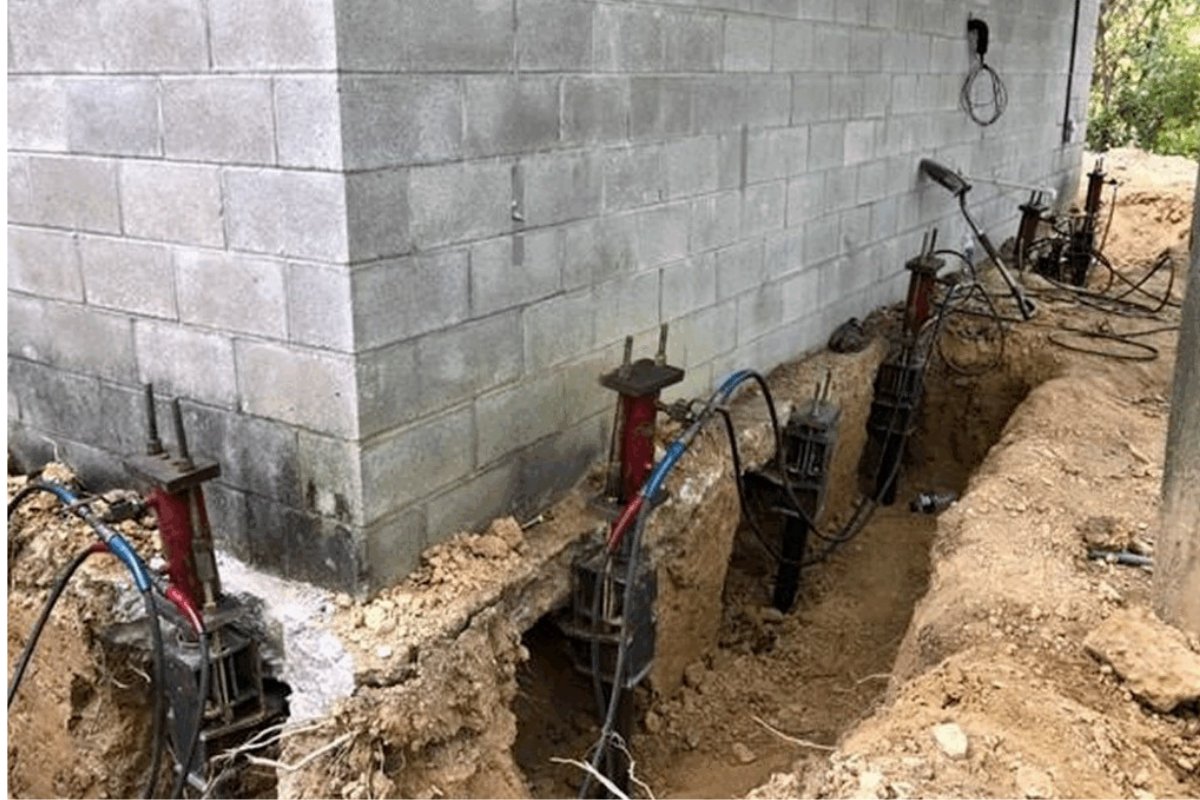
Installation is digging, pipe, and grading, and a typical job takes a day or less. The crew confirms the water path first, watching the yard during rain or reading the signs left behind. The basin goes at the lowest point of the ponding area, not the most convenient point: a basin uphill of the true low spot will watch water pond beside it.
Digging and setting the basin
The crew digs a hole for the box plus a gravel base, sets the box so the grate sits flush with the lawn, and checks it will not catch a mower blade or sit low enough to collect clippings. In clay soil, a gravel surround helps water reach the grate cleanly, since wet clay smears and seals when dug.
Laying the outlet pipe
From the basin, a solid pipe runs to the discharge point on a steady downhill slope, with no dips where water can sit. It must discharge somewhere legal and sensible: a street curb, a ditch, a lower corner of the lot, or a dry well away from the house. Discharging onto a neighbor’s lot or a sidewalk creates a new problem, and local rules may restrict where stormwater can go. The crew backfills in layers and restores the lawn.
Tying in downspouts and testing
Where a downspout feeds the problem, its extension can tie into the basin or the same outlet pipe, so roof and yard water leave together. Before leaving, the crew should test with a hose: water at the grate should appear at the discharge point promptly. A basin that fails the hose test needs its slope or outlet fixed while the trench is open, not after the lawn is restored.
Underground utilities must not be skipped. A basin hole and a pipe trench cross gas, electric, water, and telecom lines, and in older Shreveport neighborhoods those lines are not always where maps say they are. Call 811 before digging, even for a small job, and hand-dig near any marked line.
Costs, Sizing, and Maintenance
Cost follows three things: digging, pipe length, and the discharge point. A single small basin with a short run to a nearby curb commonly falls in the few-hundred-dollar range. A larger basin, a long run, a crossing under a walkway, or a discharge needing a dry well pushes the job into the low thousands. Tying in several downspouts or adding a second basin adds cost the same way. These are planning ranges, not quotes.
Sizing follows the water, not the catalog: the basin must swallow a hard storm, and the pipe must carry it away without backing up. A good contractor sizes from the roof area, the dip, and the available slope, and will say plainly when one basin cannot carry the flow. Ask what happens in a bigger storm: graceful overflow onto the lawn beats backup against the foundation.
- Clean the grate: lift it and clear leaves and debris after storms and at least twice a year, in spring and fall.
- Empty the sump: scoop sediment out of the bottom of the box before it reaches the outlet pipe.
- Flush the pipe: run a hose through the system once a year and confirm water reaches the discharge point.
- Watch the discharge: after the first big storm, check that the outlet is not eroding soil or ponding at the curb.
- Check the grade: if the lawn settles over the trench, top it up so water still flows toward the grate.
Maintenance decides whether a basin keeps working: a basin full of leaves is a dam, not a drain. If it serves a drainage correction plan, keep it on the same calendar as the gutters and French drain maintenance checks. Stormwater guidance is published by the LSU AgCenter and FEMA.
Frequently Asked Questions About Catch Basins and Yard Drainage
What is a catch basin in yard drainage?
A catch basin is a buried box with a grate on top that collects surface water at a low spot and sends it away through a buried pipe. It handles water that ponds on the surface, not groundwater rising from below.
Do I need a catch basin or a French drain?
A catch basin fits one low spot where water ponds. A French drain fits water arriving along a length, such as a wet side yard or a seeping slope. Many yards use both, with the basin feeding into the drain line.
Where should a catch basin be placed?
At the lowest point of the ponding area, with the grate flush with the lawn. A basin set uphill of the true low spot will not catch the water. The outlet pipe needs a steady downhill run to a safe discharge point.
How much does a catch basin installation cost?
A simple single basin with a short pipe run commonly falls in the few-hundred-dollar range, while larger jobs with long runs or difficult discharge points can reach the low thousands. Digging, pipe length, and access drive the price.
Can a catch basin fix water in my crawl space?
Only if the crawl space water comes from surface ponding at that low spot. A basin will not fix a high water table, a plumbing leak, or water rising from below. Those need a different solution, starting with an inspection.
How often should I clean a catch basin?
Clear the grate after storms and at least twice a year, and scoop sediment from the bottom of the box before it reaches the outlet. Flush the pipe with a hose once a year to confirm it still drains.
Will a catch basin stop foundation damage?
It removes one cause: ponding water soaking the soil beside the foundation. It does not repair existing foundation damage or fix settlement that has already happened. Think of it as prevention and protection, not repair.
Can I install a catch basin myself?
A handy homeowner can install a small basin, but the work needs a correct slope, a legal discharge point, and a utility locate before digging. Call 811 first, and get professional help if the pipe run is long or the discharge is unclear.
Pelican Foundation Repair
6118 Fairfield Ave, Shreveport, LA 71106, USA
318-585-2003
https://foundationrepairshreveport.com/