If your below-grade space in Shreveport keeps taking on water — a cellar, partial basement, or below-grade room — we can keep it dry. We fix water intrusion at the source, protect the walls and footing, and back qualifying repairs with our 20-year structural warranty.
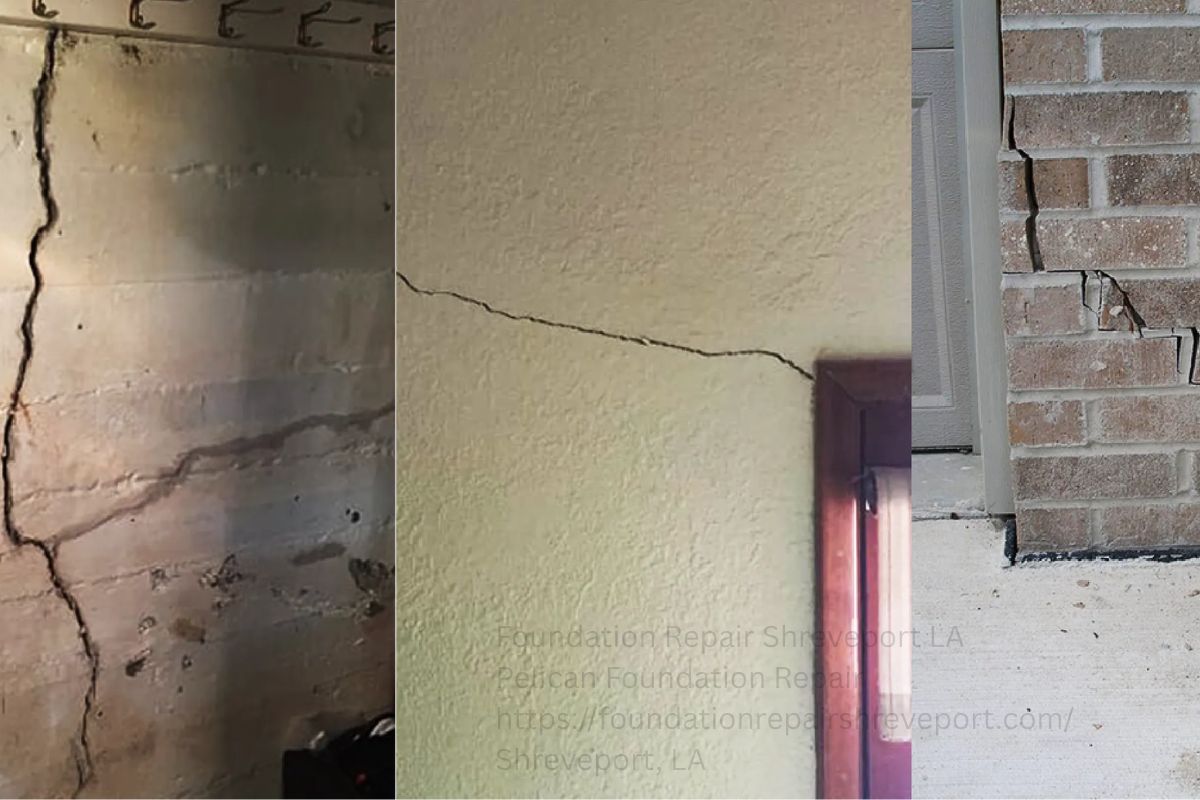
Even a hairline crack deserves a professional look — small cracks can grow.
Most Shreveport homes don’t have full basements — but cellars, below-grade rooms, and older commercial spaces need real waterproofing, not paint-on sealers.
Let’s Be Honest: Most Shreveport Homes Don’t Have Basements
The high water table and heavy clay around Shreveport make full basements rare — most homes sit on slab or pier-and-beam. That’s just how this area builds.
Much of Caddo Parish sits in low-lying Red River country, where the water table stays high most of the year. The soil is dense gumbo clay — it holds water against anything buried in it. Dig a full basement in that ground and you’re building a concrete boat in a swamp. Local builders figured that out generations ago.
But some properties do have below-grade space: aging foundations with cellars or partial basements, and older commercial buildings — especially closer to downtown — with below-grade storage or mechanical rooms. These spaces take on water, and around here they can take on a lot of it.
If you have one of these spaces and it’s staying wet, that’s our territory. We’re Pelican Foundation Repair, a local company at 6118 Fairfield Ave, and we waterproof below-grade spaces for homeowners and businesses — from Shreveport (all ZIPs: 71104, 71105, 71106, 71108, 71118, 71129) and Bossier City to Caddo Lake, and across Blanchard, Greenwood, Keithville, Benton, Stonewall, Haughton, Red Chute, Eastwood, Mooringsport, Minden, and Ruston.
What Does a High Water Table Do to a Below-Grade Wall?
Water doesn’t need a flood to get in. The soil around a Shreveport below-grade wall is often damp even in dry weather. Then spring storm season arrives — roughly March through May — and a single afternoon can dump inches of rain. The clay saturates fast and pushes against the wall with real force. Engineers call it hydrostatic pressure.
That pressure finds the weak points first: the cove joint where wall meets footing, hairline cracks, tie-rod holes in poured walls, and porous spots in old block. Water also wicks up through concrete — which is why a wall can feel damp with no visible leak.
That white, crusty residue — efflorescence — is proof water is moving through your wall: it dissolves minerals inside, carries them to the surface, and leaves them behind when it evaporates.
Water doesn’t always arrive as a visible flood. Watch for these quieter warnings:
Damp basement walls or floors that never fully dry out
Water stains on walls — tide lines that show where water has pooled before
White, powdery residue on concrete (that’s efflorescence, left behind when moisture seeps through and evaporates)
A musty odor that air fresheners don’t fix
Mold or mildew growing on walls, stored items, or wood framing
Cracks in the foundation walls, even thin ones — water finds every opening
Warped paneling or swollen baseboards along the bottom of walls
A sump pit that runs constantly — or one that’s overflowing because there’s no pump at all
Water pooling after rain, or seepage where the wall meets the floor
One wet spot is a warning; a repeating pattern is a system problem. Get a professional look before the damage spreads to the structure.
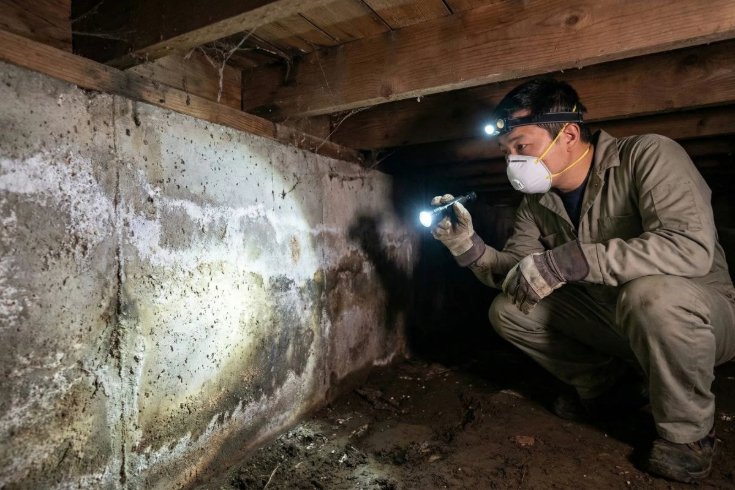
Dark staining on the wall means water has been sitting here — a red flag for wood rot.
Why Waterproofing Protects Your Foundation
Water in a below-grade space isn’t just a nuisance. Over time it attacks the structure itself.
Constant moisture weakens mortar joints and erodes concrete. Steel reinforcement can rust and expand, cracking the concrete around it; North Louisiana’s freeze-thaw cycles open small cracks wider each winter. Wood framing and sill plates rot. And persistent hydrostatic pressure can push walls inward or heave the floor.
Then there’s what you breathe: damp below-grade spaces grow mold, and LSU AgCenter guidance on mold after water intrusion notes it can take hold within days — which is why fixing the moisture source comes before any cleanup.
A good basement waterproofing system takes that pressure off — it gives water a controlled path away from the building instead of letting it sit against your walls. That’s why this is foundation work, not cosmetic work.
If cracks are the entry point, we often pair waterproofing with foundation crack repair so the wall is both sealed and structurally sound. If the water is a grading or drainage problem, we address that with drainage correction at the same time.
The right approach depends on your building, soil, and where the water comes from. In North Louisiana, interior systems handle most existing buildings — excavating in gumbo clay is expensive and disruptive, so we only dig when the situation calls for it. We’ll tell you which fits at the free inspection.
Interior Waterproofing
Interior systems manage water after it enters — installed from inside, with less excavation and less disruption to landscaping.
Interior drain tile: A trench around the inside perimeter at the footing, with perforated pipe bedded in washed gravel and wrapped in filter fabric so clay silt can’t clog it. It catches water before it reaches the floor and sends it to the sump pit.
Sump pump: The heart of most interior systems, sized to your space and water volume. We recommend a battery backup — Shreveport storms knock out power at the worst possible time — plus a high-water alarm as cheap insurance.
Discharge line: The pump lifts water up and out through a discharge line that releases it well away from the foundation — tied into the yard drainage where the property allows, so it doesn’t recycle back against the wall.
Wall drainage panels and vapor barriers: These channel wall seepage down into the drain tile and keep humidity out of the room.
Dehumidification: In our climate, a sealed system plus a dehumidifier keeps relative humidity in the healthy range and stops mold before it starts.
Interior systems are usually the most practical choice for existing buildings. They cost less, install faster, and don’t require digging up your yard.
Exterior Waterproofing
Exterior systems stop water before it reaches the wall. They require excavating down to the footing from outside, which is more involved — but it’s the most complete fix.
Excavation and wall prep: Dig to the footing, clean the wall, repair damaged spots, then seal.
Waterproof membrane: A rubberized membrane or dimpled drainage board goes on the wall — true waterproofing, not the thin damp-proof tar many older buildings got originally.
Exterior drain tile: A perforated pipe at footing level, wrapped in filter fabric, carries water away to daylight or a storm tie-in.
Backfill and grading: Washed gravel against the wall — not the clay that came out — re-graded so surface water flows away.
Exterior work makes the most sense when the wall itself is failing, when excavation is planned anyway, or when interior access is limited. It’s a bigger job, but it protects the wall from both water and soil pressure — and we handle related structural repair if walls have bowed.
How Sump Pumps and Drainage Tie Into the System
A system is only as good as where the water goes: the discharge line must release water at least 10 to 15 feet from the foundation — dumping it next to the house just recycles the problem. Where grading allows, we tie discharge into the yard drainage so roof runoff, surface water, and below-grade water all leave through one managed path. That’s why we check gutters, downspouts, and grading at every inspection.
How Much Does Basement Waterproofing Cost in Shreveport?
Every below-grade space is different, so there’s no one-size-fits-all price. Here’s what actually drives the cost:
Access: An open cellar is straightforward; a finished room with drywall and flooring to protect takes more care.
Interior vs. exterior: Exterior work means excavation, heavy equipment, and landscaping restoration — it costs more.
Wall condition: Hairline cracks are a quick seal, but bowing walls may need structural repair alongside — and if settlement is involved, pier jobs run $3,500–$15,000+.
Water volume: Occasional seepage and constant flooding need different pump sizes, backup power, and discharge routing.
As a reference point, simple crack repairs run $400–$1,500. Full systems are priced by scope after a free inspection — no guesswork, no pressure. What we won’t do is sell you a $50 bucket of sealer and call it waterproofing.
It starts with the free inspection — a full moisture intrusion diagnosis: where the water comes from, wall and footing condition, grading, and gutters — then a written scope with an exact price. Here’s what the job itself looks like.
For an interior system, we protect the floors, cut a trench around the inside perimeter at the footing, lay tile in washed gravel, set the sump pit with pump and battery backup, patch the concrete, and install wall panels and the dehumidifier. Expect noise and concrete dust — most interior jobs wrap up in a few days.
For an exterior system, we excavate to the footing, seal the wall with membrane, lay the exterior tile, backfill with gravel, and re-grade. It takes longer and involves heavy equipment in the yard, but the disruption stays outside.
When we’re done, we test the pump in front of you, walk you through maintenance, and hand over your warranty paperwork — qualifying basement waterproofing repairs carry our 20-year structural warranty. You can stay in the building while we work.
Frequently Asked Questions
Can you waterproof a basement without digging up the yard?
Often, yes. Interior drain tile and sump pump systems are installed entirely from inside the below-grade space. No excavation, no torn-up landscaping. Exterior work is only needed when the wall itself requires it or when interior access isn’t possible.
What are the best methods for waterproofing a concrete wall?
It depends on the wall’s condition. Sound wall with seepage: interior drain tile, a sump pump, and wall drainage panels — the least disruptive option. Failing wall — heavy cracking, deterioration, or bowing: exterior excavation with a waterproof membrane and exterior drain tile — the most complete fix. Paint-on “basement sealing” products aren’t waterproofing; they trap moisture and fail. We’ll tell you which category your wall falls in at the free inspection.
What does basement waterproofing cost per linear foot?
National cost guides report interior French drains at roughly $48–$57 per linear foot and exterior foundation waterproofing at $81–$114 — but those are directory numbers, not our quote. What actually drives your price: perimeter footage, interior vs. exterior, wall condition, water volume, and access. Every system is priced by scope after a free inspection.
How long does waterproofing last?
A properly installed interior or exterior system lasts for decades. Our qualifying repairs carry a 20-year structural warranty. Sump pumps are the one component with a shorter lifespan — plan on checking yours regularly and replacing it roughly every 7–10 years depending on use and water volume.
Will waterproofing stop mold in my basement?
Waterproofing removes the moisture that mold needs to grow, which stops new mold. If mold is already present, the space needs professional mold remediation first. We recommend handling the moisture source before spending money on cleanup — otherwise it just comes back.
What happens to my sump pump when the power goes out?
That’s why we recommend a battery backup: spring storms knock out power right when your pump works hardest. A high-water alarm alerts you if water rises past a set point. Test the system before storm season, not during it.
Can waterproofing fix a wall that’s already bowing inward?
Waterproofing stops the water, but a bowed wall is a structural problem. Years of hydrostatic pressure can push block or concrete walls inward, and sealing won’t straighten them. We’ll tell you honestly whether you need waterproofing alone or waterproofing plus structural repair — and scope both.
How is this different from drainage correction?
Drainage correction handles surface water — grading, gutters, downspouts, and yard drainage that keep rain away from your foundation. Basement waterproofing handles water already reaching the below-grade walls and floor. Different halves of the same problem, which is why we often do both.
What maintenance does a waterproofing system need?
Test your sump pump before spring storm season, keep the discharge line clear, clean or replace the dehumidifier filter, and keep gutters and downspout extensions in place. A new crack or damp spot? Call us — catching it early keeps it cheap.
Do I need waterproofing if I only get water in heavy rain?
Yes — that’s exactly when you need it. “Only when it rains hard” usually means you’re one storm away from a real flood, and intermittent seepage causes the same long-term damage as constant moisture.
Wet below-grade spaces don’t fix themselves — they get worse, especially heading into our wet seasons. Get a free inspection from a local crew that knows Shreveport soil, and get an honest answer about what your space needs.
Call (318) 585-2003 or email contact@foundationrepairshreveport.com. We’re open Mon–Fri 7:00–6:00 and Sat 8:00–2:00, and we serve Shreveport plus the surrounding communities across Caddo and Bossier parishes.
Pelican Foundation Repair 6118 Fairfield Ave, Shreveport, LA 71106, USA 318-585-2003 https://foundationrepairshreveport.com/
 Skip to main content