6 Structural Issues Your Home Inspector May Not Catch
A general home inspection can miss slow foundation movement, hidden water paths, and past repairs. Here are six structural issues Shreveport buyers should double-check before closing.
A general home inspector can miss foundation problems because the inspection is visual and non-invasive: no moving heavy furniture, opening walls, or digging around footings. Slow settlement, a patched crack, or a damp crawl space can all pass inspection and still cost a buyer thousands later, which is why a foundation-specific evaluation is worth getting.
Buying a home in Shreveport means buying into a particular kind of ground. The expansive clay soil under neighborhoods like Broadmoor, Highland, and South Highlands in Shreveport (71106, 71104, 71105), and across the river in Bossier City, swells when it soaks up rain and shrinks as it dries. That shrink-swell cycle moves foundations a little at a time, season after season. A house can look fine on inspection day and still be mid-cycle in a slow movement pattern that only shows up when you know what to look for.
Why a General Inspection Is Not a Foundation Evaluation
A general inspector covers a whole house in a few hours: roof, plumbing, electrical, HVAC, appliances, and structure. The foundation gets a portion of that time, and only what is visible and accessible. Crawl spaces with low clearance, rooms full of stored boxes, and freshly painted walls all limit what can be seen. Inspectors also work to a standard of practice that excludes invasive testing, so they cannot confirm what is happening inside a wall cavity or under a slab.
None of this means inspectors do poor work. It means their report answers a different question than the one a buyer with a suspect foundation needs answered. The inspector tells you whether anything visible looks wrong today. A foundation evaluation asks whether the house is moving, why it is moving, and whether that movement is still active. Those are different questions, and they need different tools: elevation readings, crack measurements, drainage checks, and a look at the soil and water patterns around the home.
In the Shreveport area, the most commonly missed problems share one trait: they develop slowly. A slab that has settled a quarter inch over five years will not announce itself the way a burst pipe does. Doors that stick in August and swing free in February get blamed on humidity. A hairline crack gets a coat of paint before the listing photos. Each small sign is easy to explain away on its own. Together, they tell a story.
The Six Issues Inspectors Most Often Miss
1. Slow, Ongoing Settlement Hidden by Cosmetic Touch-Ups
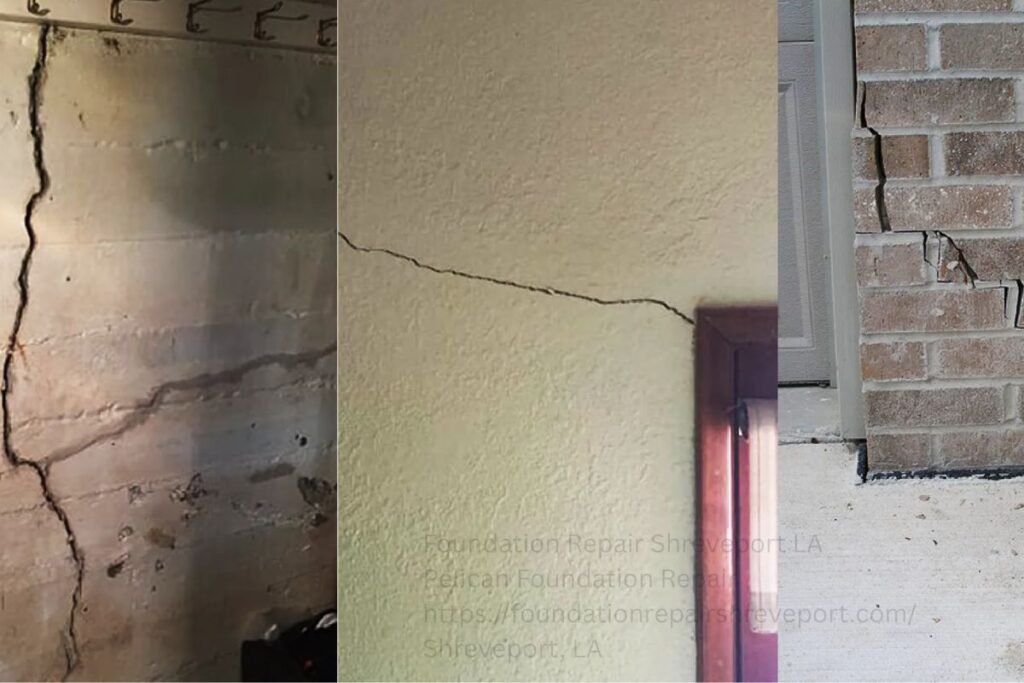
Fresh paint, new caulk, and replaced drywall are normal seller prep, but they also erase the record of movement. A crack that was patched and repainted may reopen within a season if the soil underneath is still moving. Ask the seller directly whether any cracks have been repaired, and look for the tells: paint that is slightly thicker over one section of wall, caulk lines that do not match the surrounding trim, and doors that have been planed down on one edge to keep them closing.
Walk the whole house with a marble or a small level if you can. Floors that slope gently toward one corner, or a hallway that feels like it runs slightly downhill, point to settlement that a visual pass can miss. Compare door gaps top to bottom; a gap that is wider at the top than the bottom on several doors in the same part of the house is a classic settlement pattern.
2. Pier and Beam Problems Under a Closed Crawl Space
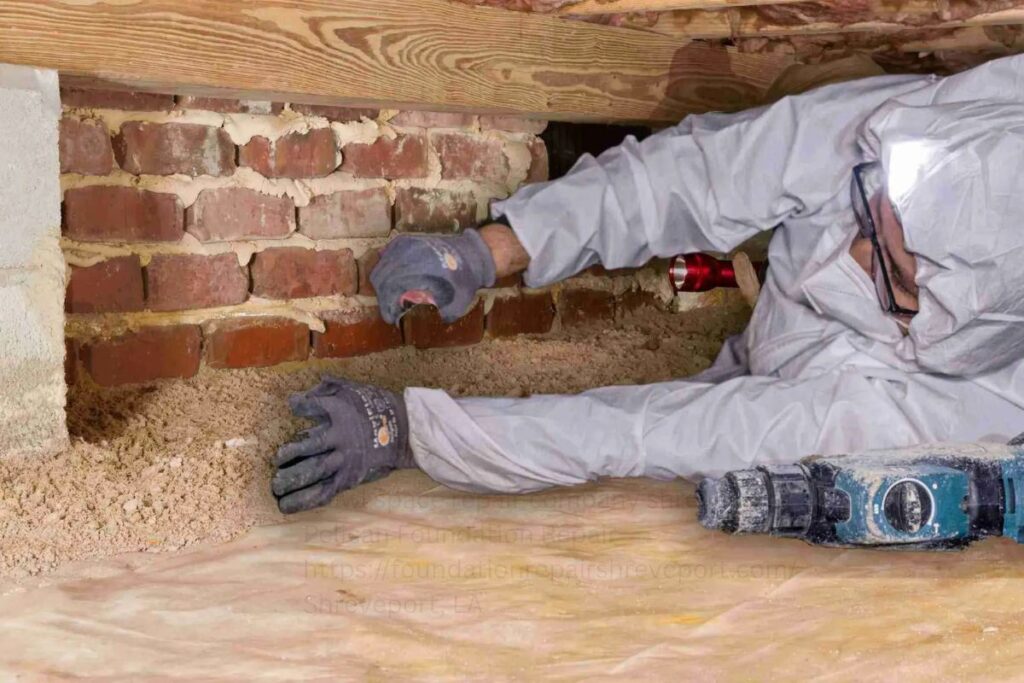
Many Shreveport-area homes, especially older ones in Highland and Cedar Grove and pier-and-beam homes around Bossier City and Haughton, sit over crawl spaces. If the access is blocked, the clearance is low, or standing water is present, an inspector may note the limitation and move on. Underneath, though, wood piers can be rotting, brick piers can be leaning, and shims can be slipping or crushed.
What matters most is the condition of the supports and the moisture around them. Soft or crumbling wood at the base of a pier, piers that are visibly out of plumb, and beams that sag between supports all mean the floor system is losing support. Damp soil under the house speeds up every one of those problems, and it also invites termites and mold. If the crawl space could not be fully inspected, that is a reason to get a second look, not a reason to assume all is well.
3. Drainage Problems That Only Show Up in Heavy Rain
An inspection on a dry week can miss a yard that funnels water straight at the foundation. Gutters that dump at the corners, soil that slopes toward the house instead of away from it, and flower beds built up above the slab edge all push water against the foundation during Shreveport’s heavy spring and summer storms. The water may never enter the living space, but it saturates the clay, swells it, and presses on walls and slabs.
Walk the perimeter after a rain if you get the chance, or at least study the grading with fresh eyes. The ground should fall away from the house for at least the first several feet. Downspouts should carry water well clear of the foundation, not just to the edge of the flower bed. Low spots near the foundation, mulch piled against siding, and a driveway that drains toward the garage are all worth noting.
4. Previous Foundation Repairs With No Paperwork
A home that has already had piers installed or a slab lifted is not a bad buy by itself; in many cases it is a home whose problem was fixed. The risk is a repair with no documentation: no company name, no pier count, no warranty paperwork, and no way to know whether the work addressed the cause or only the symptom. Cosmetic repairs fall in the same bucket. A crack injected with epoxy looks fixed, but if the soil underneath keeps moving, the crack is a symptom being treated while the disease continues.
Ask for the repair invoice, the warranty, and the name of the company that did the work, then confirm the warranty terms in writing. Pelican’s own standard is a 20-year structural warranty on qualifying repairs, and any reputable company should be able to state its terms just as plainly. If the seller cannot produce paperwork, treat the repair as unverified and price a fresh evaluation into your decision.
5. Plumbing Leaks Under the Slab
A slow leak under a slab foundation can wash soil away from beneath the concrete or, just as often, keep one patch of clay permanently swollen while the rest of the slab dries. Either way the slab moves unevenly. Inspectors check visible plumbing and water pressure, but they cannot see a supply or drain line buried under concrete. The clues are indirect: a water bill that runs high with no obvious cause, warm spots on the floor, the sound of running water when nothing is on, or damp patches near plumbing walls.
In Shreveport’s older slab neighborhoods, cast iron drain lines and aging copper supply lines are common, and both fail with age. A leak that has run for months can hollow out soil under a slab long before any crack appears inside. If you see several of these clues together, a plumber’s leak test is a sensible step before closing, and it pairs naturally with a foundation evaluation.
6. Seasonal Movement Mistaken for Normal House Settling
Every house settles a little when it is new, and every wood-framed house shifts a little with the seasons. The trouble starts when seasonal movement is used as a blanket explanation for something that is actually progressive. The difference is in the pattern: seasonal movement comes and goes with wet and dry periods, while progressive settlement gets a little worse each year and does not fully reverse.
The way to tell them apart is measurement over time, which a single inspection day cannot provide. Crack monitors, dated photos, and elevation readings taken months apart show whether a crack is stable or still growing. If a seller or agent tells you a crack is “just seasonal,” ask what measurements support that. A confident answer will point to evidence; a guess will not.
What an Inspector Sees vs. What a Foundation Evaluation Adds
| Issue | Why a general inspection can miss it | What a foundation evaluation adds |
|---|---|---|
| Slow settlement | Patched and repainted before listing | Elevation readings and crack measurements |
| Crawl space pier damage | Low clearance, blocked access, standing water | Hands-on pier, beam, and moisture check |
| Drainage failure | Invisible on a dry inspection day | Grading, gutter, and water-path review |
| Undocumented repairs | Repairs look finished from the outside | Paperwork review and warranty verification |
| Under-slab plumbing leaks | Pipes are buried under concrete | Leak clues plus plumber referral |
| Progressive movement | One day of observation cannot show a trend | Monitoring plan and dated measurements |
What to Do Before You Close
You do not need to become a foundation expert to protect yourself. You need a short checklist and a willingness to use it before the inspection deadline passes.
- Read the full inspection report, including the limitations section, and list every item the inspector could not access.
- Ask the seller in writing about past cracks, repairs, drainage work, and plumbing leaks, and request all repair paperwork.
- Walk the perimeter yourself: check grading, gutters, downspouts, and any low spots near the foundation.
- Open and close every door and window, and note which ones stick, rub, or will not latch.
- Look in the crawl space or under the house yourself if access allows, with a flashlight, and note moisture, odors, and pier condition.
- If any warning sign appears, book a foundation-specific evaluation before your inspection period ends.
- Keep every report, photo, and warranty in your closing file; the next buyer will ask the same questions you are asking now.
For a fuller picture of how a dedicated visit works, see our guide to foundation inspection in Shreveport and our related posts on what to expect during a foundation inspection and hidden foundation problems and their signs. Buyers comparing notes will also find our pre-purchase foundation inspection guide useful. HUD’s homebuying guidance also walks buyers through the inspection step at hud.gov.
When to Call an Engineer Instead
Most foundation questions can be answered by a foundation repair company, but some situations call for a licensed structural engineer: severe or rapidly worsening cracks, bowing or leaning walls, a home with a history of structural failure, or a lender that requires an engineer’s report. An engineer gives you an independent structural opinion, and a repair company can then price the fix. If anyone pressures you to skip that step on a serious structural concern, treat that as a warning sign in itself.
The bottom line is simple. A clean general inspection is good news, but it is not the same as a clean foundation. In a clay-soil market like Shreveport, where movement is slow and seasonal, the second look is what turns a good-news report into a decision you can trust.
Frequently Asked Questions
Does a general home inspection cover the foundation?
It covers the visible parts of the foundation, but it is a visual, non-invasive check. Inspectors do not open walls, move heavy furniture, or dig around footings, so hidden or slow-developing problems can go unreported.
Should I get a separate foundation inspection when buying a home in Shreveport?
Yes, if you see any warning sign: sticking doors, sloping floors, cracks (even patched ones), damp crawl spaces, or poor drainage. In Shreveport’s expansive clay soil, a foundation-specific evaluation is low-cost insurance against a high-cost surprise.
What does a foundation evaluation include that a general inspection does not?
Elevation readings, crack measurement, a hands-on crawl space or pier check, drainage and grading review, and an assessment of whether movement is active or stable. It answers whether the house is moving and why, not just whether anything looks wrong today.
Can a seller hide foundation problems with paint and caulk?
Cosmetic touch-ups can hide the appearance of a crack, but they do not stop movement. Look for thicker paint over one wall section, mismatched caulk, planed door edges, and cracks that reopen, and always ask the seller about past repairs in writing.
Is a home with previous foundation repair a bad buy?
Not necessarily. A documented repair from a reputable company, with warranty paperwork, can be a plus. The risk is an undocumented repair: without paperwork you cannot verify what was done, how many piers were installed, or what the warranty covers.
How do I tell seasonal movement from real settlement?
Seasonal movement comes and goes with wet and dry periods; progressive settlement gets slightly worse each year and does not fully reverse. Dated photos, crack monitors, and elevation readings taken months apart are how you tell the difference.
What should I do if my inspector could not access the crawl space?
Treat the limitation as an open question, not a clean bill of health. Arrange access and a foundation-specific crawl space check before your inspection deadline, especially for older pier-and-beam homes.
Pelican Foundation Repair
6118 Fairfield Ave, Shreveport, LA 71106, USA
318-585-2003
https://foundationrepairshreveport.com/