Why Your Foundation Moves When Shreveport Weather Swings From Wet to Dry
Shreveport foundations move most when the weather changes its mind. Wet clay swells and pushes, dry clay shrinks and pulls away, and your house rides that swing.
When heavy rain soaks Shreveport’s expansive clay, the soil swells and pushes against your foundation. When cooler, drier air follows, the clay shrinks, gaps open beside the slab, and parts of the house settle. That wet-to-dry swing, not any single storm, is what cracks walls, sticks doors, and slopes floors across northwest Louisiana.
This pattern played out in public just this week. In early November 2026, a cross-country storm brought 1 to 2 inches of rain across the ArkLaTex, with a tornado touching down in Bossier Parish, and then cooler, drier air moved in behind it, with daytime highs in the low to mid 70s and overnight lows in the 40s. That is the classic Shreveport swing: a soaking followed by drying, played out over days rather than months. Homeowners who watch their houses through the next few weeks will see exactly what this post describes, and the same swing repeats every fall and spring, which is why the advice below is evergreen, not tied to one forecast.
Expansive Clay: The Engine Under Your House
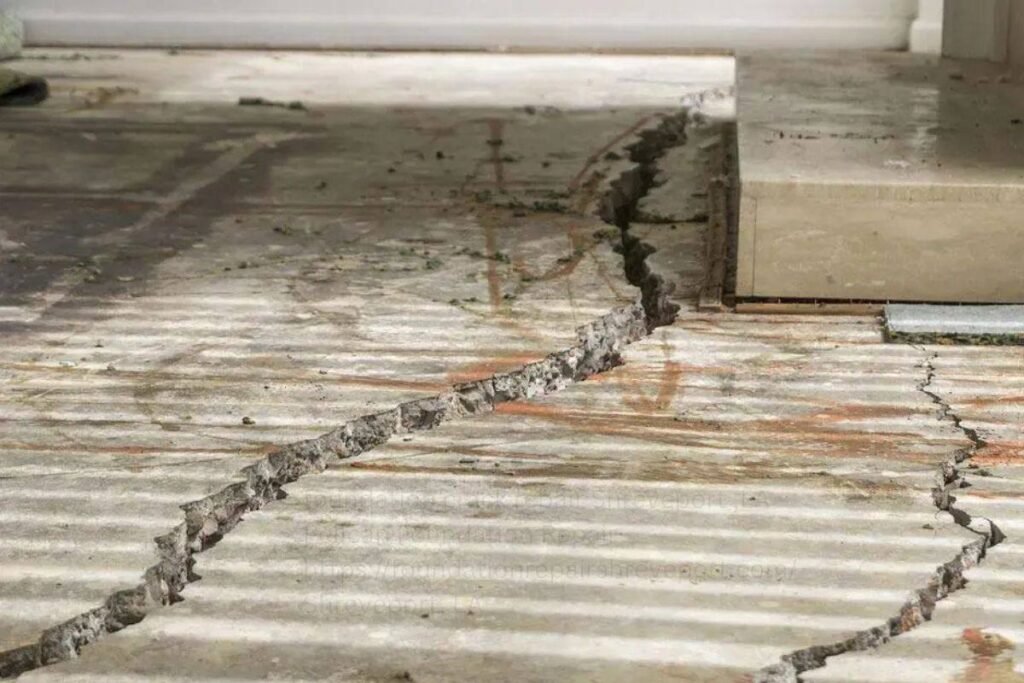
Most of Shreveport and Bossier City sits on expansive clay soil, the kind that behaves almost like a sponge. When it absorbs water, it swells, sometimes with enough force to lift a slab edge, push a wall inward, or heave a section of floor. When it dries, it shrinks and pulls away from the foundation, leaving gaps you can sometimes see with your own eyes along the slab edge or the foundation wall. Neither state is the problem on its own. The problem is the cycling between them, season after season, year after year.
Think of it like bending a paperclip back and forth. One bend does nothing. Fifty bends break it. A foundation goes through the same fatigue: each wet season pushes, each dry spell pulls, and the house accumulates tiny movements that eventually show up as a stair-step crack in brick, a door that rubs its frame, or a floor that slopes toward one corner. Homes in Broadmoor, South Highlands, and Bossier City feel this keenly because their clay content runs high, but the same soil behavior shows up in Haughton, Greenwood, Benton, and Keithville too, wherever clay dominates the ground.
Water makes the swing worse in both directions. Poor drainage keeps one side of a house wet while the other side dries, so the house moves unevenly, which is far harder on a structure than moving as a whole. That is why two houses on the same street can behave differently: the one with gutters dumping beside the wall and a low spot by the porch rides a bigger swing than the one whose water is carried well away from the house.
What the Swing Looks Like in Your Home
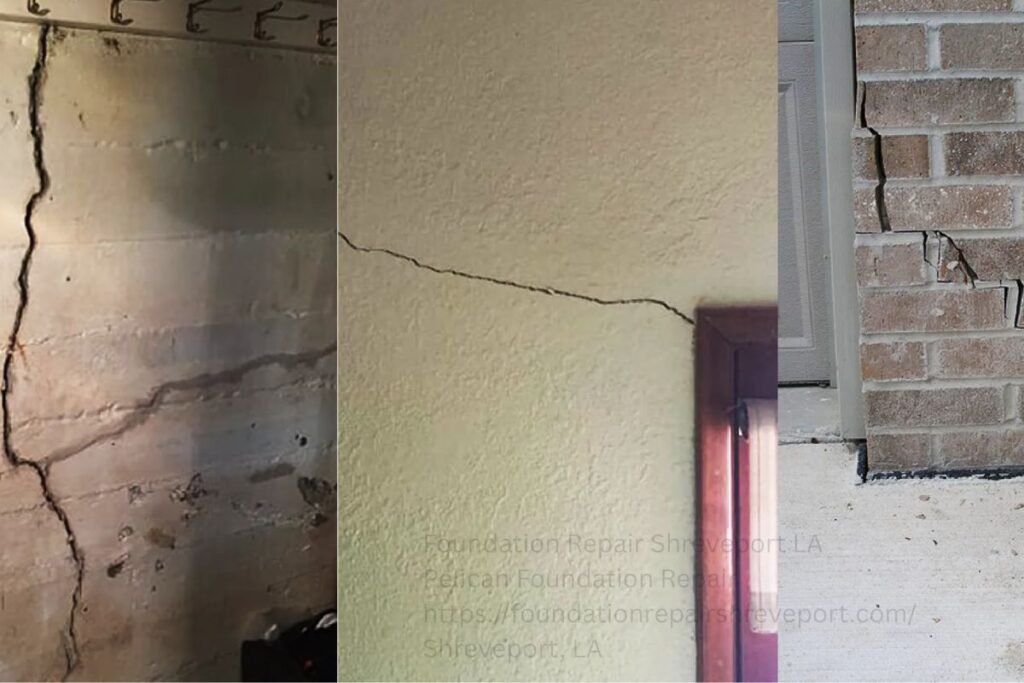
The signs of wet-dry movement are easy to confuse with normal settling, which is why tracking them matters more than spotting them once. After a soaking, look for doors and windows that stick where they worked before, fresh cracks at the corners of doors and windows, and tile grout lines that crack in bathrooms and kitchens. After a dry spell, look for gaps between soil and foundation, cracks that widened since your last look, and floors that slope or feel bouncy in rooms over a crawl space.
The pattern that separates seasonal movement from real structural trouble is growth over time. A hairline crack that appears after a storm and stays the same for months is usually the house breathing with the soil. A crack that grows across checks, a door that sticks worse each season, or a floor slope that increases year to year is a house that is still moving, and that deserves a professional look. Marking crack ends with a pencil and date, and photographing them with a coin for scale, turns vague worry into measurements, and measurements are what drive good decisions.
Watch one side of the house more than the other, too. The sunny south and west sides dry fastest, while shaded north sides stay wet longest, so movement often favors one side. If cracks, sticking doors, and soil gaps all cluster on the same side, that pattern tells an inspector more than any single crack. It also points at the fix: the wet side usually needs drainage help, while the dry side may need consistent soil moisture.
Soil Watering: Helpful, but Only Done Right
Homeowners often ask whether watering the soil around a foundation helps during dry spells, and the honest answer is: it can, but it is easy to get wrong. The goal is consistent moisture, not a swamp. A soaker hose run slowly, placed a foot or more from the foundation wall, can keep clay from shrinking away from the slab during a long dry stretch. Dumping a garden hose against the wall, or watering one side heavily while ignoring the other, just creates a new uneven swing, wet on one side and dry on the other.
Watering is also no substitute for fixing the real problems. If gutters dump beside the house, if grading slopes toward the wall, or if a French drain is clogged, no amount of careful soaker-hose work will stabilize the soil, because the water problem is uncontrolled. Fix drainage first, then use watering as a maintenance habit during dry spells, not as a repair. And never water to fill a gap under a settled slab: filling a void hides the symptom while the cause keeps working underneath.
For the full picture on watering as part of soil care, see our post on foundation settlement and soil watering, and for what to check right after a soaking, see our 20-minute foundation check after heavy rain.
How to Steady the Swing Around Your Home
You cannot change Shreveport weather or replace the clay under your house, but you can shrink the size of the swing, and that is usually enough. The work is unglamorous, and that is exactly why it works: it controls water, which controls the soil, which controls the movement.
- Gutters and downspouts: keep them clear and extend downspouts so water lands well away from the foundation, not beside it.
- Grading: soil should slope away from the house for the first several feet, with no low spots or mulch dams trapping water against the wall.
- Drainage: French drains, catch basins, and yard swales should run clear; a clogged outlet turns a good system into a pond.
- Consistent moisture: during long dry spells, water evenly around the house with a soaker hose, never just one side.
- Vegetation: large trees near the house drink heavily from clay in dry weather; keep new plantings away from the foundation and watch older trees for soil gaps.
- Monitoring: mark and photograph cracks, note door and floor changes, and recheck after each major wet-dry swing.
These steps will not fix a foundation that has already settled badly. Piers, leveling, or structural repair may still be needed where movement has gone too far, and pretending otherwise would be dishonest. But for most homes, steadying the water is what keeps a seasonal annoyance from becoming a structural bill. Our drainage correction service covers the outside-water side of this work, and our foundation inspection service explains what elevation readings add to your own notes.
| Weather phase | What the clay does | What you may see | What to do |
|---|---|---|---|
| Heavy rain, saturated soil | Swells and pushes upward and inward | Sticking doors, fresh hairline cracks, heaved slab edges | Check grading and gutters; photograph and mark cracks |
| Cool, dry air follows | Shrinks and pulls away from the foundation | Soil gaps at the slab edge, widening cracks, sloping floors | Water evenly with a soaker hose; recheck cracks |
| Repeated cycles over years | Cumulative uneven movement | Stair-step brick cracks, persistent door and floor problems | Get a expert inspection with elevation readings |
| One side wet, one side dry | Moves unevenly, stressing the frame | Problems clustered on one side of the house | Fix the wet-side drainage or dry-side moisture gap |
When to Watch, and When to Call
Most wet-dry movement can be watched, provided it is actually watched. A single small crack that stays stable across two checks, a door that sticks for a week after a storm and then frees up, or a soil gap that closes when rain returns are all consistent with a house riding the seasonal swing. Keep the photos, keep the dates, and recheck after the next swing.
Call for a expert inspection when the pattern changes: cracks that grow between checks, stair-step or diagonal cracks through brick or block, doors and windows that stick worse every season, floors that slope more than they did last year, or water pooling against the foundation that grading and gutters cannot fix. Those are the signs that movement has passed the seasonal range and needs numbers, not guesses. Elevation readings show how much each part of the house has moved relative to the rest, and that is what separates a house that needs monitoring from a house that needs piers or leveling.
For seasonal context, see our guide to seasonal foundation maintenance in Louisiana. The National Weather Service and the LSU AgCenter are solid references for local weather and soil conditions. Start at our homepage for the full picture of what Pelican covers across Shreveport, Bossier City, and the surrounding areas.
- Watch: one small, stable crack; a door that sticks briefly after a storm; a soil gap that closes with rain.
- Call: cracks that grow between checks, stair-step brick cracks, doors that stick worse each season.
- Call: floors sloping more year to year, or water that keeps pooling despite fixed grading.
- Always: mark, photograph, and date what you see, so growth, not memory, drives the decision.
- Fix water first: drainage and grading decide whether any structural repair will last.
Frequently Asked Questions
Why does my foundation move more in fall and spring?
Fall and spring bring the biggest weather swings in northwest Louisiana: soaking rains followed by cooler, drier air. Expansive clay swells when wet and shrinks when dry, so those swings move a house more than a steady wet or steady dry season does.
Are cracks after a wet-to-dry swing serious?
Not always. Small hairline cracks that stay stable are often seasonal movement. Cracks that grow between checks, run diagonally or in stair-steps through brick, or come with sticking doors and sloping floors are the ones that need a professional look.
Should I water my foundation during a dry spell?
Even, gentle watering with a soaker hose placed away from the wall can help keep clay moisture consistent during a long dry spell. Water all sides evenly, never just one, and fix gutters and grading first, since watering cannot overcome uncontrolled drainage.
Why do soil gaps open beside my slab in dry weather?
As clay dries, it shrinks and pulls away from the foundation, leaving a visible gap. A gap that closes when rain returns is normal seasonal behavior. A gap that keeps growing, or comes with cracks and sloping floors, deserves an inspection.
Can I stop my foundation from moving completely?
No home on expansive clay stops moving entirely, but you can shrink the swing a lot. Good drainage, proper grading, clear gutters, and even soil moisture keep movement inside the range a house can handle without damage.
When does seasonal movement become a repair job?
When measurements show ongoing, uneven movement: growing cracks, worsening doors and floors, or elevation readings that keep changing. At that point, piers or leveling may be needed, and a expert inspection with elevation readings gives you the numbers to decide.
Does one side of the house moving more matter?
Yes. Uneven movement stresses a house more than even movement. Problems clustered on one side usually trace to that side’s drainage or moisture conditions, which is useful, because it points directly at what to fix first.
Pelican Foundation Repair
6118 Fairfield Ave, Shreveport, LA 71106, USA
318-585-2003
https://foundationrepairshreveport.com/