Foundation Inspection in Greenwood, LA: What It Covers and When to Book One
A foundation inspection in Greenwood, LA checks your home for movement, cracks, and drainage trouble before small problems grow. Here is what it covers and when to book one.
A foundation inspection in Greenwood, LA is a hands-on check of your home’s foundation, floors, walls, and drainage by a trained specialist. It finds movement, cracks, and water problems, measures floor levels, and ends with a written report that explains what moved, why it moved, and what to do next.
Greenwood sits west of Shreveport on the I-20 corridor, close to the Texas state line, and its homes face the same clay-soil trouble as the rest of Caddo Parish. Many houses here sit on older pier-and-beam foundations or old slabs. An inspection shows where your house stands before you buy, sell, or repair.
What a Foundation Inspection Covers in Greenwood, LA
A foundation inspection is not a quick walk-through. The specialist looks at the whole system that holds your house up: foundation, floors and walls, and the water around it.
The Structure: Walls, Floors, and Piers
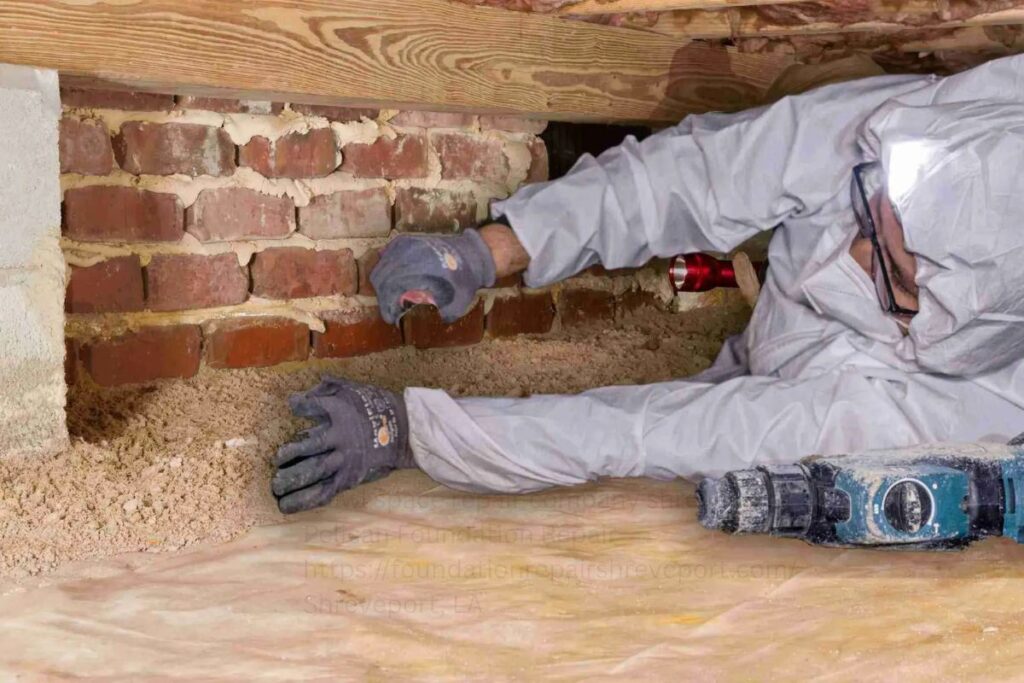
The inspection starts with the bones of the house. Outside, the specialist walks the full perimeter and looks at the foundation wall or slab edge where it meets the ground. On a pier-and-beam home, common in older Greenwood houses, the crawl space gets a close look: the brick piers, the wooden beams, and the joists that carry the floor.
Cracks: What Gets Measured and Mapped
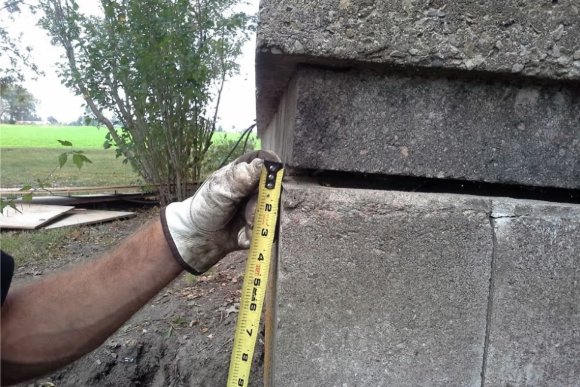
Not every crack means trouble, and part of the inspection is telling the harmless ones from the ones that matter. The specialist measures each crack, notes which way it runs, and photographs it with a date so it can be compared later. Thin, stable hairline cracks often come from normal curing and aging. Cracks that matter are wider, keep growing, run in a stair-step pattern through brick, or come back after patching.
Drainage and Water Around the House
Water is the usual suspect behind foundation movement in Greenwood, so drainage gets a full check of its own. The specialist looks at how the yard slopes, whether water pools near the house after rain, and where the gutters and downspouts send roof water. On many rural lots, downspouts end beside the foundation, so one side stays wet while the other dries out. That uneven moisture makes one side swell while the other shrinks.
When to Book a Foundation Inspection in Greenwood
There is no single right time for every homeowner, but some moments matter more than others. Buying or selling, a change in the weather pattern, or a new crack you just noticed are the three big ones.
Buying or Selling a Home in Greenwood
If you are buying a home in Greenwood, an inspection before closing is the step that protects your purchase. A general home inspection is not a foundation inspection, and a lender or insurer may still ask for a foundation report. For a buyer, the report answers the key question: is this house stable, and if not, what will it take to make it stable?
After a Wet Winter or a Long Dry Spell
Northwest Louisiana weather works clay soil hard. A wet winter soaks the ground for weeks and the clay swells, pushing up on the foundation. Then a hot, dry summer pulls the moisture out, the clay shrinks, and gaps open under slabs. The swing from wet to dry is when most movement shows up, so the weeks after a wet winter or at the end of a dry spell are smart times to book. The National Weather Service Shreveport page tracks local rain and drought.
When You Spot a New Sign
Sometimes the house tells you plainly. A crack that was not there last month, a door that worked yesterday and will not close today, or a floor that suddenly feels uneven underfoot are all reasons to book an inspection now, not next season. The same goes for water coming through a wall or slab crack, or a chimney pulling away from the house.
- You are buying or selling a Greenwood home and want a foundation report.
- A crack appeared or grew wider after wet or dry weather.
- A door or window now sticks in the same spot every season.
- Floors slope, feel uneven, or bounce underfoot in one part of the house.
- Water pools near the foundation, or enters through a wall or slab crack.
- A chimney, porch, or wall is pulling away from the main house.
How a Foundation Inspection Works, Step by Step
A foundation inspection follows a steady order, and knowing it helps you get the most from the visit. The specialist works from the outside in, measuring as they go. The whole visit usually takes an hour or two.
| Step | What happens | What it tells you |
|---|---|---|
| 1. Outside walk-around | Perimeter, grade, gutters, and downspouts are checked, with the foundation wall | How water moves around the house |
| 2. Floor-level readings | A level is run across the floors room by room | Which way the house is tilting |
| 3. Crack mapping | Cracks are measured, photographed, and marked on a sketch | Whether the movement is new, growing, or stable |
| 4. Crawl space or slab check | Piers, beams, and joists are checked under the house | Whether the supports under the house are sound |
| 5. Written report | Findings, cause, and next steps are put in writing with photos | A record to share with a buyer or lender |
The Walk-Around Outside
The visit starts outside because the outside often explains the inside. The specialist walks the full perimeter, looking at the foundation wall or slab edge, the slope of the yard, and any place where water stands after rain. Gutters and downspouts get checked for clogs and where they dump water. For a closer look, see our guide on what to expect during a foundation inspection.
Inside the House: Floors, Doors, and Walls
Inside, the specialist runs a level across the floors room by room and notes where the floor rises or falls. Doors and windows are tested for sticking and for gaps wider at the top than the bottom. Walls are checked for cracks, baseboards pulling away, and tile or grout cracking in a straight line. In a pier-and-beam home, the crawl space is checked from below when access allows.
What Your Foundation Inspection Report Contains
The written report is the real product of the inspection. It turns a walk through the house into a record you can keep and act on, written in plain words with photos and numbers. A licensed structural engineer may be brought in when the movement is severe or a lender asks for an engineering report.
Floor-Level Readings and Crack Notes
The first part of the report is the evidence: floor-level readings room by room, showing where the house sits high and where it sits low, and a crack map with measurements and dated photos. The readings show the pattern of movement, and the crack notes show if it is new or old. Keep the report with your house records, so the next inspector can compare new readings against these.
The Likely Cause, in Plain Words
The second part of the report explains why the house moved. In Greenwood, the cause is often clay soil that swelled and shrank with the seasons, poor drainage that kept one side wetter, or piers that settled under an older pier-and-beam home. The report should name the cause in words a homeowner can follow. For help with each section, our post on the foundation inspection report explained walks through a sample report line by line.
What Happens Next
The last part of the report is the plan: what to do, in what order, and how soon. It may call for a repair, such as piers under a settled corner, or it may say the house is stable and only needs watching. If repair work is needed, the report leads to a written estimate that names the method and the warranty terms. Our foundation inspection in Minden, LA guide covers the same process nearby.
Greenwood Soil, Weather, and Older Homes
Greenwood is not Shreveport, and an inspection here has to fit the town. The soil, the weather, and the age of the housing stock shape what the specialist looks for.
Caddo Parish Clay and the I-20 Corridor
Greenwood sits in Caddo Parish on the same expansive clay soil that troubles foundations across northwest Louisiana. The clay acts like a sponge: it swells when it soaks up water and shrinks when it dries out. Homes along the I-20 corridor, from Greenwood town center west toward the Texas line, sit on clay that varies from lot to lot.
Older Pier-and-Beam Homes and Rural Lots
Much of Greenwood’s housing stock is older, and many of those homes sit on pier-and-beam foundations with brick piers and wooden beams. These are sturdy systems when cared for, but piers can settle, beams can sag, and crawl spaces can stay damp for years. A home near Cross Lake or Caddo Lake feels the wet side hardest, since low ground holds water.
Rain, Drought, and the Wet-Winter Pattern
The pattern that moves Greenwood foundations is the yearly swing between wet and dry. Winter rain keeps the ground wet for weeks, and the clay swells. Then summer heat dries the soil hard, the clay shrinks, and gaps open underneath. The Federal Emergency Management Agency notes that water and soil movement are common causes of foundation trouble. See FEMA guidance on protecting your home for more on water and foundation risk.
After the Inspection: Your Next Steps
Once the report is in your hands, the next steps are usually simple. If the house is stable, file the report and recheck it in six months. If the report calls for work, get the written estimate and plan drainage fixes that keep the problem from coming back.
- Read the report fully, including the floor readings and crack photos, before deciding anything.
- Ask the specialist to explain any finding you do not follow, in writing.
- If repair work is needed, get a written estimate naming the method and warranty terms.
- Fix drainage with any repair, since water kept away protects the work.
- Keep the report and photos with your house records, and share them when asked.
- Recheck any crack or low spot in six months, and book a follow-up if anything changed.
For Greenwood homeowners, the foundation inspection service page lays out what Pelican checks on every visit, and the Greenwood, LA service area page covers the neighborhoods and ZIP 71033 areas Pelican serves. The Pelican Foundation Repair homepage shows the full range of services across Shreveport and Caddo Parish.
Frequently Asked Questions
How much does a foundation inspection cost in Greenwood, LA?
The cost depends on the size of the home, the foundation type, and whether a crawl space check or an engineering report is needed. Your exact figure comes from a written estimate after an expert inspection.
How long does a foundation inspection take?
Most inspections take an hour or two, depending on the size and age of the house. An older pier-and-beam home with a crawl space takes longer than a small slab home. The written report usually follows in a few days.
What should I do before the inspector arrives?
Clear access to the crawl space entry and any doors that stick, and pull back rugs hiding floor cracks. Make a short list of what you have noticed, with dates. Old photos of a crack help, since they show whether it has grown.
Will the inspection damage my floors or walls?
No. A foundation inspection is a visual and measuring visit, not a repair job. The specialist measures floors, photographs cracks, and checks the crawl space, but does not cut into walls or lift flooring.
Do I need a foundation inspection before buying a home in Greenwood?
It is a smart step, especially for an older home or one with signs of movement. A general home inspection is not a foundation inspection, and a lender may ask for a foundation report before closing.
What is the difference between a foundation inspection and a general home inspection?
A general home inspection covers the whole house: roof, plumbing, wiring, heating, and more, with only a brief look at the foundation. A foundation inspection focuses only on the foundation, floors, walls, and drainage, with floor-level readings and a crack map.
What happens if the inspection finds a problem?
The report explains what moved, why it likely moved, and what to do next. If repair work is needed, the next step is a written estimate naming the method, areas, timeline, and warranty terms.
Pelican Foundation Repair
6118 Fairfield Ave, Shreveport, LA 71106, USA
318-585-2003
https://foundationrepairshreveport.com/