French Drain Maintenance in Shreveport, LA: Cleaning, Checks, and Warning Signs
French drain maintenance in Shreveport, LA keeps your yard drain clearing water away from your home through wet winters and heavy spring storms on expansive clay soil.
Clean the outlet and grate each season, flush the line at least once a year, and check the drain after every heavy rain. In Shreveport, clay soil and leaves clog a French drain fast, so a drain that stops moving water can soak the soil beside your foundation and invite cracks and crawl space moisture.
Most homeowners never think about their French drain until the yard stays wet for days after a storm. By then the drain has usually been clogging for a season or two. Upkeep is simple: a few checks a year, a garden hose, and a habit of walking the drain line after rain will keep most drains working. This guide covers the seasonal checklist, how to clean and flush the line, the warning signs of failure, and when to call a specialist.
Why French Drains Need Regular Care in Shreveport
A French drain is a simple system: a gravel trench with a perforated pipe that catches groundwater and carries it away from your home. It has no motor and no moving parts, so most homeowners forget it exists. In Shreveport, that is a mistake. The clay soil that cracks foundations also clogs drains, and Red River valley rain keeps the ground wet for months. An ignored drain slowly fills with silt, leaves, and roots until it stops moving water at all.
Expansive Clay and Silt
Shreveport sits on expansive clay that swells when wet and shrinks when dry. Wet winters pack the soil with moisture, and hot, dry summers pull it back out. That movement pushes fine silt into the gravel and the pipe. Over a few seasons the silt builds into a plug, and the drain holds water instead of moving it. Homes in Broadmoor, South Highlands, and Highland sit on some of the heaviest clay in the city, so their drains clog faster than drains on sandier ground near Cross Lake.
Leaves, Roots, and Heavy Rain
Leaves are the other clog. Live oaks and pines drop leaves and needles all year, and heavy rain washes them into the grate and the gravel. Tree roots follow the water: a root can find a small gap in the pipe and grow into it, and a root mat is much harder to clear than silt. The National Weather Service Shreveport page tracks the storm patterns that bring that rain.
The Seasonal French Drain Maintenance Checklist
A drain checked four times a year rarely fails without warning. The checks are short, and most need nothing more than your eyes and a garden hose. Do the full checklist in spring and fall, when leaves and rain are heaviest, and a quick version after any storm that drops a lot of water fast.
| Season | What to check | Why it matters |
|---|---|---|
| Spring | Grate, outlet, and slope after winter rain | Winter rain packs silt and leaves into the gravel |
| Summer | Outlet flow during a dry spell; look for standing water | Dry weather shows where water is not moving |
| Fall | Clear leaves from the grate and the trench | Falling leaves are the biggest clog of the year |
| Winter | Check the outlet after each heavy rain | Wet winters keep the drain working hardest |
Between seasonal checks, a quick walk after every storm is the best habit you can build. It takes five minutes, and it catches a clog while it is still small.
- Walk the drain line and look for standing water on top of the gravel.
- Lift the grate and clear leaves, pine needles, and mud by hand.
- Watch the outlet and confirm it flows steadily.
- Look for soil washing out of the trench or gravel showing through the grass.
- Check the foundation wall for new damp spots or stains.
How to Clean and Flush a French Drain
Cleaning a French drain is a step-by-step job: clear the grate, flush the pipe, and confirm the outlet. Do it once a year at minimum, and twice a year if your yard has big trees or heavy clay. The order matters, because flushing a pipe with a blocked grate just pushes the clog deeper.
Clear the Grate and the Trench
Start at the surface. Lift the grate and pull out leaves, mud, and debris by hand. Check the gravel in the trench: if it is packed with mud, scoop the top layer out and replace it with clean washed gravel. Cut back grass that has grown over the grate, and trim roots pushing into the trench. This step alone fixes many slow drains: a blocked grate stops water before it reaches the pipe.
Flush the Line With a Garden Hose
Once the grate is clear, flush the pipe. Put a garden hose into the cleanout or the top of the line and run it at full flow for several minutes. Watch the outlet: the water should come out steadily and carry silt and small debris with it. If the flow at the outlet is weak while the hose runs full, the pipe is partly blocked. Repeat the flush until the water runs clear, and note how long that takes: a drain that takes longer to clear each year is slowly clogging.
When Flushing Is Not Enough
Some clogs will not flush out. A root mat inside the pipe, a crushed section under a driveway, or a pipe full of hardened silt needs a drain snake or a camera inspection. A camera shows exactly where the blockage sits, which keeps the repair small. If the pipe has collapsed or the gravel bed has failed, the section has to be dug up and replaced. That is a repair job, not a cleaning job, so get a written estimate after an expert inspection before the next wet season arrives. The American Concrete Institute publishes standards for concrete and pipe materials used in drainage work. See the American Concrete Institute for more.
Warning Signs Your French Drain Has Failed
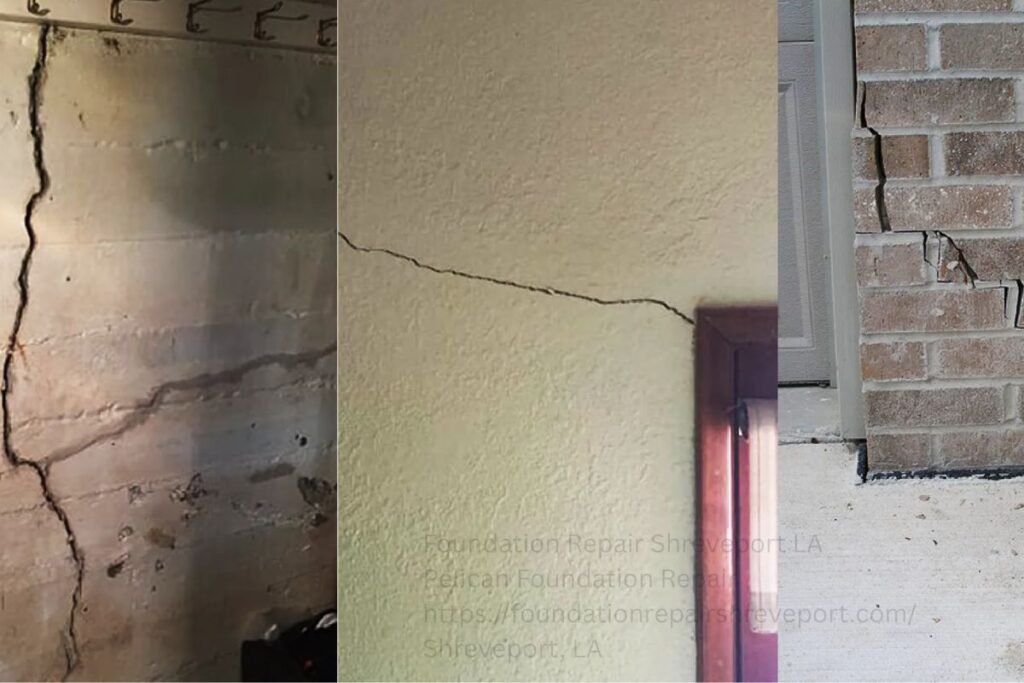
A failed drain does not always announce itself with a flood. More often it fails quietly, and the first signs show up at the foundation instead of the drain. Learn the signs and catch a clog before it turns into crawl space moisture or a cracked wall.
- Water stands in the yard for a day or more after rain ends.
- The outlet stays dry during rain while the yard stays wet.
- Soggy patches appear along the drain line or beside the foundation.
- The crawl space smells musty or shows new moisture staining.
- Water seeps through the foundation wall after storms.
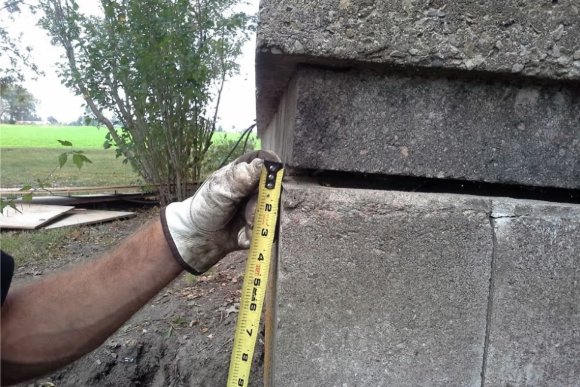
- New cracks appear in the foundation wall or the floor slab.
- The soil beside the house stays soft and muddy long after it stops raining.
Drain Trouble and Your Foundation
A drain that stops moving water leaves the soil beside your home soaked for weeks. Wet clay swells and pushes against the foundation wall, and when it dries it shrinks and pulls away, leaving the wall unsupported. That cycle opens cracks and lets water into the crawl space. If you also see cracks or damp spots, the drain problem and the foundation problem are likely connected. Our guide to the signs of drainage problems around a foundation explains what to look for, and our crawl space repair service page covers what happens when moisture gets inside.
What to Check After Heavy Rain in Shreveport
Shreveport gets its heaviest rain in spring and in winter storms that stall over the Red River valley, and a single storm can drop several inches in a day. After a storm like that, your drain has just done its hardest work of the year, so check it within a day, while the evidence is still fresh.
The One-Day Check
Walk the whole drain line while the ground is still wet. The outlet should still be dripping or flowing, the gravel damp but not buried in mud, and the yard drained down within a day. Mark any spot where water still stands: it tells you where the pipe is slow or blocked. Take a photo so you can compare it after the next storm. If the same spot holds water after two storms in a row, the drain needs cleaning or a camera check. For the foundation side of the same check, see our foundation check after heavy rain guide.
When to Call a Drainage Specialist in Shreveport
Some drain work is a homeowner job, and some is not. Call a specialist when flushing does not restore flow, when the pipe is crushed or full of roots, when water is getting into the crawl space, or when the drain has failed twice in the same spot. A specialist can run a camera through the line, find the exact blockage and tell you whether the fix is a cleaning, a section replacement, or a new outlet. Pelican Foundation Repair offers expert inspections for Shreveport homeowners across ZIPs 71101 to 71129, and qualifying repairs are backed by our 20-year structural warranty. Our drainage correction service page covers the full range of drainage work we handle across Shreveport, from Ellerbe Road to the neighborhoods around Cross Lake.
What a Drainage Visit Covers
A visit starts at the outlet and works back along the line. The specialist checks the slope, tests the flow, and looks for crushed pipe, root mats, and failed gravel. After the inspection you receive a written estimate that lists the work in plain words. The cost of drain work depends on the length of the line, how deep it sits, whether the pipe is clogged or crushed, and whether the outlet needs moving. Your exact figure comes from a written estimate after an expert inspection. If you are weighing a new drain against keeping the one you have, our guide to French drain installation costs in Shreveport, LA explains the cost drivers for a new line. For the full range of services, see the Pelican Foundation Repair homepage.
Frequently Asked Questions
How often should I clean my French drain in Shreveport?
Check the grate and outlet every season, and flush the line at least once a year, in spring or fall. If your yard has big trees or heavy clay, flush it twice a year, because leaves and silt clog Shreveport drains fast.
Can I flush a French drain myself with a garden hose?
Yes. Clear the grate first, then run a garden hose into the cleanout or the top of the line at full flow and watch the outlet. If the water at the outlet runs weak while the hose runs full, the pipe is partly blocked and needs a snake or a camera check.
What does it mean when water stands in my yard after rain?
Standing water means the drain is not moving water away fast enough, and the usual cause is a clogged grate, a silted pipe, or a blocked outlet. Check the grate and outlet first, then flush the line. If the same spot holds water after two storms, the drain needs a closer look.
Why does my French drain smell bad?
A bad smell usually means water is sitting still in the pipe instead of flowing through it, and still water grows bacteria and mold. Clear the grate, flush the line until the water runs clear, and check that the outlet is not blocked. If the smell stays, the pipe may be holding water because of a low spot or a partial collapse.
How do I know if my French drain outlet is blocked?
Watch the outlet during rain: it should flow steadily while the yard is wet. If the outlet stays dry while the yard stays wet, or water backs up out of the grate, the outlet or the pipe feeding it is blocked. Clear leaves and mud from the outlet first, then flush the line.
How much does French drain repair cost in Shreveport?
The cost depends on the length of the drain line, how deep it sits, whether the pipe is clogged or crushed, and whether the outlet needs to be moved. Your exact figure comes from a written estimate after an expert inspection.
When should I call a specialist about my French drain?
Call a specialist when flushing does not restore flow, when the pipe is crushed or full of roots, when water is getting into the crawl space, or when the drain has failed more than once in the same spot. A camera inspection finds the exact blockage so the repair stays small.
Pelican Foundation Repair
6118 Fairfield Ave, Shreveport, LA 71106, USA
318-585-2003
https://foundationrepairshreveport.com/