 Skip to main content

What Is the Best Season for Concrete Leveling in Louisiana?
Fall is the best season for concrete leveling in Louisiana, with spring a close second. Mild temperatures and steady soil moisture give foam and slurry their steadiest cure.
What is the best season for concrete leveling? In Louisiana, fall — October through November — is ideal, spring a close second. Soil moisture is steadiest, temperatures are mild enough for a proper cure, and you beat the wet winter and brutal summer. Leveling works year-round here, though; the season matters less than fixing the drainage that caused the settling.
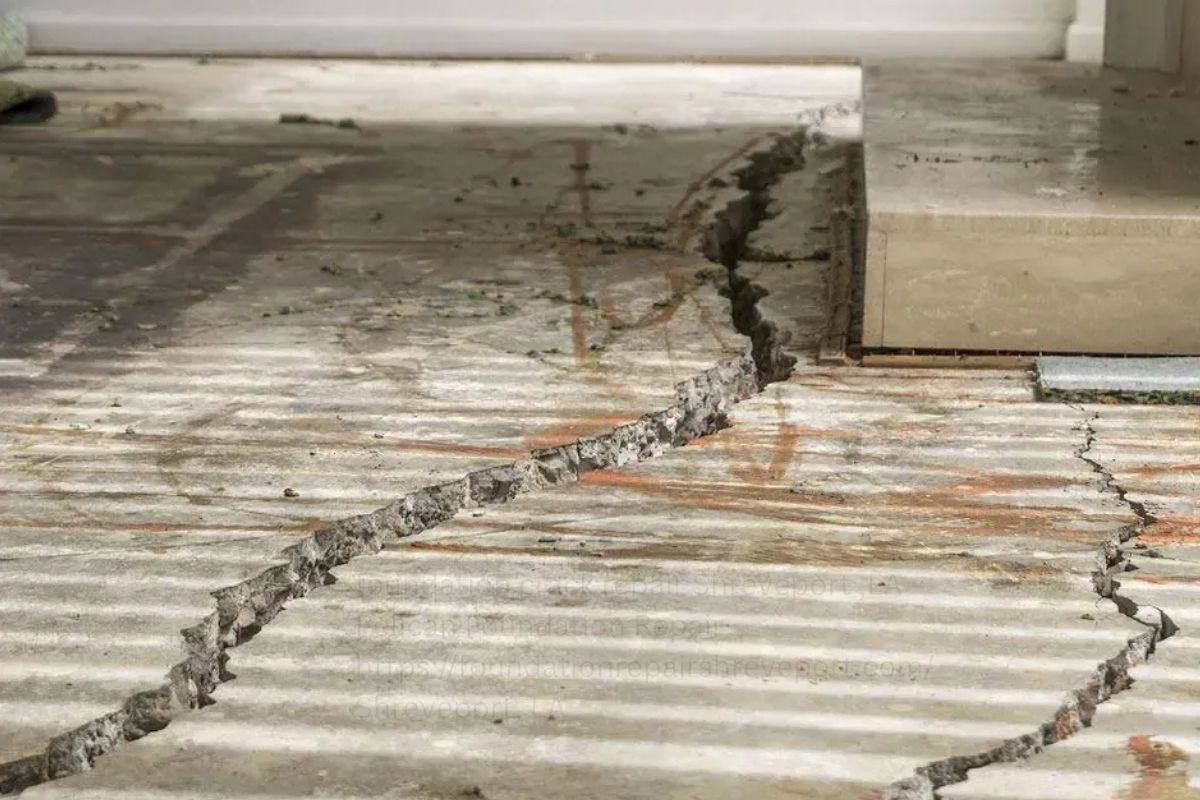
Driveways in Broadmoor, patios in South Highlands, walkways in Bossier City — concrete settles all over northwest Louisiana, and the reason is almost always the same: the clay soil underneath moved. Expansive clay swells when it soaks up spring rain and shrinks when August bakes it dry, and the slab riding on top goes along for the ride. Concrete leveling — foam injection or mudjacking — lifts the slab back without tearing it out.
The question of timing comes up because people sensibly wonder whether the season affects the result. It does, a little. The materials, the soil, and the weather all interact. This guide walks through each Louisiana season honestly, explains what actually matters, and tells you when to book.
Why Season Matters at All
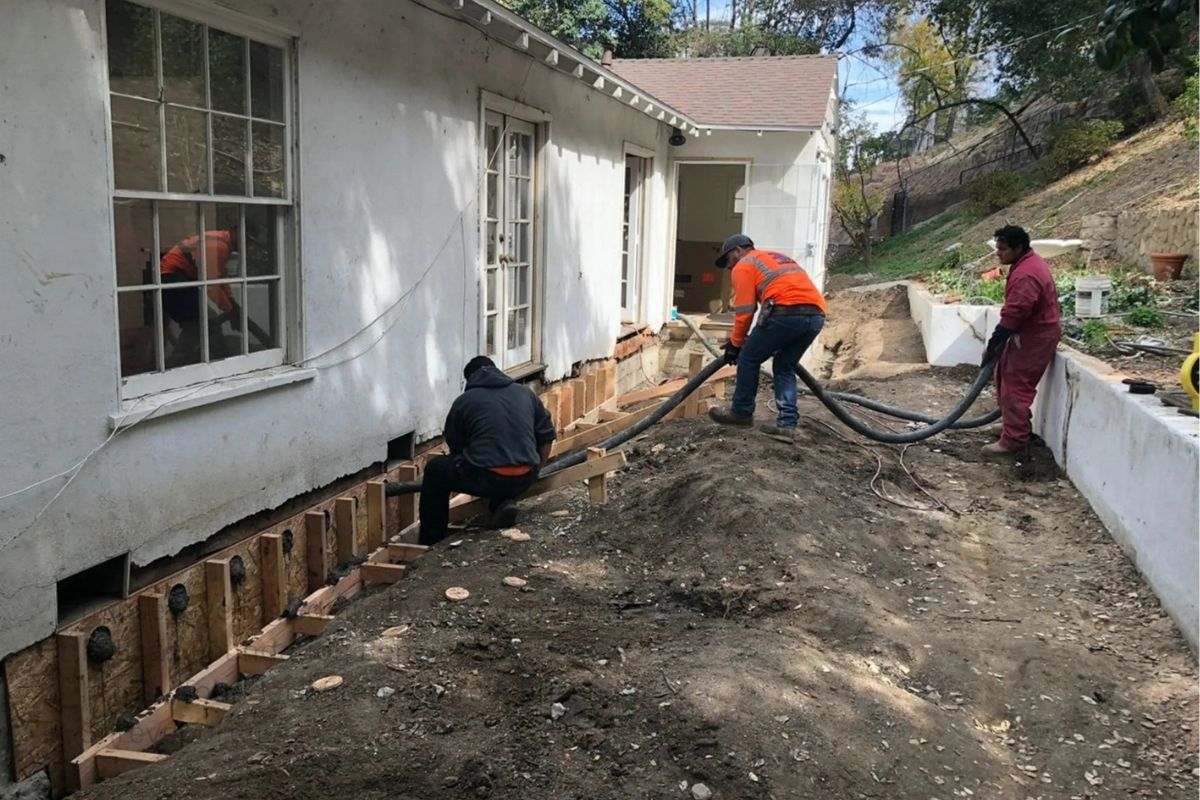
Concrete leveling lifts a settled slab by injecting material underneath it — expanding polyurethane foam or a cement-based slurry — filling the voids where soil washed out or shrank away, then raising the concrete back to grade. Two things about that process interact with the season.
First, the materials cure. Foam expands and hardens through a chemical reaction that runs best in moderate temperatures; extreme heat can make it expand too aggressively, and cold slows it down. Slurry — the mud in mudjacking — is a cement mixture, and like all cement it cures best when it is not baking or freezing. Louisiana rarely freezes hard, so cold is seldom the issue here; heat is the one to watch.
Second, the soil. Leveling fills a void, but the void exists because the soil moved, and the soil is still moving with the seasons. Injecting foam into bone-dry, shrunken August clay means the lift is calibrated to the soil’s smallest state; when the rains return and the clay swells, the slab can end up slightly high. Doing the work when soil moisture is near its average — the fall sweet spot — sets the slab at a level the soil can live with year-round.
Neither factor is a dealbreaker in the off months. Good contractors adjust mix, timing, and technique to the conditions. But when you have the luxury of choosing, the calendar helps.
Louisiana’s Seasons, Honestly Assessed
Here is the year at a glance for the Shreveport area, with the leveling verdict for each:
| Season | Conditions | Leveling Verdict |
|---|---|---|
| Fall (Oct–Nov) | Mild 60s–70s, soil moisture stabilizing after summer, drier weeks | Best. Steady soil, ideal cure temperatures, comfortable working conditions. |
| Spring (Mar–May) | Mild temps, but the wettest season; frequent storms, saturated ground | Second best. Great temperatures, but schedule around rain and standing water. |
| Summer (Jun–Sep) | 90s with high humidity, afternoon thunderstorms, shrunken dry clay by August | Workable. Heat affects cure and scheduling; soil at its driest extreme. |
| Winter (Dec–Feb) | Mild 40s–50s, periodic cold fronts with heavy rain, occasional freeze | Workable. Rare freeze risk; watch for saturated ground after front passages. |
The National Weather Service in Shreveport publishes the climate normals behind this table — the pattern is consistent year after year: wet springs, hot dry late summers, mild winters punctuated by rain-making fronts.
Fall: The Sweet Spot
October and November are the months contractors in northwest Louisiana quietly recommend when a homeowner asks about timing. The brutal heat has broken, daytime highs sit in the comfortable 60s and 70s, and the soil has settled into something close to its average moisture state — recovered from the summer bake but not yet saturated by winter fronts. That middle ground is exactly what you want under a slab being releveled.
The practical advantages stack up. Foam and slurry both cure in their ideal temperature window, so the lift is predictable and the set is clean. Crews work efficiently in mild weather instead of racing afternoon thunderstorms or starting at dawn to beat the heat. And scheduling is sane: fall is busy, because everyone who waited out summer books now, but it is not the emergency season — plan two to three weeks out and you will get your pick of dates.
One tip: get the work done before the holiday stretch — late November into December fills up on both sides. If your slab settled over the summer, when shrunken clay leaves voids under driveways from Youree Drive to Benton and Haughton, fall is the natural time to fix it.
Spring: Second Best, With One Catch
Spring has the same mild temperatures as fall, which the materials love. The catch is water. March through May is the wettest stretch of the Shreveport year — slow-moving storm systems, saturated ground, standing water in low spots. Leveling can absolutely be done in spring, but the crew needs dry-enough conditions to work, and standing water over the work area is a no-go.
The smart spring approach is scheduling flexibility. Book the job, but expect the date might slide a few days around a storm system. A good contractor watches the forecast and tells you honestly when the ground is too wet — that honesty is a feature, not a flaw, because injecting foam under a slab sitting in pooled water is not a recipe for a lasting lift. On the plus side, spring scheduling is usually wide open before the summer rush, and you will enjoy the fixed slab all summer long.
Spring is also the season when drainage problems reveal themselves. If your slab settled because water pools against it every April, fix the drainage first or alongside the leveling — otherwise you are lifting a slab that will settle again by next spring. That sequencing advice holds in every season, but spring makes the water impossible to ignore.
Summer: Hot, Workable, Not Ideal
Summer leveling happens all the time — nobody with a tripping hazard on the front walk waits three months for October. It works, with caveats. The heat is the main one: polyurethane foam expands more aggressively in high heat, which a skilled crew compensates for, but it narrows the margin for error. Slurry cures fast in the heat, which is fine for the material but means the crew works fast too. Most summer jobs start early in the day, both for the materials and for the humans.
The soil is the subtler issue. By August, Shreveport clay has shrunk to its annual minimum — when voids under slabs are biggest and settling looks worst. Lifting to grade over maximally shrunken soil means the slab may ride slightly high when fall rains swell the clay again. Good crews account for this, but it is one more variable fall scheduling avoids.
Then there are the thunderstorms: fast, violent, and daily. A pop-up storm in the middle of a foam injection is a mess nobody wants. Summer jobs need weather watching and sometimes a second visit. None of this means “do not level in summer” — it means hire a crew that knows summer, and understand why fall would have been easier.
Winter: Mild but Watch the Rain
Louisiana winters are gentle by national standards — daytime highs in the 40s and 50s, freezes that come and go in a night or two. For concrete leveling, that means temperature is rarely a problem. The materials cure fine, the crews are comfortable, and scheduling is the easiest of the year since demand dips after the holidays.
The winter variable is the same as spring’s, just less intense: rain. Cold fronts sweep through every week or two, and each one can drop an inch or more on already-damp ground. Saturated soil is workable up to a point, but standing water over the slab is not, and a crew that shows up, looks at a flooded work area, and reschedules is a crew you should keep. The LSU AgCenter notes how slowly our heavy clay drains after winter fronts — give the ground a few dry days after a big system before the work happens.
The one true winter caution is the occasional hard freeze. Fresh slurry should not freeze before it cures, so a reputable contractor simply will not schedule mudjacking in the 48 hours around a predicted hard freeze. Foam is less sensitive. In practice, this affects a handful of days per winter, not the season.
What Matters More Than the Calendar
Here is the honest bottom line: the season is a tiebreaker, not the decision. Three things matter more, in order:
- Fix the water first. If poor drainage caused the settling — downspouts dumping at the slab edge, grading that slopes toward the driveway, a low spot that ponds every storm — leveling without drainage correction is temporary. Water will wash out new fill or re-shrink the clay, and the slab will settle again. Every season. Fix drainage with or before the lift.
- Judge the ground, not the month. A dry week in March beats a soaked week in October. The conditions on the actual work days — no standing water, soil neither soupy nor bone-dry — matter more than which page of the calendar you are on.
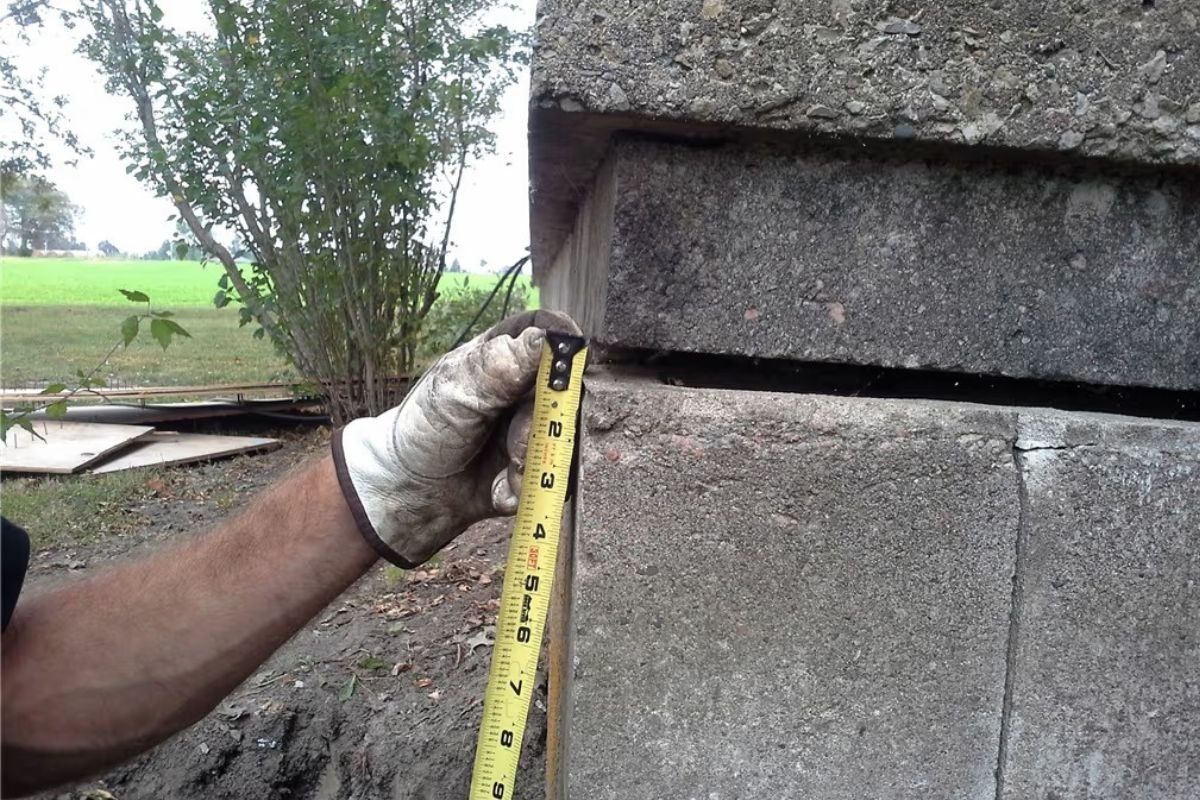
- Do not wait on a hazard. A slab that has heaved an inch and a half across a walkway is a fall waiting to happen, and liability does not pause for ideal soil moisture. Safety and trip hazards outrank seasonal optimization every time.
And one scheduling reality: the best crews book out. If you want fall — the sweet spot — call in late summer. If you are reading this in July with a sinking patio, do not suffer through two more months for perfect conditions; a good contractor handles summer fine. Start with a free inspection and an honest read of your soil and drainage: Pelican Foundation Repair, Monday through Saturday, 8:00 AM to 6:00 PM. Our concrete leveling services cover foam injection and mudjacking across Shreveport, Bossier City, and the surrounding parishes, and our guides to whether concrete leveling is worth it and seasonal foundation maintenance in Louisiana will help you plan the rest of the year around it.
Frequently Asked Questions
What is the best season for concrete leveling?
Fall — October through November — is ideal in Louisiana, with spring a close second. Soil moisture is steadiest and temperatures are mild enough for foam and slurry to cure properly. That said, leveling works year-round with the right adjustments.
Can concrete leveling be done in summer?
Yes. Summer jobs are common, but heat makes foam expand more aggressively and afternoon thunderstorms can interrupt the work. Experienced crews start early and watch the weather. It works — fall is just easier.
Can you level concrete in winter in Louisiana?
Yes. Our mild winters rarely interfere with curing. The main winter concern is saturated ground after cold-front rains, and the occasional hard freeze — a good contractor will not schedule mudjacking right around a freeze.
Does rain affect concrete leveling?
Standing water over the work area does — the job should wait for it to drain. Damp soil is generally fine. This is why spring scheduling needs flexibility and why drainage correction should come first or alongside the lift.
Should I fix drainage before concrete leveling?
Yes, if drainage caused the settling. Leveling a slab while downspouts still dump water at its edge or grading still slopes toward it means the slab will likely settle again. Fix the water, then lift the slab.
How long does concrete leveling last?
A properly done lift with the underlying cause addressed typically lasts many years — often a decade or more. Lifts done over uncorrected drainage or on still-moving soil have shorter lives. The cause matters more than the method.
Is fall really better, or is that just contractor marketing?
It is genuinely the most favorable window: moderate temperatures for curing, soil moisture near its annual average, and fewer storm interruptions. But the difference between fall and other seasons is modest — a good crew in July beats a bad crew in October.
How far ahead should I schedule concrete leveling?
Two to three weeks in fall, when demand peaks. In winter and mid-summer, a week is often enough. If the slab is a trip hazard, call now regardless of season — safety outranks the calendar.
Pelican Foundation Repair
6118 Fairfield Ave, Shreveport, LA 71106, USA
318-585-2003
https://foundationrepairshreveport.com/