 Skip to main content

How to Choose a Concrete Leveling Contractor in Shreveport, LA
Choosing the right concrete leveling contractor in Shreveport takes more than picking the lowest quote. Ask about methods, local soil experience, written warranties, and know the red flags.
How do you choose the best concrete leveling in Shreveport, LA? Get three written quotes from contractors experienced in local clay soil, ask whether mudjacking or foam fits your slab and why, confirm insurance and a written warranty, and never sign a same-day-expiring deal.
A sunk driveway apron, a tilting sidewalk panel, a patio that ponds after every storm — concrete settles in Shreveport the way mosquitoes show up in June: reliably. Most settled slabs do not need tearing out: concrete leveling lifts them back for a fraction of replacement cost, usually in a single day.
The bad news: the difference between a great leveling job and a wasted check comes down entirely to the contractor. The equipment looks simple, but a good lift depends on reading the slab — voids, soil failure, lift limits. A contractor who rushes that diagnosis pumps material in blind, leaving you with a slab that is higher, still hollow, and settling again within a year.
Mudjacking vs. Foam Leveling: Why the Method Matters
Every leveling job comes down to two methods, and a good contractor should be fluent in both — even if they only offer one. Here is the plain-English version of each.
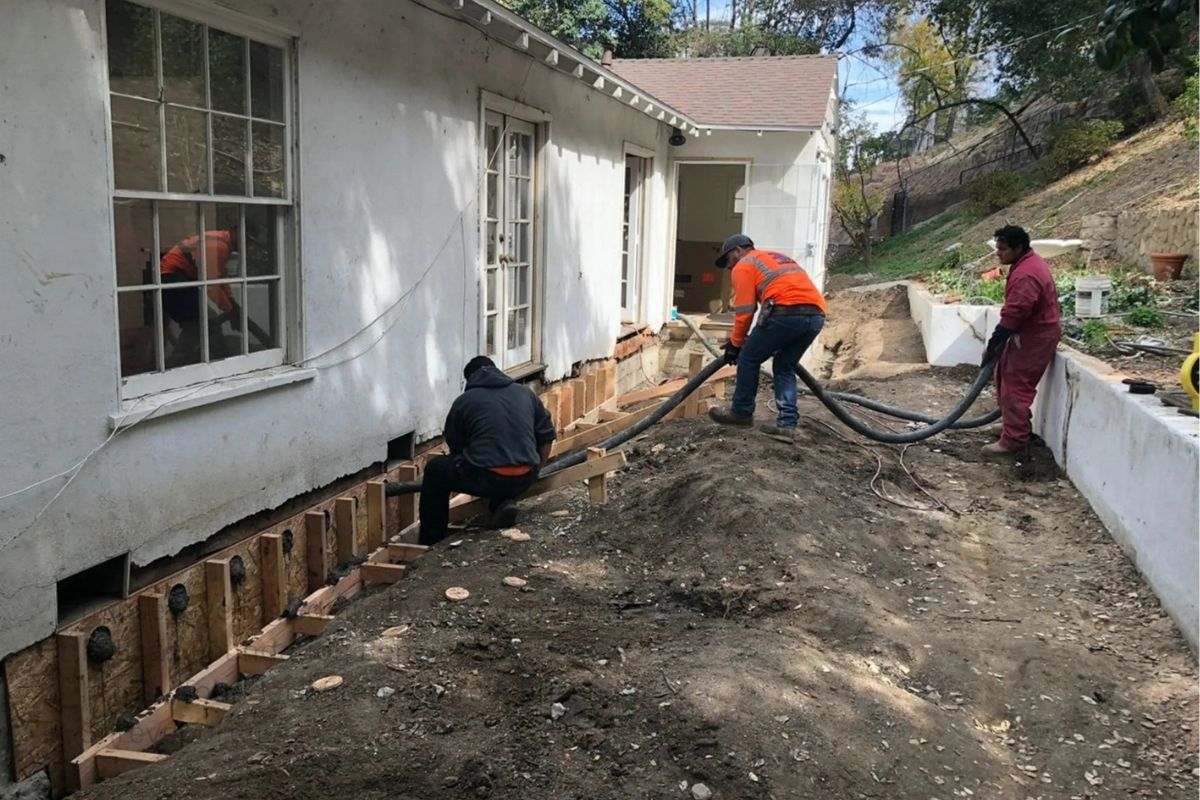
Mudjacking (also called slabjacking) pumps a sand-and-cement slurry under the slab through holes about an inch and a half to two inches wide, and hydraulic pressure lifts the concrete. The material is cheap, and on big, thick slabs it is often the economical choice. The downsides: the slurry weighs around 100 pounds per cubic foot — a real problem on the soft, saturated soils common near the Red River — and it needs hours to cure before the slab takes full load.
Polyurethane foam leveling injects a two-part foam that expands under the slab through holes barely five-eighths of an inch wide — about the size of a dime. The foam weighs two to four pounds per cubic foot and cures in about fifteen minutes, giving the operator fine control over the lift. The trade-off is cost: foam jobs usually price higher. On Shreveport clay, the light weight is often worth it — you are not adding another ton of load to soil that already failed once.
| Factor | Mudjacking | Polyurethane Foam |
|---|---|---|
| Drill hole size | 1.5–2 inches | About 5/8 inch |
| Material weight | ~100 lbs per cubic foot | 2–4 lbs per cubic foot |
| Cure time | Several hours to a day | About 15 minutes |
| Typical residential cost | $500–$2,500 | $1,000–$4,000 |
| Best for | Large thick slabs, stable dry soil | Driveways, sidewalks, patios, soft soil |
Here is the vetting trick: ask each bidder, “What would make you recommend the other method for my slab?” A contractor who only owns mudjacking equipment will recommend mudjacking — fine, as long as they can explain when foam would be better and why your job is not that case. The American Concrete Institute publishes the standards behind both approaches, and a pro should talk through the trade-offs without dodging. A blank stare tells you what you need to know.
Our concrete leveling services cover both approaches, matched to the slab and the soil underneath — because the right method is a diagnosis, not a habit.
The Questions to Ask Every Contractor Before You Sign
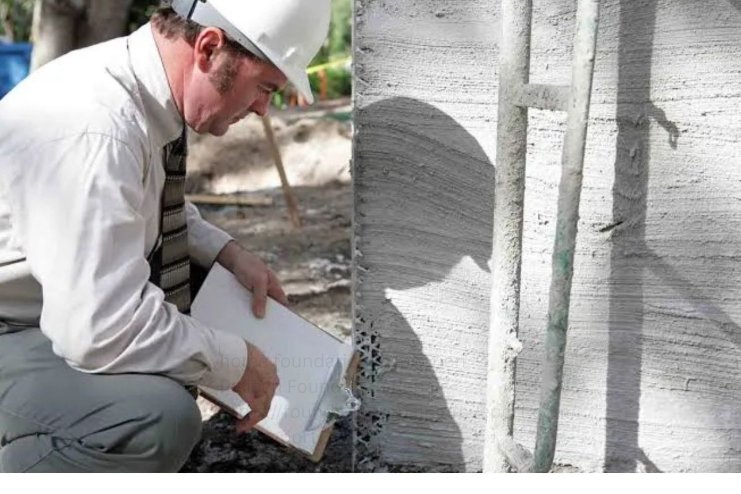
Treat the estimate visit like a job interview. A good contractor welcomes these questions; a shaky one rushes past them:
- How long have you been leveling concrete in northwest Louisiana? Shreveport’s expansive clay has quirks — seasonal shrink-swell, high water tables, floodplain soils — that a local crew has seen a hundred times.
- Which method are you recommending, and why is it right for my slab specifically? Listen for specifics on your slab. Vague answers mean a vague diagnosis.
- Will you put the quote in writing with the method named? A written quote that names the method, the approximate material quantity, and the lift target keeps everyone honest.
- Are you insured — general liability and workers’ compensation — and can I see proof? You want their policy paying if something goes wrong on your property, not yours.
- How is the price calculated? Flat per project, per square foot, or per pound of material pumped? Per-pound pricing can balloon on a slab with big voids; know which model you are signing.
- What does the warranty cover, how long is it, and is it in writing? Get the exclusions too — they matter more than the headline number.
- What happens if the slab settles again in a year? Look for a clear process: re-inspection terms and what triggers a charge versus warranty work.
- Who does the actual work — your crew or a subcontractor? Subs are not automatically bad, but you should know who is showing up and who stands behind the work.
- Can you show me photos of a similar job nearby? A contractor proud of their work has a phone full of before-and-afters.
One more that separates the pros from the order-takers: “What is causing my slab to settle, and does anything else need fixing first?” Leveling a driveway without fixing the broken downspout or leaking water line that washed out the soil is pouring money into a hole — literally. For bigger structural decisions, our guide to choosing a foundation repair contractor in Shreveport covers the same vetting logic.
Red Flags That Mean You Should Keep Looking
Shreveport gets its share of traveling crews, especially after storm season. Most are honest. Some are not. Walk away when you see these:
- Door-to-door with “leftover material” from a job down the street. Real contractors schedule work; they do not discount it at your front door.
- “Today only” pricing that expires tonight. High-pressure deadlines exist to stop you from getting a second quote — a real price is good next week too.
- Demands full payment before work starts. A 10 to 30 percent deposit is normal; 100 percent upfront removes your only leverage.
- Cash only, no written quote, no business address. If you cannot find them after the check clears, you have your answer.
- A quote given over the phone without anyone seeing the slab. Nobody can price voids they have not measured — phone quotes become change orders.
- Cannot explain the method or why it fits. “We just pump it up” is not an explanation. You are hiring judgment, not a hose.
- No warranty in writing — or a warranty with no exclusions listed. A warranty that covers everything will not be honored. Honest warranties name their limits.
- Tells you drainage does not matter. In a city where thunderstorms can drop two inches in an hour, anyone who waves off water management has not worked here long.
Trust the pattern, not any single flag. One awkward answer might be a bad communicator who does good work. Three or four together is a business model — and not one that ends well for you.
Warranties, Pricing, and the Fine Print
In Shreveport, straightforward mudjacking typically runs $500 to $2,500 depending on slab area and drop; foam on the same job usually lands between $1,000 and $4,000, or $5 to $15 per square foot. Quotes far below these bands deserve a hard look: the savings come from fewer injection points, less material, or no warranty.
Two to five years is the common warranty range here. What matters more than the number is the fine print: honest warranties spell out exclusions — new plumbing leaks, drainage changes, tree removal, extreme flooding. Read exclusions as a to-do list; they name exactly what would undo the repair. Also check whether warranty service means a free re-lift or a discounted one.
A typical honest schedule is a modest deposit to hold the date, with the balance due on completion after you have walked the finished work. Walk every section, check the patched holes, and confirm water runs off the slab instead of pooling. We offer free inspections and a 20-year structural warranty on qualifying repairs, with every term in writing before work begins — the standard you should hold any contractor to, including us.
For a deeper breakdown of what drives leveling costs up or down, see our post on concrete leveling cost in Shreveport, LA.

The Shreveport Factor: Clay Soil, Humidity, and Flooding
A contractor from Dallas can own the same pump as a Shreveport crew. What they do not own is ten summers of watching local soil. Northwest Louisiana sits on expansive clay that shrinks hard in the August heat — opening gaps under slabs — then swells with the wet spring pattern. That shrink-swell cycle drives most settled concrete here, from Broadmoor and South Highlands to Cedar Grove and the Youree Drive corridor, ZIP codes 71105, 71106, 71115, and 71118.
Add the water picture: thunderstorms that overwhelm gutters, high water tables in low-lying areas, and Red River floodplain soils that stay soft long after the river drops. Newer subdivisions on fill dirt settle as the fill compacts. Big water oaks drink hundreds of gallons a day in summer, drying soil unevenly under one slab corner. The LSU AgCenter documents how Louisiana clay moves with moisture — any contractor here should explain that cycle plainly.
Your estimate visit should include drainage questions: downspout discharge points, pooling against the slab, any water-bill spike. A contractor who never asks about water has not diagnosed your problem — they have priced a pump truck visit. Leveling without fixing the water issue is a repair with a built-in expiration date.
Comparing Quotes Without Getting Played
Three quotes in hand, all different — now what? The goal is not to pick the middle price and hope. It is to make the quotes comparable, because they are usually not quoting the same job. Run each through this checklist:
- Is the method named? “Concrete leveling” is not a method. Mudjacking or polyurethane foam — written down — is.
- Does it describe the drilling pattern and injection-point spacing?
- Is there a lift target? “Raise the driveway to match the garage floor elevation” beats “level as needed.”
- Are warranty terms written out, exclusions included? This is where cheap quotes hide their cost.
- Is the price fixed or an estimate? Per-pound material pricing should come with a cap or a not-to-exceed number.
- What are the timeline and cleanup terms? Start date, duration, who patches holes and hauls debris.
When one quote comes in 40 percent under the others, do not celebrate — investigate. The discount lives in fewer injection points, thinner material coverage, or a warranty that evaporates on reading. Ask the cheap bidder to match the detailed scope of the thorough bidder and watch the price converge — which tells you the first number was never real.
Finally, check the business: a physical Louisiana address, a working phone answered by a person, and reviews mentioning specific neighborhoods or job types rather than generic five-star fluff. Then start with a free inspection from Pelican Foundation Repair, Monday through Saturday, 8:00 AM to 6:00 PM — elevation readings, a written findings report, and a fixed quote with the method named. That is what every contractor on your list should offer.
Frequently Asked Questions
How much does concrete leveling cost in Shreveport, LA?
Residential mudjacking typically runs $500 to $2,500; foam $1,000 to $4,000 ($5 to $15 per square foot). Cost depends on the drop, area, and method.
Is mudjacking or foam leveling better for a driveway?
For most Shreveport driveways, foam wins: far lighter on weak clay, tiny holes, fifteen-minute cure. Mudjacking can be the better value on very large slabs over stable, dry soil.
How long does concrete leveling last?
A proper lift on stable soil lasts many years, often a decade-plus. Fix the drainage and water issue alongside the lift and the repair holds.
Can leveling fix a cracked slab, or does it need replacing?
Leveling fixes elevation, not cracks. Hairline cracks can be lifted and sealed; a slab broken into pieces usually needs replacement.
Should I fix drainage before leveling my concrete?
Yes, or at the same time — leveling without fixing the drainage that washed out the soil means the slab settles again.
How do I know if a concrete leveling contractor is legitimate?
Look for a physical Louisiana address, verifiable liability and workers’ comp insurance, written quotes naming the method, and a written warranty with stated exclusions. Avoid door-to-door offers, cash-only deals, and same-day-expiring prices.
Will the work tear up my yard or landscaping?
Very little. Crews drill directly in the slab and work from the surface, so digging is minimal and nearby beds and lawns are generally untouched.
What kind of warranty should I expect on concrete leveling?
Two to five years is typical. Confirm whether warranty service means a free re-lift or a discounted one — get it in writing first.
Pelican Foundation Repair
6118 Fairfield Ave, Shreveport, LA 71106, USA
318-585-2003
https://foundationrepairshreveport.com/