Cold Weather and Your Foundation: What Shreveport’s First Cold Snap Does to Clay Soil
Shreveport’s first cold snap is here, and it does more than chill the air. Cold, dry weather shrinks clay soil, opens gaps, and tests pipes, crawl spaces, and slabs.
Cold weather shrinks the clay under Shreveport homes, so the first cold snap often opens small gaps beside the foundation, makes doors stick differently, and widens cracks that were stable all summer. Most of it is seasonal and harmless, but a crack that keeps growing, a bowing wall, or a leaking pipe needs a expert inspection before winter settles in.
The cold front that moved through the ArkLaTex on November 3 brought storms and heavy rain first, then cooler, drier air. Overnight lows are now dipping into the 40s and 50s across Shreveport, Bossier City, and the surrounding parishes, after weeks of warm, humid weather in the 70s and 80s. That swing is exactly the kind of change that moves expansive clay soil.
This post explains what the cold does to the ground under your house, what to check in the days after a cold snap, and how to tell the difference between a seasonal crack and a real problem. It is written for the weather we have just had, not for a forecast, and the advice holds for every cold snap that follows this winter.
Why a Cold Snap Hits Shreveport Foundations Differently
In most of the country, cold weather means frozen ground, and frozen ground is the problem. In Shreveport, the ground rarely freezes deep, and the problem is different: it is the drying. A cold front in northwest Louisiana usually arrives with dry air, and dry air pulls moisture out of the top layers of clay soil. The clay contracts, the ground drops a little, and the foundation loses some of the support it had during the wet, humid weeks before.
The swing is what matters, not the absolute temperature. A house that sat on swollen, wet clay through a warm, rainy October suddenly sits on shrinking clay in November, and the change happens fast, over days rather than months. One corner may sit over soil that dried quickly in the sun and wind, while another sits over shaded soil that stayed damp, so the house moves unevenly. That uneven movement is what opens gaps and cracks, and it is why the first cold snap is such a useful moment to look at your foundation with fresh eyes.
The clay itself is the same expansive soil that causes trouble all year, and our guide to Shreveport’s expansive clay soil explains the shrink-swell cycle in full. In cold weather the cycle runs in one direction, drying and shrinking, and the signs show up quickly: a gap between the soil and the foundation wall, a door that sticks when it swung freely a month ago, a crack that looks a little wider than you remember.
What to Check After the First Cold Snap
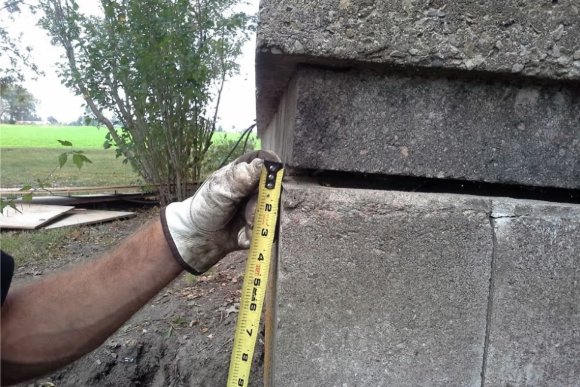
A good post-cold-snap check takes about twenty minutes and needs no tools beyond a phone camera and a pencil. Start outside and walk the full perimeter, looking at the ground where it meets the foundation. In dry, cold weather, the clay often pulls away from the concrete, leaving a visible gap. A thin gap, less than a finger wide, is normal seasonal shrinkage. A wide gap, or one that runs along a whole wall, is worth photographing and watching.
Then look at the walls themselves. Check brick veneer for stair-step cracks and foundation walls for vertical cracks, and compare what you see with any photos you took in the summer. Mark the ends of any crack with a pencil and write the date beside it, so the next check tells you whether the crack is growing or stable. Inside, open and close every door and window, and note any that stick now but did not a month ago. Walk the floors slowly and feel for new slopes, and look for fresh gaps where walls meet ceilings or floors.
- Walk the perimeter and look for soil pulling away from the foundation wall.
- Photograph every crack with a coin for scale and mark the ends with a pencil and date.
- Test every door and window, and note any that stick now but did not last month.
- Check for gaps where walls meet ceilings, floors, and window frames.
- Look in the crawl space or at the slab edge for new moisture, debris, or daylight.
- Check exposed pipes, hose bibs, and outdoor faucets for drips or freeze damage.
For a fuller version of this routine, see our post on checking your foundation after heavy rain, and our guide to foundation movement in wet and dry weather in Shreveport. The two checks belong together, because a house in this climate moves in both directions, and the pattern across a whole year tells you far more than any single day.
Cold, Dry Air and Your Crawl Space
Pier-and-beam homes have a part that slab homes do not, and cold weather treats it differently: the crawl space. When cool, dry air moves under a house, it changes the moisture balance down there. A crawl space that stayed damp through a humid autumn may dry out and shrink the soil under the piers, which can settle a beam a fraction of an inch and make a floor slope or a door bind. A crawl space with poor drainage may hold cold, damp air that feeds mold on joists and subflooring, and the musty smell can reach the rooms above through the stack effect, the natural movement of air upward through a house.
The practical steps are simple and worth doing before the cold settles in. Check that crawl space vents are clear and working, look for standing water or damp soil under the house, and make sure insulation and ductwork are intact. If the crawl space smells musty or the floors above feel cold and damp, the problem is usually moisture and air movement, not the cold itself, and encapsulation or ventilation work can fix it. Our post on crawl space ventilation versus sealed crawl spaces explains the trade-offs in detail.
Pipes, Slabs, and Freeze Risk in Northwest Louisiana
Hard freezes are rare in Shreveport, but they do happen, and a single cold night can do real damage to exposed pipes. Pipes in unheated crawl spaces, along exterior walls, and at outdoor hose bibs are the most exposed, and a burst pipe under a slab or in a crawl space can leak water into the soil for days before anyone notices. That water swells the clay, speeds up the movement cycle, and can turn a small foundation problem into a much larger one.
The prevention is cheap and worth doing now: disconnect garden hoses, cover outdoor faucets, insulate exposed pipes in the crawl space and along exterior walls, and know where the main water shutoff is before you need it. During a hard freeze, letting a faucet drip on an exposed line and opening cabinet doors under sinks on exterior walls can keep water moving and pipes from freezing. If a pipe does burst, shut the water off first, then call for help, and remember that the foundation should be checked afterward, because the leaked water has changed the soil under the house.
| Cold-weather risk | What happens | What to do |
|---|---|---|
| Clay shrinkage | Soil pulls away from the foundation; cracks widen | Photograph and measure cracks; water soil evenly in long dry spells |
| Sticking doors and windows | Frame racks as one side of the house moves | Note which doors and when; track across the season |
| Exposed pipe freeze | Pipe bursts; water leaks into soil and swells clay | Insulate pipes, cover bibs, know the shutoff location |
| Crawl space moisture | Cold damp air feeds mold and weakens wood | Check vents and drainage; do not enter standing water |
| Slab edge gaps | Soil drops away from the slab edge | Watch for widening; get elevation readings if it grows |
When a Cold-Snap Crack Is Cosmetic and When It Is Not
Most cracks that appear or widen after a cold snap are seasonal, and the way to tell is measurement over time, not a single look. A thin, vertical crack in a wall that has not changed in years, a hairline crack in drywall at a door corner, or a gap that opens in dry weather and closes when the rain returns are usually the house breathing with the soil. For those, monitoring is the right answer: mark, photograph, and recheck after the next wet spell.
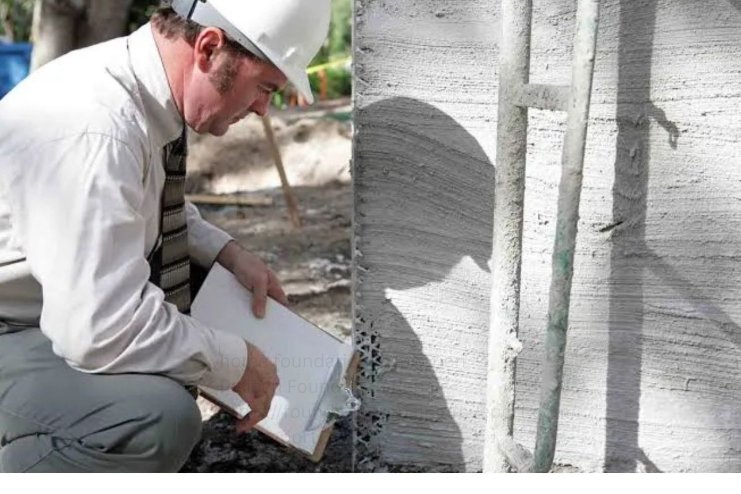
The cracks that need a prompt inspection are the ones that break the pattern. A crack wide enough to fit a pencil into, a crack that grows between checks, a wall that bows inward, a floor that has dropped noticeably in one area, or a door or window that suddenly will not open at all are all signs that the movement has gone beyond seasonal. Sudden change is the key word: a house that moves gradually for years and then jumps has had something change underneath it. Our guide to cosmetic cracks versus structural cracks gives the full comparison, and a expert inspection with elevation readings settles the question with numbers instead of worry.
Getting Your Foundation Ready for Winter
Winter in Shreveport is short and usually mild, but it still rewards a little preparation, and the work is the same water control that protects a house all year. Clean the gutters and check the downspouts so winter rain runs away from the house instead of pooling at the foundation. Check the grading around the house, especially on the sides where water stood after the November storms, and add soil where it has settled low. Walk the perimeter once more after the first hard cold night, and compare the cracks and gaps with the photos you took after the cold snap.
Inside, keep the soil moisture steady rather than letting it swing. If a long dry spell sets in, water the foundation soil evenly with soaker hoses on a timer, the same as in summer, because dry winter air can shrink clay just as surely as a summer drought. Keep an eye on the crawl space, keep pipes protected, and keep the dated photo log going through the winter, so that when spring arrives you have a full year of readings instead of a single worried memory. For the seasonal routine in full, see our post on seasonal foundation maintenance in Louisiana, and the National Weather Service and LSU AgCenter resources on northwest Louisiana weather and soil.
- Clean gutters and downspouts so winter rain runs away from the house.
- Re-grade low spots where water stood after the November storms.
- Disconnect hoses, cover outdoor faucets, and insulate exposed pipes.
- Check the crawl space for water, mold, and damaged insulation.
- Keep watering foundation soil evenly if a dry spell sets in.
- Photograph cracks and gaps after each cold snap and keep the dated log.
Frequently Asked Questions
Does cold weather damage foundations in Shreveport?
It can, but not by freezing the ground the way it does up north. In Shreveport, cold weather damages foundations mainly by drying and shrinking the clay soil, which pulls away from the foundation and opens gaps and cracks. The swing from wet and warm to cool and dry is what moves the house.
Should I worry about cracks that appear after a cold snap?
Not always. Many cold-snap cracks are seasonal and stable, opening in dry weather and closing when the rain returns. Worry when a crack keeps growing between checks, is wide enough to fit a pencil into, or comes with a bowing wall, a dropping floor, or a door that suddenly will not open.
Why do my doors stick more in cold weather?
Because the clay under one part of the house dries and shrinks faster than under another, so the frame racks slightly and the door binds. If the same doors stick every cold season and free up in wet weather, the cause is usually seasonal soil movement.
Can cold weather freeze pipes under my house?
Yes, in a hard freeze, especially pipes in unheated crawl spaces and along exterior walls. A burst pipe can leak water into the soil for days, swelling the clay and speeding up foundation movement, so insulate exposed pipes and know where the main shutoff is.
Should I water my foundation soil in winter?
If a long dry spell sets in, yes, evenly and on a schedule. The goal is steady moisture, not flooding. Dry winter air can shrink clay just as a summer drought can, so soaker hoses on a timer help keep the soil stable.
What should I check in my crawl space after a cold snap?
Look for standing water, damp soil, mold on joists, and damaged insulation or ductwork, and check that vents are clear. Do not enter a crawl space with standing water or touch wet electrical equipment; call a professional instead.
When should I call for a foundation inspection after cold weather?
Call promptly if you see a bowing wall, a pencil-width crack, sudden movement, water entering through a crack, or a suspected plumbing leak. A expert inspection with elevation readings tells you whether the house is stable or still moving.
Pelican Foundation Repair
6118 Fairfield Ave, Shreveport, LA 71106, USA
318-585-2003
https://foundationrepairshreveport.com/