 Skip to main content

Concrete Leveling for Driveways: Cost & Lifespan in Louisiana
A sinking Louisiana driveway can usually be lifted back into place instead of torn out. Leveling costs far less than replacement, lasts for years, and fall is the ideal season.
How much does concrete leveling for a driveway cost in Louisiana? Less than replacement—often far less. Leveling lifts your existing slabs back into place by filling the voids underneath, while replacement means demolition, haul-off, and brand-new concrete. For most settled driveways in Shreveport, leveling is the smarter money.
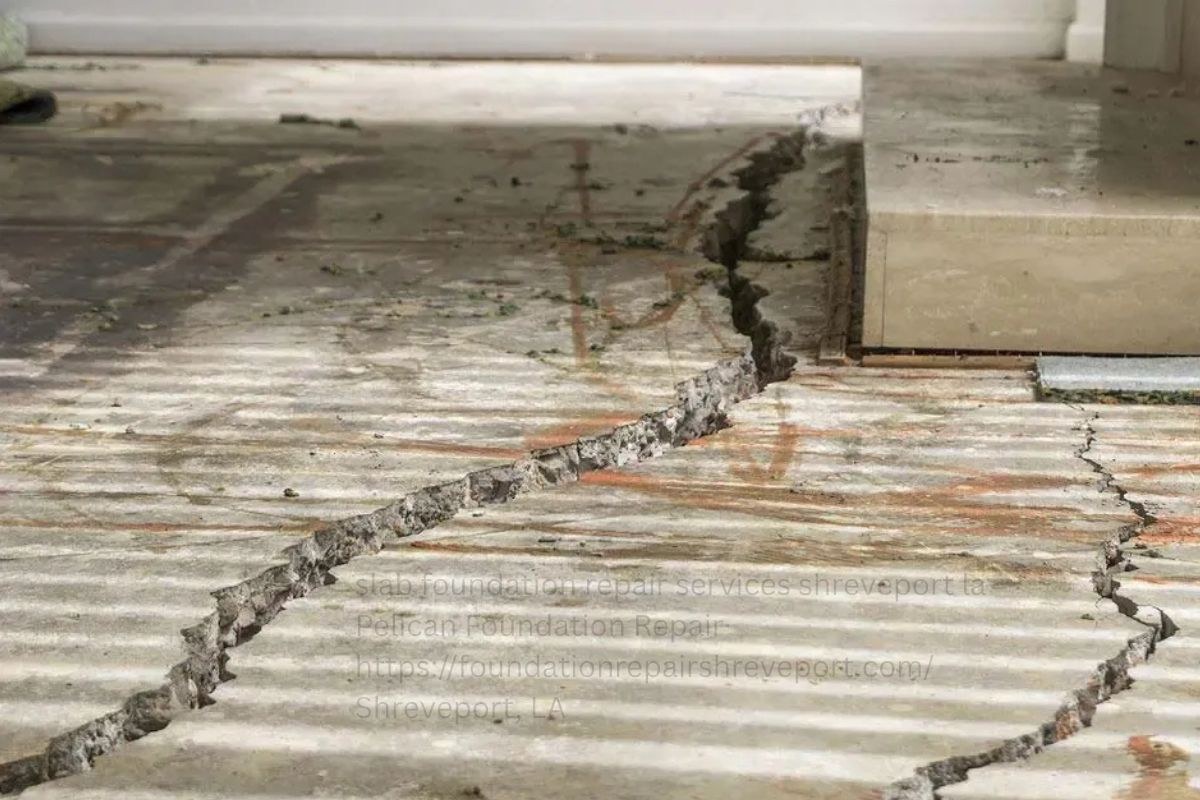
Why Shreveport Driveways Sink
Driveways do not sink because the concrete gets tired. They sink because the ground underneath them leaves. In northwest Louisiana, that happens two ways, and most driveways suffer from a mix of both.
Washout: When Rain Steals Your Support
Our heavy rain seasons move a lot of water, and water moving under a driveway carries soil with it. Downspouts that dump next to the driveway, poor grading, and the sheer volume of a Gulf thunderstorm all push water beneath the slabs. Over time, voids open up under the concrete. The slab looks fine until one day it doesn’t—then it drops into the empty space.
You see this a lot along the edges of driveways in neighborhoods like Broadmoor and South Highlands, where mature trees and decades of landscaping have reshaped drainage. The telltale sign is a slab that has dropped on one side while the middle still sits high, or water pooling where it used to run off.
Shrink-Swell: The Clay Cycle
The second culprit is our expansive clay soil. It swells when soaked and shrinks when dry, and Louisiana’s drought-then-deluge cycles work it like a pump. During a dry summer, the clay under your driveway contracts and pulls away, leaving gaps. When the rains return, it swells back—but rarely evenly, and rarely all the way.
From the 71106 ZIP around our Fairfield Avenue office out to 71118, Haughton, and across into Bossier Parish, this cycle repeats every year. Each cycle moves slabs a little. After enough seasons, you get the classic stepped driveway, with each section sitting at its own height.
Mudjacking vs Polyurethane Foam for Driveways
Both methods do the same basic job: fill the voids under your driveway and lift the slabs back to level. They differ in material, precision, and how they behave in our soil.
Mudjacking: The Tried-and-True Slurry
Mudjacking pumps a slurry of cement, soil, and water through drilled holes under the slab. The slurry fills voids and hydraulically lifts the concrete. It has been around for decades, it handles large voids well, and the material is inexpensive.
The trade-offs: the slurry is heavy, which matters on soft Louisiana soil—you are adding weight to ground that already struggles. The drilled holes are larger (about the size of a soda can), cure time runs a day or two before you should drive on it, and the lift is a bit less precise.
Polyurethane Foam: The Lightweight Precision Option
Polyurethane foam injection—often called polyjacking—pumps a two-part foam under the slab that expands, fills every void, and lifts the concrete. The foam is remarkably light, cures in minutes, and the injection holes are tiny, about the size of a dime.
For driveways, those traits matter. The lightweight foam does not burden soft clay soil. The fast cure means you can drive on the driveway the same day. And the precision lets a technician fine-tune each slab to within a fraction of an inch. It is the method we reach for most on residential driveways. You can read more about our concrete leveling services and how we approach each project.
| Factor | Mudjacking | Polyurethane Foam |
|---|---|---|
| Material weight | Heavy cement slurry | Lightweight expanding foam |
| Hole size | Large, about 2 inches | Small, about 5/8 inch |
| Cure time | 24 to 72 hours before driving | Minutes—drive on it same day |
| Lift precision | Good | Excellent, fine-tuned per slab |
| Best for | Large voids, budget-focused jobs | Driveways, precise leveling, soft soils |
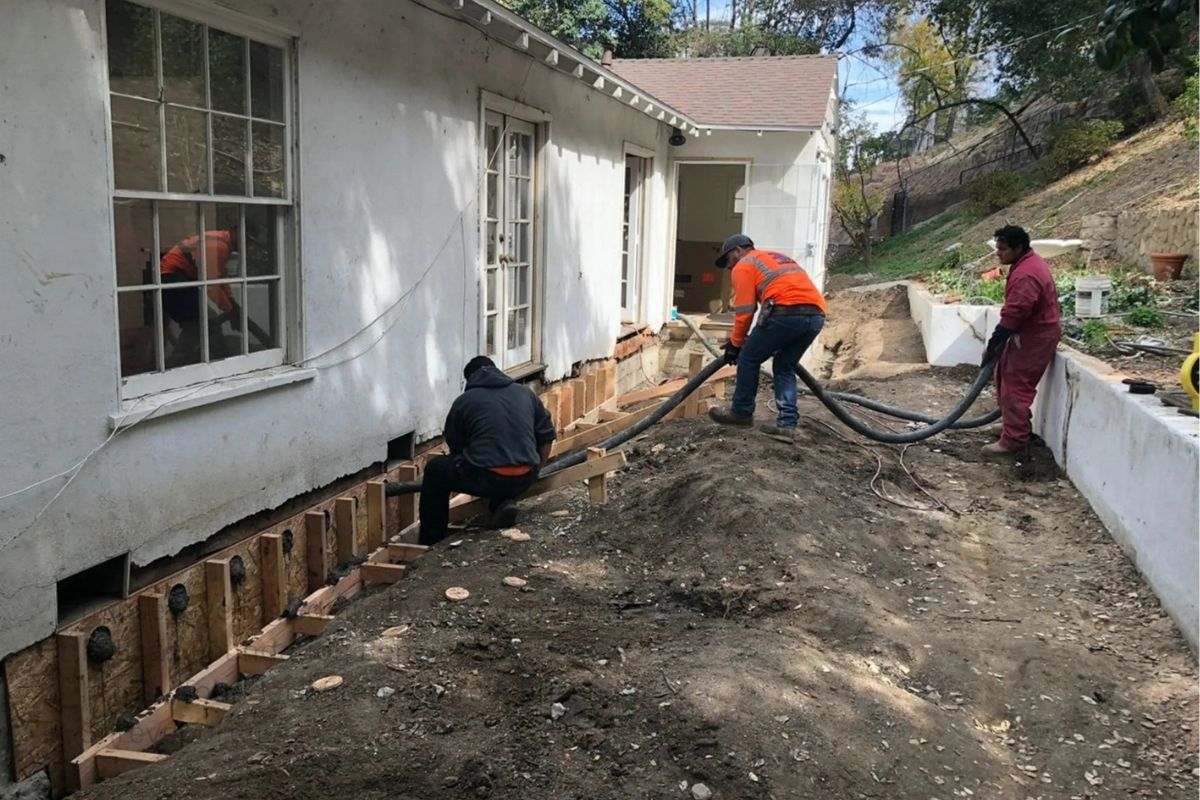
Concrete Leveling Cost in Louisiana
Let us be straight about money. Leveling a driveway costs a fraction of tearing it out and replacing it. Replacement means demolition, hauling away tons of broken concrete, forming, pouring, and waiting days before you can park on it. Leveling reuses the concrete you already own and is usually done in a few hours.
What moves the price is scope, not mystery. The number of slabs that have settled, how far they have dropped, how much void sits underneath, and which method you choose all factor in. A two-slab touch-up near the garage apron is a small job. A full driveway with every section stepped down is a bigger one.
The method matters too. Polyurethane foam typically runs more than mudjacking because the material is more advanced—but on Louisiana’s soft clay, the lightweight foam often earns that difference by not adding burden to already-tired soil. We price every project during a free inspection, so you see the real number for your driveway before deciding anything.
Leveling vs Replacement: The Real Comparison
Replacement is not just more expensive—it is more disruptive. You lose your driveway for the better part of a week, the new concrete still needs weeks to fully cure, and you have done nothing about the soil problem that sank the old slab. Without fixing drainage or voids, a brand-new driveway can start settling the same way.
Leveling, done right, addresses the cause. The foam or slurry fills the voids so there is nothing left to collapse into, and the lifted slabs sit on solid support again. Our breakdown of leveling concrete vs replacing it walks through the full comparison, and our Shreveport concrete leveling cost guide goes deeper on local pricing factors.
How Long Does Leveled Concrete Last?
A properly leveled driveway lasts for years—often as long as the concrete itself has left in it. The foam or slurry underneath does not wash out the way loose soil does, and polyurethane foam is waterproof, so it will not erode in our heavy rains.
Lifespan really comes down to two things: the condition of your concrete and whether the water problem got fixed. Slabs that are structurally sound—settled but not crumbling—take leveling beautifully and hold it. And if the downspout that washed out the soil in the first place is still dumping water in the same spot, any fix will be fighting an uphill battle.
That is why a good leveling job includes a drainage conversation. We look at where water comes from, where it goes, and what needs to change. Fix the water, fill the voids, lift the slabs—that combination is what makes the result last. The LSU AgCenter’s guidance on water-managed foundations makes the same point: keep rainwater away from the structure and drain groundwater before it causes trouble.

Why Fall Is the Smart Window for Leveling
Timing a driveway project for fall is one of the savviest moves a Louisiana homeowner can make. Here is why the season works in your favor.
First, the soil. After a long, hot summer, our clay has contracted and pulled away from slab edges—voids are at their most visible and accessible. Technicians can see exactly where support is missing and fill it completely. Come winter, when the rains return and the clay swells back, your slabs are already sitting on solid fill instead of air pockets.
Second, the weather. Fall brings drier, cooler days that are ideal for the work itself. Polyurethane foam cures fast in any weather, but mudjacking slurry sets up better without downpours, and crews can work efficiently without summer heat slowing them down.
Third, you beat the winter rains. Leveling in October or November means your driveway enters the wettest months fully supported. Slabs that would have rocked and shifted under winter rain—letting more water underneath with every storm—stay put instead. It is preventive medicine for your concrete.
If your driveway has been bugging you all summer, this is the season to act. The team at Pelican Foundation Repair runs free inspections six days a week, Monday through Saturday, 8:00 AM to 6:00 PM.
When Leveling Is Not the Answer
Honesty matters here: not every driveway should be leveled. Leveling rescues structurally sound concrete that has lost its support. It cannot rescue concrete that is falling apart on its own.
- Severely cracked or shattered slabs. If a slab is broken into pieces or crumbling, lifting it just gives you level rubble. Replacement is the call.
- Deep surface spalling. When the top layer is flaking away across large areas, the concrete itself is failing—not just its support.
- Tree root upheaval. If roots have jacked slabs upward, leveling cannot fix the root problem. The roots have to be dealt with first.
- Drainage that cannot be corrected. In rare cases the water source cannot be managed, and any leveling would be temporary.
Most driveways we see do not fall into these categories. They are good concrete sitting on bad support—exactly what leveling was invented for. A free inspection tells you which camp yours is in, with no guesswork and no sales pressure.
Frequently Asked Questions
How much does concrete leveling for a driveway cost in Louisiana?
Leveling costs a fraction of full driveway replacement. The exact price depends on how many slabs have settled, how far they have dropped, and whether you choose mudjacking or polyurethane foam. We price every driveway during a free inspection so you get a real number, not a guess.
Is mudjacking or polyurethane foam better for driveways?
For most Louisiana driveways, polyurethane foam wins. It is lightweight—important on our soft clay soil—cures in minutes so you can drive on it the same day, and allows precise leveling through tiny injection holes. Mudjacking is a solid budget option for large voids where ultimate precision matters less.
How long will my leveled driveway last?
A properly leveled driveway lasts for years, often as long as the concrete itself has left. Polyurethane foam is waterproof and will not wash out like soil. The key to longevity is fixing the drainage or water issue that caused the settlement in the first place.
Can I drive on my driveway right after leveling?
With polyurethane foam, yes—it cures in minutes and you can typically drive on it the same day. Mudjacking slurry needs 24 to 72 hours to cure before it should carry vehicle weight. Your technician will give you the exact timing for your project.
Why is fall a good time to level a driveway in Louisiana?
After summer, our clay soil has contracted and voids are fully exposed, so technicians can fill them completely. Drier fall weather is ideal for the work, and finishing before winter rains means your slabs enter the wettest months fully supported instead of rocking and shifting.
Will leveling fix a driveway that is cracked?
It depends on the cracks. Minor settlement cracks in otherwise sound slabs are fine—leveling restores support and the cracks can be sealed. But slabs that are shattered, crumbling, or severely spalled need replacement, not leveling. A free inspection tells you which situation you have.
Do I need to fix my drainage too?
Usually, yes. Leveling fills the voids, but if the downspout or grading that washed the soil out is unchanged, new voids can form over time. Addressing drainage alongside leveling is what makes the fix last, and we evaluate both during every inspection.
Pelican Foundation Repair
6118 Fairfield Ave, Shreveport, LA 71106, USA
318-585-2003
https://foundationrepairshreveport.com/