Drainage Correction in Stonewall, LA: Gutters, Grading, and French Drains
Drainage correction in Stonewall, LA moves rainwater away from your home with working gutters, proper grading, and French drains, so wet clay soil stops pushing on your foundation.
Drainage correction in Stonewall, LA means fixing how rainwater moves around your home, from the roof to the yard to the soil under the foundation. It usually starts with gutters and downspouts, then grading, then a French drain if water still collects near the house.
Stonewall sits south of Shreveport on US-171, also called Mansfield Road, in DeSoto Parish, on expansive clay soil like the rest of northwest Louisiana. That clay swells when wet and shrinks when dry, so pooled water can crack walls, stick doors, and slope floors.
What Drainage Correction Means in Stonewall, LA
Drainage correction is not one product. It is a set of fixes that work together to keep rainwater moving away from your house, which matters in Stonewall because heavy clay holds water longer than sandy soil.
Why Stonewall Clay Makes Drainage Harder
Stonewall sits in DeSoto Parish on expansive clay soil, the same shrink-swell clay that troubles foundations across northwest Louisiana. Wet clay swells against foundation walls, then shrinks as it dries and leaves gaps under the slab or around piers. One side of a house may stay damp for days while the other dries in hours.
How Water Reaches Your Foundation
Rain hits the roof first, and one roof sheds a large volume of water in a storm. If a gutter is clogged or a downspout ends beside the foundation, that water lands in one spot and soaks the clay against the wall. A low spot beside the house can also send surface water straight to the foundation.
Signs You Need Drainage Correction in Stonewall
Your house and yard usually show drainage trouble before the foundation does. The signs are easy to miss on dry days, so check after rain: walk the full perimeter, look at the crawl space entry if you have one, and note where water stands.
What to Look for After Rain in Stonewall
After a steady rain, look for puddles beside the foundation, soil washed away from the base of the house, and mulch floated out of beds. Check where each downspout ends: if water pours out beside the wall, it needs an extension. Inside, watch for baseboards pulling away and a musty smell that grows after rain.
When Drainage Trouble Means Foundation Trouble
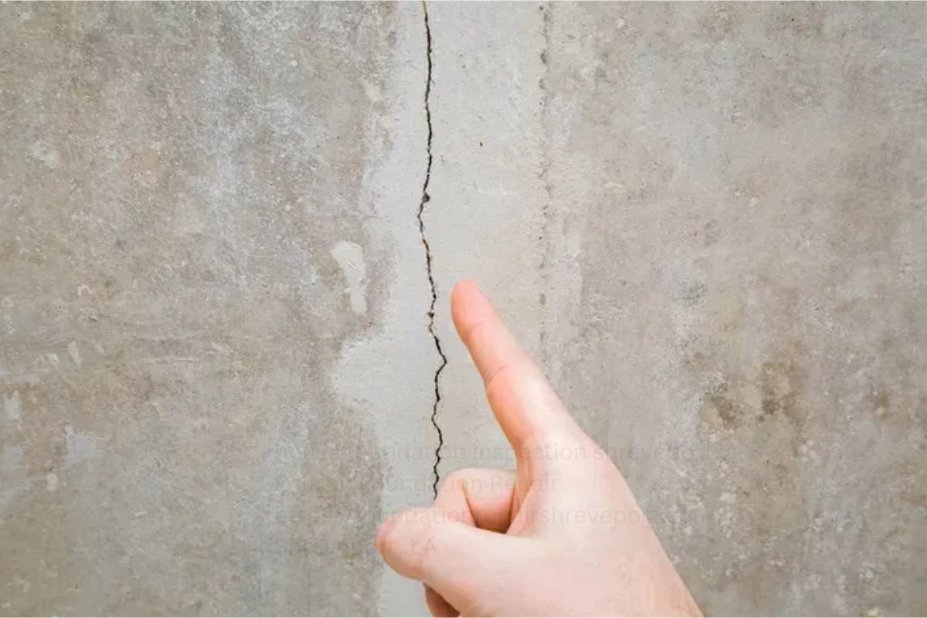
Not every puddle means a foundation repair is needed. Many homes only need the water moved, and once soil moisture evens out, small cracks stop growing and doors start working again. The line is crossed when movement keeps going: cracks widening over months, floors sloping in one direction, or a chimney pulling away. Those signs mean the foundation itself has moved, and drainage correction becomes part of the repair plan. The Federal Emergency Management Agency notes that water and soil movement are common causes of foundation trouble. See FEMA guidance on protecting your home for more.
- Water pools beside the foundation for a day or more after rain.
- Downspouts end beside the house or dump water into a clogged drain.
- Soil washes away from the base of the house, or mulch floats out of beds.
- Doors stick in the same spot after wet weather and ease off when it dries.
- Floors slope or feel uneven near an outside wall.
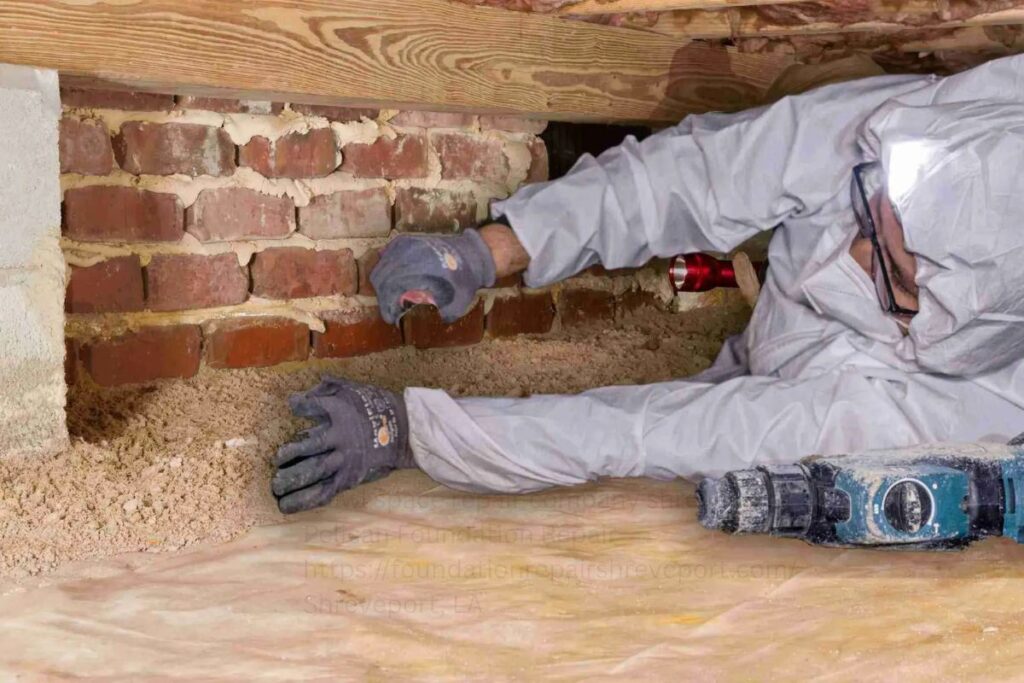
- A crawl space stays damp, smells musty, or shows mold staining on walls.
- Cracks widen over months, or a chimney pulls away from the house.
Gutters and Downspouts: The First Line of Defense
Gutters and downspouts are the cheapest drainage fix and the one homeowners skip most often. They carry roof water away before it reaches the clay beside the foundation, and when they fail, every later fix must handle water that should never have arrived. A gutter system does not need to be fancy: it needs to be clean, pitched toward the downspout, and ending far enough from the house.
Downspout Extensions and Where Water Should Go
A downspout that ends at the foundation wall does more harm than no downspout at all, because it gathers water from a whole roof section and drops it in one spot. The fix is an extension that carries water several feet away, where the ground slopes away: a simple above-ground pipe, a hinged section that folds up for mowing, or a buried pipe to a daylight outlet.
Gutter Care Through the Seasons
Northwest Louisiana weather gives gutters a hard workout. Heavy spring and summer storms drop a lot of water fast, and winter rain can keep the ground wet for weeks. In Stonewall, where many lots have large trees, gutters fill fast in fall, so a clean-out before the wet season and a check after a big storm will catch most trouble early. The National Weather Service Shreveport page tracks local rain patterns.
| Drainage part | What it does | Common Stonewall problem |
|---|---|---|
| Gutters | Catch roof water and send it to downspouts | Clogs from leaves; sagging runs |
| Downspouts and extensions | Carry roof water away from the foundation | Ends beside the house; buried lines clogged |
| Grading | Slopes the yard so surface water runs away | Flat lots, settled soil, beds against the wall |
| French drain | Collects water below the surface and moves it out | Low spots that hold water; wet crawl spaces |
| Surface drain and basin | Catches water in a low spot before it spreads | Puddles near patios, driveways, and garage doors |
Grading: Shaping the Yard So Water Runs Away
Grading is the shape of the ground around your house, and it decides where surface water goes. Good grading slopes gently away from the foundation on all sides, so rain runs to the street, a ditch, or a low part of the yard. Poor grading does the opposite, and it is common in Stonewall because soil settles over time, especially the clay fill placed when a house was built.
How to Read Your Yard Slope
You can read a yard slope without tools. After rain, note where puddles form and how long they last. Puddles right against the foundation are the priority; puddles farther out matter less, unless they drain back toward the house.
Regrading, Swales, and When to Bring in Help
Small grading fixes are often simple: add soil in a low spot beside the house, reshape a bed so it falls away from the wall, or clear a path for water past a sidewalk. Keep the soil below the siding and the top of the foundation wall. Bigger work, such as a swale, is a shallow channel that carries water across the yard to a safe outlet. It works well on larger Stonewall lots, but it needs a clear outlet or it will just move the puddle.
French Drains and Yard Drainage in Stonewall
A French drain is a buried trench filled with gravel and a perforated pipe that collects water below the surface and carries it away. It is the right fix when water collects in a low spot, when a crawl space stays damp, or when grading alone cannot move water because the yard is flat or the house sits low.
Where a French Drain Helps Most
French drains help most where water keeps coming back: a low corner that stays wet for days after rain, a side yard between two houses where water funnels through, and ground beside a damp crawl space. In Stonewall, flat ground on some larger lots can hold water in the middle of the yard, and a drain across the low spot can break that pattern.
French Drain Upkeep and Common Failures
French drains fail for a few plain reasons: the trench was not sloped right, the outlet got buried or crushed, or soil and roots clogged the gravel and pipe. A drain that worked for years and then stops often has a blocked outlet or a crushed section under a driveway. Keep the outlet clear, do not drive heavy equipment over a shallow line, and do not plant trees with strong roots over the trench. Our guide on signs of drainage problems around a foundation covers the early warnings to watch for.
Your Drainage Correction Plan: What a Visit Covers
A drainage correction visit should start with the house, not with a product. The specialist walks the roof line and gutters, the yard, and the foundation, and asks where water shows up and when. The visit should end with a plan in plain words: what to fix first, what can wait, and what the work is designed to do. For many Stonewall homes, that plan is gutter work, grading, and one drain, in that order.
What to Ask Before Work Starts
Before work starts, ask where the water will go, how the slope will be checked, and what happens if the first fix does not solve the problem. Ask what the warranty covers on qualifying repairs, and get the plan and warranty terms in writing with a written estimate after an expert inspection.
After the Work: How to Keep Drainage Working
Once the work is done, the upkeep is mostly watching. After the next few rains, walk the yard and check that water runs away from the house and the drain outlets are flowing. Clean gutters before the wet season and check downspout extensions after yard work. Recheck any crack or low spot in six months, and keep a simple record of the yard after rain.
- Fix gutters and downspouts first, then grading, then a French drain if needed.
- Name the outlet for every drain before work starts.
- Keep soil and mulch below the top of the foundation wall.
- Clean gutters before the wet season and check them after big storms.
- Walk the yard after rain and note where water stands and for how long.
- Recheck cracks and low spots in six months and book a follow-up if anything changed.
For Stonewall homeowners, the drainage correction service page lays out what Pelican checks on every visit, and the Stonewall, LA service area page covers the DeSoto Parish area Pelican serves. The Pelican Foundation Repair homepage shows the full range of services across Shreveport and northwest Louisiana. For a nearby example, see our drainage correction in Benton, LA guide, and for French drain detail, see our post on French drain installation in Shreveport, LA.
Frequently Asked Questions
How much does drainage correction cost in Stonewall, LA?
The cost depends on the size of the job, the length and depth of any drain, the grading work needed, and the condition of the gutters and downspouts. Your exact figure comes from a written estimate after an expert inspection.
What is the best drainage fix for a Stonewall home with clay soil?
There is no single best fix, because clay soil holds water and moves with moisture. Most Stonewall homes start with gutters and grading, then add a French drain if water still collects near the house or in a crawl space.
How do I know if my yard drainage is hurting my foundation?
Look for water pooling beside the house after rain, doors that stick after wet weather, floors that slope near an outside wall, and cracks that widen over months. An expert inspection can measure floor levels and map cracks to show whether water is the cause.
Can I fix yard drainage myself, or should I call a specialist?
Small jobs like cleaning gutters, adding a downspout extension, and reshaping a low bed are fair do-it-yourself work. Grading changes, French drains, and any job tied to foundation movement are best handled by a specialist who can plan the slope and the outlet.
How long does a French drain last?
A well-built French drain can last for many years when the slope is right, the outlet stays clear, and soil does not clog the gravel. The life of the drain depends on upkeep, the soil around it, and whether heavy equipment crosses the line.
Will a French drain keep my crawl space dry?
A French drain can help a great deal when outside water is the cause of a damp crawl space, by moving water away before it reaches the house. If the moisture comes from plumbing, a high water table, or poor ventilation, the drain alone will not solve it, and an inspection should check those causes too.
When should I book a drainage check in Stonewall?
Book one when water pools beside the house after rain, when a crawl space stays damp, when doors stick after wet weather, or when you see a new crack. Early action keeps a small drainage problem from turning into foundation movement.
Pelican Foundation Repair
6118 Fairfield Ave, Shreveport, LA 71106, USA
318-585-2003
https://foundationrepairshreveport.com/