El Niño Wet Winter in Louisiana: How to Prep Your Foundation Before the Rain
A very strong El Niño favors a wet Louisiana winter, so check your gutters, grading, and drains now, before December rain swells the clay under your home.
Yes, you should prep your foundation now. A very strong El Niño favors above-normal rain in Louisiana from December through February, and wet clay swells against a foundation that spent a dry fall shrinking. Clean gutters, fix grading, test drains, and book a expert inspection before the rain sets in.
Most Shreveport homes sit on expansive clay that moves with moisture. All fall, dry weather pulled water out of that clay, and the ground shrank and cracked around foundations from South Highlands to Bossier City. Now the pattern is flipping. A cold front has already crossed the ArkLaTex, and rain is back in the picture. When wet weather hits dry, shrunken clay, the soil soaks up water fast and pushes hard against slab edges, crawl space piers, and basement walls. A little prep now, while the ground is still dry enough to work on, beats a repair bill in February.
What El Niño Means for a Louisiana Winter
El Niño is a warming of the Pacific Ocean near the equator, and it shifts weather patterns across the United States. When El Niño is strong, the southern tier of the country, including Louisiana, usually sees a wetter winter. That is a tendency, not a promise, and it is worth knowing the difference.
On October 15, 2026, the NOAA Climate Prediction Center issued its seasonal outlook for winter 2026-27. The outlook calls for a very strong El Niño, with a greater than 90 percent chance it continues through the fall and winter. For Louisiana, the outlook favors above-normal precipitation from December through February. In plain terms, the odds lean wet, but no single storm or week is promised.
The pattern has already started to turn. By mid-November, the first real cold front of the season crossed the ArkLaTex, dropping highs into the 60s and lows into the 40s, with frost possible in the northern counties. Rain followed close behind it. That is the shape of an El Niño winter in northwest Louisiana: cooler air, then round after round of Gulf moisture riding in on a southern storm track.
For a foundation, a wet winter is not one big flood. It is weeks of damp soil that never fully dries between storms. The ground stays swollen, water looks for low spots, and small drainage problems that a dry fall hid suddenly matter. You can read the outlook at the NOAA Climate Prediction Center, cpc.ncep.noaa.gov, and the local forecast at the National Weather Service Shreveport office, weather.gov/shv.
Why the Drought-to-Wet Swing Is Hard on Foundations
Shreveport’s soil is expansive clay, and it is the shrink-swell kind. When it dries, it shrinks and pulls away from the foundation, opening gaps along slab edges and around piers. When it soaks up rain, it swells and presses back. A little movement is normal. The trouble starts when the swing is big and fast.
Fall 2026 gave Shreveport a long dry stretch. Lawns browned, the Red River ran low, and the clay under homes in neighborhoods like Broadmoor, South Highlands, and Shreve City pulled away from foundations. Gaps opened where soil used to hug the slab. That is not damage by itself, but it sets a trap. The first heavy rains of winter pour into those gaps, the clay drinks fast, and the swelling hits a foundation that is already stressed.
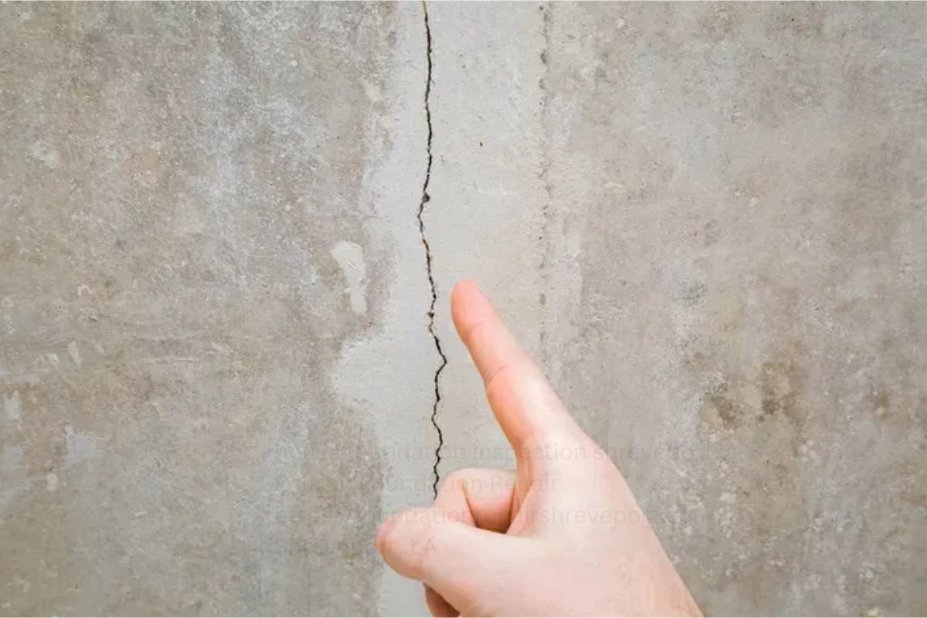
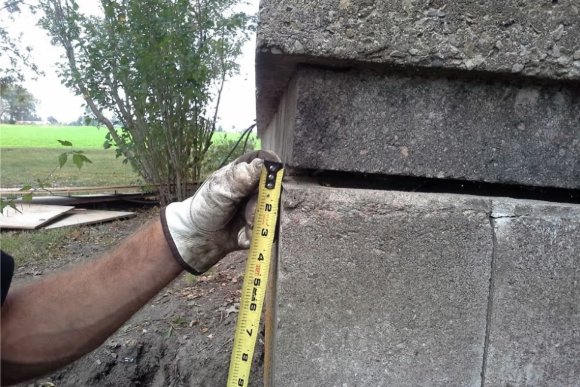
What homeowners see next depends on the house. A slab home may show new hairline cracks near doors and windows, or a crack that was thin in October looks wider by January. A pier and beam home may show doors that rub, floors that slope a little more, or damp wood under the house. Crawl spaces are the first place winter water shows up, because water pools there before it shows inside.
The fix is not to fight the clay. It is to control the water around it. Steady moisture is what a foundation wants, not a desert in October and a swamp in January. The checklist below is how you get there before December.
Your Pre-Winter Foundation Checklist
Work through this list on a dry weekend in November, before the ground turns soft. Most of it needs nothing more than a ladder, a hose, and an hour or two. Check off each item, and write down anything that looks off, so you can watch it through the winter.
- Walk the foundation: look for new cracks, wider old cracks, and gaps where soil has pulled away from the slab or piers. Measure any crack wider than a pencil line and note the date.
- Clean the gutters: scoop out leaves and test each downspout with a hose. Water should run clear and fast, not back up over the edge.
- Check the grading: soil should slope away from the house for at least 6 feet. Fill low spots near the slab with soil, not mulch, and keep mulch a few inches below the siding.
- Test the drains: run water through French drains and surface drains and watch where it comes out. A drain that backs up now will fail in a January storm.
- Check the sump pump: pour a bucket of water into the pit and make sure the pump kicks on, empties the pit, and shuts off. Clear the discharge line and check that it drains away from the house.
- Test doors and windows: open and close every door. A door that suddenly sticks or a window that will not latch can be an early sign the house has moved.
If two or more items on this list look wrong, do not wait for the rain to decide for you. A expert foundation inspection puts a trained eye on the problem while it is still small, and it costs nothing to find out whether the house is fine. Homes in the 71106 and 71111 ZIP codes, from Fairfield Avenue to the neighborhoods around Cross Lake, all sit on the same restless clay.
Gutters, Grading, and Drains: The Water Path
Water that never reaches your foundation cannot hurt it. That is the whole idea behind gutters, grading, and drains, and it is why they matter more in a wet winter than any other season. Each piece moves water one step farther from the house, and if any piece fails, the next one has to carry the load.
Start at the roof. A clogged gutter in a Louisiana winter is a waterfall aimed at your slab. Leaves from fall oaks and pines pack the trough, and a single heavy shower can send gallons over the edge in minutes. Clean gutters twice a year, and once more after the leaves drop. Downspouts should dump water at least 4 to 6 feet from the house, through an extension or a splash block, never right at the slab.
Grading is the quiet hero. The soil around your house should slope away from the walls, so rain runs off instead of pooling. In older Shreveport neighborhoods, years of settling can flip that slope, and water ends up sitting against the slab. A few wheelbarrows of soil, packed and sloped, can fix a low spot for years. Where grading alone cannot move the water, a French drain or a surface drain takes over. Our drainage correction page explains how those systems work, and our guide to a foundation check after heavy rain shows what to look for once the storm passes.
| Part of the system | What good looks like | Warning sign | Fix first |
|---|---|---|---|
| Gutters | Clear trough, fast flow | Water spills over the edge | Clean and rehang |
| Downspouts | Water lands 4-6 ft out | Pooling at the slab | Add extensions |
| Grading | Soil slopes away | Water sits by the wall | Add and pack soil |
| French drain | Drains freely after rain | Standing water, slow flow | Flush or repair |
| Sump pump | Kicks on, empties pit | Runs nonstop or silent | Test and service |
Do not forget the small stuff. A disconnected downspout, a flower bed mounded against the siding, or a sprinkler aimed at the wall can undo the rest of the system. Walk the house once after the next rain and watch where the water actually goes. That five-minute walk tells you more than any checklist can.
What to Watch All Winter
Once the rain settles in, the job changes from prep to watching. Check the house once a month through February, and after any stretch of heavy rain. You are looking for change, not perfection. A crack that stays the same all winter is a different story from one that grows.
- New cracks, or old ones getting wider, especially stair-step cracks in brick or cracks that run across the ceiling.
- Doors and windows that start sticking, or gaps that open around frames that used to fit tight.
- Floors that feel uneven, or a marble that rolls toward the same corner every time.
- Water in the crawl space, damp insulation, or a musty smell that was not there in the fall.
- Soil pulling away from the slab in a dry week, then swelling back tight after rain.
Keep a simple log. A phone photo of a crack with a coin beside it, dated once a month, shows whether the house is moving or holding steady. That record is useful to any inspector, and it keeps a small worry from turning into a guess. If you went through the dry fall with new cracks, read our post on drought foundation damage in Shreveport, and for steady moisture habits, see foundation settlement and soil watering.
One caution: do not try to fix a moving foundation with water alone. Soaking the soil on one side of the house can swell the clay unevenly and make the tilt worse. Even moisture all the way around is the goal, and if one side keeps dropping, that is a repair question, not a watering question.
When to Call for a Expert Inspection
Call us when the signs add up. One small crack is usually nothing to fear, but a crack plus a sticking door plus water in the crawl space is a pattern, and patterns deserve a professional look. A expert inspection is exactly that: a technician walks the house, measures floor levels, checks the cracks, and tells you what is moving and what is not.
The inspection is included, and there is no pressure to buy a repair. If the house is fine, we will say so. If it needs work, we will explain the options and the price ranges up front. Pelican’s published ranges are for crack repairs and to for full pier jobs, with typical pier work between . Qualifying repairs carry our 20-year structural warranty.
Book a expert foundation inspection before the wettest weeks arrive, while crews can still get under the house and around the yard easily. You can also reach us through the Pelican Foundation Repair homepage. A wet winter is coming, but a prepared foundation can take it in stride.
Frequently Asked Questions
Will El Niño really make Louisiana wetter this winter?
Probably, but not certainly. NOAA’s October 15, 2026 outlook gives a greater than 90 percent chance that a very strong El Niño lasts through the winter, and it favors above-normal rain in Louisiana from December through February. That means the odds lean wet. It does not promise rain on any given week, so prep for a wet season, not a single storm.
Why does a wet winter hurt a foundation after a dry fall?
Dry clay shrinks and pulls away from the foundation, opening gaps. When winter rain fills those gaps, the clay swells fast and pushes hard against the slab and piers. The swing from dry to wet is harder on a house than steady damp soil, because the foundation is stressed in both directions.
What should I check on my foundation before December?
Walk the foundation for new or wider cracks, clean the gutters and test the downspouts, check that soil slopes away from the house, run water through the drains, and test the sump pump with a bucket of water. Test every door and window, too. If two or more checks look wrong, book a expert inspection.
Do I need a sump pump for a wet Louisiana winter?
Not every home does. A sump pump matters if your crawl space or basement takes on water, if the yard sits low, or if past winters left standing water under the house. If the ground under your home stays dry through heavy rain, a working drain and good grading may be enough. An inspection can tell you which side of that line your house falls on.
How do I know if rain is getting under my slab?
Look for water stains on the slab edge, damp spots on floors near exterior walls, musty smells, and soil that stays wet beside the house days after rain. In a pier and beam home, check the crawl space for standing water or wet insulation. A expert inspection can confirm whether water is reaching the foundation.
Can heavy winter rain cause foundation cracks?
Rain alone rarely cracks a sound foundation, but it can widen cracks that are already there. Swelling clay presses against the slab and walls, and water finding its way into a small crack can make it grow over a season. Cracks that widen through the winter, or stair-step cracks in brick, are worth a professional look.
Is a foundation inspection included?
Yes. Pelican Foundation Repair offers expert foundation inspections in Shreveport and the surrounding areas. A technician walks the house, measures floor levels, and explains what is moving and what is not. There is no obligation to buy a repair.
Pelican Foundation Repair
6118 Fairfield Ave, Shreveport, LA 71106, USA
318-585-2003
https://foundationrepairshreveport.com/