When Is an Engineer Report Required for Foundation Repair in Louisiana?
An engineer report is a stamped letter from a licensed structural engineer, and in Louisiana you only need one in a few clear cases. Here is when it matters.
Most foundation repairs in Louisiana do not need an engineer report. You usually need one when a permit office asks for it, when a lender requires it, or when the damage is severe enough that the repair plan must be stamped by a professional engineer. For most standard pier and leveling jobs, a expert inspection is enough.
If you have been told you need an engineer report before anyone will touch your foundation, you know how confusing the question can be. One person says it is required by law, another says it is a waste of money, and the permit office hands you a form. The truth is simpler: Louisiana does not require one for every repair, but there are real situations where it is the only way forward.
This post walks through those situations one at a time, so you can tell whether your job needs a report or not. It also covers what a report contains, what it usually costs, and how to hire the right engineer. And if you already have a report in hand, the last section explains what a foundation repair company does with it.
What Is an Engineer Report, Exactly?
An engineer report is a written report prepared by a licensed professional engineer, known as a PE. The engineer visits your home, inspects the foundation, measures floor elevations, and looks at cracks and sticking doors. Then the engineer writes up the findings, names the cause, and lays out a repair plan. The report is signed and stamped with the engineer’s seal, and that stamp is what gives the document its weight.
The stamp matters because it is a professional opinion backed by a license. A contractor can measure your floors and recommend a repair. But only a licensed engineer can issue a stamped engineering report. Banks, permit offices, and courts accept it as an independent engineering opinion. A contractor’s proposal is treated as a quote for work.
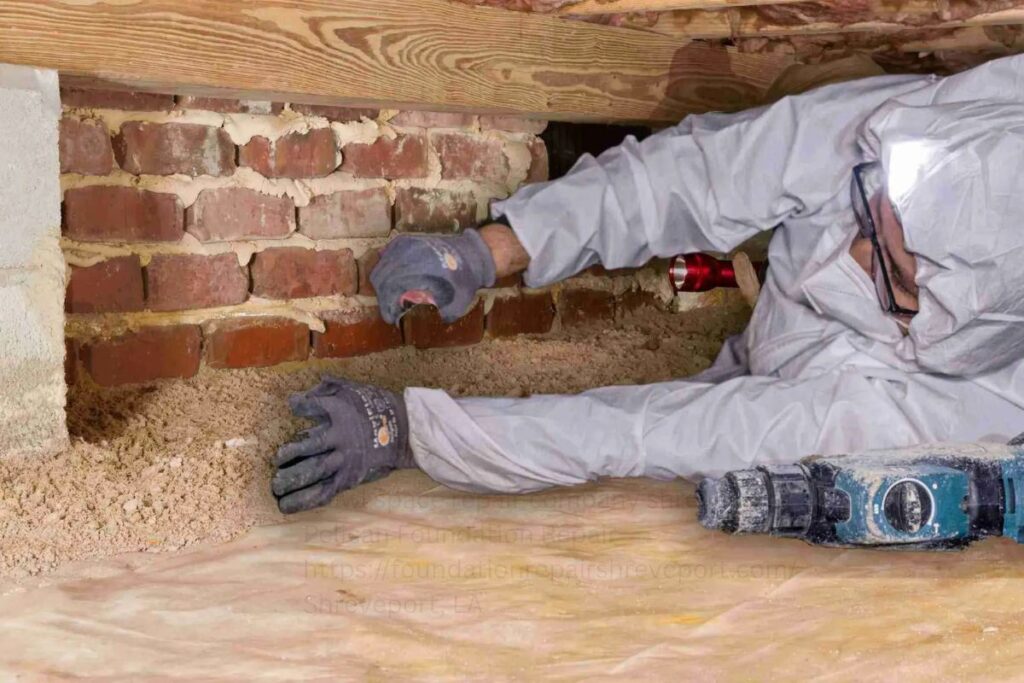
Here is what an engineer usually does during the visit:
- Measures floor elevations across the home to map where it has settled and by how much.
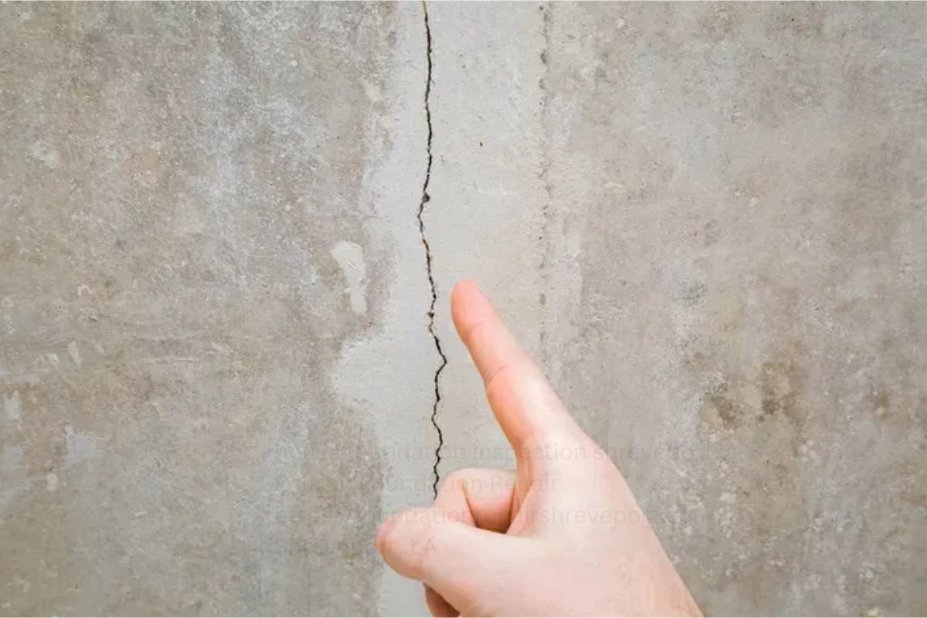
- Inspects cracks in the slab, walls, and brick veneer and notes their size, direction, and pattern.
- Checks doors, windows, and framing for signs of movement, and looks at the crawl space piers.
- Reviews grading and drainage, since water near the foundation drives much of the movement in Shreveport clay.
- Writes a report with findings, a diagnosis, and a repair plan, then signs and stamps it.
An engineer report is not the same as a foundation inspection, even though the two get mixed up a lot. A contractor’s inspection finds the problem and prices the fix. An engineer report adds a stamped, independent judgment that a lender or a permit office can rely on. We explain the difference in our post on a structural engineer vs a foundation contractor; this post sticks to when the report itself is required.
When an Engineer Report Is Usually Required
The first common trigger is a permit. Some structural repair jobs in the City of Shreveport need a building permit, and some permit applications ask for engineered plans or a stamped report. The rule is not the same for every job or parish, so ask the permit office directly what your job needs. In Caddo Parish and Bossier Parish, a straightforward pier job may not need one, while a job that changes the structure often does.
The second trigger is a lender. If you are buying or selling a home and the lender sees signs of foundation trouble, it may ask for an engineer report before it approves the loan. This comes up often with FHA and VA loans, and with any sale where the appraisal flags foundation damage. The lender wants an independent engineer to say the home is sound or spell out the repair plan. Our post on how to read a foundation inspection report can help you understand the paperwork a lender is looking at.
The third trigger is severe structural damage. When a wall is bowing, a slab has dropped several inches, or a home has shifted enough that the repair plan is a design problem, a contractor’s standard approach may not be enough. The repair needs an engineered design, and only a licensed engineer can provide it. The Deep Foundations Institute publishes guidance on deep foundation methods like piers, the kind of engineered work these jobs often involve.
Insurance claims and disputes are the fourth trigger. If you are filing a claim for foundation damage, or you are in a dispute with a seller, a builder, or an insurer over who caused it and who should pay, an independent engineer report gives both sides a documented set of facts. It records elevations, crack measurements, and a cause under a professional seal, which is much harder to argue with than one side’s word.
New construction rounds out the list. A builder putting up a new home on Shreveport’s expansive clay may need an engineer to design the foundation system before the first concrete is poured. That is a different job from repairing an existing home, but it is the same kind of document.
When You Usually Do Not Need One
Most foundation work in Shreveport, Bossier City, and the surrounding parishes goes ahead without an engineer report, and that is normal. A standard pier job, a house leveling, or a slab repair on a home with typical settlement is work a licensed foundation repair contractor does every day. The contractor measures the elevations, finds the cause, and proposes the repair.
Most homeowners who call us are in the same spot. A crack in the brick veneer in Broadmoor, a sloping floor in South Highlands, or a sticking door in Highland usually points to the same thing: Shreveport clay swelling and shrinking with the seasons. A expert inspection measures the house and tells you whether piers, leveling, or a drainage fix is the answer. For a job like that, a report would add cost and delay without changing the repair.
| Situation | Engineer report needed? | Why |
|---|---|---|
| Standard pier or leveling job | Usually no | The contractor’s evaluation covers it |
| Permit application for structural work | Sometimes | The permit office may ask for engineered plans |
| Buying or selling with a lender involved | Often yes | The lender wants an independent stamped opinion |
| Severe structural damage | Often yes | The repair plan itself needs an engineered design |
| Insurance claim or dispute | Often yes | Both sides need documented, sealed facts |
| Hairline crack, no other signs | No | Watch and measure it; a report would not change anything |
If you are not sure which side of the line your home falls on, a expert inspection is the right first step. It gives you measurements and a plain-language explanation of what is happening, and if the job needs an engineer, we will tell you before any work starts. Our foundation inspection service covers the whole house, and our post on what to expect during a foundation inspection walks you through the visit.
What the Report Contains and What It Costs
A typical engineer report runs several pages. It opens with what the engineer observed: crack locations and sizes, floor elevation readings, and drainage notes. Then it gives a diagnosis, naming the cause of the movement in plain terms, often the shrink-swell cycle of the clay under the home. Then it lays out the repair plan, which may call for piers in named locations, a leveling target, or a drainage fix, with simple drawings showing where the work goes.
The homeowner usually hires the engineer directly and pays for the report. The engineer works for you, not for the contractor, and the report is yours to share with a lender, a permit office, or an insurer. The cost is typically a few hundred dollars, depending on the size and scope of the home, with larger homes and more complex damage taking more of the engineer’s time. The price varies by firm and job, and no single number fits every home.
Turnaround is usually quick. Most homeowners get the written report within a week or two of the visit. If a lender or a closing date is pressing, tell the engineer up front. When the report arrives, read the diagnosis and the repair plan first, then the measurements. If anything is unclear, call the engineer and ask, because the report is written for you.
How to Pick a Louisiana Licensed Engineer
Start with the license. In Louisiana, a professional engineer must be licensed by the Louisiana Professional Engineering and Land Surveying Board (LAPELS). Ask for a license number and check it before you hire anyone. A real engineer will give it to you without a pause.
Next, ask for the stamp and the written report in the quote. The whole point of hiring an engineer is the stamped written report, so make sure the quoted price includes the site visit, the measurements, and the written report, not just a verbal opinion. Get the scope in writing: what the engineer will inspect and when you will receive the report.
Experience with local homes matters too. Shreveport clay, the older pier-and-beam homes in Highland and South Highlands, and the slab homes in newer Bossier City neighborhoods each behave differently, and a local engineer will spot the patterns faster. Before you hire, ask:
- How many residential foundation reports have you done in Caddo or Bossier Parish?
- Can I see a sample report before I hire you?
- Does the price include the visit, the measurements, and the written report?
- When will I receive the finished report?
If you are buying or selling, the Louisiana Real Estate Commission is a useful source for the rules that apply to property transactions in the state.
What Pelican Does With a Report You Already Have
If you already have an engineer report, bring it to us, and we will work from it. The report’s repair plan becomes the starting point, and we follow the engineer’s design for pier placement, leveling targets, and drainage work. When the report is clear, the job often moves faster, because the measurements and the plan are already settled.
We do not provide engineering services, and we do not employ engineers. That line matters, and we keep it clear. Our work is the repair itself: installing piers, leveling the home, and fixing the problems the engineer has diagnosed. If your job needs an engineer and you do not have one yet, we can point you toward licensed engineers in the Shreveport area, and a expert inspection can help you decide whether you need one at all.
One more thing a report does not change: our warranty. Qualifying repairs carry a 20-year structural warranty, whether the job started from an engineer report or from our expert inspection. If you are in ZIP codes 71106, 71105, 71104, or 71111, or anywhere in Shreveport, Bossier City, Caddo Parish, or Bossier Parish, call us and we will talk through your report. Our structural repair service covers the repair side of the job, and you can always reach us through the Pelican Foundation Repair homepage.
Frequently Asked Questions
Do I need an engineer report to get a foundation repair permit in Shreveport?
Sometimes. It depends on the job and on what the City of Shreveport permit office asks for. A standard pier job often does not need one, while structural work that changes the home usually does. Ask the permit office about your job before you start, and a expert inspection can help you describe the work clearly when you ask.
Will my mortgage lender require an engineer report?
Often, yes, when the lender knows about foundation damage. Lenders, and FHA and VA loan programs in particular, may ask for a stamped engineer report before they approve the loan. The report gives the lender an independent opinion that the home is sound or that a clear repair plan exists.
How much does an engineer report cost in Louisiana?
Typically a few hundred dollars, depending on the size and scope of the home. Larger homes and more complex damage take more of the engineer’s time. The homeowner usually hires the engineer directly, and the price should include the site visit, the measurements, and the written stamped report.
Can a foundation repair company write an engineer report?
No. Only a licensed professional engineer can issue a stamped engineer report. A foundation repair company can inspect your home, measure the floors, and propose a repair, but that is a contractor’s evaluation, not an engineering report. Pelican does not provide engineering services or employ engineers, but we work from reports homeowners already have.
What is the difference between an engineer report and a foundation inspection report?
A foundation inspection report is a contractor’s record of what was found during an inspection, with measurements and a repair proposal. An engineer report adds a licensed engineer’s diagnosis and a stamped repair plan that lenders, permit offices, and insurers accept as an independent engineering opinion.
How long does it take to get an engineer report?
Most homeowners receive the written report within a week or two of the site visit, sometimes faster for a simple home. If a lender or a closing date is pressing, tell the engineer up front, and read the diagnosis and repair plan first when the report arrives.
I already have an engineer report. What happens next?
Bring it to us and we will work from it. The report’s repair plan becomes the starting point for the job, and we follow the engineer’s design for pier placement, leveling targets, and drainage work. Qualifying repairs carry a 20-year structural warranty, whether the job started from a report or from our expert inspection.
Pelican Foundation Repair
6118 Fairfield Ave, Shreveport, LA 71106, USA
318-585-2003
https://foundationrepairshreveport.com/