Foundation Inspection in Blanchard, LA: What It Covers and When to Book One
A foundation inspection in Blanchard, LA checks elevation, cracks, piers, and drainage, then gives you a plain written report and a clear next step for your home.
A foundation inspection in Blanchard, LA is a hands-on check of your home’s foundation, and it covers floor elevation readings, crack mapping, pier and beam checks, and drainage around the house. You get a written report that explains what moved, why it moved, and what to do next, plus a written estimate if repairs are needed.
Blanchard sits just north of Shreveport on US-71 in Caddo Parish, and most homes here in ZIP 71009 rest on the same expansive clay that moves foundations across North Louisiana. Older homes near town are often pier and beam, while newer subdivisions off North Market Street are mostly slab.
What a Foundation Inspection in Blanchard, LA Actually Covers
A good foundation inspection in Blanchard, LA is more than a quick walk around the house. It is a room-by-room check inside, a look under the house, and a walk around the outside, all tied together by measurements.
Floor Elevation Readings
The heart of the inspection is the elevation survey. The inspector takes floor height readings on a grid through the house and marks the high and low spots. The result is a simple map of your floors that shows how far each area has dropped from the highest point, often in fractions of an inch. Ask for a copy of the elevation map. It turns talk about your foundation into numbers, and it is what any repair plan is based on.
Crack Mapping Inside and Outside
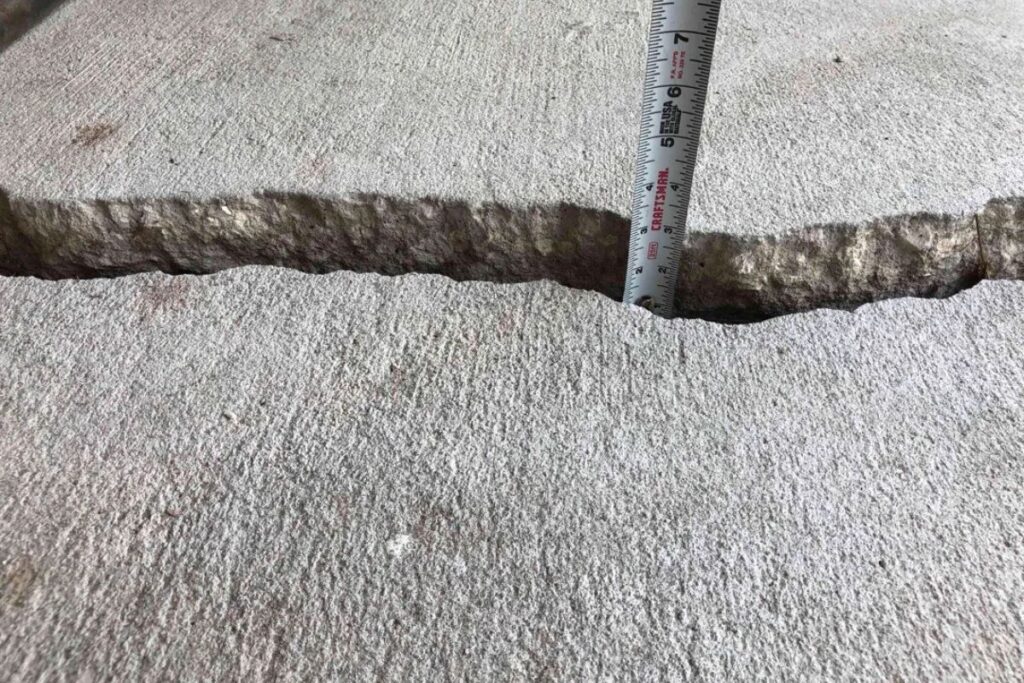
Next comes crack mapping. The inspector notes every crack inside and outside the house, measures its width, and records where it runs. A hairline crack that has stayed the same width for years is usually a shrinkage crack, and it is often no cause for alarm. A diagonal crack across a wall or a stair-step crack through the brick mortar means something different. What matters most is whether a crack is active. A crack that has not changed in months is stable. A crack that has grown is still moving, and that is what needs attention.
Pier and Beam and Crawl Space Checks
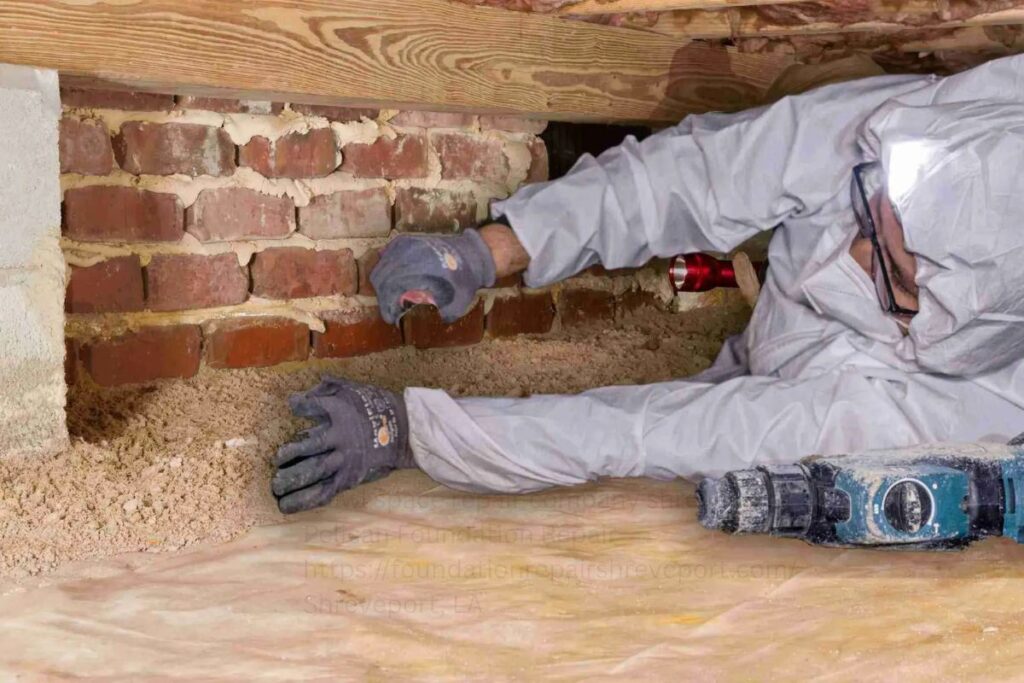
Many Blanchard homes are pier and beam, so the crawl space gets its own part of the inspection. The inspector looks at the piers themselves, brick, concrete, or wood, and checks whether any have tilted, cracked, or sunk into the soil. The beams and joists above them get checked for sagging, rot, and moisture damage. The inspector also looks for standing water under the house, which feeds both rot and settlement. On slab homes, the inspector checks the exposed slab edge and the garage floor, where the slab is often visible.
Drainage and Water Around the House
The last part of the inspection looks at water, because water is what moves Blanchard clay. The inspector walks the yard and checks whether the ground slopes away from the house or toward it, whether gutters are clear, downspouts run water away from the house, and low spots hold water after rain. A downspout that dumps beside the house keeps one stretch of clay swollen while the rest dries, a classic cause of uneven settlement.
Why Blanchard Homes Need Foundation Inspections
Blanchard sits on Gulf Coast sedimentary clay, and that clay is why inspections matter here. Expansive clay swells when wet and shrinks when dry, and North Louisiana gives it plenty of both. Spring rains soak the ground for weeks, then summer heat bakes the top layer dry. Each cycle moves the soil, and the foundation rides along, almost never evenly. The National Weather Service Shreveport page tracks the wet and dry spells that drive this cycle across Caddo Parish.
The way a house moves depends on which side dries fastest. The south and west sides of a Blanchard home take the most sun, so they dry first and sink first. A big oak drinks water from the soil in a dry spell and drops the ground under one section. A gutter that dumps roof water at one corner keeps that stretch swollen while the rest dries. Each of these creates differential settlement, one part of the house sinking more than the rest, and an inspection catches that uneven movement early. USDA soil survey maps show this expansive clay across Caddo Parish.
When to Book a Foundation Inspection in Blanchard
Most homeowners book an inspection after something changes, and that is the right instinct. But some of the best times to book one are before anything looks wrong, when the fix is still small. Here are the moments that call for a foundation inspection in Blanchard, LA.
- Buying a home in Blanchard. A pre-purchase inspection tells you what you are actually buying before you sign. With Blanchard’s mix of older pier-and-beam homes and newer slabs, the foundation is the one thing you cannot judge from a walk-through.
- Selling your home. An inspection before you list lets you fix small problems on your terms instead of finding them during a buyer’s inspection.
- A new crack appears, or an old one grows. A crack that was a hairline last year and is now wide enough to fit a coin into is active, and active cracks deserve a look.
- Doors or windows start sticking. A door that used to swing free and now rubs the frame is a classic sign that the foundation under that wall has moved.
- After a long wet spell or a dry summer. The weeks after a heavy rain season or at the end of a hot, dry summer are good times to check the foundation.
If you recognize two or three of these at once, do not wait. The report tells you whether you can relax or need to act. For a closer look at one of the most common follow-on jobs, see our foundation inspection guide for Minden, LA.
What Your Foundation Inspection Report Contains
The report is the real product of the inspection, so know what a good one looks like. A useful report explains what was found in plain language, shows the measurements, and lays out the next step. It should not leave you guessing about what happens next.
| Report section | What it tells you | Why it matters |
|---|---|---|
| Elevation map | Floor height readings room by room, with high and low spots marked | Shows how far the foundation has moved |
| Crack log | Each crack listed with its location, width, and direction | Separates stable cracks from active ones |
| Pier and beam notes | Condition of piers, beams, and joists, plus moisture under the house | Shows whether the supports still carry the house |
| Drainage findings | Grading, gutters, downspouts, and low spots that hold water | Points to the water source behind the movement |
| Summary and recommendation | Plain-language verdict: monitor, repair, or get an engineer involved | Tells you what to do next |
| Written estimate | Scope of work area by area, method for each, and warranty terms | Lets you compare options and plan |
A good report also says what the inspector could not see. If the crawl space was too tight to enter in one corner, the report should say so plainly. Keep the report with your house records. For more detail on reading the document itself, see our guide to understanding your foundation inspection report.
What Happens After the Inspection
Once the report is in your hands, the next step depends on what it found. Most inspections end in one of three ways.
If the Foundation Is Stable
Many inspections end with good news. The elevation readings show only minor variation, the cracks are hairline and stable, and the piers are sound. In that case the recommendation is usually to monitor: recheck the cracks twice a year, keep the gutters clear, and book another inspection if anything changes. If a crack grows a year from now, the next inspector can compare the new readings against the old ones.
If Repairs Are Needed
When the report shows real movement, you should receive a written estimate that lists the work area by area, the method for each one, and the warranty terms on qualifying repairs. On a slab home, that may mean steel piers driven to firm soil, or foam leveling for a slab that has settled evenly. On a pier-and-beam home, it may mean shimming, replacing, or adding piers. The estimate should spell out each line separately so you can see what is structural and what is preventive, like drainage correction.
What Affects the Cost of Repairs
There is no honest figure for foundation repair before the floor is measured, so be wary of any number given over the phone. The cost depends on how much needs work, how far it has dropped, which method fits, and whether drainage or plumbing work is part of the plan. A re-shim on one section of a small home is a smaller job than a full steel pier installation around a settled slab. Your exact figure comes from a written estimate after an expert inspection.
How to Prepare for Your Blanchard Foundation Inspection
A little preparation helps the inspector do a thorough job, and it takes less than half an hour. Clear the crawl space entrance, move boxes away from the garage walls, and unlock the gates. Have old photos of a crack or a previous inspection report ready. Dated photos show whether a crack is growing.
It also helps to write down what you have noticed before the inspector arrives. Which doors stick, and when did they start? Does the floor slope in one room or across the whole house? Has water ever pooled against the foundation after rain? Your notes point the inspector to the spots that worry you most.
- Clear the crawl space entrance and the garage walls so the inspector can reach them.
- Unlock gates and move anything blocking the outside walls of the house.
- Gather old photos of cracks and any past inspection reports.
- Write down what you have noticed: sticking doors, sloping floors, new cracks.
- Ask the inspector to walk you through the elevation map before they leave.
Choosing who inspects matters too. Look for a team that works on foundations every day in North Louisiana, takes real elevation readings, and hands you a written report with a written estimate. A general home inspector flags foundation concerns, but a foundation specialist measures them. For a sense of what the visit feels like from the homeowner’s side, read our walkthrough of what to expect during a foundation inspection. For the wider view of everything Pelican does in town, see the Blanchard, LA service area page, the foundation inspection service page, and the Pelican Foundation Repair homepage.
Frequently Asked Questions
What does a foundation inspection in Blanchard, LA cover?
A foundation inspection in Blanchard, LA covers floor elevation readings, crack mapping, crawl space checks, and a drainage walk around the house. You get a written report with the elevation map and a crack log.
How long does a foundation inspection take in Blanchard?
Most take one to two hours, depending on house size and crawl space access. The inspector should walk you through the findings before leaving.
Should I get a foundation inspection before buying a home in Blanchard?
Yes. Blanchard homes sit on expansive clay, and the foundation is the one thing you cannot judge from a walk-through. A pre-purchase inspection tells you what you are buying before you sign.
How much does a foundation inspection cost in Blanchard, LA?
The cost depends on house size, foundation type, and crawl space access. Your exact figure comes from a written estimate.
What is in a foundation inspection report?
The report includes an elevation map, a crack log, notes on the piers, beams, and crawl space, drainage findings, and a plain-language summary that says whether to monitor, repair, or get an independent licensed engineer involved.
Do I need an inspection if my Blanchard home only has hairline cracks?
A thin, stable hairline crack with a level floor can often be sealed and watched, but only an inspection proves it is stable. The elevation readings show whether the floor has moved, and the crack log gives you a baseline for later.
When should I book a foundation inspection in Blanchard?
Book one when buying or selling a home, when a new crack appears or an old one grows, when doors stick or floors slope, after a long wet spell or a dry summer, or before a remodel that adds weight.
Pelican Foundation Repair
6118 Fairfield Ave, Shreveport, LA 71106, USA
318-585-2003
https://foundationrepairshreveport.com/