Historic Home Foundation Repair in Shreveport: What Old Houses Need
Old homes in Highland and South Highlands settle in their own way. Here is what makes their foundations different, what to watch for, and how repairs work.
Historic home foundation repair in Shreveport usually means fixing brick or block piers and old wood beams under a pier and beam house. Shimming and pier replacement fix most problems, and a full job runs to . Lift slowly, check for rot, and get an engineer when the movement is large.
If you live in one of Shreveport’s older neighborhoods, your house has already survived a century of Gulf humidity, heavy rain, and the slow shrink and swell of Louisiana clay. Highland, South Highlands, Broadmoor, and Queensborough are full of early 1900s homes built long before modern concrete slabs. Most sit on pier and beam foundations, and those foundations age in ways a newer home never will. This post explains what makes them different, the warning signs that matter, how repairs work, and what to check before you buy one.
What Makes an Old Home’s Foundation Different
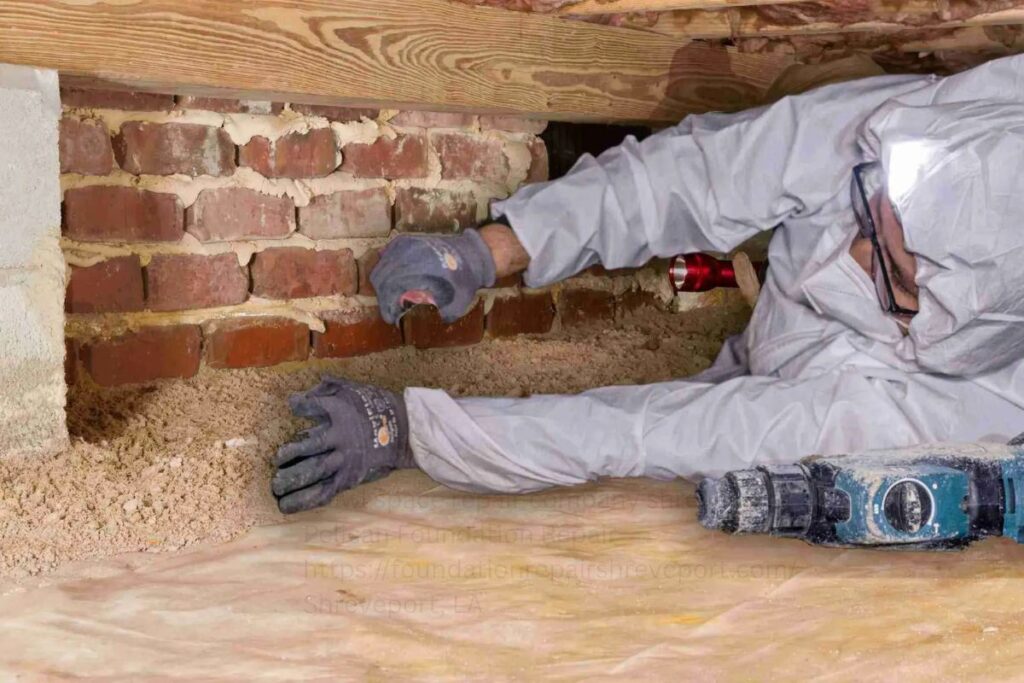
A house built in 1925 was not built like a house built in 2025, and the difference starts under the floor. Most historic homes in Shreveport sit on brick piers or concrete block piers, with heavy wood beams and floor joists spanning between them. There is no thick concrete slab under the house. The crawl space is where every repair happens, and it is also where most of the trouble starts. Brick piers were common in the early 1900s because brick was cheap and easy to stack, but after 80 or 100 years the mortar can soften, crumble, or wash away. A pier that has lost its mortar leans or sinks, and the beam above it sags.
The wood is the other half of the story. Old-growth pine and cypress beams were strong when they went in, but they have spent a century in a damp crawl space. Shreveport’s Gulf humidity keeps crawl spaces moist most of the year, and heavy spring rain can leave standing water under a house near the Red River or Cross Lake. Then there is the soil. Shreveport sits on expansive clay that swells when wet and shrinks when dry, and a foundation built in 1920 has been through that cycle thousands of times. A house in Highland at ZIP 71106 and one in South Highlands at ZIP 71105 face the same clay, but a low spot near a drainage ditch moves more than a house on higher ground in Queensborough.
Warning Signs to Watch for in a Historic Home
Old houses move, and a little movement is normal. A 100-year-old floor will never be as flat as a new one. The signs that matter are the ones getting worse, or showing up in more than one place at once. A single sticky door is usually just humidity. A sticky door plus a sloping floor plus a crack over the same window is a pattern, and patterns are what a foundation repair starts from. Inside the house, watch the floors first. If you can see a slope, or a marble rolls on its own, the floor has dropped. A floor that dips in the middle usually points to a sagging beam, while one that slopes toward a wall points to piers that settled on that side.
Cracks are the sign most people notice first, and in an old house they need a careful read. Hairline cracks in old plaster are common and usually mean nothing. What matters is a crack wider than a pencil, a stair-step crack through brick or block, or a crack that keeps growing after you mark it. A crack over a door or window that opens wider at the top than at the bottom is a classic sign that one side of the house has dropped. Outside, look at the piers themselves. A brick pier that leans, a pier with missing mortar, or a pier that has sunk below the beam it should hold are all worth a closer look.
- Floors that slope, dip, or feel bouncy underfoot.
- Doors and windows that stick all year.
- Cracks wider than a pencil, stair-step cracks, or cracks that keep growing.
- Brick piers that lean, lose mortar, or sit below the beam.
- Soft, spongy, or musty wood under the house, or old termite damage.
- Water pooling against the house after rain, or soil pulling away in a dry spell.
- Plaster cracks, a tilted chimney, or a porch pulling away from the house.
How Old Pier and Beam Homes Are Repaired
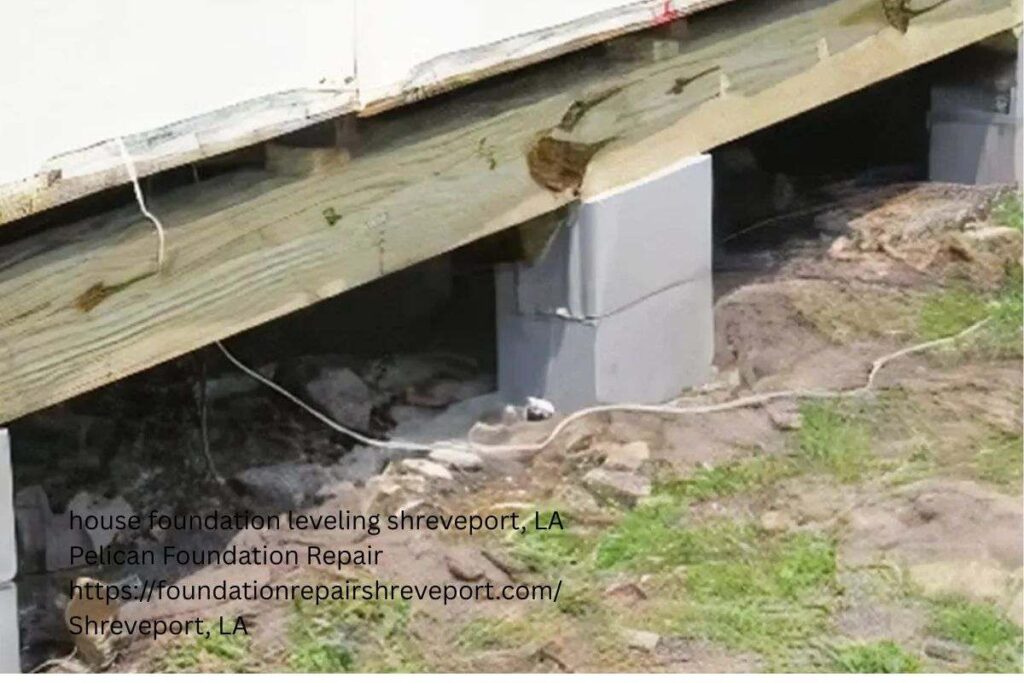
Repairing a historic home is slower and gentler than repairing a newer house, and that is by design. Most repairs start with shimming: sliding steel shims between a pier and the beam above it to take up the gap where a pier has settled. When a pier is too far gone to shim, it gets replaced. A brick pier with crumbled mortar or a block pier with a cracked footing comes out, and a new pier goes in on a fresh footing.
Sagging or rotted beams get sistered: a new beam is bolted alongside the old one so the two carry the load together. Steel supports come in when the house needs more strength than wood alone can give. Leveling is the last step, and it is where old houses need the most patience. A crew raises the house in small increments, often a quarter inch at a time, and lets the house settle between lifts. Pushing too fast cracks plaster, pops tiles, and can even break a window.
| Repair method | What it fixes | Typical old Shreveport home |
|---|---|---|
| Shimming piers | A pier that settled but is still sound | A few piers dropped slightly |
| Pier replacement | A brick or block pier that is crumbling or cracked | 1920s brick piers in Highland and South Highlands |
| Sistering beams and joists | A sagging or partly rotted beam or joist | A beam softened by crawl space moisture |
| Steel supports | Long spans or loads wood cannot carry | A heavy addition or second story |
| Slow, staged leveling | A house that has settled unevenly over decades | Lifted a quarter inch at a time |
| Drainage and moisture control | Water that keeps rotting wood and moving soil | A wet crawl space near the Red River |
Pelican’s published range for full pier jobs is to , with typical pier work between by pier count. Crack repairs run in the published range. See our pier and beam foundation repair service page and our house leveling page for more. Angi notes pier and beam foundations are easier to repair than slabs, because the crew can work in the crawl space. See Angi’s comparison at angi.com.
What Not to Do With an Old House
Old houses punish shortcuts. The most common mistake is over-lifting: raising a house too far, too fast, to make a 90-year-old floor perfectly level. Old plaster cracks, old windows break, and old brick chimneys can separate from the house when a lift goes too far. A good crew lifts to stable, not to perfect, and tells you plainly when the house has reached its safe limit. If a contractor promises to make your 1920s floors dead level in one day, that is a warning sign about the contractor, not the house. The second mistake is ignoring rot. A pier repair that does not fix the rotted beam above it is only half a repair, because rot spreads and a soft beam only gets weaker.
The third mistake is fixing the foundation without fixing the water. Shreveport gets heavy rain, and a house with gutters that dump water at the base of a pier will keep settling no matter how many piers get replaced. The fourth mistake is treating a historic home like a new one. Pouring a concrete slab under a pier and beam house, or sealing a crawl space that was designed to breathe, can create new problems. Finally, do not skip the inspection because the house looks fine from the street. The prettiest house on a Highland block can have a crawl space full of soft beams. Our foundation inspection page explains what a proper inspection covers, and our post on what home inspectors miss on foundations explains why a general inspection is not a substitute for a foundation specialist.
Buying a Historic Home in Shreveport
Shreveport’s older neighborhoods are some of the best places to buy a home in northwest Louisiana. Highland, South Highlands, Broadmoor, and Queensborough offer big trees, walkable streets, and houses with character that new construction cannot copy. Start with the age of the house and the age of its foundation. A house built in 1920 with original brick piers is a different purchase than one whose piers were replaced in 2010. Ask the seller for any foundation repair records, warranties, and engineer reports.
Get a foundation inspection before you close, not after. A general home inspector will note a sloping floor or a cracked wall, but a foundation specialist will go into the crawl space, look at the piers and beams, and tell you what the repair will actually cost. Pelican offers expert inspections, and the report gives you a real number to take to the negotiating table. A house in the 71104 ZIP code and one in the 71105 ZIP code can have very different repair histories, so judge the house in front of you. For more on Shreveport soil, read our expansive clay soil guide for Shreveport foundations.
- Ask for foundation repair records, warranties, and past engineer reports.
- Order a foundation inspection before closing, with a crawl space check.
- Get a written repair estimate to negotiate with real numbers.
- Visit after rain to see where water pools.
- Budget for pier maintenance and moisture control in the first few years.
- Check for additions the original piers were not sized for.
When You Need an Engineer’s Report
Most historic home foundation repairs do not need an engineer. A settled pier, a sagging beam, or a rotted joist is a repair problem, and an experienced foundation crew can diagnose and fix it. But some situations call for a licensed structural engineer, and knowing which is which protects both the house and the homeowner. Get an engineer when the movement is large or sudden. A house that has dropped several inches, a wall that has bowed outward, or a floor that has fallen noticeably in a few months is beyond a routine repair. An engineer can tell you whether the structure is safe, what is causing the movement, and what repair will actually hold.
An engineer report is also the right move before a major change to the house. Adding a second story, removing a load-bearing wall, or building a large addition all change the load on piers that were sized for a smaller house. Pelican Foundation Repair does not provide engineering services, and we do not pretend otherwise. When a job needs an engineer, we say so, and we work from the engineer’s plan. Pelican’s published range for full pier jobs is to , with typical pier work between by pier count. Visit our homepage to learn more about Pelican Foundation Repair, or call to set up a expert inspection of your historic home.
Frequently Asked Questions
How much does historic home foundation repair cost in Shreveport?
Full pier jobs run to in our published range, with typical pier work between by pier count. Small fixes like shimming cost less, and crack repairs run .
What type of foundation do old homes in Shreveport have?
Most homes built before the 1960s in Highland, South Highlands, Broadmoor, and Queensborough sit on pier and beam foundations with brick or block piers, wood beams, and joists over a crawl space.
Are brick piers safe in an old house?
They can be safe when the mortar is sound and the footings are stable, but mortar softens and crumbles over decades. A leaning or sinking brick pier should be inspected, and many 1920s piers are due for replacement.
Can you level a 100-year-old house?
Yes, but slowly. A crew lifts the house in small steps, often a quarter inch at a time, to protect old plaster and brick. A stable, even house matters more than a dead-level one.
Should I buy a historic home with foundation problems in Shreveport?
It can be a good buy if you know the repair cost before you close. Get a foundation inspection and a written estimate, then negotiate with real numbers. Avoid a house that needs a major repair in year one with no budget left.
Do I need a structural engineer for an old home foundation repair?
Most routine repairs do not need one. Get an engineer when the movement is large or sudden, when the cause is unclear, or before a major change like a second story. Pelican does not provide engineering services.
What causes pier and beam foundations to fail in old Shreveport homes?
Expansive clay soil that swells and shrinks with the seasons, Gulf humidity and rain that rot wood beams and joists, brick piers whose mortar has worn out, and poor drainage that keeps water against the foundation.
Pelican Foundation Repair
6118 Fairfield Ave, Shreveport, LA 71106, USA
318-585-2003
https://foundationrepairshreveport.com/