 Skip to main content

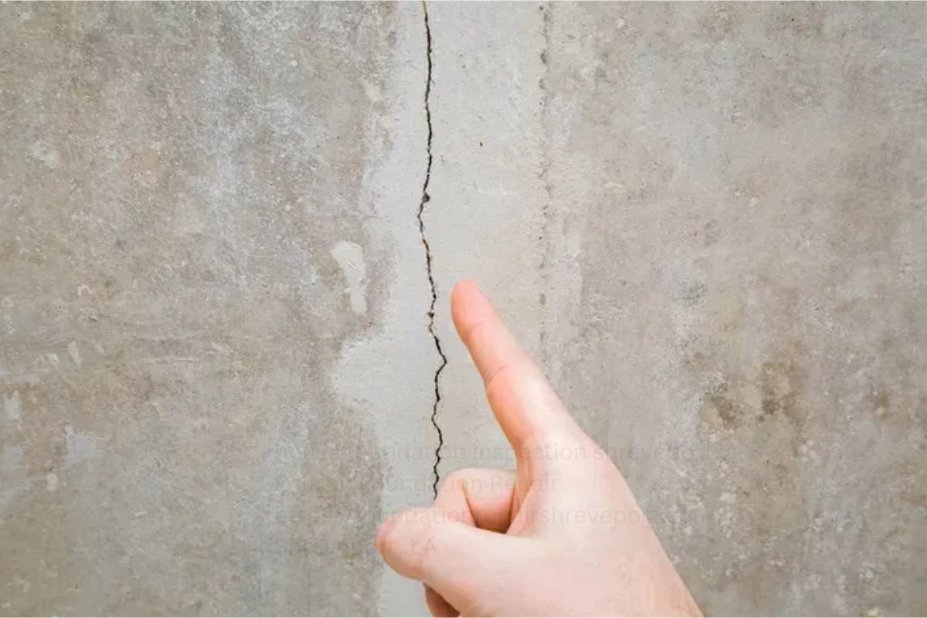
How to Choose a House Leveling Contractor in Shreveport, LA
Picking the right house leveling contractor in Shreveport takes more than the lowest bid. Use this vetting checklist of questions, red flags, and warranty must-haves to compare pier quotes confidently.
A good house leveling contractor does a real inspection first, gives you a written scope with pier locations and depths, answers warranty questions in plain language, and has local references you can actually call. Anyone who quotes a price without crawling under the house or pressures you to sign today is a contractor to skip.
What “Leveling” Actually Means Before You Hire Anyone
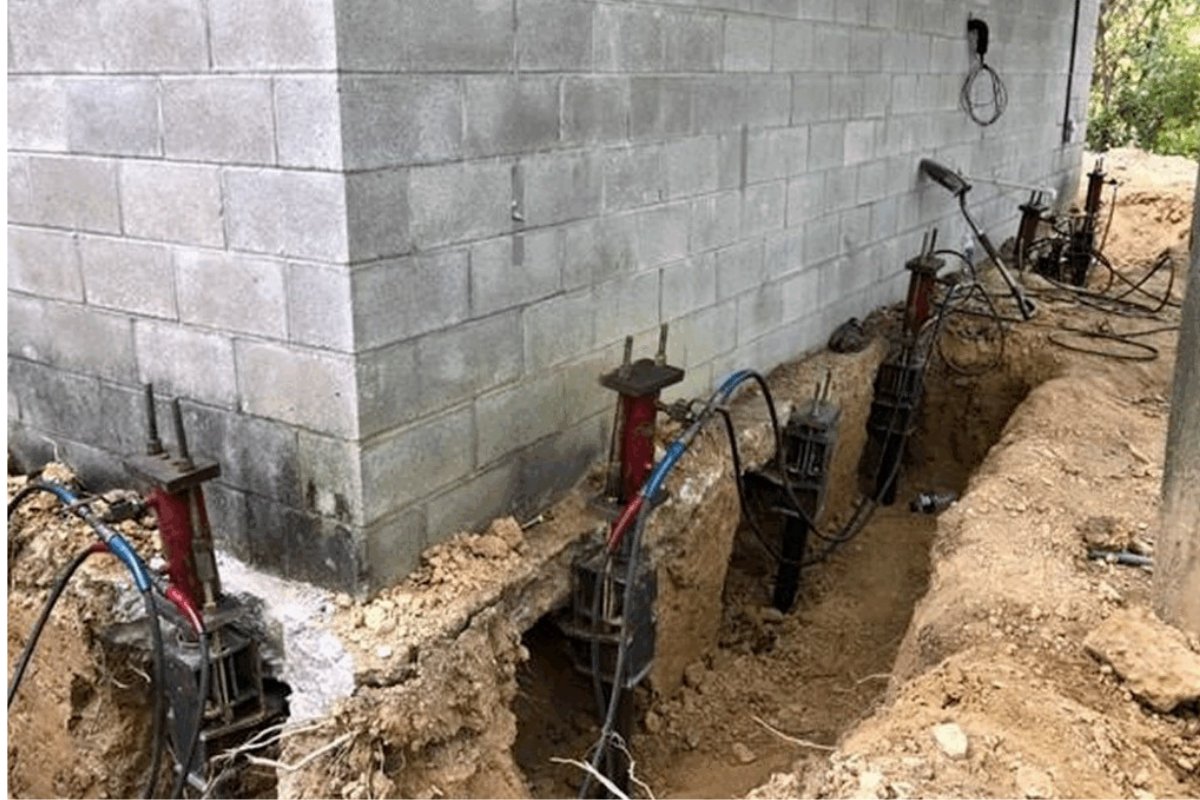
House leveling is not about making your home perfectly flat like a pool table. It means lifting settled areas of the foundation back toward their original elevation and stabilizing them so they stay there. In Shreveport, most leveling jobs involve driving piers — steel push piers, helical piers, or concrete pilings — down through our soft, shifting clay to stable soil or bedrock, then lifting the foundation onto them. A honest contractor will tell you up front that some homes cannot be brought fully level without risking cracked walls or broken plumbing, and that the goal is stable and functional, not geometrically perfect. If a bidder promises to get every floor dead level with no caveats, that is your first warning sign.
Leveling also means different things on different foundations. A pier and beam house in Highland gets leveled by adjusting or adding piers under the beams. A slab home in South Highlands or Shreve Island gets leveled with piers driven around the perimeter and sometimes through the slab interior. The method, the pier count, and the price all change with the foundation type, which is exactly why a contractor who quotes over the phone without seeing your house is guessing. For background on how the process works in our area, see our guide to house leveling in Shreveport LA.
The Questions to Ask Every Contractor
Bring this list to every estimate. The contractors worth hiring will answer all of them without dodging, and the weak ones will reveal themselves fast.
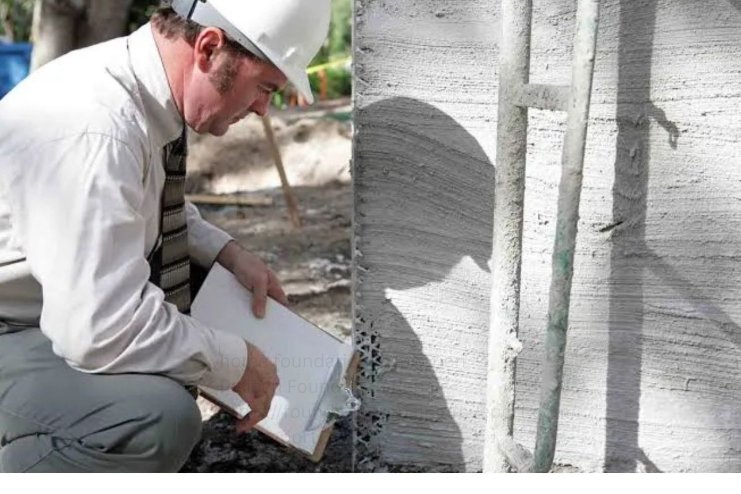
- Will you inspect the whole house, inside and out? A real estimate starts with walking the interior for cracks and slope, checking doors and windows, and getting under the house or around the slab. Anyone who prices from the curb is not inspecting.
- What pier type are you recommending, and why this house? Steel push piers, helical piers, and concrete pilings each fit different soil and load conditions. The answer should reference your soil, your foundation, and the depth needed — not just “this is what we always use.”
- How many piers, and where exactly? Get a drawing or a marked-up plan showing pier locations, not just a count. Pier placement determines whether the lift works.
- How deep will the piers go? In Caddo Parish clay, depth to stable soil matters more than pier count. Ask how they verify depth and what happens if they hit refusal early.
- What is the written scope of work? Everything — pier type, count, locations, lift targets, cleanup, landscape repair — belongs in writing before you sign.
- What does the warranty actually cover? Ask what triggers it, who honors it if the company is sold, and whether it covers the piers, the labor, or both. Vague “lifetime warranty” talk without paperwork is worth nothing.
- Can I call three local references? Not reviews on a website — actual homeowners in Shreveport, Bossier City, or nearby who had leveling done. Call them and ask if the crew showed up, finished on time, and stood behind the work.
- Who pulls permits, and are you insured? Permits and liability insurance protect you if something goes wrong. If the answer is fuzzy, walk away.
For a broader look at vetting any foundation company, our guide to choosing a foundation repair contractor in Shreveport covers credentials and research steps that apply to leveling jobs too.
Red Flags That Should Stop You From Signing
Shreveport homeowners get burned by the same handful of contractor tricks. Learn them once and you will spot them in the first ten minutes of an estimate.
- A price without an inspection. If they never went under the house or inside it, the number is fiction. Real leveling bids come from real measurements.
- High-pressure “today only” discounts. Foundation work is a big decision. Any contractor who needs your signature before leaving the driveway is selling, not diagnosing.
- One solution for every house. A company that installs only one pier type will recommend that pier type for your house whether it fits or not. Good contractors match the method to the soil and structure.
- No written scope, just a handshake and a number. Verbal promises about pier counts, depths, and cleanup evaporate the moment there is a dispute. If it is not written, it does not exist.
- Demanding full payment up front. A reasonable deposit is normal. Paying the whole job before work starts removes your only leverage.
- No local references or a brand-new local presence. Storm-chasing outfits roll into town after big weather events, do fast work, and vanish. Ask how long they have served the Shreveport area and verify it.
- Badmouthing every competitor instead of explaining their own plan. Confidence explains; insecurity attacks. You want the contractor who teaches, not the one who trashes.
How to Compare Pier Quotes Apples to Apples
Three bids for the same house can look nothing alike, and the cheapest one is rarely the best value. The trick is comparing the same things across every bid: pier type, count, depth expectations, warranty terms, and what is included beyond the piers. A bid that is thousands less usually has fewer piers, a weaker warranty, or exclusions hiding in the fine print. Lay the bids side by side and check each line, because the details are where the real price lives.
| Pier Type | How It Works | Common in Shreveport For | Typical Installed Range |
|---|---|---|---|
| Steel push piers | Hydraulically driven to stable soil using the home’s weight as resistance | Heavier slab and pier-and-beam homes on deep clay | Higher per pier, fewer piers needed |
| Helical piers | Screwed into the ground like a giant anchor; torque-verified | Lighter structures, porches, and areas with limited access | Mid range per pier |
| Concrete pilings | Stacked segments driven by hydraulic ram | Budget-conscious jobs on lighter homes | Lower per pier, more piers often needed |
When you compare, also ask each bidder what happens if a pier cannot reach the expected depth, whether interior slab piers are included if your floor plan needs them, and who restores landscaping, concrete, and plumbing afterward. Our house leveling services page lays out how a complete leveling project is scoped in our market, which gives you a baseline to judge other bids against.
Warranties, Paperwork, and the Final Decision
The warranty conversation is where good contractors separate from the rest. Ask for the warranty in writing and read what it actually says. A strong warranty names what is covered (the piers, the lift, the labor), what voids it (usually major plumbing leaks or drainage changes the homeowner never fixes), and how to make a claim. Our work carries a 20-year structural warranty on qualifying repairs, and you should expect any serious bidder to put their terms on paper with the same clarity. Also confirm whether the warranty stays with the house if you sell — that matters to buyers in neighborhoods like Broadmoor and South Highlands, where foundation work shows up in every disclosure.
Before you sign, your paperwork should include the full written scope, the pier layout, the total price with payment schedule, the warranty document, and proof of insurance. Take a day to think it over; any contractor worth hiring will still be there tomorrow. The industry association InterNACHI publishes homeowner guidance on evaluating structural contractors, and the LSU AgCenter has Louisiana-specific resources on our expansive clay soils that explain why proper pier depth matters here more than in most states. An hour of homework now saves you from a bad five-figure decision later. Review our foundation repair services, or start from the Pelican Foundation Repair homepage to see how a complete project is put together.
Frequently Asked Questions
How many estimates should I get before choosing a leveling contractor?
Get at least three written estimates from local contractors who actually inspected your home. Three bids give you a real range for price, pier count, and approach. If one bid is dramatically cheaper or one contractor recommends twice as many piers as the others, ask why — the explanation usually tells you who did the most careful inspection. Never hire the only bidder without comparing.
Should I pick the cheapest house leveling quote?
Almost never. The cheapest bid usually means fewer piers, shallower installation, a weaker warranty, or work left out of the scope, like interior piers or landscape restoration. Leveling is a once-in-a-generation repair for most homes, so value means the right pier count at the right depth with a real warranty. Compare scopes line by line, not just the bottom number.
What does a good leveling warranty look like?
It is written down, names exactly what is covered, explains what voids it, and tells you how to file a claim. It should cover both the piers and the workmanship, state how long it lasts, and clarify whether it transfers if you sell the house. Vague promises like “lifetime warranty” with no document behind them are not warranties at all. Ask to read the actual warranty before you sign the contract.
Do I need an engineer before hiring a leveling contractor?
Not always, but it helps in tricky cases — severe settlement, structural damage, or when bids disagree wildly about what your house needs. An independent structural engineer gives you an unbiased repair plan that contractors then bid against, which removes the guesswork. For straightforward settlement with matching bids, a thorough contractor inspection is usually enough.
How long does a typical house leveling job take in Shreveport?
Most residential leveling jobs take two to five days of active work, depending on pier count, foundation type, and access. Pier and beam homes often go faster since crews work from the crawl space. Slab homes needing interior piers take longer because of concrete cutting and interior restoration. Weather and soil conditions can add days, so ask each bidder for a realistic timeline in writing.
Will leveling damage my walls, tile, or plumbing?
Some cosmetic cracking can happen as a house moves back into position — it has been sitting crooked for years, and straightening it stresses finishes. Good contractors warn you about this up front, lift slowly in stages, and tell you what to watch on plumbing. Major damage is rare with experienced crews, but any bidder who says “nothing will crack, guaranteed” is not being straight with you.
What should I do if two contractors recommend completely different fixes?
Get a third opinion, and consider an independent engineer. Wildly different recommendations usually mean at least one contractor did a shallow inspection or is selling what they stock. Ask each one to explain why the other’s plan would not work for your soil and foundation. The contractor who answers that question with specifics about your house, not slogans, is usually the one to trust.
Pelican Foundation Repair
6118 Fairfield Ave, Shreveport, LA 71106, USA
318-585-2003
https://foundationrepairshreveport.com/