 Skip to main content

House Leveling in Greenwood, LA: Methods, Costs & Signs
House leveling in Greenwood, LA runs $3,000 to $12,000 for pier-and-beam homes, with most jobs taking 2 to 5 days.
How much does house leveling cost in Greenwood, LA? For the pier-and-beam homes that make up most of Greenwood’s housing stock, leveling runs $3,000 to $12,000 depending on pier count and whether beams or sills need replacement. A free inspection with elevation readings is the only way to get a number — any quote over the phone is a guess.
Greenwood sits in western Caddo Parish along the I-20 corridor, just east of the Texas line — a town where the housing stock skews older and pier-and-beam construction is the norm. Ranch homes from the 1960s through the 1980s sit on brick or block piers over vented crawl spaces, and decades of Caddo Parish clay cycling have left floors sloping, doors sticking, and porches drifting. Leveling is the most common structural job in town; this guide covers how it works, what it costs, and how to hire it right.
Greenwood’s Housing Stock: Built for Leveling
House leveling in Greenwood starts with what the town is built on — and with. The soil is Caddo Parish’s familiar expansive clay: it swells when wet springs saturate it and shrinks through hot, dry summers, and foundations ride that cycle every year. The USDA’s Web Soil Survey maps the parish as expansive clay, and the I-20 corridor west of Shreveport gets the full treatment.
The houses are overwhelmingly pier-and-beam. Most residential streets — through ZIP 71033 and the surrounding rural routes — are lined with ranch homes raised on brick or block piers with wood floors over crawl spaces. Pier-and-beam was the sensible choice for clay country: when piers settle, the house can be releveled without touching a slab. The trade-off is that 40 to 60 years of soil cycling, crawl space moisture, and the occasional termite have left many homes several inches out of level.
That history makes leveling Greenwood’s signature foundation job. A crew gets under the home, reads floor elevations pier by pier, and brings the structure back to level — replacing rotted wood, adding piers where spans are too long, shimming where settlement is minor. If your home shows the symptoms below, you are looking at the town’s most common repair on its most common house type.
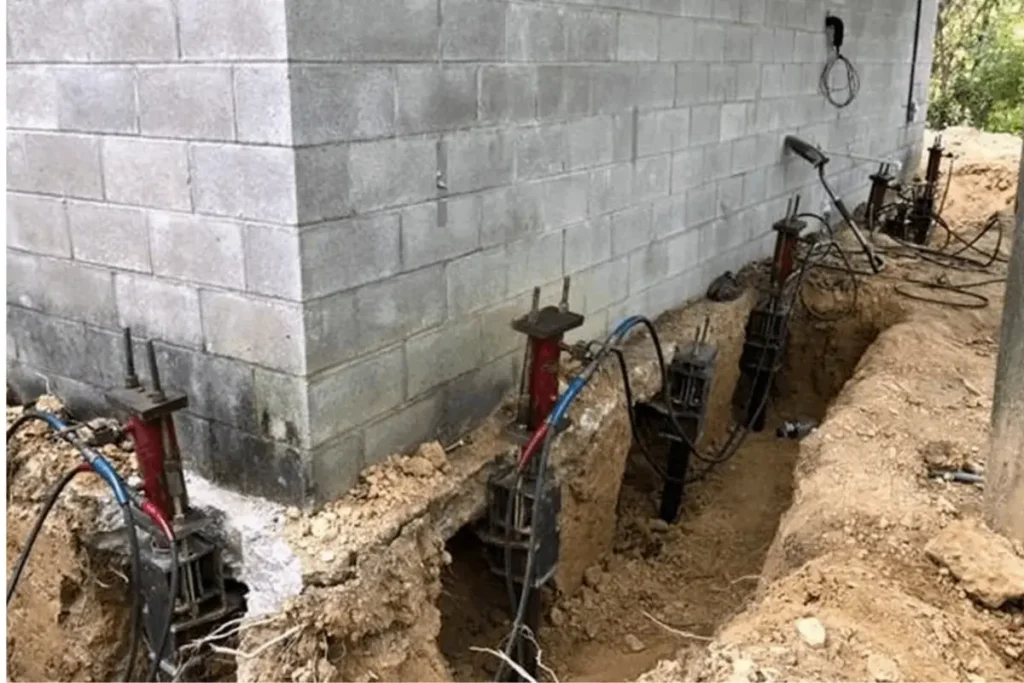
Signs Your Greenwood Home Has Gone Unlevel
Pier-and-beam homes telegraph level problems clearly. Check for these twice a year:
- Sloping or bouncy floors: the number-one sign. Roll a marble down the hallway — consistent drift means the floor is out of level. Bouncy spots between piers mean the span is too long or a support has failed.
- Doors that stick or swing on their own: doors that scrape the frame or drift open are following the tilt of the house.
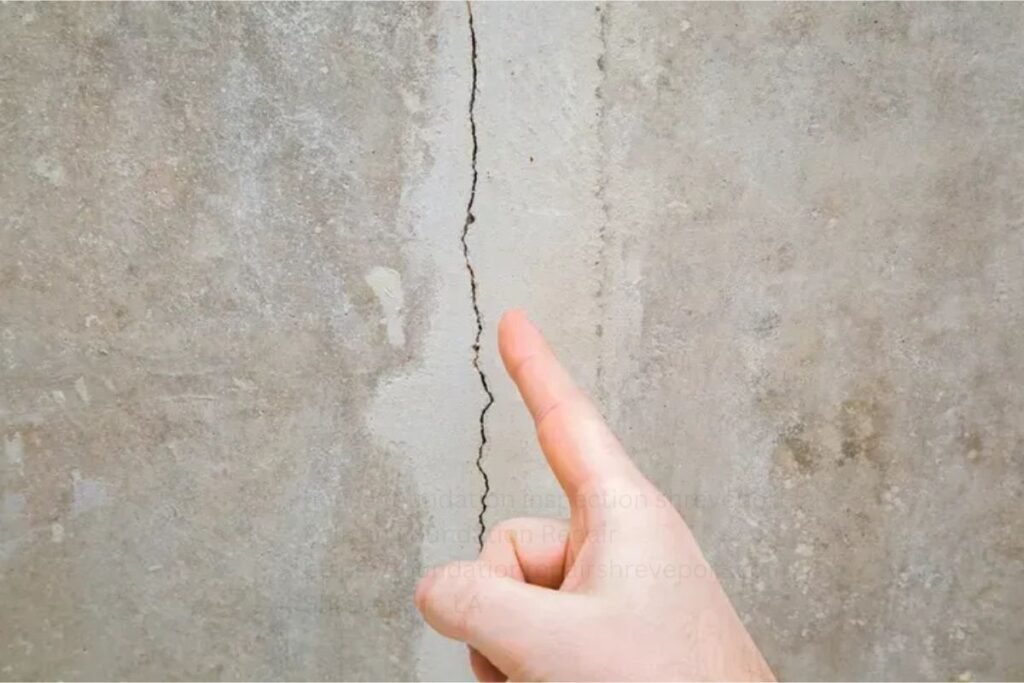
- Drywall cracks above doors and windows: diagonal cracks at opening corners, especially ones that reopen after patching.
- Gaps at baseboards or crown molding: trim pulling away where the framing has shifted.
- Porch or addition separating from the house: porches on separate piers settle independently — a widening gap at the joint is a classic Greenwood sight.
- Musty crawl space smells: not a level problem alone, but moisture accelerates pier settlement and wood rot.
- Visible pier damage from the crawl space: leaning, crumbling, or sinking brick piers; rotted wood sills sitting directly on masonry.
A marble test and a photo log go a long way: mark low spots with painter’s tape, photograph cracks each season, and bring that history to your inspection. It helps the contractor separate long-settled conditions from active movement. See also our guide to house leveling in Shreveport.
How House Leveling Works on Pier-and-Beam Homes
Leveling is not one technique — it is a set a crew combines based on the elevation readings. Here is what each does.
Shimming: the precision adjustment
Where piers are sound but the house has settled slightly, crews lift the beam with hydraulic jacks and insert steel shims between the pier cap and the beam. Shimming corrects small differences — fractions of an inch to a couple of inches — and is the least invasive part of any leveling job. Good shims are steel, not wood scraps; wood compresses over time and you pay for the same adjustment twice.
Pier replacement and supplemental piers
Failed piers — leaning, crumbling, or sunk into softened clay — get replaced with new block or poured concrete piers on proper footings below the active clay zone where possible. Crews also add supplemental piers where the original spacing was too wide — the fix for bouncy mid-span floors. Pier count drives cost more than any other factor, so the elevation map matters: it says exactly how many piers the job needs.
Beam and sill replacement
Decades of crawl space moisture rot wood, and termites love older Greenwood framing. When main beams or sill plates (the wood sitting directly on the piers) are compromised, leveling includes sistering new lumber alongside damaged beams or replacing sills outright. This surprises homeowners: a perfectly releveled floor still feels wrong if the carrying wood is soft. A thorough crew inspects every beam before quoting.
What about slab additions and foam leveling?
Many Greenwood homes have slab additions — garage conversions, sunrooms — attached to the original pier-and-beam structure. Those slabs settle independently and get foam injection or mudjacking ($500 to $2,000). A good contractor handles both in one job.
What House Leveling Costs in Greenwood
House leveling cost in Greenwood tracks the Shreveport metro, since methods and labor are shared:
- Minor releveling (shimming, a few piers): $3,000 to $5,000 for modest settlement and sound wood.
- Full leveling (multiple piers, supplemental supports): $5,000 to $9,000 for significant settlement across large areas.
- Leveling plus wood replacement: $8,000 to $12,000 or more when beams, sills, or joists must be replaced.
- Slab addition foam leveling: $500 to $2,000 for attached slab sections.
- Crawl space drainage or moisture control: $1,500 to $6,000 if standing water or chronic dampness is driving settlement — often quoted alongside.
What moves a quote up or down:
- Pier count: more piers means more labor and materials — the elevation map decides this, not the contractor’s mood.
- Wood condition: rot and termite damage discovered under the house add beam and sill work.
- Crawl space access and height: tight, low crawl spaces slow everything down.
- Drainage: if water pools under the house, the leveling will not hold without drainage correction — budget for both.
One Greenwood-specific note: many homes sit on larger lots with outbuildings, long driveways, and septic systems, so access is rarely the problem — but drainage across big lots can be. Water running off an acre of yard toward the crawl space will undo good leveling work within a few seasons. Fix the water with the leveling, not after it. Our house leveling guide for Bossier City covers similar pier-and-beam cost logic across the river.
Timeline: From Inspection to Level Floors
Here is the process, start to finish:
| Phase | Typical Duration | What Happens |
|---|---|---|
| Inspection and quote | 1 visit, 1–2 hours | Elevation readings, crawl space and wood check, drainage review, written findings |
| Scheduling | 1–4 weeks out | Crew scheduling; materials ordered for pier and beam work |
| Leveling work | 2–5 days | Jacking, shimming, pier and beam work; noise and vibration under the house |
| Drainage correction (if needed) | 1–3 days | French drains, grading, or gutter work, often done alongside the leveling |
| Final readings and cleanup | Half day | Final elevation readings documented, findings reviewed with you |
You can stay in the home during leveling. Expect noise and vibration — hydraulic jacks and under-house work are not quiet. The most disruptive day is usually the first, when the house is lifted; after that it is adjustment and finish work. A reputable contractor documents the final elevations so you have proof of what changed.
What to Ask Before You Hire a Leveling Contractor
Leveling quotes vary because scopes vary. These questions level the playing field:
- “What did your elevation readings show, pier by pier?” A real inspection produces a floor elevation map. If the contractor cannot show you numbers, they are guessing.
- “How many piers are you replacing versus shimming?” The mix should follow the elevation data, not a standard package.
- “What did the wood look like?” Beam and sill condition changes the price; a quote that ignores the wood is incomplete.
- “Are you addressing the drainage too?” In Greenwood’s clay, leveling without drainage control is a temporary fix.
- “What is the warranty, in writing?” Pelican offers a 20-year structural warranty on qualifying repairs. Get the full terms on paper before signing.
- “Who does the work — your crew or subcontractors?” Neither answer is automatically wrong, but you deserve to know who will be under your house.
- “Can you provide references from nearby jobs?” A contractor working in Greenwood and western Caddo Parish should have recent local references.
Red flags: pressure to sign the same day, a quote far below every competitor, no written warranty, or a contractor who wants to level the house without entering the crawl space. The crawl space is where the truth lives — anyone quoting blind is selling, not diagnosing.
Serving Greenwood and Western Caddo Parish
Pelican Foundation Repair serves Greenwood and western Caddo Parish — the I-20 corridor, Highway 80, and the rural routes toward the Texas line — with full house leveling services: pier replacement, shimming, beam and sill work, crawl space structural repair, and drainage correction. The crews level pier-and-beam homes in this soil every week, so Greenwood’s housing stock is familiar work — not a learning curve.
Compare notes with our guides to house leveling in Shreveport and house leveling in Bossier City. Start with a free inspection from Pelican Foundation Repair — Monday through Saturday, 8:00 AM to 6:00 PM — for elevation readings and a written report on your Greenwood home, ZIP 71033.
Frequently Asked Questions
How much does house leveling cost in Greenwood, LA?
Pier-and-beam leveling runs $3,000 to $12,000: $3,000 to $5,000 for minor releveling, $5,000 to $9,000 for full leveling, and $8,000 to $12,000 or more with beam or sill replacement. Slab foam leveling runs $500 to $2,000.
How do I know if my house needs leveling?
Sloping or bouncy floors, sticking or self-swinging doors, diagonal drywall cracks above openings, and trim pulling away are the classic signs. A marble rolling one way down a hallway is a simple test.
How long does house leveling take?
Most homes take 2 to 5 days; minor shimming finishes faster, full leveling takes the full window. Scheduling after inspection runs 1 to 4 weeks out.
Can I stay in my house during leveling?
Yes. Expect noise and vibration while the crew works under the house, especially on lifting day. Crews work section by section and clean up daily.
Will leveling fix my sticking doors?
Usually, yes. Once the structure is level, frames return toward their original position; some doors still need minor adjustment afterward, which a good contractor will tell you upfront.
Does house leveling include fixing rotted wood?
It should, when the wood is compromised. A reputable quote covers beam and sill condition from the crawl space inspection — be wary of any leveling quote that never mentions the wood.
What warranty comes with house leveling?
Get the warranty in writing: what it covers, what voids it, and whether it includes labor as well as materials. Pelican Foundation Repair offers a 20-year structural warranty on qualifying repairs.
Pelican Foundation Repair
6118 Fairfield Ave, Shreveport, LA 71106, USA
318-585-2003
https://foundationrepairshreveport.com/