Skip to main content

Interior vs. Exterior Basement Waterproofing: Which Do You Need?
The difference between interior and exterior basement waterproofing is where the water is stopped: exterior waterproofing stops water at the outside of the foundation wall, while interior waterproofing catches water that gets inside and pumps it out. Exterior systems are the more complete fix but cost $8,000 to $20,000 or more and require excavation; interior systems run $3,000 to $7,000 with far less disruption and work well for most Shreveport homes with seepage problems. Which one you need depends on your foundation type, how bad the water intrusion is, and whether your basement or crawl space is finished.
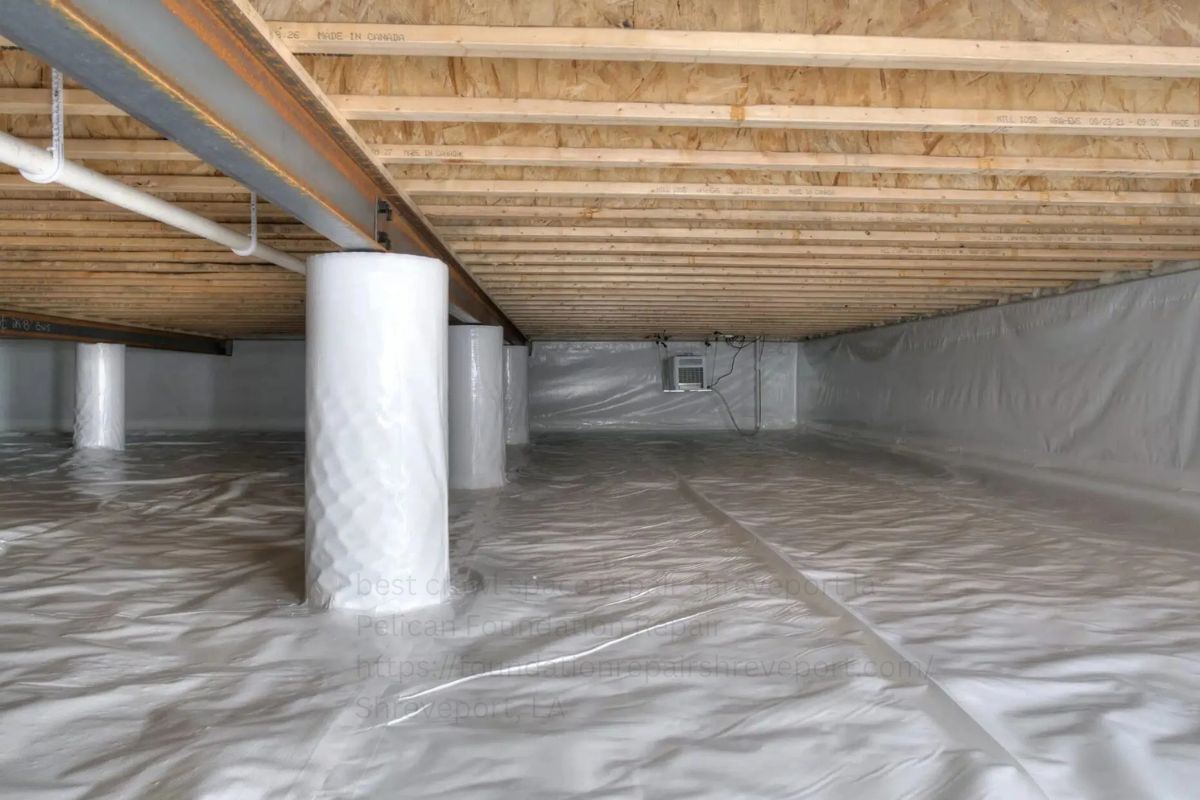
Most homes in Shreveport and Bossier City do not have full basements — Louisiana’s high water table and clay soil make them rare. But many have crawl spaces, below-grade rooms, or daylight basements that take on water the same way. The interior-versus-exterior question applies to all of them, and the decision framework below works whether you are dealing with a true basement or a finished lower level.
How Interior Waterproofing Works
An interior waterproofing system manages water after it reaches your foundation. The most common version is an interior French drain — perforated pipe set in gravel along the inside perimeter of the foundation wall, usually buried just under the edge of the slab. Water that seeps through the wall or up through the floor joint flows into the pipe, which carries it to a sump pit. A sump pump then lifts the water out and discharges it away from the house.
Interior systems almost always include a sealed sump pit with a primary pump, and a battery backup pump is strongly recommended in Louisiana, where storms that bring heavy rain also bring power outages. Some systems add a wall vapor barrier that channels seepage from the wall directly into the drain tile, keeping finished walls dry even when the block behind them is wet — which also matters for indoor air quality, since the EPA’s brief guide to mold, moisture, and your home ties below-grade dampness directly to mold risk.
Installation usually takes 1 to 2 days. The crew breaks a narrow trench in the slab around the perimeter, sets the pipe in gravel, installs the sump pit, pours the concrete back, and you end up with a strip of new concrete around the floor edge. The outside of your home is untouched: no excavation, no torn-up landscaping, no heavy equipment in the yard. For occupied homes where disruption matters, that is a major advantage.
The honest limitation of interior systems is that they do not stop water from touching your foundation — they just catch it and remove it. In expansive Louisiana clay, water pressing against the outside of the wall still creates hydrostatic pressure, and walls can still bow or crack over time even while the floor stays dry. Interior drainage controls water, not the forces water creates against the wall.
What Interior Systems Cost
Interior drain tile and sump systems in the Shreveport area typically cost $3,000 to $7,000, depending on the perimeter length, the number of sump pumps, and whether a wall membrane is included. Adding a battery backup pump usually adds $500 to $1,000. A sealed, radon-style sump lid and a high-quality primary pump with an alarm are worth the upgrade — the pump is the entire system, so cheaping out on it is false economy.
Ongoing costs are modest: electricity for the pump, a replacement pump every 7 to 10 years in most cases, and a battery replacement for the backup every 3 to 5 years. Annual maintenance is a 20-minute job — pour a bucket of water in the pit to make sure the pump kicks on, check the discharge line for clogs, and confirm the check valve is working.
For many Shreveport-area homes with seepage at the cove joint or minor floor dampness, an interior system solves the water problem completely and permanently. It is also the only practical option for below-grade spaces where exterior excavation is impossible — homes built close to property lines, against retaining walls, or under additions that cannot be dug around.
How Exterior Waterproofing Works
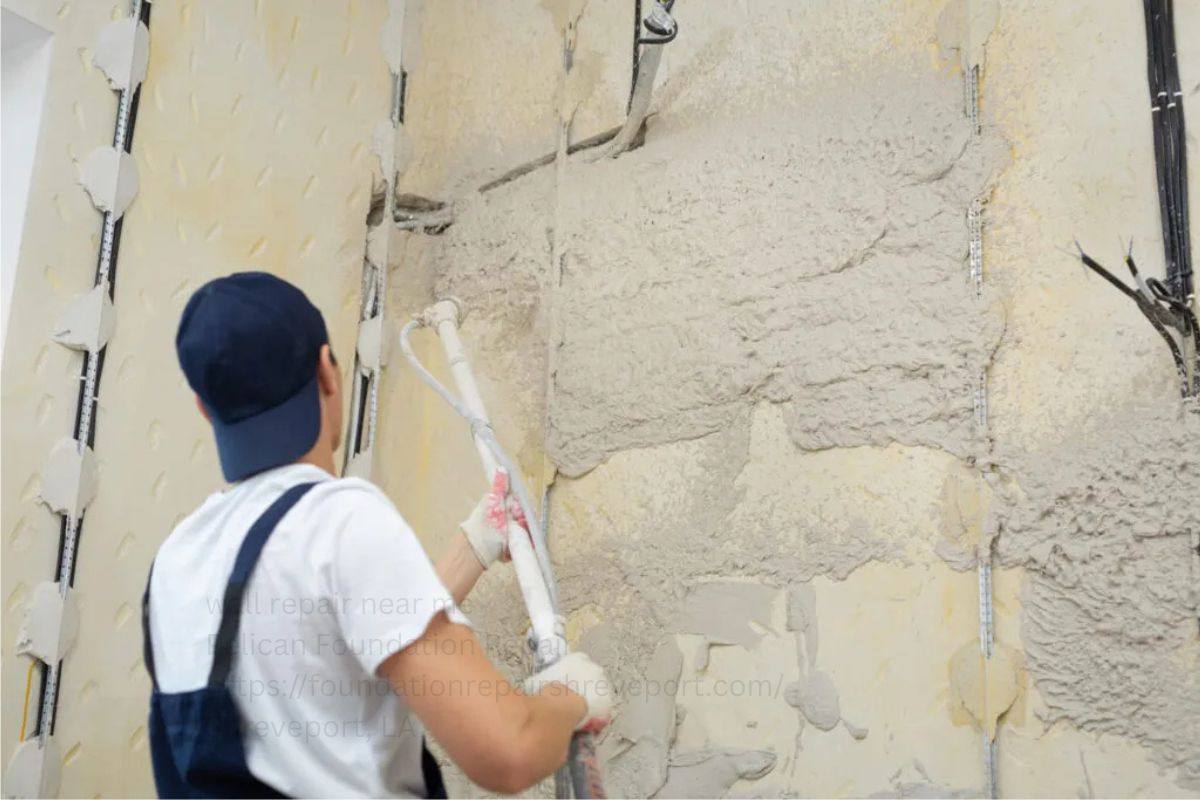
Exterior waterproofing stops water before it reaches the foundation. The crew excavates the soil along the outside of the foundation wall all the way down to the footing, cleans the wall, repairs any cracks, and applies a waterproof membrane or coating across the full wall surface. An exterior drain tile (perforated pipe in gravel) is set at the footing level, and the excavation is backfilled — often with drainage stone against the wall so water flows down to the pipe instead of pressing against the membrane.
This is the most complete form of waterproofing because it addresses both water entry and hydrostatic pressure. The membrane seals the wall, the footing drain relieves the water pressure that pushes against it, and properly graded backfill sheds surface water. When a wall is already bowing or cracking from pressure, exterior work can be combined with wall anchors or braces to stabilize the structure at the same time.
The trade-off is disruption. Excavation means heavy equipment, removed landscaping, and days to weeks of torn-up yard. Decks, patios, driveways, or porches sitting over the dig zone may need to be removed and rebuilt. In Louisiana clay, excavations also have to be handled carefully — open trenches in expansive soil need to be managed so the exposed clay does not swell or slump during the job.
What Exterior Jobs Cost and Why They Take Longer
Exterior waterproofing in the Shreveport area typically costs $8,000 to $20,000 or more, depending on excavation depth, wall length, soil conditions, and how much landscaping or concrete must be removed and restored. Clay soil pushes costs toward the higher end because digging is slower, shoring may be needed for deep trenches, and backfill has to be placed in lifts to avoid future settlement.
Timelines run 1 to 3 weeks for most residential jobs, versus 1 to 2 days for interior work. Permits may be required depending on the parish and the depth of excavation, and utility locates are mandatory before any digging — call 811 or your local one-call service before anyone puts a shovel in the ground.
The longer timeline and higher price buy you something interior systems cannot: a dry wall, not just a dry floor. For finished below-grade living space, for walls showing significant seepage or efflorescence, or for situations where hydrostatic pressure is actively damaging the wall, exterior waterproofing is usually the right recommendation despite the cost.
Head-to-Head Comparison
| Factor | Interior Waterproofing | Exterior Waterproofing |
|---|---|---|
| Typical cost | $3,000–$7,000 | $8,000–$20,000+ |
| Installation time | 1–2 days | 1–3 weeks |
| Disruption | Low — work is inside | High — excavation, landscaping torn up |
| Where water is stopped | Inside, at the floor — collected and pumped out | Outside, at the wall — sealed and drained |
| Handles hydrostatic pressure | Relieves pressure under the slab; wall still bears pressure | Yes — footing drain relieves pressure at the wall |
| Power dependency | Yes — needs working sump pump | Mostly no — gravity drainage, though pump pits are sometimes added |
| Best for finished space | Good for dampness and minor seepage | Better for finished rooms — keeps the wall itself dry |
| Maintenance | Annual pump test, pump replacement every 7–10 years | Minimal — check grading and downspouts |
Which One Do You Need? A Decision Guide
Use your situation to point yourself at the right option:
- Minor seepage at the floor-wall joint, unfinished space, tight budget: interior drain tile and sump. It handles this scenario reliably for a fraction of the cost.
- Finished below-grade living space with damp walls: lean exterior if the budget allows, because only exterior work keeps the wall dry behind the finishes. If excavation is impractical, interior plus a full wall vapor membrane is the fallback.
- Bowing, cracking, or leaking block walls under pressure: exterior waterproofing, often paired with wall stabilization. Interior drainage alone will not stop pressure-driven wall movement in clay soil.
- Water coming up through floor cracks (not through walls): interior system. This is a water-table problem, and exterior membranes do not fix water rising from below.
- Heavy seasonal flooding around the foundation: start with exterior drainage correction — grading, gutters, and French drains — before committing to either waterproofing approach. Many waterproofing problems are really drainage problems wearing a disguise.
A free inspection is the honest way to settle it: a specialist looks at where the water enters, tests the soil behavior, and recommends the smallest fix that actually solves the problem. Pelican Foundation Repair’s basement waterproofing service covers both interior and exterior approaches, so the recommendation is based on your house, not on what the company happens to sell. For a deeper look at pricing, see our breakdown of basement waterproofing costs in Shreveport, and our guide to foundation waterproofing methods covers every approach in detail.
Can You Do Both?
Yes, and in Louisiana clay it is more common than you would think. A home with serious water issues might get exterior waterproofing on the worst wall — the one taking hillside runoff, for example — and an interior drain tile system around the rest of the perimeter as a safety net. The two systems complement each other: exterior stops most water, interior catches whatever still gets through.
Another common pairing is exterior grading and French drains outside plus an interior sump inside. That combination handles both the surface water and the rising water table that plague so many Shreveport-area crawl spaces and below-grade rooms. It also gives you redundancy: if one system is overwhelmed in a record storm, the other is still working.
What you should not do is install an interior system and assume the exterior is fine when the wall is actively bowing, or pay for exterior excavation when a simple interior sump would have solved a floor seepage problem. Matching the fix to the actual water path is what separates a lasting solution from an expensive guess. A free inspection from Pelican Foundation Repair will map your water problem before anyone recommends a system.
Frequently Asked Questions
Is interior or exterior waterproofing better?
Neither is universally better — it depends on the water problem. Exterior waterproofing is more complete because it stops water at the wall and relieves hydrostatic pressure. Interior waterproofing is more affordable, less disruptive, and the right choice for minor seepage, water rising through the floor, or situations where excavation is not possible.
How much does interior basement waterproofing cost in Shreveport?
Interior drain tile and sump systems typically cost $3,000 to $7,000 in the Shreveport area, depending on perimeter length and pump setup. Adding a battery backup pump runs another $500 to $1,000, which is worth it given Louisiana storm-related power outages.
How much does exterior basement waterproofing cost?
Exterior waterproofing typically costs $8,000 to $20,000 or more, depending on excavation depth, wall length, and how much landscaping or concrete must be removed and restored. Clay soil tends to push costs toward the higher end.
Will an interior system stop my basement walls from bowing?
No. Interior drainage controls water, not the pressure water creates against the wall. Bowing walls in expansive clay need exterior waterproofing with a footing drain, often combined with wall anchors or braces, to relieve the pressure causing the movement.
Do I need a sump pump with interior waterproofing?
Yes, in almost every case. The interior drain tile collects water, but the sump pump is what removes it. Get a quality primary pump, a battery backup, and an alarm so you know if the pump ever fails.
How long does exterior waterproofing last?
A properly installed exterior membrane and footing drain system typically lasts for decades, because the membrane is protected underground and there are no mechanical parts to wear out. Interior systems also last a long time, but the sump pump needs replacement every 7 to 10 years in most cases.
My crawl space floods — does this advice apply to me?
Yes. The same logic applies: interior-style drainage (a sump and perimeter drain inside the crawl space) versus exterior work (grading, French drains, and wall sealing outside). Most Louisiana crawl space flooding is solved with interior-style sump systems plus exterior drainage correction, which is far less invasive than full wall excavation.
Can waterproofing be done in the rainy season?
Interior systems can be installed any time of year. Exterior excavation is best scheduled in drier months when possible, because open trenches in Louisiana clay are harder to manage in heavy rain — but experienced crews do exterior work year-round when the situation requires it.
Pelican Foundation Repair
6118 Fairfield Ave, Shreveport, LA 71106, USA
318-585-2003
https://foundationrepairshreveport.com/