 Skip to main content

Pier and Beam Foundation Repair in Blanchard, LA
Pier and beam foundation repair in Blanchard, LA typically costs $3,000 to $12,000 depending on the number of piers, how far the house has settled, and whether rotted beams or sills need replacement. Older Blanchard homes on pier-and-beam foundations face a specific mix of wet clay, aging wood, and decades of seasonal movement.
How is a pier and beam foundation repaired in Blanchard? The crew gets under the house, jacks the settled sections back toward level, shims or replaces the piers, and repairs or replaces rotted beams, joists, and sills. Most jobs take two to five days, and the house stays livable throughout. Because Blanchard’s clay soil and high water table are usually what moved the foundation in the first place, lasting repairs pair the leveling work with moisture and drainage fixes underneath the house.
Drive the older roads around Blanchard — the stretches of LA-1 north of town, the parish roads toward the bayou — and you will see plenty of pier-and-beam houses: raised floor framing sitting on concrete block or brick piers, with a crawl space underneath. It is a foundation style that suits Louisiana’s wet ground, and a lot of Blanchard’s housing stock was built this way from the mid-20th century on. These foundations are very repairable — that is one of their virtues — but after decades of wet clay, wood rot, and seasonal heaving, many of them need professional attention. This guide covers how pier-and-beam repair works, what it costs in the Blanchard area, the local soil factors behind the damage, and how to tell when your home is due.
Why So Many Blanchard Homes Sit on Pier-and-Beam Foundations
Pier-and-beam construction was the sensible default for much of rural northwest Louisiana for decades. Before slab-on-grade became the builder’s favorite, raising the floor framing on piers was simply how you built on wet, low ground — it kept the wood above the seasonal flooding, allowed air to circulate underneath, and made plumbing repairs a matter of crawling under the house instead of jackhammering concrete. Walk through Blanchard’s older neighborhoods and the farmhouses along the parish roads, and the style is everywhere: mid-century cottages, ranch houses from the 60s and 70s, and older farm homes, most of them riding on block or brick piers.
The design has real advantages that still hold. When a pier-and-beam foundation settles, it can be re-leveled — jacked back toward its original elevation — in a way a cracked slab cannot. Individual components are replaceable: a rotted sill here, a settled pier there, without tearing up the whole foundation. And the crawl space gives access to plumbing, wiring, and ductwork that slab homes simply do not offer.
But the style has a maintenance clock, and many Blanchard homes are now on the far side of it. The original piers were often set shallow in clay that has spent forty-plus years heaving and settling. Wood members — sills, beams, joists — have endured decades of humid crawl space air. Mortar in older brick piers crumbles. None of this means the house is doomed; it means the foundation is due for the kind of professional service these systems were designed to receive.
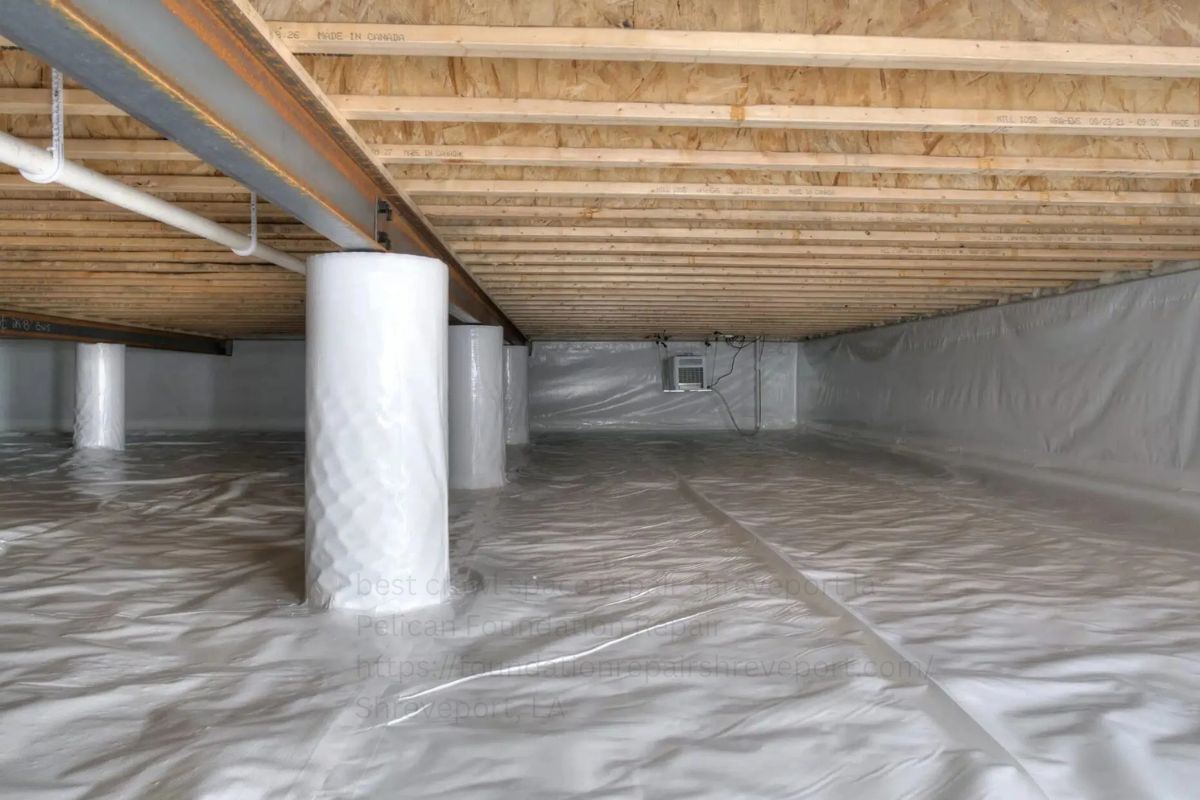
Signs Your Pier-and-Beam Foundation Needs Repair
Pier-and-beam problems telegraph themselves through the floors and the framing. Here is what to watch for in your Blanchard home:
- Sloping or uneven floors: the classic sign. Roll a marble or just trust your feet — floors that tilt toward one corner or dip in the middle mean piers have settled unevenly.
- Bouncy or springy floors: a floor that flexes underfoot points to weakened joists, overspanned beams, or piers spaced too far apart — common where original construction cut corners.
- Cracks in interior walls: diagonal cracks above doors and windows, or cracks where walls meet ceilings, track the racking that happens when one section of the house drops relative to another.
- Doors and windows that stick or will not latch: when the frame racks, openings go out of square. A door that scraped through last summer and swings free this winter — or vice versa — is riding seasonal foundation movement.
- Gaps between the floor and baseboards, or between walls and ceilings. Separation means parts of the house are moving apart.
- Visible pier damage underneath: leaning, crumbling, or sinking piers; shims that have slipped or rotted; beams pulling away from their supports.
- Musty smells or visible mold in the crawl space, which signal the moisture that rots sills and beams from the inside out.
A single sticky door in August might be humidity swelling the wood. Multiple signs at once — sloping floors plus wall cracks plus a musty crawl space — is a foundation telling you it needs work. For a deeper rundown of the repair techniques themselves, see our guide to how to repair a pier and beam foundation.
How Pier-and-Beam Repair Works: Shimming, Re-Leveling, and Replacement
A pier-and-beam repair is methodical work, and understanding the steps helps you evaluate any quote you receive:
- Step 1 — Elevation survey: the crew shoots elevations across the floor with a precision level or laser, mapping exactly how far each section has dropped. This survey — not eyeballing — determines how many piers get worked and how much lift each one needs.
- Step 2 — Crawl space assessment: every pier, beam, joist, and sill gets inspected and photographed. Rotted wood, crumbling piers, failed shims, and moisture sources are all documented before any jack touches the house.
- Step 3 — Controlled jacking: hydraulic jacks lift the settled sections slowly — often over hours, sometimes over multiple visits for severe settlement. Fast jacking cracks drywall and pops trim; a good crew lifts in small increments and lets the house adjust.
- Step 4 — Shimming and pier work: once at the target elevation, steel or composite shims fill the gap between pier and beam. Settled or failed piers get rebuilt or replaced, and new piers go in where spans are too long.
- Step 5 — Wood replacement: rotted sills, beams, and joists are replaced or sistered with new pressure-treated lumber. This is the step that separates a lasting repair from a quick re-level — jacking a house onto rotted beams just moves the failure point.
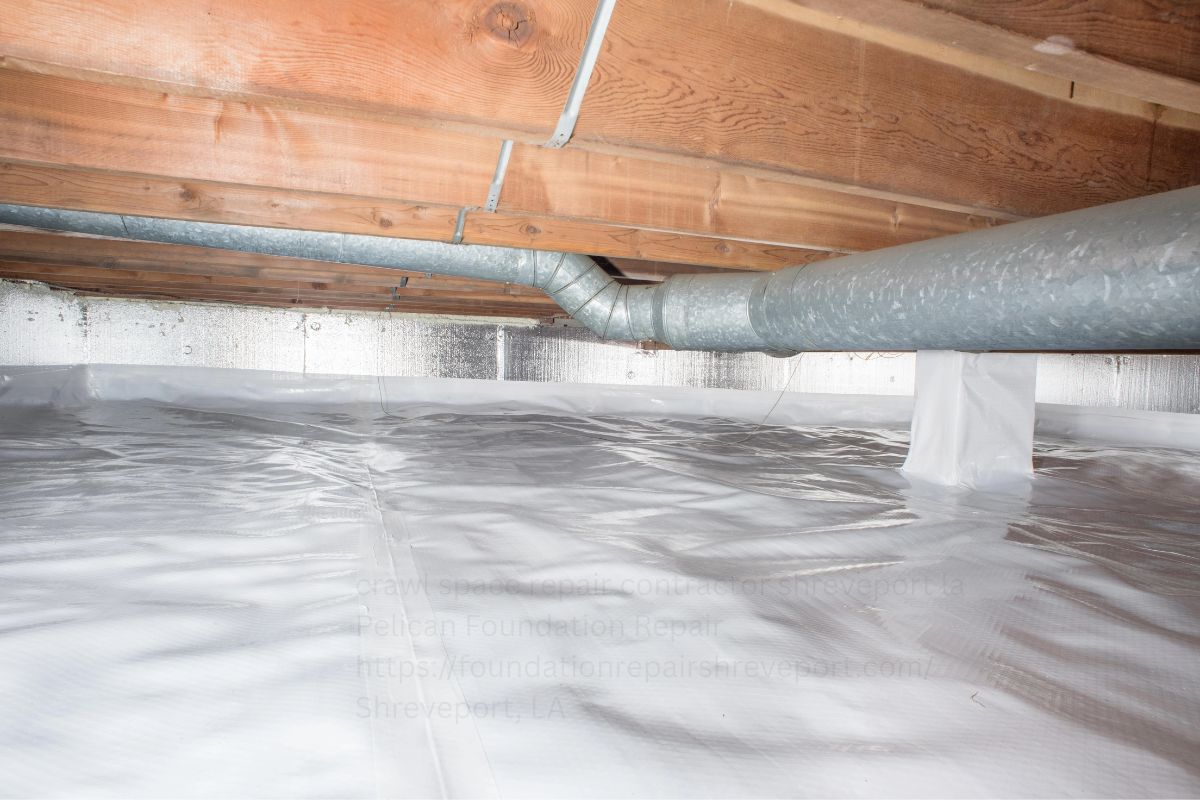
- Step 6 — Moisture control: drainage corrections, vapor barrier, and sometimes a sump or dehumidifier go in so the repaired wood is not sitting in the same wet conditions that rotted the old wood.
One honest note: “level” is a target, not always a destination. A house that has settled for decades may not come back to dead level without cracking finishes throughout — a good contractor lifts to the maximum safe elevation and tells you upfront where that limit is, rather than promising perfection and delivering cracked drywall.
What Pier-and-Beam Repair Costs in Blanchard, LA
Costs in the Blanchard area follow the metro market, with the home’s size, the extent of settlement, and the condition of the wood driving the final number:
- Re-leveling with shimming (moderate settlement): $3,000 to $7,000 for a typical single-story home where piers are sound and the work is mostly jacking and shimming.
- Re-leveling plus pier replacement: $5,000 to $10,000 when failed or undersized piers must be rebuilt and new piers added.
- Full repair with wood replacement: $7,000 to $12,000 or more when rotted beams, joists, or sills need replacement alongside the leveling — common in homes where moisture went unaddressed for years.
- Moisture and drainage work underneath: $1,500 to $5,000 for vapor barrier, grading, or drainage that protects the repaired foundation — frequently recommended, sometimes essential.
| Repair Scope | Blanchard Cost Range | Typical Timeline |
|---|---|---|
| Re-leveling + shimming | $3,000–$7,000 | 2–3 days |
| Re-leveling + pier replacement | $5,000–$10,000 | 3–5 days |
| Full repair + wood replacement | $7,000–$12,000+ | 4–7 days |
| Moisture/drainage protection | $1,500–$5,000 | 1–3 days |
Quotes that skip the elevation survey are guesses. The survey is what turns “your house needs leveling” into “these twelve piers need this much lift” — and that specificity is what lets you compare two contractors honestly. Pelican’s free inspections include the survey and a written report, so you are comparing real numbers, not sales pitches. For context on how long these foundations last when maintained, our pier and beam foundation lifespan guide is worth a read.
Blanchard Soil and Moisture: What Moves These Foundations
Almost every pier-and-beam problem in Blanchard traces back to the same two forces: the clay and the water. The area’s heavy clay soils — confirm your parcel’s mapped type with the USDA Web Soil Survey — swell in wet weather and shrink in summer drought, heaving piers up and dropping them down a fraction of an inch each cycle. Over forty years, those fractions add up to inches of differential settlement.
Water accelerates everything. High seasonal water tables near the bayou bottomlands soften the clay under piers, letting them sink. Poor grading on large rural lots funnels runoff under the house. Well-system leaks seep unnoticed for months. And the humid crawl space air itself — trapped under a vented floor in a Louisiana summer — rots sills and beams from the top down while the wet ground attacks the piers from below.
This is why the repair has to address water, not just elevation. Re-leveling a house over a still-wet crawl space is a temporary fix — the clay will move the piers again, and the moisture will rot the new wood. The lasting jobs pair structural work with drainage correction, vapor barrier, and ventilation or dehumidification changes underneath. It costs more upfront and far less over the life of the house.
Pier and Beam Repair Service for Blanchard Homes
If your floors slope, your doors stick seasonally, or you have not been under the house in years, an inspection is the sensible next step — not because every old pier-and-beam home needs major work, but because the ones that do get dramatically more expensive the longer they wait. A survey takes an hour or two and tells you exactly where your foundation stands.
Pelican Foundation Repair serves Blanchard and the surrounding north Caddo Parish communities with full pier and beam foundation repair services — elevation surveys, re-leveling, pier replacement, wood repair, and the moisture control that makes the repair last. Qualifying structural work carries our 20-year warranty. Inspections are free, Monday through Saturday, 8:00 AM to 6:00 PM — start at Pelican Foundation Repair and find out what is actually going on under your house.
Frequently Asked Questions
How much does pier and beam foundation repair cost in Blanchard, LA?
Most Blanchard pier-and-beam repairs run $3,000 to $12,000. Simple re-leveling with shimming costs $3,000 to $7,000, pier replacement pushes it to $5,000 to $10,000, and full repairs with rotted wood replacement reach $7,000 to $12,000 or more.
Can a pier and beam house be leveled?
Yes — that is one of the style’s main advantages. Hydraulic jacks lift settled sections back toward level, then shims and pier work hold the new elevation. Severely settled homes may not reach dead level without cracking finishes, and a good contractor will tell you the safe limit upfront.
How long does pier and beam repair take?
Most re-leveling jobs take two to five days. Full repairs with extensive wood replacement can run four to seven days. You can stay in the home during the work.
What causes pier and beam foundations to settle in Blanchard?
Expansive clay soil heaving and shrinking with the seasons is the main cause, accelerated by high water tables, poor drainage under the house, and plumbing leaks. Decades of these cycles add up to inches of differential settlement.
Do I need to replace rotted wood or just re-level?
Both, if the wood is rotted. Jacking a house onto rotted beams just moves the failure point — the repair will not hold. Rotted sills, beams, and joists should be replaced or sistered with new pressure-treated lumber as part of the job.
Will the repair last, or will the house settle again?
A proper repair lasts when it addresses the cause. Re-leveling plus moisture and drainage control underneath — vapor barrier, grading, drainage — keeps the clay stable and the wood dry, which is what prevents repeat settlement. Pelican’s qualifying structural work carries a 20-year warranty.
Should I repair or replace a pier and beam foundation?
Repair, in the vast majority of cases. Individual piers, beams, and joists are all replaceable, and a full re-level with wood repair costs far less than a foundation replacement. Replacement is only on the table when the framing is catastrophically deteriorated throughout.
Do you offer free pier and beam inspections in Blanchard?
Yes. Pelican Foundation Repair offers free inspections throughout Blanchard and north Caddo Parish, Monday through Saturday, 8:00 AM to 6:00 PM, including an elevation survey, crawl space assessment, and a written report.
Pelican Foundation Repair
6118 Fairfield Ave, Shreveport, LA 71106, USA
318-585-2003
https://foundationrepairshreveport.com/