
House Leveling With Shims: How It Works and When It’s Enough
Shims are wedges placed between a pier and a beam to take up gaps and lift a sagging floor — an adjustment that works only when the pier below is solid.
House leveling shims are steel or hardwood wedges driven between the top of a pier and the beam it supports, closing gaps so the floor sits level again. Shimming works when the pier is stable and the gap is small, but it cannot fix a pier that is sinking or crumbling in soft soil.
If you live in one of Shreveport’s older pier-and-beam homes and a floor has started to sag or bounce, you may have heard that the fix is “just shimming.” Sometimes that is true, and sometimes it is only part of the story. Shims are a real part of house leveling, but they are an adjustment, not a repair to the ground underneath the house. This guide explains what shims do, how the two kinds differ, how a shimming job runs, and how to tell when shimming is enough and when the house needs more work.
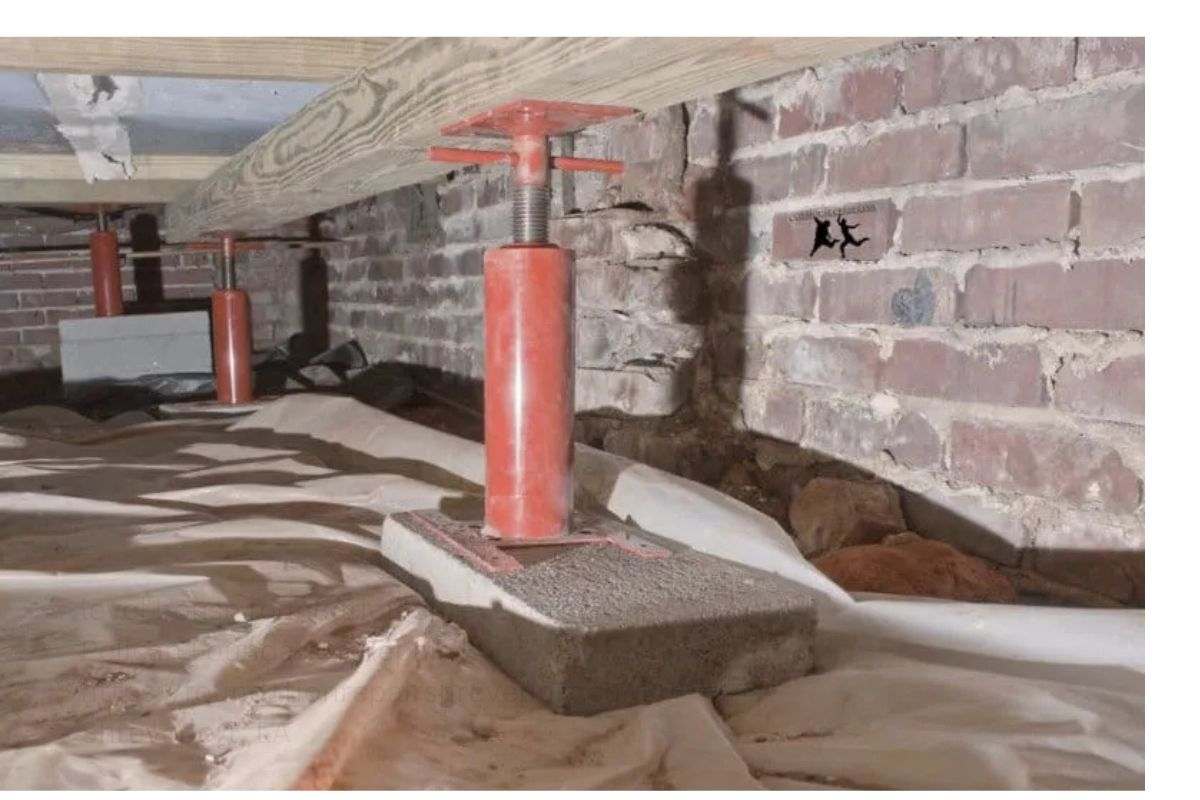
What Shims Do Under a Pier-and-Beam House
A pier-and-beam house does not sit on a concrete slab. It sits on piers — concrete blocks, brick, or concrete footings — spaced under the floor, with wooden beams spanning pier to pier and floor joists resting on those beams. Over time, wood shrinks and settles, a beam sags slightly between piers, or a pier settles a fraction of an inch into the soil. Any of those movements opens a small gap between pier and beam, and once contact is lost, the floor above it sags, bounces, or creaks.
A shim closes that gap. The crew jacks the beam up just enough to take the load off the pier, slides a wedge — or a stack of wedges — into the gap, and lowers the beam back onto the shim so the load transfers solidly again. Done correctly, the floor firms up immediately, and the door that was sticking or the slope you felt underfoot goes away. It is a simple idea, and that simplicity is part of its appeal: no excavation, no new concrete, no major disruption to the house.
But a shim can only transfer load to a pier capable of carrying it. If the pier is sinking in soft soil, cracked or crumbling, or the beam above it is rotted, a shim just props up a failing system for a while. The floor may feel better for a season, then sag again as the pier keeps moving. That is why a good leveling crew checks the piers and beams before shimming anything, and why a shimming-only quote should come with an explanation of what was checked underneath.
Steel Shims vs Wood Shims
The two kinds of shims behave very differently in a Shreveport crawl space, and the difference matters over years, not weeks. Wood shims are cheap, easy to cut on site, and easy to stack to an exact height, which is why they have been used for generations, and in a dry crawl space a hardwood shim can last a long time. The problem is that many Shreveport crawl spaces are not dry: Gulf humidity, poor drainage, and seasonal standing water are common, and wood there absorbs moisture, softens, and can crush under load or invite rot and termites.
Steel shims cost more and take more care to fit, but they do not absorb water, crush, or rot, and they hold their thickness under the weight of the house. For a permanent leveling adjustment, steel is the better choice in almost every case. Wood shims still have a place as a temporary adjustment, or where a small gap needs a fine fit steel plates alone cannot provide, but a stack of wood shims as the permanent support for a beam is a warning sign, not a solution.
| Feature | Steel shims | Wood shims |
|---|---|---|
| Durability | Does not rot, crush, or absorb water | Can soften, crush, and rot in damp crawl spaces |
| Fit | Precise plates, sometimes combined for height | Easy to cut and stack to an exact height |
| Cost | Higher material cost | Cheaper up front |
| Best for | Permanent leveling adjustments | Temporary adjustment or fine fitting |
| Risk in Shreveport | Low, even in humid crawl spaces | High where moisture, rot, or termites are present |
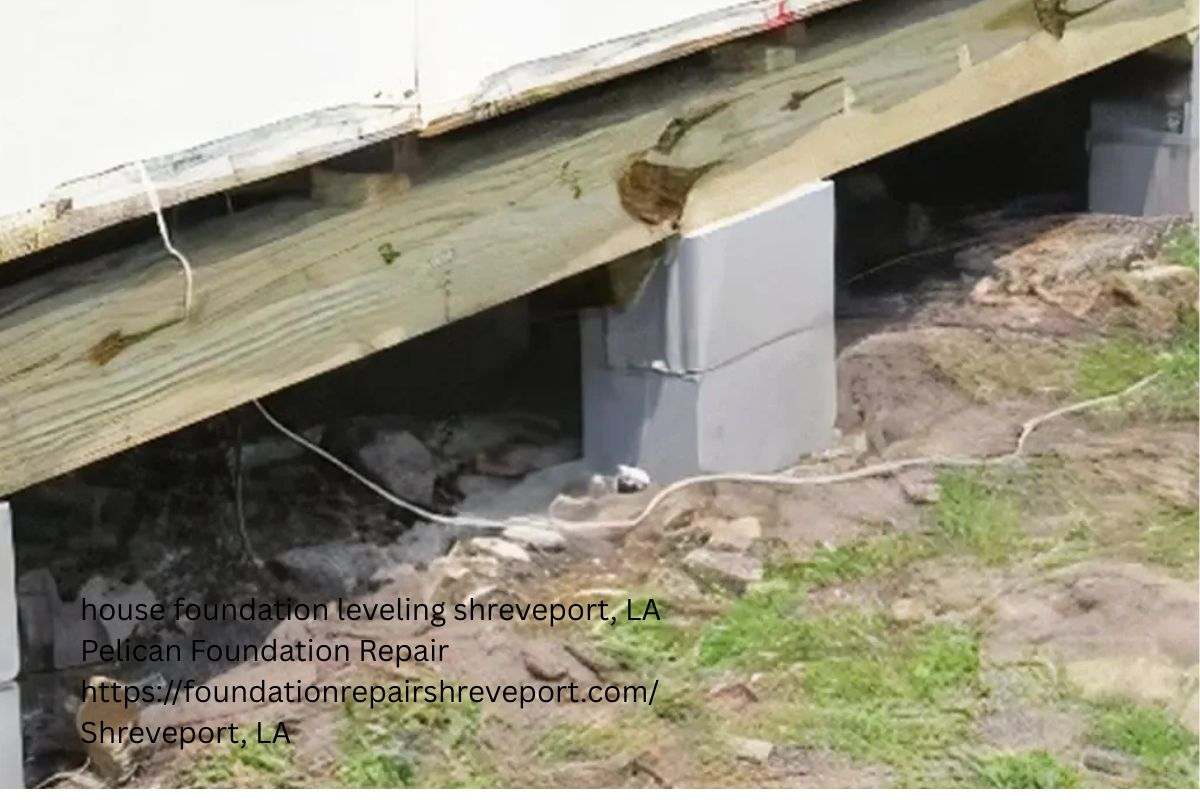
The Shimming Process, Step by Step
A shimming job is smaller than a full pier installation, but it still follows a sequence, and skipping steps is how a quick fix becomes a repeat visit.
Step 1: Measure the floors and inspect the crawl space
The crew starts inside, taking floor elevation readings across the house to map which areas are low and by how much. Then they go underneath, where the real diagnosis happens: they check each pier for cracking, tilting, or sinking, look at the beams and joists for rot or termite damage, and note moisture, standing water, and ventilation. A shim quote that was written without anyone going under the house is not a diagnosis; it is a guess.
Step 2: Jack the beam and set the shims
At each pier that needs adjustment, the crew places a hydraulic jack beside the pier, lifts the beam just enough to relieve the load — usually only a fraction of an inch to a couple of inches — and slides the shims into the gap. The beam is then lowered onto the shims, and the crew checks that the contact is solid across the full width of the beam, not just at one edge. Shims that sit at an angle, or that only touch part of the beam, will shift or crush under load.
Step 3: Re-check the levels and the doors
After all the shims are set, the crew re-measures the floors and checks the symptoms that brought them there: doors that stuck, floors that bounced, cracks that had opened. A good crew will also point out anything they found underneath that shimming did not fix — a rotted joist, a pier that is still moving, a drainage problem — rather than leaving it for the homeowner to discover later. That honesty is part of what separates a leveling adjustment from a sales visit.
When Shimming Is Enough
Shimming is enough when three things are true: the piers are stable, the beams and joists are sound, and the gap is small. That is the common case in older Shreveport homes in Highland and South Highlands, where a pier-and-beam floor has simply settled a little over decades as wood shrank and soil shifted with the seasons. A door that started sticking this year, a floor sagging slightly in one room, a bounce in the hallway — these are often shim jobs, finished in a day with no excavation and no disruption beyond crawl space access.
Shimming is also enough as part of a larger job. When new piers are installed, or an existing pier replaced, shims fine-tune the final height of the beam on the new pier. Almost every pier-and-beam leveling job involves shims; the question is whether shims are the whole job or just the finishing adjustment. If a contractor tells you shimming is all you need, ask what they found under the house that makes them confident the piers are stable.
Our guide to house leveling methods compared puts shimming alongside piers, beams, and other approaches, and house leveling in Shreveport covers the local soil and housing factors that decide which method fits a given home.
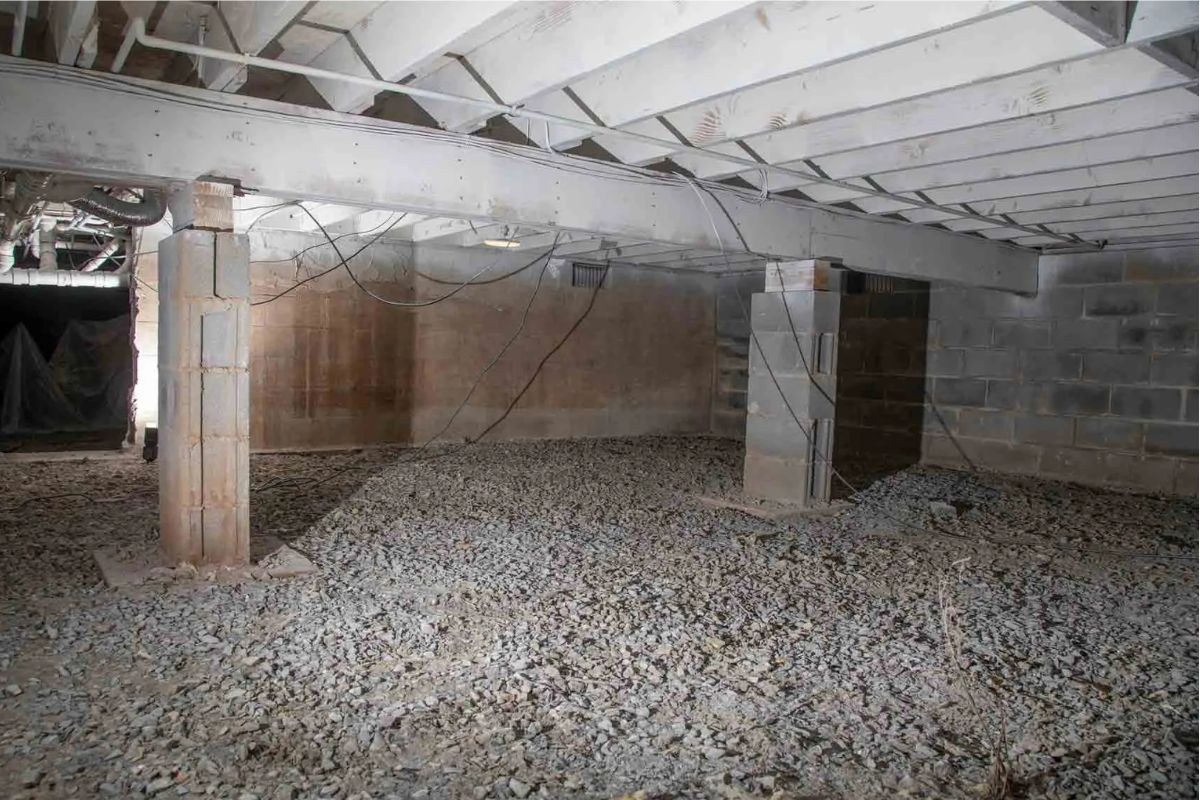
When Shimming Is Not Enough
Shimming is not enough when the problem is under the pier, not above it. If a pier is sinking into soft, wet soil, adding shims just raises the beam off a pier that will keep sinking, and the floor will sag again, often within a season or two. The same applies if a pier is cracked, crumbling, or leaning: a shim cannot make a broken pier sound, and stacking shims higher and higher to chase a sinking pier is a sign the real repair has been postponed, not completed. A tall stack of shims under a beam is itself a warning sign that the pier below has moved too far for an adjustment.
Shimming is also not enough when the wood above the pier is failing. A rotted beam or joist, whether from moisture or termites, will not hold a level floor no matter how carefully it is shimmed, because the wood itself keeps giving way. In that case the rotted section needs repair or replacement first, and shimming comes after, to set the repaired framing at the right height. Similarly, if the whole side of a house has dropped several inches, or the floors slope in a pattern that points to widespread settlement, the house needs piers or another structural repair, and shimming alone will only mask the pattern for a while.
- Shimming is not enough when: a pier is sinking, cracked, leaning, or crumbling.
- Shimming is not enough when: beams or joists are rotted or termite-damaged.
- Shimming is not enough when: the drop is several inches, or the whole side of the house has moved.
- Shimming is not enough when: the same pier has been re-shimmed repeatedly and keeps dropping.
- Ask before you book: were the piers, beams, and soil checked, and what happens if the floor sags again?
Shimming, Re-Leveling, and What It Costs in Shreveport
A shimming-only job is usually one of the least expensive leveling options, because it needs no excavation, no new piers, and often only a day of labor. Cost still varies with the number of piers adjusted, crawl space access, and whether any wood repair is needed. A low, tight crawl space takes longer to work under than one with easy access, and a job that finds rot or a failed pier will rightly grow beyond a shim quote. Be cautious of a flat, very low quote given without a crawl space inspection: it may mean shims added wherever the floor feels low, without checking whether the piers can hold them.
Think of shimming as one step in keeping a pier-and-beam home level over its life, not a once-and-done repair. Shreveport’s expansive clay, in neighborhoods from Queensborough and Cedar Grove to Bossier City, keeps moving with wet and dry seasons, and crawl space moisture keeps working on wood framing. A home that was shimmed ten years ago may need another adjustment, and that is normal, provided the piers are still sound. What is not normal is a home that needs re-shimming every year or two: that pattern points to a pier, drainage, or wood problem that shimming is hiding, and it deserves a full evaluation.
Start with a look under the house, not a guess from above it. Book a house leveling inspection with Pelican Foundation Repair, and we will measure your floors, inspect the piers and beams, and tell you plainly whether shims are enough or whether your home needs piers, wood repair, or drainage work first. For pier-and-beam specifics, see our pier and beam foundation repair services, and start with our foundation repair services in Shreveport. The LSU AgCenter explains how Louisiana’s clay soils move with the seasons at lsuagcenter.com, and the American Society of Civil Engineers publishes foundation performance guidance at asce.org.
Frequently Asked Questions About House Leveling Shims
What are house leveling shims?
Shims are steel or hardwood wedges placed between the top of a pier and the beam it supports, closing a gap so the floor sits level again. They transfer the weight of the house solidly onto the pier.
Are steel shims better than wood shims?
For a permanent adjustment, yes. Steel shims do not rot, crush, or absorb water, while wood shims can soften and crush in a damp crawl space. Wood shims still work as a temporary adjustment or for fine fitting.
How much can shimming lift a floor?
Shimming usually corrects small gaps, from a fraction of an inch to a couple of inches. A floor that has dropped several inches, or a whole side of a house that has moved, needs piers or another structural repair, not shims alone.
How long does a shimming job take?
Most shimming-only jobs take a day or less, depending on how many piers need adjustment and how easy the crawl space is to work in. No excavation or new concrete is involved.
How do I know if shimming is enough for my house?
Shimming is enough when the piers are stable, the beams and joists are sound, and the gap is small. That can only be confirmed by inspecting the crawl space, measuring the floors, and checking each pier for sinking or cracking.
Will shims fix a sinking pier?
No. A shim props the beam up off a pier, but if the pier keeps sinking into soft soil, the floor will sag again. A sinking, cracked, or leaning pier needs repair or replacement, with shims used only to fine-tune the final height.
Why does my floor keep sagging after shimming?
Repeated sagging after shimming usually means the real problem was never fixed: a pier that is still moving, rotted wood, or a drainage problem washing soil out from under the piers. A full crawl space evaluation will find which one it is.
Can I shim my own house?
Shimming looks simple, but jacking a beam incorrectly can crack plaster, break pipes, or injure someone working under the house. It is best left to a crew that measures the floors, inspects the piers, and jacks in small, controlled increments.
Pelican Foundation Repair
6118 Fairfield Ave, Shreveport, LA 71106, USA
318-585-2003
https://foundationrepairshreveport.com/