When Should You Stop Watering Your Foundation? The Fall Transition Guide
Fall rain is coming back to Shreveport, so it is time to ease off the hose. Here is how to tell when your clay soil is damp enough.
Stop watering your foundation once the soil stays damp two to three inches down, the gaps around your slab have closed, and rain is watering the yard for you. In Shreveport that usually happens in late fall, once steady rain returns and the long dry stretch ends.
If you spent the summer dragging a soaker hose around your house, you are not alone. Shreveport’s dry fall of 2026 left the clay under many homes bone dry, and watering kept it from shrinking away from the foundation. But a cold front moves through on November 12, rain returns on Sunday, November 15, and the ground is about to get its moisture back on its own.
Keep watering past that point and you trade one problem for another: soil that swells, lifts, and pushes against the house. Here are the checks that tell you when to stop and how to taper off.
Why Fall Changes the Watering Math in Shreveport
Summer watering has one job: keep the clay under your house from drying out and shrinking. In a Shreveport summer, the sun bakes the top layer of soil, the clay loses moisture, and it pulls away from the foundation. Gaps open around the slab as the ground contracts. A soaker hose laid a foot or two from the foundation replaces that moisture, and the soil stays snug against the slab.
Fall flips that math. Days get shorter and cooler, the sun sits lower, and the soil loses far less water to evaporation. Then the rain comes back, the ground soaks up water on its own, and every extra gallon from your hose is water the soil does not need. Our Caddo Parish clay holds water for a long time once it is wet, so it does not dry out between fall rains as it did in July.
The goal is steady moisture, not wet soil. Think of the clay like a sponge that should stay damp, never soaked and never bone dry. In summer, the hose kept it damp. In fall, the rain does that job for free. Watering on top of rain pushes the sponge past damp and into soaked, and soaked clay swells, lifting slab edges, pressing on foundation walls, and cracking brick and sheetrock.
Homes in South Highlands, Broadmoor, and the 71106 ZIP code all sit on the same expansive clay, but the shady side dries slower than the sunny side, so check both before you decide.
The Signs Your Soil Has Enough Moisture Again
You do not need a moisture meter to know when to stop watering your foundation. Four simple signs, checked once a week, tell you what you need to know. Walk the whole house, not just the front, because one side can be damp while the other is still dry.
- The screwdriver test: push a long screwdriver into the soil a foot from the foundation. If it slides in easily to two or three inches and the soil looks dark and damp, you have enough moisture. If it stops short, the ground is still dry.
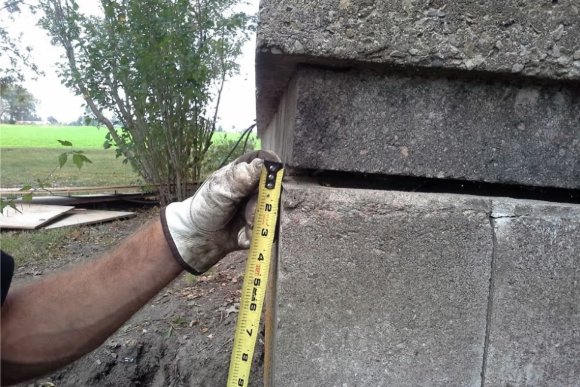
- The gaps have closed: during the dry fall of 2026, a dark gap opened between the soil and the slab in many Shreveport yards. When it closes on its own and the soil sits tight against the concrete, the clay has rehydrated.
- No standing water, no mud: the soil should feel damp, not soggy. If your shoe leaves a wet print or water pools near the slab after a normal rain, the ground is already full.
- Doors and windows ease up: a door that stuck all summer may start swinging freely again as the soil swells back to normal size. That is a good sign, as long as it stops there and does not keep moving.
When three or more of these signs show up together, stop watering on a schedule. Keep checking once a week, because a warm dry spell can dry the top few inches out. If the screwdriver test turns hard and pale again, water lightly for a few days and check again. For the full story, read our guide on foundation settlement and soil watering and how wet and dry weather move Shreveport foundations.
How to Taper Off Without Shocking the Soil
Stopping all at once can undo a summer of good watering. Clay that dries and wets in big swings moves more than clay that changes slowly. The fix is a taper: cut back over two or three weeks so the soil settles into its new, rain-fed rhythm.
Cut frequency first. If you watered three times a week in the summer, drop to twice a week, then once, then stop. Keep each session the same length while you cut the number of sessions. If the soil stays damp two to three inches down on fewer waterings, the taper is working.
Then shorten the sessions. A soaker hose that ran for an hour can drop to thirty minutes, then fifteen, then off. One good rain does not mean the soil is full for the month, so let the ground prove it can stay damp between showers before you quit for good.
Placement matters as much as timing. Keep the hose at least twelve to eighteen inches from the slab, never pressed right against the concrete. Water laid on the slab edge runs down the foundation and pools where it does the most harm. Taper the whole house at once, but check each side on its own: the shady side may be ready to stop a week before the sunny side.
When Overwatering Does Real Damage
Most homeowners worry about dry soil, but wet soil causes just as much trouble in Shreveport. Expansive clay swells when it soaks up water, and that swelling pushes up and sideways with real force. Engineers call it heave, and it is the mirror image of settlement: instead of the house sinking, parts of it lift.
Heave looks a lot like settlement at first glance, which is why it gets missed. Cracks can widen near the top of a wall instead of the bottom. A floor that was level can develop a hump in the middle of a room. Doors that stuck at the bottom in summer may start sticking at the top. If any of these appear after a wet spell or weeks of heavy watering, too much water is the likely cause, not too little.
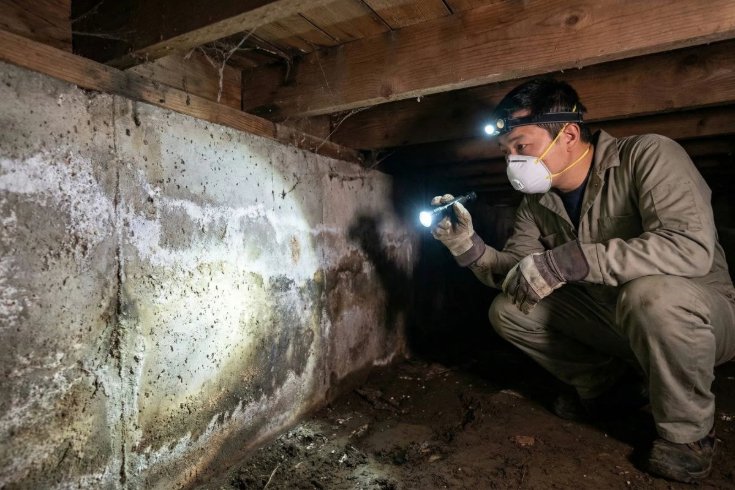
Standing water is the clearest warning sign. If water pools against the foundation after a normal rain, or the soil stays muddy for days, the ground is holding more water than it can drain. That water presses on the foundation wall, seeps into the crawl space, and feeds mold on wood framing.
Overwatering also hides the real problem. A homeowner who keeps the hose running all fall may never notice a downspout dumping water at the corner, or grading that slopes toward the house. The hose masks the drainage trouble until the damage is done. If the soil still will not dry out between rains, stop the hose and look at where the water is coming from. Our post on drought and foundation damage in Shreveport covers the dry side of this cycle. If you see heave signs and are not sure of the cause, a foundation inspection will sort it out. We offer them as part of the inspection, and knowing whether the house is lifting or settling changes the whole repair plan.
What This Fall’s Weather Means for Your Foundation
Timing the changeover is easier when you know what the sky is doing. A cold front moves through Shreveport on Thursday, November 12, bringing cooler air. Colder spots north of town could see patchy frost on Saturday, November 14, though Shreveport itself is not expected to freeze. Then the rain returns on Sunday, November 15, and the wet pattern sets in.
That sequence is the moment to taper off. The front cools the soil and slows evaporation, and the rain that follows does the watering for you. A homeowner who keeps the hose running through that rainy week is watering soil that is already full.
Winter in northwest Louisiana is not a deep freeze, but it is a wet season. Rain comes in steady fronts rather than summer thunderstorms, and the clay stays damp for weeks at a time. That is good news for your foundation, because damp clay is stable clay. So the hose can stay coiled in the garage for most of the winter, coming out only after a dry spell of ten days or more. One caution: do not water the day before a frost, and never run the hose late in the evening. The LSU AgCenter publishes soil-moisture and lawn-care guidance for Louisiana homeowners that backs up the same rule: match watering to the season, and let the weather do the work when it can. The USDA Web Soil Survey has free soil maps for Caddo Parish at websoilsurvey.nrcs.usda.gov.
| When | What the weather is doing | What to do with the hose |
|---|---|---|
| Nov 12 to 14 | Cold front; cooler air, patchy frost possible north of town Saturday | One light watering only if soil is dry below 2 inches |
| Nov 15 to 21 | Rain returns Sunday, Nov 15 | Stop scheduled watering; check soil after the rain |
| Late November | Cooler days, slower evaporation | Water only if a dry spell lasts 10 days or more |
| December | Wet season; steady frontal rain | Usually no watering needed; check after long dry gaps |
Use the table as a starting point, not a rule carved in stone. A rainy November can still hide a dry week, and a warm December can dry the top inches out faster than you expect. The screwdriver test beats the calendar every time.
When to Start Watering Again, and the Mistakes to Avoid
Stopping for the fall does not mean forgetting the hose until July. Winter dry spells happen in Shreveport, and a two-week stretch with no rain and mild, sunny days can dry the top few inches out again. When that happens, water lightly for a few days, check the screwdriver test, and stop again once the soil is damp two to three inches down.
Spring is the other restart point. As the days warm up and the rain becomes less steady, check the soil weekly from March onward. The first dry spell of spring is the moment to bring the hose back out, before the gaps open and the doors start sticking.
A few common mistakes trip up even careful homeowners. Avoid them and the seasonal changeover goes smoothly.
- Watering on a calendar instead of checking the soil: a fixed schedule ignores rain, cool spells, and shade. Check first, water second.
- Laying the hose against the slab: water pressed to the concrete runs down the footing and pools. Keep it twelve to eighteen inches out.
- Watering late at night in cool weather: wet soil stays wet overnight and can freeze. Water in the morning instead.
- Ignoring gutters and downspouts: a clogged gutter dumps a roof full of water at one corner. Clean them before the rainy season.
- Forgetting the dry side after rain: rain falls unevenly, and the side under a big tree or a wide overhang may stay dry.
Done right, the fall changeover is an easy win in home care. You save water and time, and you keep the clay under your house in the steady, damp state it likes best. For the science behind that clay, read our guide to expansive clay soil and Shreveport foundations. And if anything looks off as the seasons change, a crack that is growing, a door that will not close, a floor that feels different underfoot, visit the Pelican Foundation Repair homepage and book a expert inspection. Qualifying repairs carry our 20-year structural warranty, and catching a problem in November is always cheaper than catching it in April.
Frequently Asked Questions
When should I stop watering my foundation in Shreveport?
Stop once the soil stays damp two to three inches down, the gaps around your slab have closed, and steady rain has returned. In Shreveport that usually happens in late fall, around mid-November. Taper off over two or three weeks instead of quitting all at once.
How do I do the screwdriver test for soil moisture?
Push a long screwdriver into the soil about a foot from the foundation. If it slides in easily to two or three inches and the soil looks dark and damp, you have enough moisture. If it stops short and the soil is pale and powdery, the ground is still dry.
Can overwatering my foundation cause damage?
Yes. Too much water makes expansive clay swell, which lifts slab edges, presses on foundation walls, and can crack brick and sheetrock. Standing water also seeps into crawl spaces and feeds mold. The goal is steady, damp soil, never soaked and never bone dry.
Should I water my foundation in winter?
Usually not. Shreveport winters bring steady frontal rain, and the clay stays damp for weeks. Water only after a dry spell of ten days or more, and only until the soil is damp two to three inches down.
How often should I check soil moisture in the fall?
Once a week is enough. Walk the whole house, test both the sunny and shady sides, and look for gaps closing around the slab. Weekly checks catch a dry spell early, before the clay shrinks and the doors stick again.
Do I need a foundation inspection if my doors started sticking after the rain?
Yes, it is worth a look. Doors that stick after wet weather can mean the soil is swelling and lifting part of the house, which is different from summer settlement. A expert inspection will tell you whether the house is lifting or settling.
Pelican Foundation Repair
6118 Fairfield Ave, Shreveport, LA 71106, USA
318-585-2003
https://foundationrepairshreveport.com/