Buying a Home? Why a Foundation Inspection Comes First
A pre-purchase foundation inspection checks the home’s foundation before you commit, so hidden settlement, water damage, or costly repairs surface while you can still negotiate.
Yes, get a foundation inspection before you buy, especially in Shreveport where expansive clay soil moves with the seasons. A contractor’s inspection looks for settlement, cracks, moisture, and drainage problems, and the report gives you repair costs you can use to negotiate price, ask for repairs, or walk away before closing.
Buying a house is the largest purchase most people ever make, and the foundation is the part you cannot easily swap out later. Paint can be redone, kitchens can be remodeled, but a settling foundation follows the house. That is why the inspection order matters. A foundation check before you remove your inspection contingency puts real information in your hands at the one moment when it still changes the deal.
Many buyers rely on the general home inspection alone and assume the foundation got a full review. A general inspector does look at visible foundation signs, but a dedicated foundation inspection goes further: it measures, photographs, and maps what it finds, and it ends with a repair scope and a cost range. That difference matters when you are deciding whether to ask for a credit, request repairs, or keep looking.
What a Pre-Purchase Foundation Inspection Actually Covers
A foundation inspection starts outside. The inspector walks the perimeter looking for cracks in brick and block, gaps around windows and doors, leaning or bowing walls, and signs of past patching. Fresh mortar smeared over a crack, for example, tells a different story than an old, stable hairline crack, and an experienced eye knows the difference.
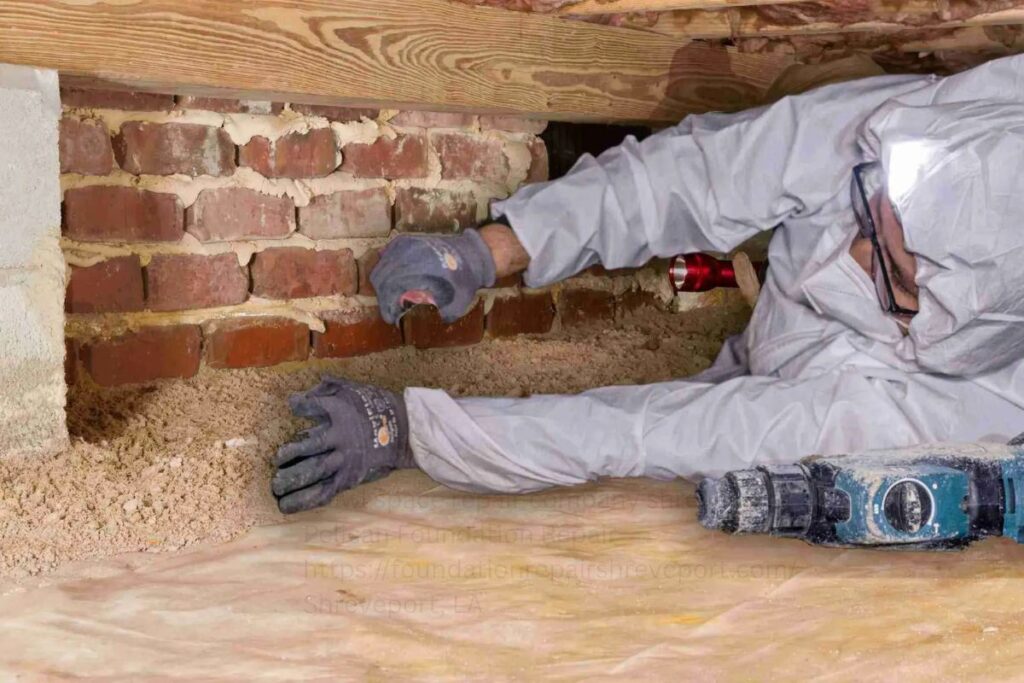
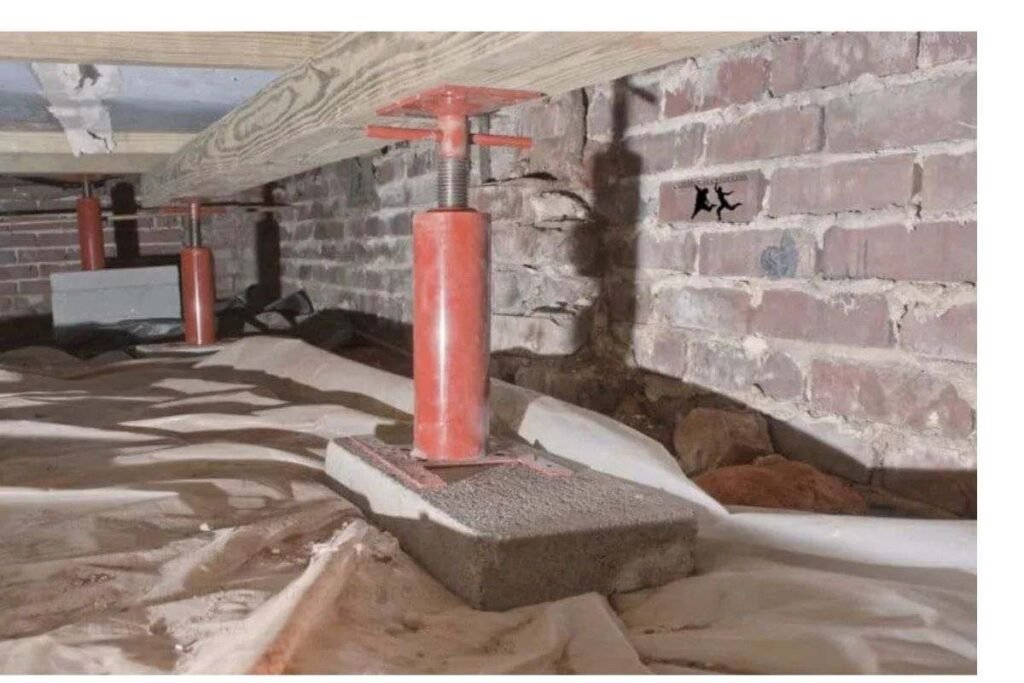
Inside, the inspector checks floors for slope and bounce, doors and windows for sticking, and walls and ceilings for cracks that line up with outside damage. In a pier-and-beam home, the crawl space gets a close look: moisture on the soil, wood rot, sagging joists, and piers that have shifted or sunk. In a slab home, the focus shifts to floor cracks, tile that has popped loose, and baseboards pulling away from walls.
Drainage gets its own review, because water is the cause behind most foundation trouble in northwest Louisiana. The inspector looks at grading around the house, gutter downspouts, and low spots where water ponds against the foundation. A house with a sound foundation and terrible drainage is still a house headed for trouble, and the report should say so plainly.
What you get at the end is a written report with photos, measurements, and a plain-language summary: what was found, what it likely means, and what repair would cost as a range. It is not a stamped engineering report, and it is not a pass-or-fail grade. It is a working document your agent can use in negotiation and your lender may want to see.
Why Shreveport Homes Need Extra Attention Before Closing
Shreveport sits on expansive clay soil that swells when wet and shrinks when dry, and that seasonal movement is hard on foundations. A long dry summer can open gaps around a slab in Broadmoor or South Highlands, and a wet winter can swell the same soil back and push walls the other way. The U.S. Geological Survey notes that swelling soils damage foundations across the country, and northwest Louisiana is no exception.
Age adds a second layer. Older pier-and-beam homes in neighborhoods like Highland and Queensborough, many built before 1970, have wood framing and piers that have lived through decades of moisture cycles. Newer slab homes in subdivisions around Ellerbe Road and in Bossier City, ZIP code 71111, face a different risk: slabs poured over clay that was not kept at steady moisture during construction. Both types can be perfectly sound, but both deserve a close look before money changes hands.
Local knowledge matters here. An inspector who works in Shreveport, ZIP codes 71106, 71105, and 71104, knows which streets sit on the heaviest clay, which subdivisions have a history of drainage complaints, and how the Red River valley soils behave after a wet spring. That context turns a generic crack report into advice that fits the actual house in front of you.
Reading the Report: What Common Findings Mean
Not every finding is bad news. In fact, most pre-purchase inspections end with a mix of routine items and one or two things worth attention. The table below shows how to read the most common results without panicking and without brushing them off.
| Finding | What it usually means | How buyers usually handle it |
|---|---|---|
| Hairline shrinkage cracks | Normal curing or seasonal movement, stable over time | Note it, seal it if needed, and move on |
| Stair-step cracks in brick | Possible settlement or heaving under one section | Get a repair estimate and negotiate price or repairs |
| Sloping or bouncy floors | Pier settlement, joist sag, or subfloor wear | Ask for a leveling scope and cost before closing |
| Standing water in the crawl space | Drainage failure, plumbing leak, or high water table | Require drainage or plumbing correction, or a credit |
| Signs of past pier work | A previous owner already paid for stabilization | Ask for warranties, permits, and the original report |
The key question for every finding is whether it is stable or still moving. A crack that has sat unchanged for years is a maintenance item. A crack that is widening, a floor that keeps sloping, or water that keeps returning is an active problem with an active price tag. If the report cannot answer the stable-or-moving question, ask for a follow-up: a crack monitoring plan or a second look after a heavy rain can settle it.
How Findings Affect Your Offer, Repairs, and Contract
A foundation report changes the conversation with the seller, and a good agent knows how to use it. There are usually four paths, and the right one depends on the size of the problem and how much you want the house.
- Ask the seller to repair before closing: best for clear, fixable problems like drainage correction or a defined pier scope, with receipts and warranties handed over at closing.
- Ask for a price reduction or credit: best when you would rather choose your own contractor after closing, or when the repair scope is still uncertain and you want a cushion.
- Split the difference: common for mid-size findings, where the seller covers part of the cost and you accept the rest as the price of a house you want.
- Walk away: the right call when the repair cost wipes out your budget, when damage is extensive, or when the seller will not disclose past work.
Watch your contingency deadlines. Most purchase contracts give you a limited inspection window, often around 10 to 15 days, and your right to renegotiate or exit usually ends when that window closes. Book the foundation inspection early in the window, not at the end, so there is time for a contractor’s estimate and a second conversation with the seller.
Lenders can also weigh in. Some loan programs require foundation problems to be repaired before funding, and an appraiser who spots visible damage may flag it. Finding this out during your inspection period is far better than finding it out the week before closing, when your options have narrowed to paying up or losing the house.
Foundation Inspection vs Home Inspection vs Appraisal
Buyers often confuse these three, and the confusion costs people. Each one answers a different question, and only one of them looks hard at the foundation.
- General home inspection: a broad survey of the whole house, including visible foundation signs, roof, plumbing, and electrical. It flags concerns but rarely measures settlement or scopes a repair.
- Foundation inspection: a focused review by a foundation contractor, with measurements, photos, and a repair scope and cost range. This is the report you negotiate from.
- Appraisal: a lender’s valuation of the house, not a condition report. An appraiser may note obvious damage, but the appraisal does not diagnose foundation problems.
- Structural engineer report: a paid, stamped engineering analysis. Worth it for complex cases, disputed findings, or when a lender requires one, and it pairs well with a contractor’s repair estimate.
If your general inspector flags a foundation concern, that is your cue to bring in a foundation contractor before the inspection window closes. The U.S. Department of Housing and Urban Development publishes homebuying guidance that stresses independent inspections, and the principle holds here: the people with the most at stake in the sale should not be your only source of information about the house.
What to Do on Inspection Day
You do not need to be an expert to get value from inspection day. You need to show up, ask plain questions, and leave with a written report.
- Attend in person: walking the property with the inspector teaches you more in an hour than the report alone will.
- Bring the seller’s disclosure: compare what was disclosed against what the inspector finds, and ask about anything that does not match.
- Ask what is stable and what is moving: this one question separates routine cracks from active problems.
- Check crawl space access: if the crawl space cannot be entered, say so in writing, because an uninspected crawl space is an unknown, not a clean bill of health.
- Look at drainage with your own eyes: stand outside during or after rain if you can, and see where water actually goes.
- Get the report in writing before you decide: verbal reassurance is not something your agent can negotiate with or your lender can file.
For a fuller picture of what happens during the visit, read the guide on what to expect during a foundation inspection, and if you are unsure about timing, the guide on when to get a foundation inspection covers the triggers that mean “now, not later.”
Red Flags That Should Pause the Deal
Most houses with foundation findings are still worth buying at the right price. A few patterns, though, should make any buyer slow down and ask harder questions.
- Fresh cover-ups: new paint, mortar, or caulk smeared over cracks right before listing, with no disclosure of prior work.
- Multiple symptoms at once: cracks plus sticking doors plus sloping floors plus water stains point to movement, not a single cosmetic flaw.
- Refused access: a seller who will not allow crawl space or attic access is hiding either a problem or a negotiation.
- No paperwork for past repairs: pier work with no warranty, no permit record, and no contractor name is a risk you inherit.
- Active water entry: water coming through a wall or pooling under the house will keep damaging the structure until the source is fixed.
None of these automatically kills a deal, but each one raises the price of certainty. A second opinion, an engineer’s report, or a seller-funded repair with a transferable warranty can turn a red flag back into a normal negotiation. What you should not do is waive the inspection to win a bidding war on a house with visible foundation symptoms. The money you save by skipping the check is small next to the repair bill you may inherit.
A pre-purchase foundation inspection is the cheapest insurance in the whole homebuying process, and in Shreveport it is free from Pelican. The foundation inspection service page describes what the visit covers, and Pelican Foundation Repair offers expert inspections across Shreveport, Bossier City, and the surrounding areas, with a 20-year structural warranty on qualifying repairs.
Frequently Asked Questions About Foundation Inspections Before Buying
Should I get a foundation inspection before buying a house in Shreveport?
Yes, especially in Shreveport, where expansive clay soil moves with wet and dry seasons. A foundation inspection finds settlement, cracks, and drainage problems while you can still negotiate price, request repairs, or walk away.
How much does a pre-purchase foundation inspection cost?
A contractor inspection is often included, and Pelican offers expert inspections. A stamped engineer’s report usually costs a few hundred dollars, and it is worth it for complex cases or when a lender requires one.
What happens if the inspection finds foundation problems?
You can ask the seller to repair the problem, ask for a price reduction or credit, split the cost, or walk away if the repair bill is too large. The report gives you the numbers to make that call.
Can I ask the seller to fix foundation problems before closing?
Yes, and it is common. Ask for the repair to be done by a licensed contractor, with receipts and any warranty transferred to you in writing at closing.
Does a general home inspection cover the foundation?
Only in a general way. A home inspector notes visible foundation signs, but a dedicated foundation inspection measures settlement, photographs damage, and provides a repair scope and cost range.
How long does a pre-purchase foundation inspection take?
Most visits take one to two hours, depending on the size of the house and whether the crawl space is accessible. You should receive the written report within a day or two.
Should I still get an inspection on a newly built home?
Yes. New slabs can settle, drainage can be graded wrong, and warranty claims are easier when problems are documented early. A pre-purchase inspection on a new build protects both your purchase and your warranty rights.
Pelican Foundation Repair
6118 Fairfield Ave, Shreveport, LA 71106, USA
318-585-2003
https://foundationrepairshreveport.com/