What Happens If You Ignore Foundation Problems?
Ignoring a foundation problem rarely makes it go away. Small cracks widen, doors stick worse, floors slope further, and a repair that started small usually ends up bigger and costlier.
If you ignore foundation problems, the damage typically follows a slow timeline: cracks widen as the soil keeps cycling, doors and floors get worse, water finds its way in, and plumbing under or near the foundation can break. The house does not collapse overnight, but every season of waiting usually turns a smaller repair into a larger one.
That timeline is worth understanding honestly, without scare tactics. Plenty of foundation cracks are cosmetic and never need more than monitoring. But the cracks and symptoms that do signal movement do not freeze in place. Shreveport’s expansive clay keeps swelling and shrinking with every wet and dry cycle, and a house sitting on it keeps moving with the soil. The question is never whether time helps. It is whether your particular problem is the stable kind you can watch, or the moving kind that gets more expensive while you wait.
First, the Honest Exception: Some Problems Can Wait
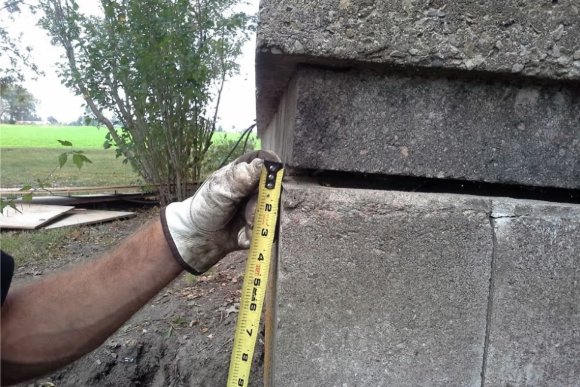
Not every crack is an emergency, and any honest post on this topic has to say so first. Hairline cracks in drywall at door corners, thin vertical cracks in a foundation wall that have not changed in years, and a single sticking door after an unusually wet season are often seasonal movement, not structural failure. For those, monitoring is the right move: mark the crack ends with a pencil and date, photograph them with a coin for scale, and recheck in a few months and again after the next big wet-dry swing.
The danger is not watching. It is assuming. A crack you never measure can grow for years while you tell yourself it has always been there, and by the time a door will not close or a floor slope is obvious to guests, the repair has changed character. The difference between safe waiting and costly waiting is not courage or optimism. It is measurement. If you are going to wait, wait with a pencil, a camera, and a calendar, and with a clear rule for what will make you call.
A expert inspection is the simplest way to set that rule. Elevation readings turn your notes into numbers, and numbers tell you whether the house is stable, moving slowly, or moving enough to act on now. For the difference between cosmetic and structural cracks, see our post on cosmetic cracks versus structural cracks.
The Timeline: What Usually Gets Worse, and When
Foundation damage rarely jumps from fine to catastrophic. It walks, and the walk has recognizable stages. Understanding them helps you judge where your house sits on the timeline rather than guessing from fear or from reassurance.
In the early stage, the signs are cosmetic: hairline cracks, a door that rubs, a hairline gap where a wall meets a ceiling. The house still functions normally, and most visitors would notice nothing. This is the cheapest stage to act in, because the work, if any is needed, is usually limited: crack repair, drainage correction, or simply a monitoring plan with a professional baseline.
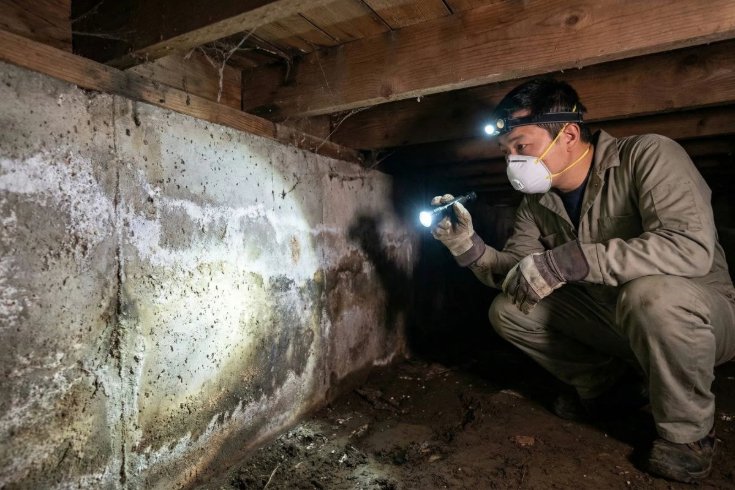
In the middle stage, the signs become functional. Doors and windows stick regularly, floors slope enough to feel underfoot, tile grout cracks in lines, and gaps open around window frames. Water may start entering through cracks or through the joint where a wall meets a floor, especially after heavy rain. In pier-and-beam homes, this is also when damp, weakened joists and supports start to sag, and when musty crawl space smells reach the rooms above. Repair at this stage is a real project: piers, leveling, or structural work, plus the drainage or moisture fix that caused it.
In the late stage, the problems compound into each other. Persistent movement stresses rigid plumbing, and pipes under a slab or in a crawl space can crack or separate, leaking water into soil that was already unstable and accelerating the cycle. Walls can bow or separate from the frame, brick veneer can crack in stair-steps across whole elevations, and floors can slope enough to affect how furniture sits and how rooms feel. At this point the repair bill covers not just the foundation but the secondary damage: plumbing, flooring, drywall, and sometimes mold remediation in spaces that stayed damp too long.
None of this happens on a fixed schedule. A well-drained house on stable ground can sit in the early stage for years. A house with failed drainage on heavy clay can move through the stages in a few wet seasons. That variability is exactly why measurement matters more than any timetable anyone could print.
The Hidden Costs of Waiting
The most obvious cost of waiting is the repair itself growing. A crack that could have been sealed can become a wall section that needs stabilization. A few piers can become a full perimeter job. A sagging floor that needed one new support can need several joists replaced. In general, foundation work gets more expensive as the area of movement grows, because crews must stabilize more of the house, not just the first corner that moved.
Then come the secondary costs, which homeowners often underestimate. Plumbing repairs under a slab are disruptive and expensive on their own, and they usually arrive as emergencies rather than planned work. Flooring laid over a moving floor cracks or buckles and must be redone after the foundation is fixed, which means paying for the floor twice. Drywall, trim, and brickwork damaged by ongoing movement need repair after stabilization, not before, or the same cracks simply reopen.
Water is the quietest secondary cost. Cracks that admit water feed mold in wall cavities and crawl spaces, damage stored belongings, and, in pier-and-beam homes, rot the very wood the house stands on. And there is a comfort cost that never shows on an invoice: years of sticking doors, sloping floors, and worry every time it rains, all for a problem that could have been measured and understood in a single free visit.
| Stage | What you see | What it usually needs | Cost direction |
|---|---|---|---|
| Early: cosmetic | Hairline cracks, one rubbing door | Monitoring, crack repair, drainage fixes | Lowest; often monitoring only |
| Middle: functional | Sticking doors and windows, sloping floors, water entry | Piers or leveling, plus moisture and drainage work | A real project; grows with the area moved |
| Late: compounding | Plumbing breaks, bowing walls, major brick cracking | Foundation work plus plumbing, flooring, and finish repairs | Highest; secondary damage joins the bill |
| At sale time | Inspector flags, lender questions, buyer walkaways | Documented repair, engineer input, or price cuts | Paid in price, delay, or lost sales |
What Waiting Does to Selling Your Home
Even homeowners who plan to live with a problem for years eventually meet it again at sale time, and that is where undocumented, unmeasured problems cost the most. A buyer’s inspector will find the cracks, the sloping floors, and the sticking doors, and a lender may require an evaluation before approving a loan. At that point you are negotiating from weakness: either you pay for the repair on a rushed timetable, you accept a price cut that usually exceeds the repair cost, or you lose the buyer and start over with a disclosure that follows the house.
A documented history changes the conversation completely. A homeowner who can show dated photos, elevation readings, and a professional evaluation, and who repaired what needed repairing with a 20-year structural warranty on qualifying repairs, is selling a solved problem. A homeowner with nothing but reassurance is selling a question mark, and buyers discount question marks heavily. For the full picture, see our post on foundation repair and home resale, and our guide to whether foundation repair is worth it.
There is also a warranty trap worth knowing about, and it cuts both ways. Some homeowners delay because they assume a warranty, theirs or a previous owner’s, will cover the work later. Coverage varies by company and must be in writing, and waiting can turn a covered, straightforward repair into a larger job with exclusions. Do not assume transferability or coverage without reading the actual warranty document. Our post on what to ask about foundation repair warranties lists the questions that protect you.
When Waiting Stops Being Safe
Most foundation problems give you time, but a few signs mean the waiting is over, and they are worth knowing by heart. Call promptly, not eventually, if you see a wall bowing inward, a crack wide enough to fit a pencil into, a floor that has dropped noticeably in one area, water entering through a foundation crack, any sign of a plumbing leak under the house, or a door or window that suddenly will not open at all. Sudden change is the key word: a house that moves gradually for years and then jumps has had something change underneath it, and that something deserves immediate attention.
Safety first, always. Do not enter a crawl space with standing water, do not touch wet electrical equipment, and do not try to jack or level anything yourself. Foundation work involves loads measured in tons, and improvised lifting can crack walls, break plumbing, and injure people. The right first step is always the same and always free: an inspection that measures what moved, by how much, and what is causing it. Start at our homepage, see our foundation crack repair service, and note the LSU AgCenter and U.S. Environmental Protection Agency resources on Louisiana soil, moisture, and indoor air.
- Safe to watch, with measurement: stable hairline cracks, one door that rubs after a wet season.
- Act soon: cracks growing between checks, multiple sticking doors, floors sloping more each year.
- Act now: bowing walls, pencil-width cracks, sudden movement, water entry, suspected plumbing leaks.
- Never DIY: no improvised jacking or leveling; loads are measured in tons and mistakes break more.
- Document everything: dated photos and elevation readings turn worry into a plan.
- Fix water first: drainage and moisture control decide whether any repair will last.
Frequently Asked Questions
Will a small foundation crack get worse if I ignore it?
Not always, but often. A stable hairline crack may stay unchanged for years, while a crack tied to ongoing settlement usually widens with each wet-dry cycle. Marking and photographing it over a few months tells you which kind yours is.
How long can I safely delay foundation repair?
There is no safe universal timetable. It depends on whether the house is still moving, how fast, and why. A house with stable readings can wait with monitoring; a house with growing movement gets more expensive to fix with every season of delay.
Can ignoring foundation problems break my plumbing?
Yes. Persistent, uneven movement stresses rigid pipes, and pipes under a slab or in a crawl space can crack or separate. A plumbing leak then adds water to already unstable soil, which speeds up the very movement that caused the break.
Does waiting affect my home’s resale value?
Yes, usually more than the repair would have cost. Buyers and lenders treat undocumented foundation problems as risk, and price cuts or lost sales commonly exceed the cost of a documented, warranted repair done on your own timetable.
What is the first sign that waiting has gone too far?
A pattern, not a single crack: cracks growing between checks, doors and windows sticking worse each season, floors sloping more year to year, or water entering through cracks. Any one of those, plus sudden change, means it is time for an inspection.
Is it cheaper to fix a foundation problem early?
Almost always. Early problems are usually limited to crack repair, drainage correction, or monitoring, while later problems add piers, leveling, and secondary repairs to plumbing, flooring, and finishes. The area of movement, not the calendar, drives the price.
What should I do first if I am worried about my foundation?
Document what you see with dated photos, mark crack ends with a pencil, and get a expert inspection with elevation readings. That gives you numbers, a cause, and a plan, whether the answer turns out to be monitoring or repair.
Pelican Foundation Repair
6118 Fairfield Ave, Shreveport, LA 71106, USA
318-585-2003
https://foundationrepairshreveport.com/