 Skip to main content

Selling a Home After Foundation Repair: Disclosure & Value
Thinking of selling a Shreveport home after foundation work? Here is how Louisiana disclosure, your repair paperwork, and a warrantied job shape your sale — and what buyers want to see.
Does foundation repair hurt your home’s value when you sell? Generally, no — a completed, documented, warrantied repair reads as a problem solved, not a problem lurking. Buyers fear unknown settlement far more than a fixed one with paperwork. Unrepaired movement, on the other hand, can stall or sink a sale.
If you repaired your foundation in South Highlands, Broadmoor, or along the Ellerbe Road corridor and are now thinking about listing, this guide covers what you need: Louisiana disclosure basics, the paperwork buyers and appraisers care about, timing your sale around the work, and how to answer buyer objections. One note first: this is general information, not legal advice — confirm the details with your Louisiana real estate agent or attorney before you sign anything.

Louisiana Disclosure: What Sellers Should Know
Do you have to tell buyers about the foundation work? In Louisiana, sellers are generally required to disclose known material defects — problems you know about that would matter to a reasonable buyer. A history of foundation settlement fits that description, repaired or not.
The common mistake: assuming that because the foundation was fixed, there is nothing to disclose. The disclosure form is exactly where good news belongs — right next to the problem it solved. Disclose the repair itself: what was wrong, what was done, when, and by whom, with paperwork to back it up. The Louisiana Real Estate Commission (lrec.gov) oversees real estate transactions in the state, and your listing agent can walk you through the current property disclosure form. Forms get updated, so work from the current version.
Why honesty beats silence
The buyer will get a home inspection, and NW Louisiana inspectors are not subtle about foundation signs — stair-step brick cracks, patched drywall, recently re-hung doors. If the inspection finds settlement you did not disclose, the sale usually goes one of two ways: the buyer walks, or the buyer demands a steep discount and a repair on their timeline. A seller who discloses upfront with a warranty packet stays in control of the story.
Keep the disclosure simple and factual: the home experienced settlement, here is the method used (steel push piers, helical piers, foam lifting), the date, and the company. Attach the paperwork. Buyers do not need a dramatic narrative — they need facts they can verify.
Why Unrepaired Settlement Scares Buyers Away
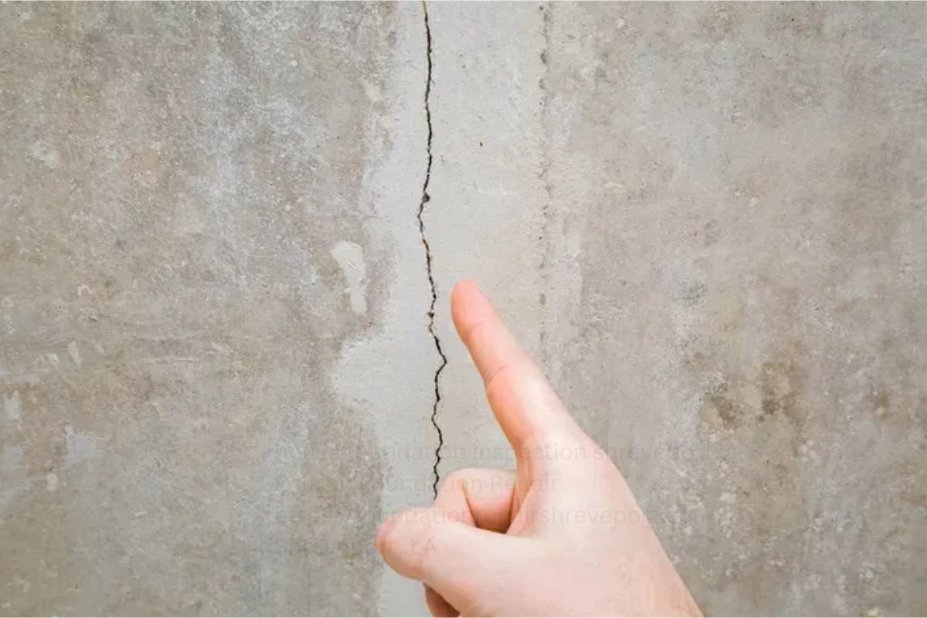
A documented repair helps your sale; unrepaired settlement is one of the fastest ways to slow a sale down in the Shreveport–Bossier market. It starts with the home inspector. One mention of “signs of differential settlement” in an inspection report changes the entire conversation — suddenly the buyer is thinking about a five-figure repair bill they never budgeted for.
Then come the appraiser and the lender. Appraisers note structural concerns, and lenders — especially on government-backed loans — can require repairs as a condition of funding. Around Barksdale AFB, a big share of buyers use VA loans with thorough inspections, and a flagged foundation can freeze the deal until someone fixes it.
And even when the deal survives, the seller pays. Buyers price unknown risk aggressively: they assume the worst, add a cushion, and ask for it off the price. Selling with unrepaired settlement usually means accepting less than the repair would have cost, plus weeks of extra negotiation. Our guide on selling a house with foundation problems walks through that math.
The three questions every buyer asks
- “Will it move again?” Really a question about method. Piers driven past the active clay zone to genuine bearing do not ride the seasonal swell-and-shrink cycle. Documentation of pier depth and placement answers the fear with engineering, not promises.
- “Who did the work, and are they still around?” A repair from a local company with a physical Shreveport office carries weight in a market that has seen storm-chasers come and go. Keep the company’s contact information in the packet.
- “What does the warranty actually say?” Hand buyers the written terms — length, coverage, what voids it — and let the document speak. Do not paraphrase or promise anything the paper does not say.
Every one of these questions is answered by paperwork, not charm. Sellers who assemble the packet before listing never scramble for answers mid-negotiation.
How Documented Repair Reads to Buyers and Appraisers
Think of your repair documentation as the foundation’s résumé: it turns an abstract worry into a finished project with a beginning, a middle, and a paper trail. A strong packet includes:
- Pre-repair elevation readings. The measured map of where the foundation had dropped and by how much — proof the problem was real and specific.
- The written proposal or pier plan. The diagnosis, the method, the number and placement of piers. It shows the repair was designed, not guessed at.
- Final post-lift readings. Proof the foundation was brought back to level — the single most persuasive thing you can hand a skeptical buyer.
- The written warranty. Full terms on paper. Qualifying pier work carries a 20-year structural warranty; include the actual document.
- Company contact information. A buyer who can call the contractor and verify the job feels like they are buying a maintained home, not inheriting a mystery.
Appraisers treat this packet kindly. An appraiser comparing your home to similar ones in Broadmoor or the 71106 and 71105 ZIPs looks for reasons to adjust value up or down — documented structural repair with warranty removes a downward adjustment before it is even asked for. For cost context, see our breakdown on whether foundation repair is worth it.
| Selling factor | With documented repair | With unrepaired settlement |
|---|---|---|
| Buyer confidence | Problem solved, paperwork proves it | Unknown risk; buyer assumes the worst |
| Disclosure | Issue plus repair documented upfront | Known defect with no resolution to show |
| Home inspection | Inspector verifies a finished repair | Settlement flagged; deal slows |
| Lender/appraisal | Resolved condition, smoother process | Structural flag can stall funding |
| Negotiation | Seller keeps control of the price | Buyer discounts aggressively for risk |
Timing Your Sale Around Completed Repairs
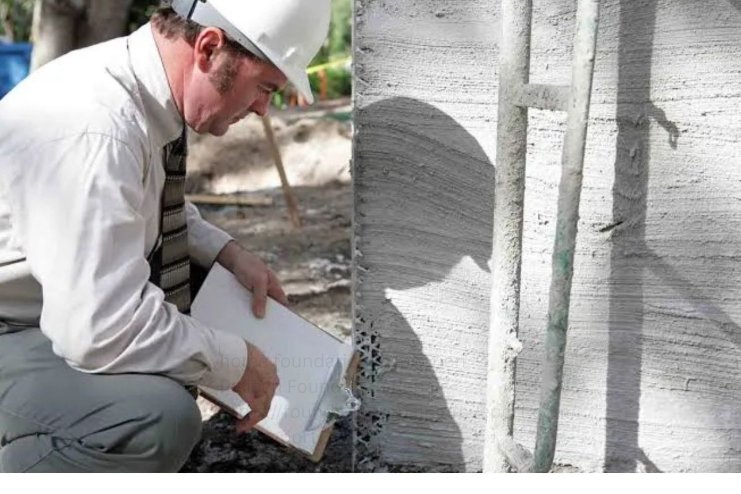
The ideal sequence: repair first, ideally months before listing. Then let the house live through a full weather cycle — one dry stretch and one wet stretch — so any residual cosmetic settling shows up on your terms. Then list, with the elevation readings and warranty in the disclosure packet from day one.
The weather cycle matters because our expansive clay moves with moisture. A home that sits through both extremes after the repair demonstrates stability no promise can match. If a hairline crack reappears in patched drywall after a heavy rain, you fix it cheaply in a quiet month instead of explaining it during escrow.
Practical timing tips
- Do cosmetic touch-ups last. Repoint brick, re-caulk trim, and repaint patched drywall after the lift — lifting can open small cosmetic cracks as the house settles into position.
- Keep drainage working through the sale. Clean gutters, extend downspouts away from the slab, keep the grade sloping away from the house. A buyer who visits after rain and sees water pooling at the foundation will ask questions no warranty can fully answer.
- Photograph the work. Before, during, and after photos make the project real for buyers who will never crawl under the house.
- Tell your agent everything. Give the listing agent the full packet at the listing appointment, not the week before closing.
On a tight timeline — a PCS move from Barksdale, a job change — you can list soon after the repair. Be upfront about the recency, hand over the final readings, and price with confidence. A fresh warrantied repair beats a stale unrepaired problem every time.
Handling Buyer Objections: What to Say and Show
Even with great paperwork, some buyers hesitate when they hear “foundation” — the word carries weight in Louisiana because our clay makes settlement common enough that everyone knows someone with a horror story. Do not minimize the history; redirect the conversation to the evidence.
Answer every objection with a document. “Will it move again?” gets the final elevation readings and the pier plan. “Who did the work?” gets the contractor’s proposal and contact information. “What does the warranty say?” gets the written terms, in full. Calm, factual, paper-backed. A few situations you will actually face:
- The buyer wants their own inspection of the repair. Welcome it. A second opinion that confirms the first is the best closing tool you can buy.
- The buyer’s agent pushes for a price cut “because of the foundation history.” Point to the documentation and the warranty, and hold your ground politely. A resolved issue is not a defect in progress.
- A lender asks for additional documentation. Common with VA and FHA loans. Send the elevation readings, method, and warranty the same day — speed kills lender anxiety.
- The buyer asks about insurance. That is their question to explore with their own insurer, but our overview of whether homeowners insurance covers foundation repair is a useful starting point.
Do not apologize for the repair. You hired a professional foundation repair company in Shreveport, fixed a structural problem correctly, and kept the receipts. That is responsible homeownership, and most buyers read it exactly that way.
The Drought-to-Rain Factor: Why This Fall Matters
Something timely for anyone listing in northwest Louisiana right now: we have just come through more than six straight dry weeks, and the clay under our homes is shrunk and thirsty. The first meaningful rain arrives Halloween weekend, October 30–31, ahead of a forecast wetter-than-average winter. That dry-to-wet swing is the hardest annual transition for foundations in the Shreveport–Bossier area.
For sellers, that means two things. First, homes that looked fine during the drought can reveal movement after the rain — sticking doors, a crack that was a hairline in September and is not anymore. A pre-listing inspection now tells you what buyers’ inspectors will find in November. Second, if you already repaired your foundation, this is the season that proves the work — one wet cycle on new piers is worth a thousand reassurances.
Buyers shopping now have the same weather on their minds, which makes documentation more valuable, not less. “Repaired in spring, sat through the fall rains with no movement, here are the readings” is selling certainty in a season of shifting clay. And if you are on the buying side of this market, our guide to buying a Shreveport home with foundation issues shows what to look for from the other chair. Considering an inspection before you list? Start with our foundation inspection service.
Frequently Asked Questions About Selling After Foundation Repair
Do I have to disclose a foundation repair when I sell my Louisiana home?
Generally, yes — Louisiana sellers are typically required to disclose known material defects, and a history of foundation settlement usually qualifies. Disclose the repair with the paperwork attached: what was done, when, by whom, and the warranty terms. Confirm the details with your real estate agent or a Louisiana attorney.
Does foundation repair hurt my home’s value?
A completed, documented, warrantied repair generally helps rather than hurts — it reads as a problem solved. What hurts value is unrepaired settlement, which invites lowball offers, inspection flags, and lender conditions.
Will the warranty transfer to the buyer?
That depends entirely on the written warranty for your specific repair — terms vary by company and job, so read your actual document rather than assuming. Hand the buyer the full written terms and let them confirm the details directly with the repair company. Never promise transferability you cannot verify in writing.
Should I repair the foundation before listing or sell as-is?
Repairing first almost always puts you in the stronger position: you control the contractor, the cost, and the timeline. Selling as-is hands all three to the buyer, who will price the risk aggressively. Disclosure rules apply either way.
What paperwork should I give the buyer?
The pre-repair elevation readings, the written proposal or pier plan, the final post-lift readings, the written warranty terms, and the contractor’s contact information. Before-and-after photos are a persuasive bonus.
Can a buyer get a mortgage on a home with a repaired foundation?
Generally, yes — a documented, warrantied repair is far easier for lenders to accept than an open structural issue. VA and FHA loans may ask for the repair documentation, so respond quickly with the paperwork. Buyers should confirm requirements with their own lender.
How long should I wait after the repair before selling?
If you can, let the home sit through one full wet-and-dry weather cycle before listing. If a move forces a faster timeline, list with the final elevation readings and full documentation — a fresh warrantied repair still beats an unrepaired problem.
What if the buyer’s inspector finds settlement during the sale?
Share your repair documentation with the buyer’s side immediately and offer to have your contractor answer questions — or welcome a second inspection, which often confirms the repair and closes the issue.
Pelican Foundation Repair
6118 Fairfield Ave, Shreveport, LA 71106, USA
318-585-2003
https://foundationrepairshreveport.com/