Why Foundation Cracks Show Up Weeks After Heavy Rain
The rain stopped days ago, so why is a crack on your wall? In Shreveport, the drying, not the rain, is the cause, and it can take weeks to show.
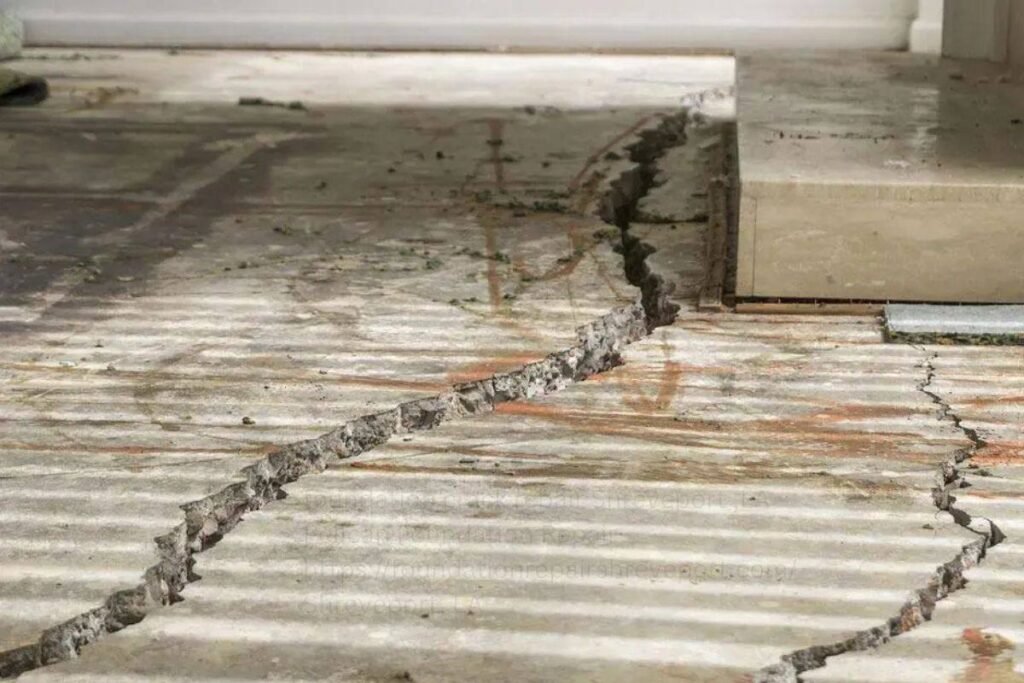
Foundation cracks often appear weeks after heavy rain because Shreveport’s clay soil swells when soaked, then shrinks as it dries. The shrinking soil pulls away from the foundation, letting parts of the house settle unevenly, and that is when cracks open.
It feels backwards. You would expect the worst of a storm to show while the water is still falling. But the foundation damage often arrives later, quietly, in the dry weeks after, and a new crack can still appear a month later. What happened in between was the soil drying.
This post explains the delay, why Shreveport clay makes it worse, what happened after the early November storms, and how to spot a drying crack that needs urgent attention.
The Rain Is Gone, So Why Are Cracks Appearing Now?
Wet soil and dry soil move in opposite directions, and the foundation feels both. Heavy rain soaks the clay under and around your house, and it swells, pushing against the foundation. Then the rain stops and the soil dries. As it dries, the clay shrinks, pulling away from the foundation and leaving gaps under the house.
The shrinkage is what opens cracks. A section held up by swollen clay is suddenly sitting over soil that has pulled away, and the house settles into the gap. The settling is rarely even: the sunny side dries faster than the shaded side, and soil under a big oak dries faster than open lawn. Uneven settling cracks concrete, brick, and drywall, on the drying schedule.
That is why the timing confuses people. The storm that caused the problem can be weeks in the past by the time the crack appears, and by then the yard looks dry and normal. In Shreveport, heavy clay and fast weather swings run this cycle several times a year. Our post on foundation movement in wet and dry weather explains the full cycle in both directions.
How Shreveport Clay Swells and Shrinks
Not all soil behaves this way. Sandy soil drains fast and barely changes volume wet or dry. Much of Caddo and Bossier parishes sits on expansive clay, a heavy, sticky soil that swells when it absorbs water and shrinks just as much when it dries. Engineers call this shrink-swell behavior, the biggest reason for foundation problems in northwest Louisiana.
Expansive clay can change volume by a large fraction as its moisture changes, so a foundation can lift in a wet spell and drop in a dry spell. Each cycle stresses the concrete, and the stress shows up first at the weak points: mortar joints, window and door corners, and ceiling seams. Broadmoor and South Highlands feel this more than homes on sandier ground near the Red River.
Trees make the pattern stronger. A large oak or pecan near the house drinks a lot of water daily, and in a dry spell it pulls moisture from the clay beside the foundation, shrinking the soil fastest there. Gutters matter too: water dumped at the base of the wall soaks one patch of clay while the rest stays dry, and that uneven wetting becomes uneven drying weeks later. See our post on Louisiana clay soil and foundation damage.
The November Pattern: Soaked, Then Drying
The first week of November 2026 showed this cycle in action. A strong cold front crossed the ArkLaTex on Tuesday, November 3, bringing strong thunderstorms and heavy rain. The National Weather Service in Shreveport issued a flash flood warning for southern Bossier Parish and southwestern Caddo Parish, with 1 to 2 inches of rain falling across the warned area, and the warning named Shreveport, Bossier City, Haughton, Greenwood, and Red Chute. Cooler, drier air moved in behind the front.
The days that followed were the drying half of the cycle. Highs settled into the 60s, lows dropped into the 40s and 50s, and the rain stayed away. That is exactly the pattern that opens cracks: a thorough soaking, then a dry, cool stretch that pulls moisture back out of the clay. The ground swollen on November 3 spends the following weeks shrinking. Mid to late November is the right time to check your walls, when cracks from the November 3 soaking are most likely to appear.
This is a past pattern, not a forecast, and it holds for any storm: heavy rain followed by a dry spell runs the same cycle, and the check you do after one storm is the check to do after every storm. Our post on the foundation check to do after heavy rain covers the first days; this post covers the weeks after.
Which Cracks Mean Shrinkage, and Which Mean Something Else
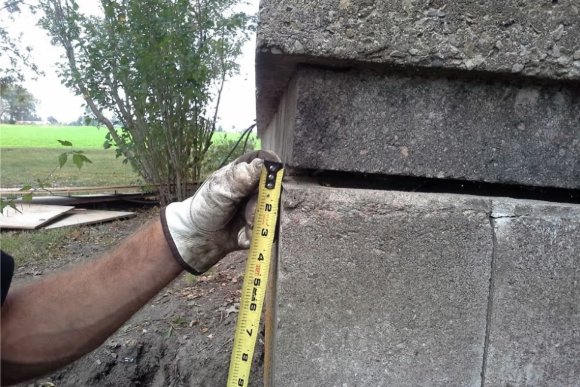
Most drying cracks are thin, vertical, and slow. A hairline vertical crack, or a thin crack running down from a window corner, is the classic shrinkage pattern, and on its own it is worth watching, not panicking over. The key test is movement: measure it, photograph it with a coin for scale, and check it again in a week. A crack that stops is stable. One that keeps widening means the soil is still moving, and that needs a professional look. Our foundation crack repair team can tell you which kind it is.
Other patterns point to different causes and deserve faster attention. A horizontal crack usually means lateral pressure from saturated soil, not drying, and it can be structural. A stair-step crack following the mortar joints usually means one part is dropping more than the rest. A crack wider than a quarter inch, one side higher than the other, or water coming through all need an inspection soon, because they can mean movement that will not stop on its own.
Inside, the same logic applies. Doors sticking a few weeks after a storm, floors feeling more sloped, and gaps where the wall meets the ceiling are all signs of uneven settling as the soil dries. One sign on its own is usually manageable. Two or three together is when a expert inspection earns its keep: it measures the whole house and tells you whether the movement is normal or a real problem. Our post on monitoring foundation cracks shows how to track a crack.
| What you see | Likely cause | What to do |
|---|---|---|
| Hairline vertical crack, stable for weeks | Drying shrinkage in the clay | Photograph and measure it weekly; call if it grows |
| Thin crack below a window or door corner | Uneven settling as soil dries | Watch it; check nearby doors and floors |
| Stair-step crack in block wall mortar | Differential settlement | Book an inspection; measure the steps |
| Horizontal crack across a wall | Lateral pressure from saturated soil | Book an inspection promptly |
| Crack wider than a quarter inch | Ongoing settlement | Book an inspection promptly |
| Doors sticking plus new cracks together | House settling unevenly | Book a expert inspection |
What to Check Around Your House This Week
Start outside, walking the full perimeter with a notebook. Look at the foundation wall where it meets the ground for gaps where the clay has pulled away from the foundation. That gap is the shrinkage made visible, and it lets the next rain run straight down along the wall instead of soaking in evenly. If the gap is wide, or runs along a whole side of the house, note it and watch it.
Check the grading while you are out there. The soil should slope away from the house for several feet, so rain runs away from the foundation instead of pooling against it. Dry, shrunken clay often leaves low spots near the wall, worth filling before the next storm, because standing water starts the swelling half of the cycle again. Check the downspouts too: one dumping water at the base of the wall soaks a single patch of clay while the rest stays dry.
Inside, check the places where movement shows first. Open and close every door and window and note any that stick or will not latch. Look above doors and windows for fresh cracks, and where the wall meets the ceiling for new gaps. In the crawl space, if you can get in safely, look for shifted posts or soil pulled away from the piers. None of these checks needs tools. Write down small things and check again in a week. If you find several, or anything wider than a quarter inch, call for an inspection.
- Walk the perimeter and look for gaps where dry clay has pulled away.
- Check that soil slopes away from the house on all sides, and fill low spots.
- Make sure downspouts carry water several feet away from the wall.
- Open and close every door and window; note any that stick.
- Look above doors and windows and where walls meet ceilings for fresh cracks.
- Measure any new crack and photograph it with a coin for scale.
When to Call for an Inspection, and When to Keep Watching
The line between watching and calling is simpler than most people think. Keep watching when a crack is hairline thin, has not grown in two or three weekly checks, and is the only sign in the house. A stable hairline crack after a wet-to-dry swing is normal on Shreveport clay, and many houses have several that never become a problem. Keep the photo log going and check again after the next big rain.
Call for an inspection when the crack is growing, wider than a quarter inch, horizontal or stair-stepped, or water is coming through it. An inspection measures floor elevations across the whole house and tells you whether the movement is a normal cycle or a settlement problem that needs piers or leveling. The inspection is included, and the readings give you a baseline for the next check.
Timing is the other reason to call. The weeks after a storm are when a contractor can see the problem at its clearest, while the cracks are fresh. Waiting until the next soaking can hide the evidence: swollen clay closes the gaps, and the house can look fine until the next dry spell opens the same cracks wider. A expert inspection now, while the drying is still visible, is the cheapest way to learn whether your house needs work or just watching. Either way, you leave with measurements and a plan. See our post on what to expect during a foundation inspection and our foundation inspection service page.
Frequently Asked Questions
Why do foundation cracks appear weeks after heavy rain?
Because the damage comes from the drying, not the rain. Heavy rain swells Shreveport’s expansive clay, and then the dry weeks that follow shrink it, pulling the soil away from the foundation and letting parts of the house settle unevenly. The settling is what opens the cracks, and it happens on the drying schedule, which runs two to six weeks after the storm.
How long after a storm should I check my foundation?
Check twice: once in the first days after the storm for standing water and flooding, and again two to six weeks later for drying cracks. The second check is the one most people skip, and it is the one that catches the cracks the wet-to-dry cycle opens. Photograph and measure anything new on both checks.
Are hairline cracks after rain something to worry about?
Usually not on their own. A hairline vertical crack that stays the same width for two or three weekly checks is a normal sign of clay shrinkage. Call for an inspection if the crack grows, if it is wider than a quarter inch, if it is horizontal or stair-stepped, or if doors and floors are changing at the same time.
Can I stop the soil around my house from shrinking?
You cannot stop it entirely, but you can even it out. Keep the soil moisture consistent by making sure gutters and downspouts carry water away from the wall, grading soil away from the house, and watering dry soil near the foundation evenly during long dry spells. Even moisture means even movement, which means fewer cracks.
Why do cracks appear on one side of my house and not the other?
Because drying is uneven. The sunny side dries faster than the shaded side, a large tree drinks water from the soil on its side of the house, and a downspout can soak one patch while the rest stays dry. The side that dries fastest settles first, and that is where the cracks open.
Will the cracks close again when it rains?
Sometimes, partly. When the clay gets wet again it swells and can push the foundation back up, which can close a narrow crack or make it less visible. But the cycle repeats, and each wet-dry swing stresses the concrete a little more, so a crack that keeps opening and closing deserves watching and, if it grows, an inspection.
Does homeowners insurance cover cracks from soil shrinkage?
Usually not. Most standard homeowners policies exclude damage from soil movement, including the shrinking and swelling of expansive clay, because it is a gradual earth-movement issue rather than a sudden event. Check your own policy for the exact wording.
Pelican Foundation Repair
6118 Fairfield Ave, Shreveport, LA 71106, USA
318-585-2003
https://foundationrepairshreveport.com/