Slab Foundation Repair in Benton, LA: Methods, Signs, and Clay-Soil Factors
Slab foundation repair in Benton, LA fixes cracked and settled concrete slabs with foam leveling, piers, or crack repair, matched to Benton clay soil and drainage.
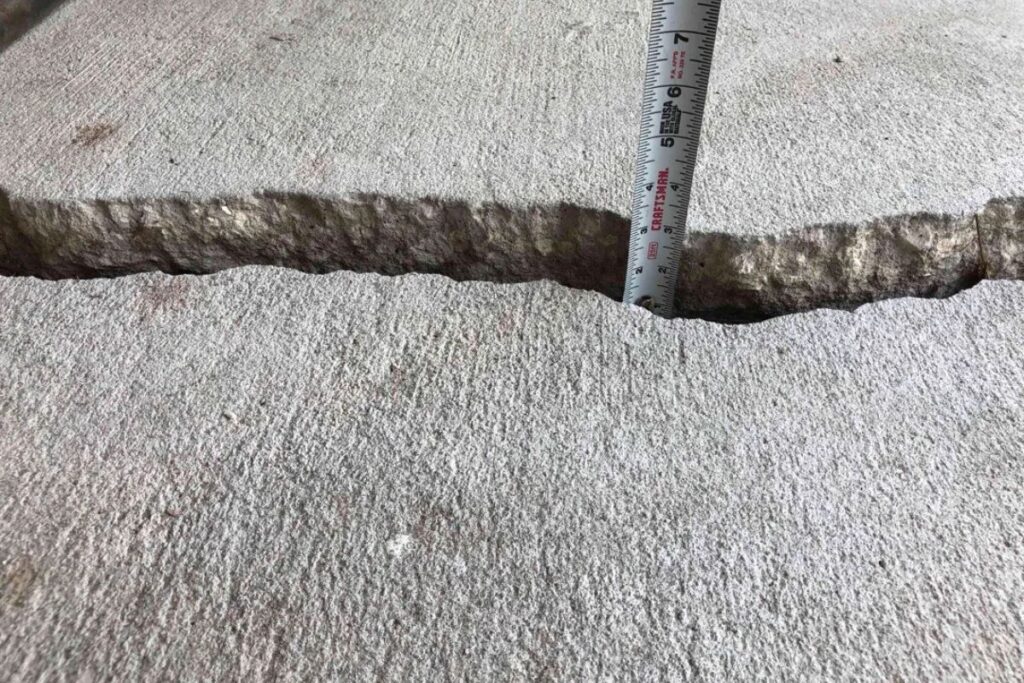
A cracked or uneven slab in Benton usually needs foam leveling for a settled slab, steel piers where the clay keeps moving, or epoxy and sealing for a stable hairline crack. The right fix depends on the crack pattern, how much the floor has dropped, and whether water is still reaching the soil under your home.
Benton sits just north of Bossier City on US-71, close to Cypress Lake and Black Bayou, and most homes here rest on a concrete slab. That slab is a single thick pad of concrete poured right on the ground, and it carries the whole house. Below are the signs Benton homeowners see most, the repair methods that fit each one, and the clay and drainage factors that decide which fix lasts.
Why Benton Slabs Crack: Clay Soil and North Louisiana Weather
Benton homes sit on the same expansive clay that causes foundation trouble across Bossier Parish and the Shreveport area. This clay swells when it soaks up water and shrinks when it dries out, and that cycle repeats every year. A wet winter can leave the ground swollen for months, then a hot, dry summer pulls the moisture back out.
Expansive Clay Under Benton Homes
The clay under Benton is the main factor in most slab trouble. Sand drains fast and stays fairly steady, but clay holds water like a sponge and changes size with the seasons. After heavy rain, the clay under a slab can swell and push one section of the floor upward. After a dry stretch, the same clay shrinks and leaves a gap under the slab, so the concrete bridges an empty space until it drops.
Rain, Heat, and Drainage Around the Slab
North Louisiana weather adds to the clay problem in a plain way: long wet spells followed by long hot spells. Spring rain soaks the ground around a house, and summer heat bakes the top layer dry, so the soil around the slab edge moves more than the soil under the middle of the house. The National Weather Service Shreveport page tracks the wet and dry spells that drive this cycle across Bossier Parish.
Signs Your Benton Slab Needs Repair
Most slab trouble in Benton shows up inside the house first, because the floor and the walls sit right on the slab. A crack in the floor is the clearest sign, but it is rarely the only one. One sign alone may mean little, but two or three together usually mean the slab is moving.
Signs Inside the House
Start with the floors, because they sit directly on the slab. Walk barefoot across the tile or wood floor and feel for a hump or a dip, and look for cracks that run in a straight line across several tiles. A floor that slopes toward one corner is a strong sign, and you can check it with a marble or a small ball: if it rolls the same way every time, the slab has tilted.
Signs Outside the House
Outside, walk the full edge of the house and look at the exposed slab and the brick above it. A stair-step crack in the brick, a crack that runs through the mortar in a diagonal line, or a gap between the brick and a window frame all point to movement below. Check where the driveway, patio, or walkway meets the house: if the concrete has dropped away from the slab edge or tilts toward the house, water is likely running toward the foundation.
- Cracks run across the floor in a straight line or through several tiles.
- One part of the floor sits higher or lower than the rest.
- Interior doors stick, rub at the top, or will not latch.
- Cracks appear where walls meet the ceiling or at window corners.
- Baseboards pull away from the wall or a gap opens along the floor.
- Stair-step cracks show in the brick outside or in the mortar.
- The driveway, patio, or walkway has dropped away from the house.
- Water pools against the slab after rain or soil pulls away in dry weather.
Slab Foundation Repair Methods in Benton, LA
There is no single fix for every Benton slab, because the right method depends on what is actually wrong. A slab that has settled evenly into a void needs lifting. A slab that keeps moving with the clay needs support that reaches past the moving soil. A slab with a stable hairline crack needs sealing, not lifting.
Foam Leveling for a Settled Slab
Foam leveling lifts a sunken slab by injecting a lightweight polyurethane foam through small holes drilled in the concrete. The foam spreads under the slab, fills the voids left by shrunken clay, and raises the concrete back toward level as it cures. Foam is the best fit when the slab has settled evenly and the concrete is still in one piece.
Mudjacking for a Sunken Slab
Mudjacking, also called slabjacking, works the same way as foam leveling but pumps a grout mix of cement, soil, and water under the slab instead of foam. The grout fills voids and lifts the concrete, and it suits larger lifts on firm ground where the extra weight is not a problem. In Benton, mudjacking fits slabs that have dropped evenly and sit on ground that can carry the weight of the grout.
Steel Piers for a Slab That Keeps Moving
Steel piers are the fix when a slab keeps moving or has dropped too far for lifting alone. The crew drives steel piers through the slab and down through the clay to a firm layer of soil or rock below, then uses the piers to lift and hold the slab in place. Piers fit Benton homes where one corner keeps dropping, or where doors and cracks come back after a leveling job. For the full picture of this service, see the slab foundation repair service page and our foundation repair guide for Benton, LA.
Epoxy Injection and Crack Sealing
Epoxy injection and crack sealing fix the crack itself rather than the movement under the slab. For a hairline crack in a slab that has stayed stable, the crew cleans the crack, injects epoxy to bond the concrete back together, and seals the surface so water cannot get back in. This is the right call when the crack is narrow, the floor is still level, and the measurements show no ongoing settlement. It is the wrong call when the slab is still dropping, because a sealed crack in a moving slab will simply crack again beside the repair. See the American Concrete Institute for guidance on concrete repair.
| Method | Best for | Limit |
|---|---|---|
| Foam leveling | Evenly settled slabs on weak or washed-out soil | Lifts but does not anchor the slab to deep soil |
| Mudjacking | Evenly settled slabs on firm ground, larger lifts | Adds weight; needs more curing time |
| Steel piers | Slabs that keep moving or have dropped far | Most involved job; disturbs more of the floor |
| Epoxy and sealing | Stable hairline cracks in a level slab | Does not fix settlement underneath |
What a Slab Repair Visit Covers in Benton
A repair visit should start with the whole house, not just the worst crack. The specialist walks the full floor, measures the high and low spots, checks every door and window that sticks, and looks at the brick and the slab edge outside.
The Expert Inspection
During the inspection, the specialist measures floor levels room by room, notes the crack pattern and the width of each crack, and checks the drainage and the soil around the house. The specialist also looks for water sources that feed the clay: a leaking pipe under the slab, a downspout that dumps beside the house, or a low spot that holds water after rain. Homeowners in ZIP 71006 can read more about the wider area on the Benton, LA service area page.
The Written Estimate After the Inspection
After the inspection, you should receive a written estimate that lists the work area by area, the method for each one, and the warranty terms on qualifying repairs. Ask how long each room will be out of use, what happens if a leveled section settles again, and whether drainage work is part of the plan or a separate step.
What Affects the Cost of Slab Foundation Repair in Benton?
The cost of slab foundation repair in Benton depends on how much of the slab needs work, how far it has dropped, which method fits the problem, and whether drainage or plumbing work is part of the plan. A slab that needs foam leveling across several rooms is a bigger one. No honest figure exists before the floor is measured and the soil is checked. Your exact figure comes from a written estimate after an expert inspection. For a related look at how these figures are built up, see our slab foundation repair cost guide for Shreveport, LA.
Keeping Your Benton Slab Stable After Repair
Repair is only half the job. The other half is keeping water from reaching the clay under the slab again, because wet and dry cycles are what moved it in the first place. That upkeep is mostly watching and small habits: check the soil line after rain, keep the gutters clear, and keep an eye on any crack that was sealed.
- Keep gutters clear and run downspouts away from the slab edge.
- Grade the yard so rain runs away from the house, not toward it.
- Fix plumbing leaks fast, since a slow leak swells the clay from below.
- Recheck sealed cracks twice a year and note any that open back up.
- Keep trees and large shrubs from growing roots against the slab edge.
- Watch the floor after wet and dry seasons for a new slope or sticking door.
For Benton homeowners, the Pelican Foundation Repair homepage shows the full range of services across Shreveport and northwest Louisiana. For a related repair guide, see our guide to fixing a cracked slab foundation in Shreveport, LA.
Frequently Asked Questions
How do I know if a crack in my Benton slab needs repair?
A crack needs repair when it is wider than a hairline, when it runs across the floor or through several tiles, when the floor slopes or a door starts sticking, or when the crack keeps growing. A thin, stable hairline crack with a level floor can often be sealed and watched.
Can a settled slab in Benton be leveled instead of replaced?
Yes, in most cases. If the concrete is still in one piece and has dropped evenly, foam leveling or mudjacking can lift it back toward level without removing it. Replacement is only needed when the slab is broken through or the soil underneath has failed.
What causes slab foundations to crack in Benton, LA?
Expansive clay soil is the main cause: it swells when wet and shrinks when dry, moving the slab unevenly. Poor drainage, water pooling against the slab, plumbing leaks under the slab, and tree roots add to the problem.
How much does slab foundation repair cost in Benton, LA?
The cost depends on how much of the slab needs work, how far it has dropped, the method used, and whether drainage or plumbing work is part of the plan. Your exact figure comes from a written estimate after an expert inspection.
How long does slab foundation repair take in Benton?
Most leveling and crack sealing jobs take a day or less, depending on the size of the area and the access. Steel pier jobs take longer, since the piers must be driven to firm ground and the slab lifted in stages. The schedule comes from the inspection.
Will a repaired slab in Benton settle again?
It can, if the clay underneath keeps moving or water keeps reaching the soil under the slab. Fixing drainage, sealing cracks, keeping gutters clear, and fixing plumbing leaks make a repaired slab far more likely to stay put.
When should I book a slab foundation repair inspection in Benton?
Book one when a crack runs across the floor or through several tiles, when the floor slopes or a ball rolls the same way every time, when doors start sticking, when stair-step cracks show in the brick outside, or when water pools against the slab after rain.
Pelican Foundation Repair
6118 Fairfield Ave, Shreveport, LA 71106, USA
318-585-2003
https://foundationrepairshreveport.com/