 Skip to main content

Basement Sump Pump Installation Cost in Shreveport, LA
Sump pump installation in Shreveport runs $800 to $4,500 with battery backup, and most jobs finish in one day. This guide covers pump types, costs, backups, and maintenance.
Wondering what a sump pump installation costs in Shreveport? For most homes, a professionally installed submersible pump with battery backup runs $1,200 to $4,500, depending on the pump type, the depth of the pit, and whether a backup system is included. Pedestal pumps cost less upfront but sit above the pit where they are louder and easier to knock over.
Here is the local reality: much of Shreveport sits on heavy clay over a high water table, and the neighborhoods near the Red River, Cross Lake, and low-lying Broadmoor deal with water that has nowhere to go. Wet springs saturate the ground, summer storms dump inches of rain in an hour, and outages knock out power right when you need a pump most.
Why Shreveport Homes Need Sump Pumps
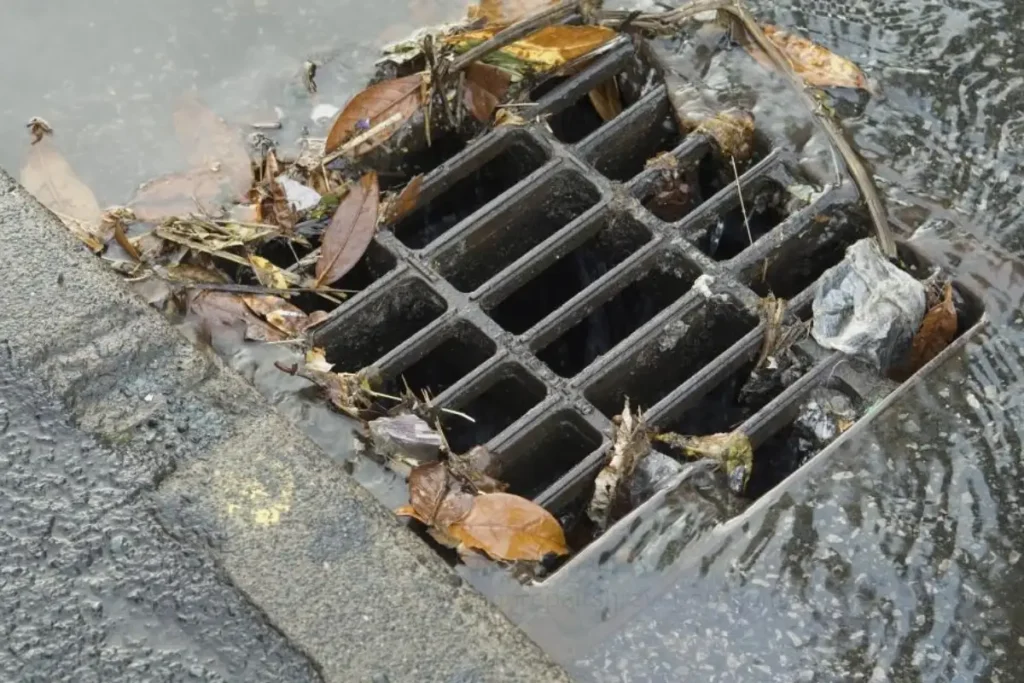
A sump pump collects groundwater in a pit and pushes it away from your house before it can flood your basement or crawl space. In Shreveport that job matters more than in most cities: the soil is heavy clay that drains slowly, and in many neighborhoods the water table sits only a few feet down. After a hard rain, water presses against basement walls and seeps up through the floor joint because it cannot soak into saturated clay fast enough to go anywhere else.
The signs show up all over the metro: white mineral crust on concrete walls, musty smells, rust on supports, and standing water after storms. Homes in ZIP codes like 71106, 71105, and 71107 on low lots or near bayous feel it worst. Even summer thunderstorms drop inches of rain on dry, cracked clay — and that water runs straight down the cracks toward your foundation.
A sump pump does not fix the soil or the water table. What it does is give that water an exit route that is not your basement floor. Paired with good grading and working gutters, a properly sized pump keeps a dry basement dry and a wet crawl space manageable. See our overview of basement waterproofing services for how pumps fit the bigger plan.
Pedestal vs. Submersible: Which Pump Fits Your Home
Two main designs, and the choice affects cost, noise, lifespan, and capacity. Here is how they compare.
Pedestal pumps: the budget option
A pedestal pump’s motor sits on a shaft above the pit, with only the impeller in the water. The pump itself costs $150 to $350, and the motor is easy to reach for service. The downsides: loud operation, easy to knock over, and less water moved than a submersible. Fine for occasional seepage — the wrong tool for a home that takes on water every spring.
Submersible pumps: the workhorse
A submersible sits entirely inside the pit in a sealed, waterproof housing. The surrounding water cools the motor, so it runs quieter and lasts longer — 7 to 10 years versus 5 to 7 for a pedestal. It moves more water and handles silt from Shreveport clay better. The pump costs $250 to $600; professional installation brings a straightforward job to $1,200 to $2,500. For most Shreveport basements, this is the pump you want.
What about horsepower and capacity?
Pumps come in 1/3, 1/2, and 3/4 horsepower, and bigger is not automatically better — an oversized pump short-cycles, burning out the switch and motor early. A 1/3-horsepower pump moves roughly 2,000 to 2,500 gallons per hour, plenty for most Shreveport homes. The right size depends on how fast water enters your pit during a storm. Buy the pump that matches your water, not your worry.
What Sump Pump Installation Costs in Shreveport
Sump pump installation cost in Shreveport depends on the pump type, whether a pit must be cut through concrete, whether battery backup is included, and whether it is a replacement or a first-time install. Honest ranges:
| Installation Type | Typical Cost Range | What Is Included |
|---|---|---|
| Pedestal pump replacement | $800–$1,500 | New pump, check valve, discharge line check |
| Submersible pump replacement | $1,200–$2,500 | New submersible, existing pit, electrical check |
| New submersible install (pit must be cut) | $2,000–$3,500 | Concrete cutting, gravel bed, pit liner, pump, discharge line |
| Add battery backup system | $800–$1,800 | Backup pump, deep-cycle battery, alarm, auto switchover |
| Interior drain tile plus sump system | $5,000–$12,000 | Perimeter drain, sump, discharge lines, concrete repair |
| Crawl space sump installation | $1,500–$3,000 | Shallow basin, submersible pump, discharge line |
Factors that push a quote toward the high end:
- No existing pit or discharge line: cutting concrete and running new discharge adds labor and materials.
- Electrical work: if there is no GFCI outlet near the pit, an electrician must add one — budget a few hundred dollars.
- Heavy water volume: may need a larger basin or a second pump.
- Crawl space access: tight crawl spaces slow every step of the work.
- Discharge routing: getting water at least 10 feet from the foundation sometimes means trenching across the yard.
A number given over the phone is a guess, not a quote — the pump size, pit condition, and discharge route all need eyes on them. A free inspection with written findings keeps you from buying the wrong system. Compare with the broader budget in our guide to basement waterproofing cost in Shreveport.
Battery Backup Systems: Your Insurance Against Storm Outages
The storms that bring the most water are the same storms that knock out power. A sump pump without backup goes silent exactly when you need it most — if yours has ever sat dead during a blackout while water crept across the floor, you know this lesson already.
A battery backup adds $800 to $1,800 to a sump pump installation cost in Shreveport, and it is the most worthwhile upgrade for homes with a history of seepage. Two common designs:
- Secondary DC backup pump: a second pump in the same pit kicks on automatically when the primary loses power or cannot keep up. Most reliable setup.
- AC/DC inverter system: a battery and inverter keep your primary pump running during an outage. Simpler, but one pump does all the work.
The battery is a deep-cycle battery that needs replacement every 3 to 5 years — a dead backup battery is the same as no backup at all. A good system includes an alarm that sounds when the backup engages, so you know the primary is down. Water-powered backups move far less water and are a poor fit for Shreveport storm volumes.
A portable generator is another layer of protection for long outages, but the battery backup comes first — it switches over automatically at 2 a.m. while you sleep.
Maintenance That Keeps Your Pump Ready When It Matters
A sump pump sits quietly for months, then has to work perfectly on the worst night of the year. The pumps that fail during storms are the ones nobody checked. Maintenance takes about 15 minutes:
- Test it twice a year: pour a bucket of water into the pit until the float rises and the pump kicks on — once in early spring, once in late fall. If it hesitates, runs without moving water, or never shuts off, call for service.
- Clean the pit: scoop out silt and debris once a year so the float switch cannot stick and the intake cannot clog.
- Check the discharge line: the outlet must sit at least 10 feet from the foundation — not buried, crushed, or frozen. Water discharged next to the house just cycles back into the pit.
- Test the backup: unplug the primary briefly to confirm the backup engages and the alarm sounds. Replace the battery every 3 to 5 years.
- Listen for changes: grinding, rattling, or a pump that runs far longer than it used to are early warnings of a wearing motor or a stuck check valve.
A submersible lasts 7 to 10 years. If yours is pushing a decade, replacing it on your schedule — dry weather, contractor of your choice — beats replacing it on the storm’s schedule at midnight. The EPA’s moisture control guidance explains why keeping water out beats remediating mold later.
When a Sump Pump Alone Is Not Enough
A sump pump manages water that reaches the pit. It does not stop water entering through cracked walls, and it does not relieve the pressure pushing against your foundation. If you see these signs, the pump is treating a symptom:
- Water entering through wall cracks: cracks need sealing or injection, and recurring cracks may signal foundation movement.
- Water seeping high on the walls: a floor pit cannot catch water entering halfway up the wall — that is an exterior drainage problem.
- Bowing or leaning walls: soil pressure from saturated clay is a structural issue, not a pumping issue.
- Chronic humidity and mold: a pump handles liquid water; humidity needs dehumidification and often encapsulation.
The usual next step is an interior drain tile system feeding the sump — a perimeter channel that intercepts water before it reaches the slab. Compare approaches in our guide to interior vs. exterior basement waterproofing, and start with a free inspection from Pelican Foundation Repair — Monday through Saturday, 8:00 AM to 6:00 PM — to learn whether you need a pump, a repair, or both.
Frequently Asked Questions
How much does sump pump installation cost in Shreveport?
A submersible replacement runs $1,200 to $2,500, a new install with pit cutting runs $2,000 to $3,500, and battery backup brings most totals to $1,200 to $4,500. A full drain tile system with sump runs $5,000 to $12,000.
Should I get a pedestal or submersible sump pump?
Most Shreveport homes do better with a submersible: quieter, longer-lasting (7 to 10 years), and better at moving water and handling silt. A pedestal only suits rare, minor seepage on a tight budget.
Do I really need a battery backup for my sump pump?
If your basement takes on water, yes. Storm outages coincide with the heaviest rain, so a pump without backup goes silent when you need it most. Budget $800 to $1,800.
How long does sump pump installation take?
A replacement in an existing pit takes a few hours. A new install with concrete cutting is usually a full day. A drain tile system with sump takes 2 to 3 days.
How often should I replace my sump pump?
Submersibles last 7 to 10 years; pedestals 5 to 7. Replace the backup battery every 3 to 5 years, test twice a year, and replace on your schedule before a storm forces it.
Can a sump pump handle Shreveport’s clay soil and high water table?
Yes, if sized for your water volume and paired with a working discharge line. Use a clean gravel bed in heavy clay so water reaches the pump, and discharge at least 10 feet from the foundation.
Where should the discharge line send the water?
At least 10 feet from the foundation, downhill if possible, never onto a neighbor’s property or back toward the house. A storm drain or dry well works where local rules allow.
Pelican Foundation Repair
6118 Fairfield Ave, Shreveport, LA 71106, USA
318-585-2003
https://foundationrepairshreveport.com/