 Skip to main content


Buying a Home in Shreveport? 7 Foundation Red Flags to Check First
Shreveport’s clay soil moves foundations every year. These seven red flags help you spot foundation problems before you buy — and know exactly what to do when you find them.
What should you check before buying a home in Shreveport? Start with the foundation: look for stair-step brick cracks, cracked tile, sticking doors and windows, sloping floors, water stains near the base of walls, fresh patch jobs hiding old cracks, and any history of previous foundation work. A pre-purchase foundation inspection with elevation readings — free from Pelican Foundation Repair — tells you whether what you see is cosmetic or structural before you commit.
Here’s the thing about buying a home in Shreveport: the expansive Caddo Parish clay underneath practically every neighborhood — from the older streets of Broadmoor to the ranches of east Shreveport to the new builds near the parish line — swells in the spring rains and shrinks in the summer drought. That cycle moves foundations. Some homes handle it fine for decades. Others don’t. Your job as a buyer is to figure out which one you’re looking at before you sign anything.
Why Foundations Deserve Extra Attention in Shreveport
In many parts of the country, foundation problems are rare enough that buyers barely think about them. Shreveport isn’t one of those places. The shrink-swell clay here, the Gulf humidity, the spring deluges, and the long dry summers add up to steady, predictable foundation movement across the metro — Shreveport, Bossier City, and the surrounding parishes all deal with it.
A standard home inspection covers a lot, but most general inspectors spend twenty minutes on the foundation before flagging anything suspicious for “further evaluation.” That’s the pre-purchase foundation inspection. Our foundation inspection service maps the slab or crawl space with elevation readings so you know — in numbers, not guesses — whether the house has moved.
The seven red flags below are ordered from the ones you can spot on a casual walkthrough to the ones that need a professional’s tools. Use this checklist at every showing.
The 7 Foundation Red Flags
Red Flag 1: Stair-Step Cracks in the Brick
Walk the outside of the house and look at the brick or mortar joints, especially near corners and around windows. Cracks that run diagonally in a staircase pattern — following the mortar lines — are the classic sign of foundation settlement. Brick doesn’t bend, so when the slab drops under a corner, the mortar cracks along its weakest path.
What to do: Note the location and width. A hairline stair-step crack that’s been there for years might be old, stable settlement. One you can fit a pencil into — or several on the same side of the house — deserves a foundation inspection before you make an offer. Ask the seller’s agent whether any cracks have been repaired before.
Red Flag 2: Cracked Tile or Sheetrock Inside
Inside, look at the tile floors — long diagonal cracks running across a room are a strong signal. Then check the sheetrock above doorways and windows and where walls meet ceilings. Hairline cracks happen in every Louisiana home, but wide cracks, cracks that run in matching pairs on opposite walls, or cracks that have clearly been patched more than once tell a different story.
What to do: Photograph every crack you find. Patterns matter more than single cracks — damage that lines up across rooms points to one area of the foundation moving. Bring the photos to your inspection.
Red Flag 3: Doors and Windows That Stick
Open and close every door and window. Doors that won’t latch or frames with uneven gaps tell you the walls have shifted — look past windows that are merely painted shut. One sticky door in a fifty-year-old house is normal; five on the same side is not.
What to do: Mentally map which doors stick and where. If they cluster — all on the south side, all in the back bedrooms — that maps to the part of the foundation that moved. A foundation inspection confirms it with elevation readings.
Red Flag 4: Floors That Slope or Feel Uneven
Walk the hallways slowly. Can you feel a slope? Set a marble or a golf ball on the floor and watch what it does — buyers have used this trick forever because it works. In Shreveport’s pier-and-beam homes, also watch for bouncy or springy spots, which mean the beams underneath have shifted or the piers have settled.
What to do: A slope you can feel underfoot is past the cosmetic stage. Ask when the house last had foundation work, and get a pre-purchase inspection that includes elevation readings across every room — that’s the only way to know how much the floor has moved.
Red Flag 5: Fresh Patches, New Paint, and Cover-Ups
This one’s about what the seller is hiding. Fresh caulk in old brick cracks, newly painted sheetrock over patched areas, or a suspiciously fresh paint job on just one wall can mean someone patched the symptoms without fixing the cause. In Louisiana’s disclosure-driven market, sellers sometimes “freshen up” cracks before listing.
What to do: Don’t assume bad faith — sometimes it’s just cosmetic touch-up. But do look closely at patched areas for cracks reopening through the new paint or caulk. Reopened patches are proof the movement is active. Ask directly whether the foundation has ever been repaired, and get the answer in writing through your agent.
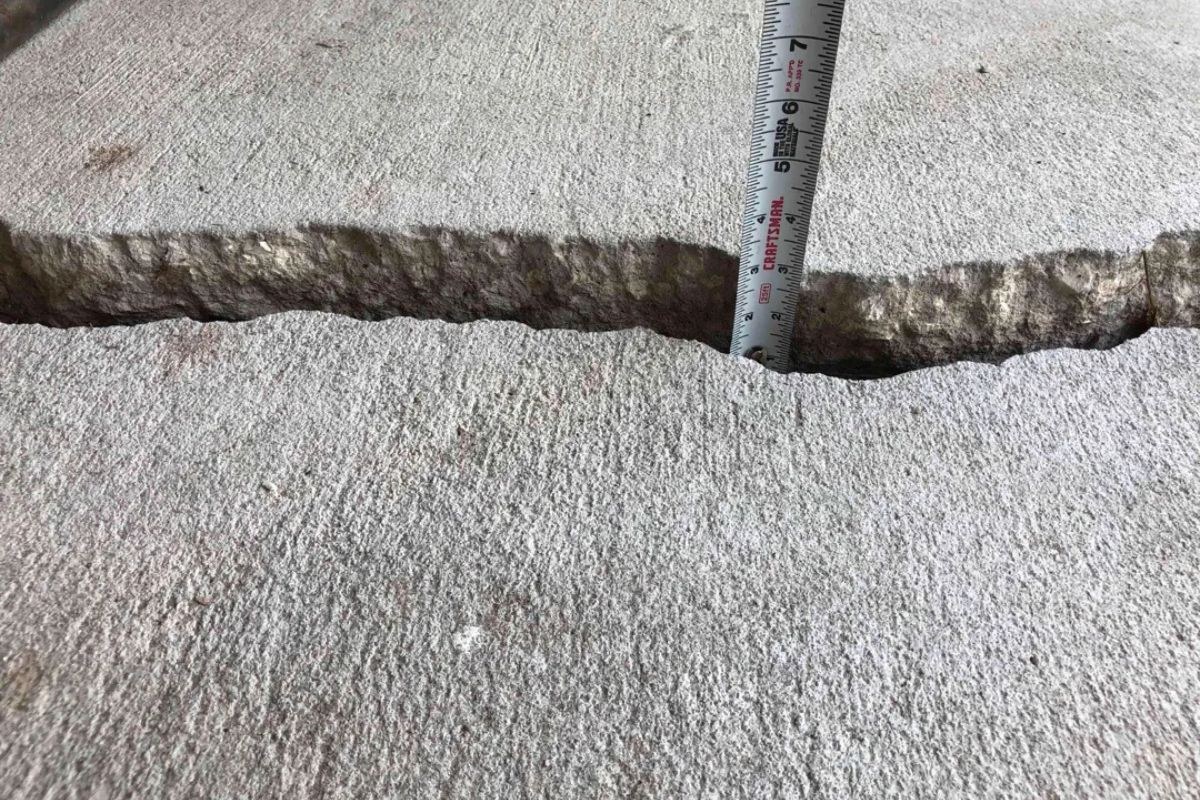
Red Flag 6: Water Problems Around the Foundation
Foundation movement in Shreveport is almost always a water story. Walk the perimeter after a rain if you can — or look for the evidence: water stains on the slab edge, mulch washed away from the foundation, downspouts dumping water right at the house, or grading that slopes toward the walls instead of away. Inside, check baseboards for water staining and sniff the crawl space or low rooms for musty odors.
What to do: Water problems are the cheapest thing to fix and the most expensive thing to ignore. Note every drainage issue and ask the inspector to evaluate grading and gutters alongside the foundation. A house with good bones but bad drainage is a good buy at the right price — a house with settlement and bad drainage is a project.
Red Flag 7: A History of Foundation Work — or a Suspicious Lack of It
Ask whether the foundation has ever been repaired. Prior work isn’t automatically bad — a house repaired properly with pier systems and warranty documentation is often more stable than its neighbors. What you want is the paper trail: the inspection report, the pier map, before-and-after readings, and the warranty terms.
The suspicious version is a forty-year-old Shreveport home on clay soil with cracks everywhere and a seller who claims the foundation has never been touched. Settlement doesn’t skip houses. If the signs are there and the history is clean, the history is incomplete.
What to do: Request all foundation documentation in writing. If prior work exists but the paperwork is missing, treat the repair as unverified. If you need help vetting a contractor’s report from a previous repair, our guide on who to call for a foundation inspection explains what a thorough inspection should include.
What a Pre-Purchase Foundation Inspection Actually Covers
Here’s what happens when you call us before you buy. The inspection is free, takes about 45 minutes, and you get:
- A full walkthrough inside and outside the home, documenting every crack, sticking door, and symptom
- Elevation readings taken at multiple points across the foundation — the actual numbers, in fractions of an inch
- An assessment of drainage, grading, and gutter conditions around the perimeter
- For pier-and-beam homes, a look at the crawl space: piers, beams, shims, and moisture levels
- A plain-English verdict: stable, monitor, or needs repair — with the repair scope and cost range if work is needed
That report does two jobs. If the foundation is sound, you buy with confidence. If it needs work, you negotiate with real numbers instead of fear — and you know exactly what you’re walking into. Either way, it’s the cheapest insurance in the whole home-buying process.
Sellers deal with the mirror image of this decision. If you’re on the other side of the transaction, our guide to selling a house with foundation problems in Louisiana covers disclosure duties, appraisal hurdles, and the repair-before-listing math.
How to Use the Findings in Your Negotiation
Foundation findings are negotiation leverage — use them honestly and specifically:
| Finding | Typical Repair Range | How to Handle It |
|---|---|---|
| Minor, stable settlement | $0 – monitoring only | Document it, ask for seller disclosure in writing, proceed |
| Localized settlement, one area | $4,000–$8,000 | Ask for a repair credit or seller-completed repair with warranty |
| Widespread settlement, multiple areas | $10,000–$20,000 | Major credit or price reduction; verify your lender will still fund |
| Active movement + water intrusion | $12,000–$25,000+ | Walk away unless the price reflects a full project budget |
A few rules of thumb: get the foundation inspection during your option period, never after; get repair quotes from a foundation contractor, not the seller’s handyman; and with FHA or VA financing, know their appraisers can flag foundation issues and require repairs before closing — which makes the pre-purchase inspection even more valuable. Your lender follows HUD’s appraisal standards: hud.gov.
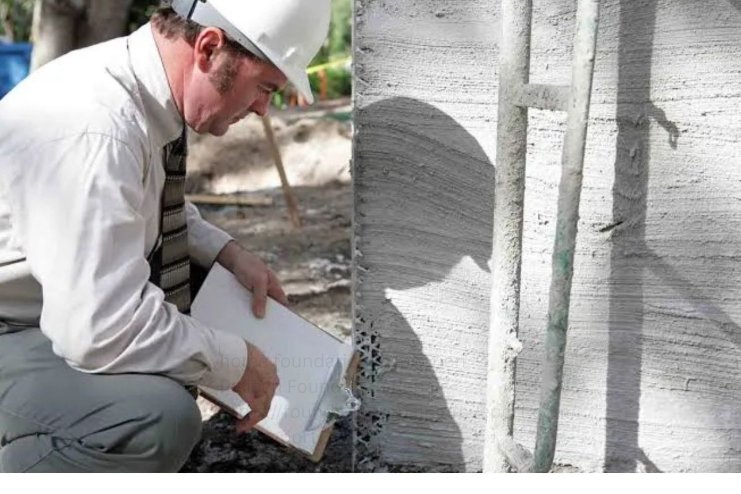
When the House Is Worth It Anyway
Here’s the part most checklists skip: foundation issues don’t always mean walking away. Thousands of beautiful, well-located Shreveport homes — in Broadmoor, South Highlands, near Centenary — have some settlement and are still excellent buys. The question is never “does it have foundation movement?” It’s “how much, is it active, and what’s the number to fix it?”
A house with $6,000 of needed pier work, priced $15,000 under comparable clean homes, in the neighborhood you want, with good drainage — that’s a deal. A house with $6,000 of needed work priced at full market value with a seller who won’t budge — that’s a pass. The inspection turns the red flags into a number, and the number turns anxiety into a decision.
For the full range of what professional repair looks like once you own the home, the Pelican Foundation Repair homepage covers our foundation repair services across the Shreveport area.
Frequently Asked Questions
Should I get a foundation inspection before buying a home in Shreveport?
Yes — it’s one of the smartest moves a Shreveport buyer can make. The expansive clay here moves foundations in nearly every neighborhood, and a standard home inspection only goes so deep. A dedicated foundation inspection with elevation readings tells you whether the cracks you see are cosmetic or structural, and it costs you nothing.
How much do foundation repairs cost on a home I’m thinking of buying?
In the Shreveport area, most repairs run $4,000 to $18,000 depending on how much of the foundation moved. Minor corner work is at the low end; full-perimeter pier jobs are at the high end. Use the inspection’s repair estimate to negotiate a credit or price reduction before you close.
Can I still get a mortgage if the house has foundation problems?
Often yes, but it depends on the loan type and the severity. Conventional lenders may require repairs before funding if the appraiser flags damage, and FHA and VA appraisals are stricter — they can stop a purchase until the foundation is repaired and documented. Talk to your lender early if the inspection finds issues.
What if the seller already had the foundation repaired?
That’s often good news — if there’s documentation. Ask for the inspection report, the pier map, before-and-after elevation readings, and the warranty terms in writing. A properly repaired home with paperwork can be more stable than its neighbors. No paperwork means the repair is unverified, so price accordingly.
How do I tell if cracks are cosmetic or structural?
Cosmetic cracks are typically hairline, do not grow over time, and appear alone. Structural cracks are wider (a pencil fits), keep growing, appear in patterns across multiple rooms, or come with sticking doors and sloping floors. When in doubt, elevation readings from a foundation inspection give you the definitive answer.
Do new construction homes in Shreveport have foundation problems too?
They can. Newer homes usually have better-engineered foundations, but they’re still built on the same shrink-swell clay, and poor drainage or plumbing leaks can cause settlement within a few years. A foundation inspection is worth it on a new build too — especially if the grading looks flat or water pools near the slab.
When in the buying process should I schedule the foundation inspection?
During your option or inspection period, right alongside the general home inspection — never after it ends. You want the findings in hand while you still have the contractual right to negotiate repairs, credits, or a price change. Call as soon as your offer is accepted so scheduling doesn’t eat into your window.
Pelican Foundation Repair
6118 Fairfield Ave, Shreveport, LA 71106, USA
318-585-2003
https://foundationrepairshreveport.com/