 Skip to main content

Selling a House With Foundation Problems in Louisiana: What Sellers Must Know
Yes, you can sell a house with foundation problems in Louisiana — but the disclosure rules, appraisal hurdles, and buyer math will shape your whole sale. Here’s how to handle it honestly and still get a fair price.
Can you sell a house with foundation problems in Louisiana? Yes, but you generally have to disclose known material defects to buyers, most lenders and appraisers will flag significant foundation issues before approving a loan, and you will usually net more by repairing first than by discounting the price — a $10,000 repair often saves you $25,000 or more in lost sale price. The exact right move depends on your timeline, your equity, and how serious the damage is.
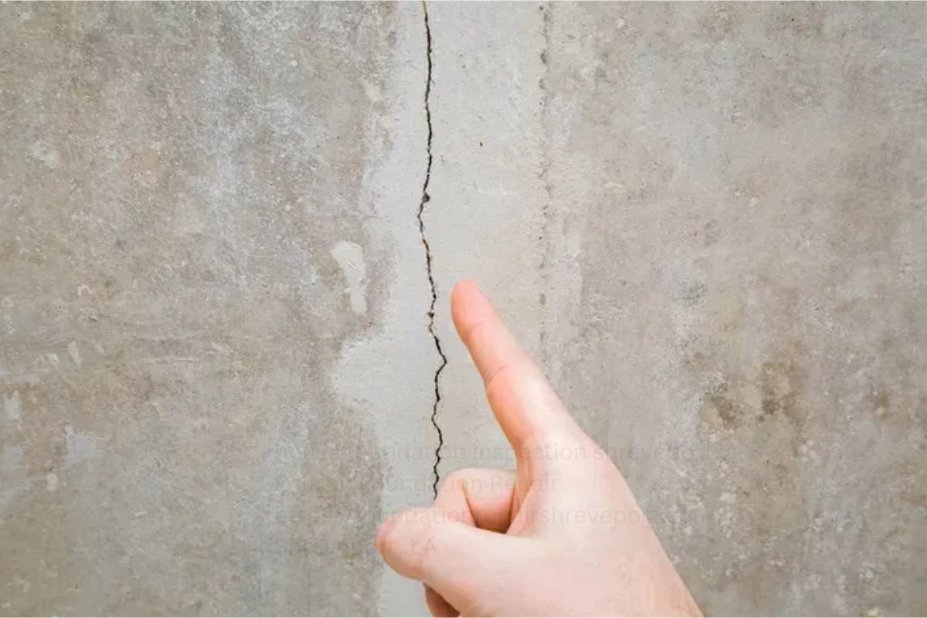
This is one of the hardest decisions a Louisiana homeowner faces. You know the house has settled — the cracks in the brick, the doors that stick, the corner that slopes. Maybe you’ve lived with it for years and it never bothered you. But the moment you list, that private quirk becomes a negotiable defect, and everything you do from here affects your bottom line. Let’s walk through it in the order a seller actually needs it.
Louisiana Disclosure: What You Have to Tell Buyers
Start here, because this is the part with legal teeth. In Louisiana, sellers are generally required to disclose known material defects — problems that would affect a buyer’s decision or the value of the property. Foundation settlement that you know about qualifies. The state’s property disclosure form specifically asks about foundation issues, among other structural conditions.
What “known” means matters. If you’ve had an inspection that found settlement, or you’ve watched cracks widen for years, you know. Playing dumb doesn’t protect you — in Louisiana, a buyer who discovers you hid a known foundation defect can come back after the sale. The disclosure form is not a suggestion; it’s part of the transaction.
One important caveat: this is general information, not legal advice. Disclosure obligations have nuances — what counts as material, how to phrase the disclosure, whether a particular condition triggers it — and the specifics of your situation deserve a Louisiana real estate attorney’s eyes. Talk to one before you list. It’s a few hundred dollars that can save you tens of thousands.
The practical upshot: hiding foundation problems is not a strategy. Disclosing them with a repair plan in hand is. A buyer who sees “settlement repaired in 2026 with warranty documentation” reads confidence. A buyer who discovers cracks during their inspection reads a reason to walk away — or to lowball you.
How Foundation Problems Affect Your Sale Price
Here’s the math sellers need to understand. Buyers don’t discount a house with foundation problems by the cost of the repair. They discount it by the cost of the repair plus a risk premium — because they’re buying uncertainty. A $10,000 repair typically costs you $25,000 to $40,000 in sale price when you sell as-is.
Why? Put yourself in the buyer’s shoes. Their inspector flags settlement. Their agent tells them to get a foundation contractor’s opinion. The contractor — who they’ve never met — quotes $12,000 and mentions drainage work. The buyer’s lender hears “foundation” and gets nervous. By the time the dust settles, the buyer is mentally pricing in the worst case, plus the hassle, plus the chance of surprises. That’s the discount you absorb.
The numbers vary with your market. In Shreveport’s neighborhoods — from the older brick ranches of Eastwood to the pier-and-beam homes south toward Keithville — foundation issues are common enough that buyers’ agents watch for them specifically. The region’s expansive clay and wet-dry weather cycles mean inspectors here flag settlement routinely. Your buyer will almost certainly find it.
The Repair-Before-Listing Math
So should you repair first? For most Louisiana sellers, the answer is yes — but run your own numbers. Here’s a realistic comparison:
| Scenario | What Happens | Typical Financial Impact |
|---|---|---|
| Repair before listing | Pay for the repair, list with warranty docs | $4,000–$18,000 repair cost; sell near market value |
| Sell as-is with disclosure | Buyers discount for risk and hassle | $25,000–$40,000 below market on a $10k repair |
| Sell to an investor | Fast cash close, no repairs needed | Typically 60–75% of market value |
The repair-first path wins on dollars in most cases. It also wins on speed — repaired homes with warranty paperwork attract more offers and fewer appraisal complications. The investor path is fastest but costs the most equity; it makes sense mainly when you need out immediately or the house has multiple major problems beyond the foundation.
If you’re on the fence, read our breakdown of whether foundation repair is worth the investment. The return-on-repair math for sellers mirrors what we cover there — dollar for dollar, structural repairs protect more equity than almost any cosmetic upgrade.
Financing and Appraisal Hurdles
Even if you find a buyer willing to accept the foundation issues, their lender may not. This is where many Louisiana sales stall.
Conventional Loans
Conventional lenders rely on the appraiser’s report. If the appraiser notes foundation damage, the lender can require repairs before funding — which means you end up repairing anyway, but under the buyer’s timeline and with the sale hanging in the balance. A pre-listing repair avoids this entirely.
FHA and VA Loans
Government-backed loans are stricter. FHA appraisals specifically flag structural and safety deficiencies, and foundation problems are on that list. HUD’s appraisal guidelines require the property to be structurally sound, and a flagged foundation can halt an FHA or VA purchase until repairs are completed and documented. See hud.gov for the program requirements. A large share of Louisiana buyers use FHA or VA financing — ruling them out shrinks your buyer pool dramatically.
What the Appraiser Sees
Appraisers aren’t foundation engineers, but they report what they observe: visible cracks, sloping floors, evidence of water intrusion. If your home’s settlement is visible — and in Louisiana’s clay country, it usually is — expect it in the report. Repairing first with documentation turns an appraisal problem into an appraisal asset.
Your Pre-Listing Game Plan
If you’re selling a Louisiana home with foundation concerns, here’s the sequence that gets the best result:
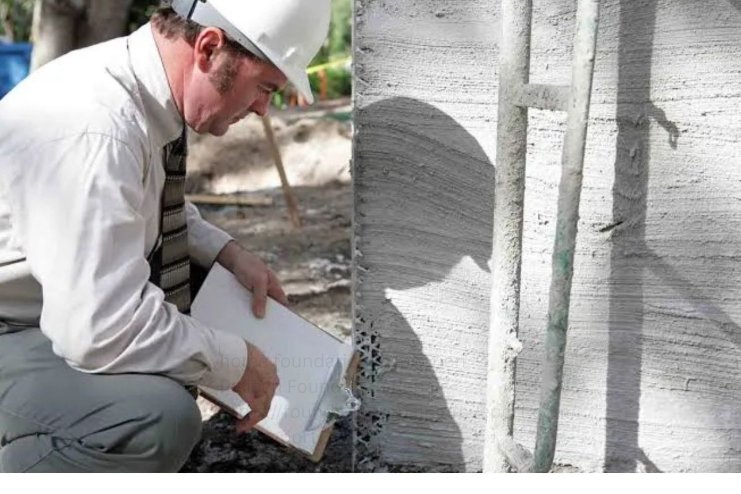
- Get a professional foundation inspection first. Know exactly what’s wrong before anyone else does. A free inspection with elevation readings gives you real numbers instead of guesses.
- Get the repair done if the math favors it. For most homes, the repair costs a fraction of the as-is discount. Our Shreveport-area foundation repair cost guide helps you estimate before the inspection.
- Keep every document. The inspection report, the repair contract, before-and-after elevation readings, and the warranty paperwork all go in a folder for the buyer. This folder is worth real money.
- Disclose honestly with the repair story. “Foundation settlement repaired in 2026 by a licensed contractor; 20-year structural warranty on qualifying repairs; documentation available” is a disclosure that builds confidence instead of fear.
- Fix the drainage too. In Louisiana’s climate — spring deluges, summer drought, tropical leftovers — buyers’ inspectors always check grading and gutters. Drainage correction is cheap insurance that the repair story holds up.
- Price for a clean sale. A repaired, documented home competes with every other listing. An as-is home with foundation issues competes only with other problem homes — and loses to them on price.
If you need the full picture of what professional repair involves, the Pelican Foundation Repair homepage walks through our foundation repair services for Shreveport-area homes, and we’re happy to inspect before you call your listing agent.

When Selling As-Is Makes Sense
Repair-first isn’t universal. Selling as-is can be the right call when the home’s problems go well beyond the foundation — a roof at end of life, outdated electrical, major plumbing work — and the combined repair bill approaches the home’s equity. It’s also reasonable when you need speed above price: an estate sale, a job relocation, a divorce. Investors buy as-is homes quickly for cash, and that certainty has value.
Just price it honestly. Get the inspection so you know the repair cost, then discount below that number — because the investor will discount further for risk. And disclose everything. An as-is sale doesn’t waive Louisiana’s disclosure duties. If the numbers still point toward repairing first, our foundation repair investment breakdown shows how the math typically works out.
Frequently Asked Questions
Can I sell my house in Louisiana if it has foundation problems?
Yes. Louisiana law doesn’t prevent you from selling a home with foundation issues, but you generally must disclose known material defects, and most buyers will either demand repairs or discount the price heavily. Many sellers find repairing before listing nets them more money and a faster sale.
Do I have to disclose foundation problems when selling in Louisiana?
Generally, yes — Louisiana sellers are expected to disclose known material defects, and foundation settlement that you know about qualifies. The state’s property disclosure form asks about foundation conditions specifically. Because the details matter, confirm your obligations with a Louisiana real estate attorney before you list.
Will a buyer’s lender approve a mortgage on a house with foundation damage?
Sometimes, but it’s a real risk. Conventional lenders can require repairs before funding if the appraiser flags damage, and FHA and VA loans are stricter still — their appraisals can halt the purchase until the foundation is repaired and documented. This is one of the strongest arguments for repairing before you list.
Is it better to fix the foundation or sell as-is?
For most sellers, fixing first wins. A $10,000 repair typically costs you $25,000 to $40,000 in sale price if you sell as-is, because buyers discount for the unknown. Selling as-is makes sense mainly when you need speed, when the house has multiple major problems, or when the repair bill exceeds your equity. Get an inspection so you’re deciding with real numbers.
How much does foundation repair cost before listing a home?
In the Shreveport area, most foundation repairs run $4,000 to $18,000 depending on the extent of settlement and the repair method. Minor corner stabilizations are at the low end; full-perimeter pier jobs on larger homes are at the high end. A free inspection gives you an exact figure for your house.
Does a foundation repair warranty transfer to the buyer?
Warranty terms vary by contractor, so read the fine print before you promise anything to a buyer. We offer a 20-year structural warranty on qualifying repairs — ask us about the specific terms and what documentation the buyer will receive. Having written warranty paperwork in hand is one of the strongest selling points a repaired home can offer.
What paperwork should I give the buyer after foundation repair?
Keep the original inspection report with elevation readings, the repair contract, before-and-after elevation measurements, and the warranty documentation. Hand the buyer copies at closing. This paper trail turns “it had foundation work” from a red flag into a selling point.
Pelican Foundation Repair
6118 Fairfield Ave, Shreveport, LA 71106, USA
318-585-2003
https://foundationrepairshreveport.com/