 Skip to main content

How to Choose a Structural Repair Contractor in Shreveport, LA
Choosing a structural repair contractor comes down to five checks: credentials, engineering involvement, a written scope, fair warranty terms, and comparable bids. Run each check before you sign.
Start by verifying the contractor’s license and insurance, then ask who engineers the repair — structural work should involve a licensed engineer, not just a salesman with a price sheet. Get the scope in writing with drawings and specifications, compare three bids line by line, and read the warranty before you sign. Never hire on price alone.
Why Structural Work Deserves a Higher Bar
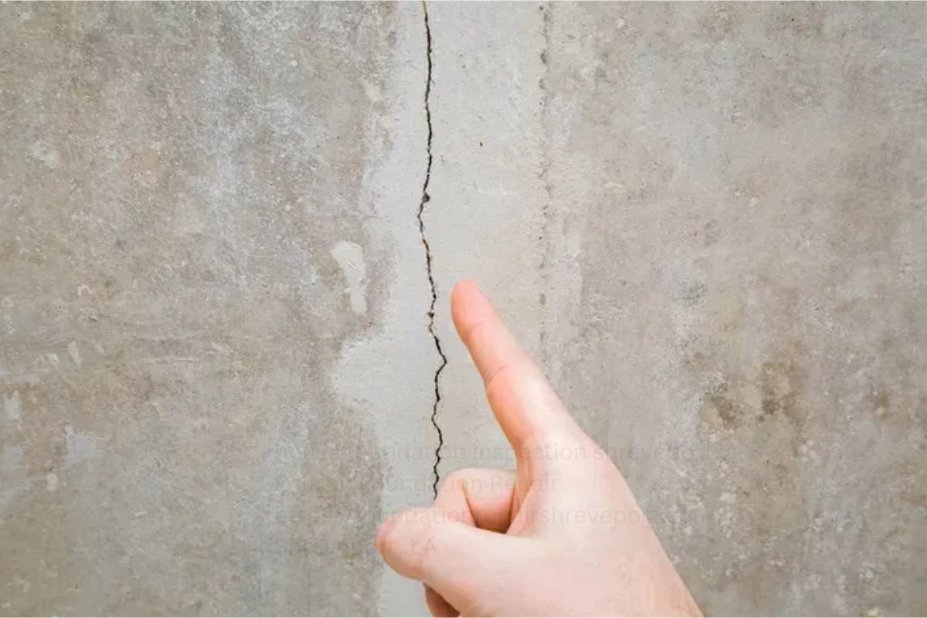
There is a difference between hiring someone to paint your house and hiring someone to hold it up. A bad paint job costs you a weekend and a redo. A bad structural repair can cost you the house — or at least a second, much more expensive repair to undo the first one. In Shreveport, where expansive clay keeps foundations moving, we see the aftermath of rushed pier jobs and cosmetic crack patches every year. The original contractor is long gone, and the homeowner is paying twice.
That is why choosing a structural repair contractor is really about risk management. You are vetting the company that will engineer a fix for the most expensive thing you own, then stand behind it for decades. The framework below takes about a week to run, and it costs nothing.
Check 1: License, Insurance, and Who Actually Shows Up
Louisiana requires residential contractors to be licensed for jobs over a set dollar threshold, and any structural repair worth doing clears it easily. Ask for the license number and verify it yourself through the Louisiana State Licensing Board for Contractors — it takes five minutes online. Then ask for current certificates of general liability and workers’ compensation insurance naming you as the certificate holder. If a worker gets hurt on your property and the company carries no comp, that liability can land on you.
Also ask who will actually do the work. Some companies sell the job and send a subcontracted crew you have never met. There is nothing automatically wrong with subs, but you deserve to know: who supervises, how long they have done foundation work, and whether the person who inspected your home will be on site during the repair. Vague answers here are a preview of vague accountability later.
What to get in writing before work starts
- Contractor license number, verified with the state licensing board
- Certificates of general liability and workers’ compensation insurance
- The name of the on-site supervisor and the crew performing the work
- A physical business address — not just a P.O. box or a truck with a magnet sign
- How long the company has operated under its current name in the Shreveport area
Check 2: Real Engineering Involvement
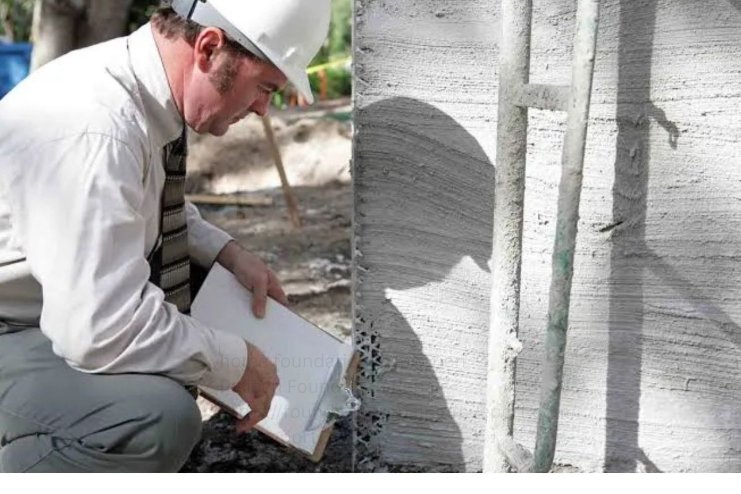
Here is the question that separates serious structural contractors from the rest: who engineers the repair? A proper structural fix starts with measurements — elevation readings, crack mapping, soil assessment — and ends with a plan that says how many piers, where, how deep, and to what torque. On complex jobs, that plan should be reviewed or stamped by a licensed professional engineer (PE).
Not every residential pier job needs a full engineered drawing set. But the contractor should be able to explain the engineering logic in plain language: why piers instead of mudjacking, why twelve piers instead of eight, what soil conditions they are designing for. If the answer is “this is what we always do,” you are buying a habit, not a repair.
When a PE stamp matters most
- Significant differential settlement — more than an inch and a half across the foundation
- Structural damage beyond the foundation: cracked beams, leaning load-bearing walls, compromised framing
- Commercial buildings or multi-family properties, where liability is higher
- Homes with previous failed repairs, where the next fix has to account for the last one
- Any job where the contractor cannot clearly explain the load path in plain English
Check 3: A Written Scope With Drawings and Specs
A handshake and a price are not a scope of work. Before you sign, you should hold a document that shows exactly what will happen to your house: a plan drawing marking each pier or repair location, the products being installed (pier type, bracket type, materials), depths or torque targets, the sequence of work, and what happens to your landscaping, concrete, and utilities along the way.
This document is also your comparison tool. Without it, you are comparing a $14,000 bid against a $9,000 bid with no idea that one includes twelve piers and the other includes seven. Demand the same level of detail from every bidder, and the real differences — in method, materials, and thoroughness — will show themselves.
| Bid Line Item | What a Complete Bid Shows | Warning Sign |
|---|---|---|
| Repair method | Named product and type (e.g., helical piers, steel push piers) | “Foundation stabilization” with no method named |
| Quantities | Exact pier count with locations on a drawing | A lump sum with no count or plan |
| Depth/verification | Target depths and torque or load verification method | No mention of how piers are verified |
| Site restoration | Backfill, compaction, and cleanup described | Restoration not mentioned at all |
| Warranty | Written terms attached to the bid | “Lifetime warranty” with nothing in writing |
Check 4: Warranty Terms That Actually Mean Something
Every contractor advertises a warranty. Few homeowners read one before signing, and that is where the trouble starts. A warranty is only as good as its fine print, so ask for the actual document — not the brochure line — and read it with a skeptical eye.
What you want to see: a clear statement of what is covered (the piers? the lift? the workmanship?), how long coverage lasts, whether it covers materials and labor, and what voids it. Watch the exclusions: some warranties quietly exclude the exact soil movement that caused your problem, which makes them decorative. A manufacturer warranty on the pier steel itself is a meaningful second layer.
- Length with specifics. “20-year structural warranty on qualifying repairs” beats “lifetime warranty*” with an asterisk the size of a paragraph.
- Transferability in writing. If you might sell the home, find out whether the warranty transfers to the next owner and what that process requires.
- What triggers a claim. The document should say how you file, who inspects, and what remedy you get — repair, replacement, or refund.
- Maintenance requirements. Some warranties require you to maintain drainage or grading. That is fair, but it should be stated upfront, not discovered at claim time.
Check 5: Comparing Bids Apples to Apples
Get at least three bids, and make them compete on the same scope. The easiest way: after your first thorough inspection, hand each subsequent contractor the same description of the problem and ask for their plan. Then lay the bids side by side against the table above. Differences in pier count, method, and verification will jump out.
Be suspicious of the outlier in both directions. A bid far below the others usually means fewer piers, cheaper materials, or skipped steps. A bid far above the rest should explain what extra you are getting: engineering review, deeper piers, more restoration. And never let anyone pressure you into signing on the spot — “this price is only good today” is a sales tactic, not engineering.
Questions to ask every bidder, word for word
- What exactly is causing my foundation to move, and how did you determine that?
- Why is this repair method the right one for my soil and my house?
- How many piers or repair points, and where will each one go?
- How do you verify each pier is in load-bearing soil?
- Who supervises the crew, and will you be on site during the work?
- What does your warranty cover, for how long, and what voids it?
- Can you give me three local references from the past year?
Red Flags: When to Walk Away
Some warning signs are loud enough to end the conversation on the spot. If a contractor does any of the following, thank them for their time and keep looking:
- Diagnoses from the driveway. No elevation readings, no interior walk-through, no measurements — just a glance and a price. Structural diagnosis without data is guessing.
- Demands full payment upfront. A reasonable deposit is normal; full payment before work begins is not.
- No written scope. If they will not put the plan on paper, there is no plan.
- Badmouths every competitor by name. Confidence is quiet. A contractor who needs to tear down the other bidders is selling fear, not engineering.
- Cannot explain the repair in plain language. If they cannot tell you why the fix works, they may not know.
- No local references. A company doing real work in Shreveport, Bossier City, or Benton can name recent customers nearby. “We just moved into the area” plus a discount is a classic storm-chaser setup after heavy weather.
One Shreveport-specific note: after big spring storms, out-of-town crews flood the market. A local company with a physical address and a reputation to protect in Caddo Parish has a reason to answer the phone in five years that a storm chaser does not.
Putting It All Together
The whole framework fits on an index card: verify the license and insurance, ask who engineers the repair, demand a written scope with drawings, read the warranty before signing, compare three bids line by line, and walk away from pressure tactics. Run those checks and the right contractor usually picks themselves.
If you are at the start of the process, our structural repair service page explains what professional structural work covers, and our guide on how to repair structural damage walks through the methods themselves. For the contractor search specifically, see our guide to choosing a foundation repair contractor in Shreveport, LA. FEMA also publishes guidance on hiring contractors after disasters that applies well to any major home repair, and the Pelican Foundation Repair homepage lists every service we stand behind. We offer free inspections Monday through Saturday, 8:00 AM to 6:00 PM — and we will happily answer every question on the list above before you sign anything, with us or anyone else.
Frequently Asked Questions
What license should a foundation repair contractor have in Louisiana?
Louisiana residential contractors need a state license for jobs over the statutory dollar threshold, and structural repairs clear it easily. Ask for the license number and verify it with the Louisiana State Licensing Board for Contractors. Also confirm general liability and workers’ compensation insurance with current certificates.
How many bids should I get for structural repair?
At least three. Give each bidder the same description of the problem so the bids compete on method, materials, and thoroughness — not on who guessed the most piers. Compare them line by line using the same checklist: pier count, product type, verification method, restoration, and warranty terms.
Do I need an engineer for foundation repair?
Not always, but complex cases benefit from one: significant differential settlement, damage beyond the foundation, commercial properties, and homes with prior failed repairs. At minimum, your contractor should explain the engineering logic in plain language.
What is a fair deposit for foundation work?
A modest deposit to schedule the work and order materials is normal — often a fraction of the total. Full payment upfront is not. Tie remaining payments to milestones: a portion at start, the balance on completion and your final walk-through. Get the payment schedule in the written contract.
Should I worry about out-of-town contractors after a storm?
Be cautious. Storm-chasing crews follow heavy weather into markets like Shreveport, do quick work, and leave. A local company with a physical address and years in the area will still be here if a warranty issue comes up. Always verify local references from the past year.
What voids a foundation repair warranty?
Common exclusions include changes you make to drainage or grading, new plumbing leaks left unrepaired, and additional construction that alters the foundation’s loading. Read the actual warranty document before signing so these are no surprise. A good warranty states its exclusions plainly instead of hiding them.
Can I negotiate the price of structural repair?
You can ask, but negotiate on scope and value, not just the number. A cheaper bid that drops four piers is not a deal — it is a different, weaker repair. Better questions: is every line item necessary, are there material options, and does the warranty stay the same if the scope changes.
Pelican Foundation Repair
6118 Fairfield Ave, Shreveport, LA 71106, USA
318-585-2003
https://foundationrepairshreveport.com/