 Skip to main content

Concrete Sealing vs Leveling: Which Does Your Driveway Need?
Concrete sealing and concrete leveling solve two completely different problems — and paying for the wrong one is one of the most common ways homeowners waste money on their driveway. Sealing protects the surface of concrete that is still sitting where it should. Leveling lifts concrete that has sunk, tilted, or cracked because the ground underneath moved. If your driveway has settled an inch or two at the garage, no amount of sealer will fix it; if the surface is just weathered but flat, leveling is overkill.
Here is the plain-English version. Sealer is a protective coating — think of it as sunscreen for concrete. It keeps water, oil, and de-icing salts out of the pores so the surface does not flake and stain. Leveling is a structural fix: a crew pumps material under the sunken slab through small holes and raises it back to its original position. One treats the surface; the other treats what is happening underneath.
The short version: seal concrete that is level but aging; level concrete that has sunk, tilted, or created trip hazards. In Shreveport, concrete sealing typically runs $1 to $3 per square foot, while concrete leveling (mudjacking) runs $5 to $12 per square foot — both far less than the $10 to $20 per square foot a full tear-out and replacement costs. A free inspection tells you which one your driveway actually needs.
Call (318) 585-2003 – Free Inspection
📊 Sealing vs Leveling at a Glance
Surface
Sealing protects concrete that is still level
Structure
Leveling lifts slabs that have sunk or tilted
50–70%
Leveling typically saves that much vs full replacement
What Concrete Sealing Does — and What It Cannot Do
Concrete is porous. Every time it rains in Shreveport — and it rains a lot — water soaks into the surface, carrying dissolved salts and contaminants with it. In winter, freeze-thaw cycles expand that trapped water and pop the surface off in flakes, a problem called spalling. Oil drips stain permanently because they soak in before you can wipe them up.
A quality sealer penetrates the pores or forms a thin protective film, and it stops all of that. Sealed concrete resists water absorption, sheds oil and stains, slows freeze-thaw damage, and keeps its color years longer. For a driveway that is flat, uncracked, and structurally sound, sealing is genuinely the right maintenance move — it extends the concrete’s life at a fraction of replacement cost.
What sealing cannot do is fix geometry. A sealer will not:
- Raise a slab that has sunk an inch at the garage apron
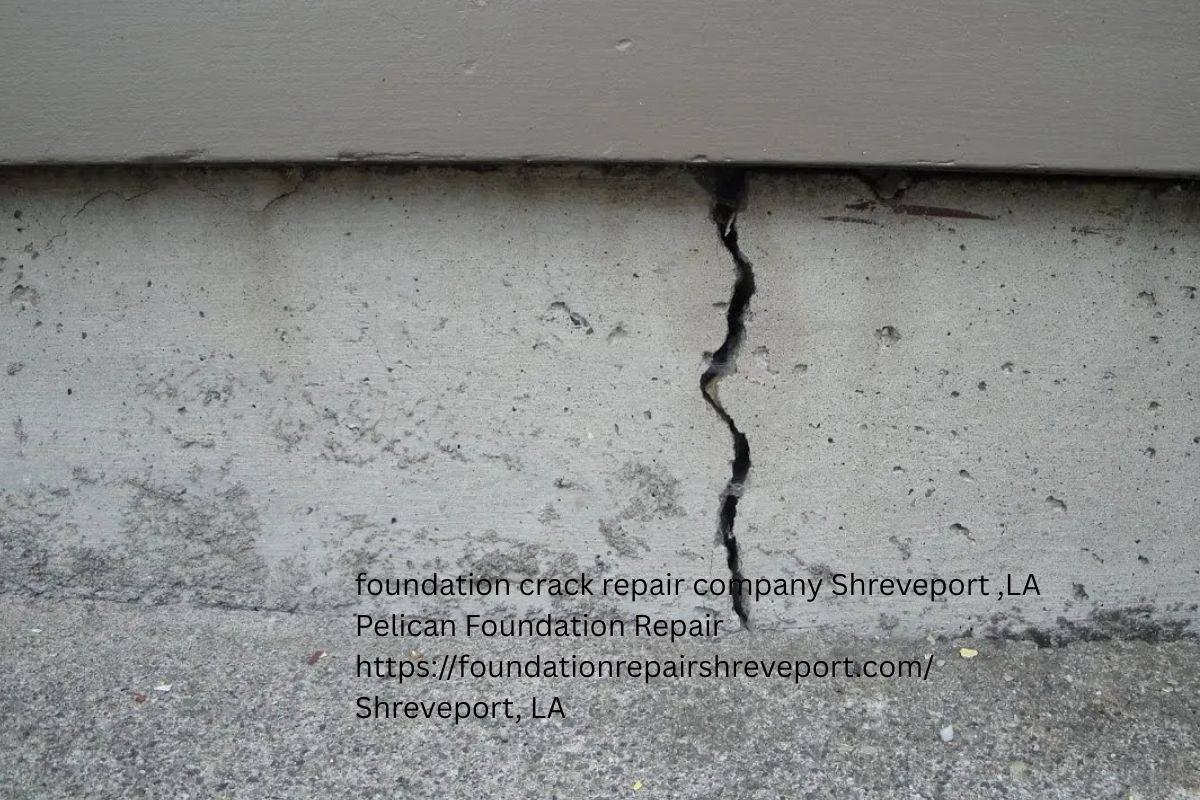
- Close a crack caused by the ground settling underneath
- Eliminate a trip hazard where one sidewalk panel sits higher than the next
- Stop water from pooling where the driveway now slopes the wrong way
If any of those are your problem, you need leveling, not sealing — and sealing first just makes the eventual leveling job harder to diagnose, because the coated surface hides the crack patterns a contractor reads.
What Concrete Leveling Does — and When It Is the Right Call
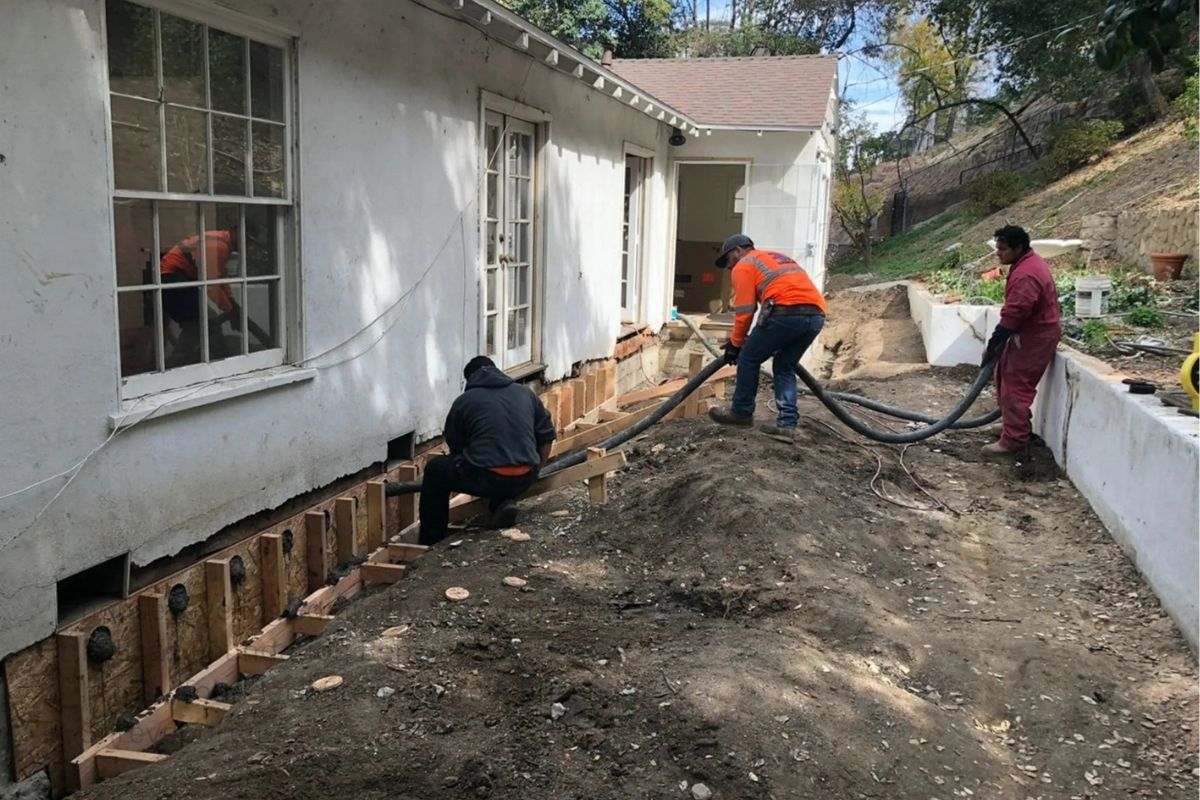
Concrete leveling — also called mudjacking or slabjacking — fixes the cause of settled concrete: voids and soft spots in the soil underneath. A crew drills small holes (about an inch wide) through the sunken slab, pumps a cement-based slurry or polyurethane foam underneath, and the material fills the voids and hydraulically lifts the slab back to its original position. The holes are patched, and the driveway is usually usable the same day.
Leveling is the right call when you see:
- A slab that has visibly sunk. The classic is the driveway apron dropping away from the garage floor, leaving a lip you feel every time you pull in.
- Trip hazards between panels. When one sidewalk or patio section sits a half inch or more above its neighbor, that is differential settlement — and it is a liability issue, not just cosmetic.
- Water pooling where it never used to. A settled slab changes the drainage pitch. If rain now ponds against your foundation or garage, the slab moved.
- Cracks that keep widening. Hairline shrinkage cracks are normal. Cracks that grow season after season mean the ground underneath is still moving.
Our concrete leveling page covers the full process, and our mudjacking vs foam cost guide compares the two lifting materials in detail.
Call (318) 585-2003 – Free Inspection
Sealing vs Leveling: The Side-by-Side Comparison
| Factor | Concrete sealing | Concrete leveling |
|---|---|---|
| Problem it solves | Surface wear, staining, water absorption, spalling | Sunken, tilted, or cracked slabs from soil movement |
| How it works | Protective coating applied to the surface | Material pumped under the slab lifts it back up |
| Typical Shreveport cost | $1–$3 per square foot | $5–$12 per square foot |
| Driveway usable after | 24–48 hours (cure time) | Same day in most cases |
| How long it lasts | 2–5 years before resealing | 5–10+ years when the soil cause is addressed |
| DIY-friendly? | Yes, with quality products and prep | No — needs professional equipment |
| When it is wrong | Slab has settled or cracked from below | Concrete is crumbling or the surface is the only issue |
Notice the overlap case: a driveway that has been leveled should usually be sealed afterward. Fresh leveling patches and the disturbed surface benefit from a sealer once everything has cured — the two services are complements, not competitors, when the concrete needs both.
Why Shreveport Driveways Settle So Often
If your driveway has sunk and your neighbor’s has not, it is usually not luck — it is soil and water. North Louisiana’s expansive clay is the main culprit, and driveways suffer more than house foundations because they get none of the house’s advantages:
- No deep footings. A house foundation bears on footings dug below the active clay zone. A driveway is a 4-inch slab sitting right on the surface clay — the exact layer that swells and shrinks every season. LSU AgCenter research at lsuagcenter.com explains how much Louisiana clay moves with moisture changes.
- Poor compaction under the slab. Many driveways were poured over backfill that was never properly compacted. Over the years, that loose soil consolidates — the slab follows it down.
- Water washing soil out. Downspouts that dump next to the driveway, or a yard that slopes toward the concrete, wash the base soil out from under the edges. The slab cantilevers over the void until it cracks and drops.
- Tree roots. Big oaks lift one side of a driveway while the other side settles — the classic seesaw crack.
The pattern to watch: settlement that appears after an unusually wet spring or a long dry summer is soil-driven, and it will keep progressing until the voids under the slab are filled. That is exactly what leveling does.
Call (318) 585-2003 – Free Inspection
How Mudjacking Actually Works, Step by Step
Most homeowners have never watched a slab get lifted, so the process sounds like magic. It is not — it is straightforward hydraulics:
Step 1: Assessment. The contractor measures how far each section has dropped and checks for the cause — voids, poor compaction, or water erosion. If the concrete is crumbling apart rather than settled as solid pieces, leveling is not appropriate and replacement is the honest recommendation.
Step 2: Drill pattern. Small holes — about an inch in diameter — are drilled through the slab in a grid over the sunken area. Fewer, smaller holes than most people expect.
Step 3: Pump and lift. A cement-based slurry (mudjacking) or expanding polyurethane foam is pumped through the holes. The material spreads under the slab, fills the voids, and the hydraulic pressure gently raises the concrete. The crew watches with levels and lifts in small increments — usually recovering the full settled distance.
Step 4: Patch and seal. The holes are filled with concrete patch, and the slab is ready for traffic — same day for mudjacking, within hours for foam. Sealing the surface a few weeks later protects the repair.
Foam vs slurry is a real choice: foam is lighter, needs smaller holes, and cures fast, but costs more per square foot; slurry is heavier and cheaper, and its weight can actually help compact loose soil. Our mudjacking vs foam guide breaks down which suits which situation.
What Each Option Costs in Shreveport
| Service | Typical Shreveport range | Notes |
|---|---|---|
| Concrete sealing (pro applied) | $1–$3 per sq ft | A 600 sq ft driveway: roughly $600–$1,800 |
| DIY sealing | $0.25–$0.75 per sq ft | Materials only; prep work is the real labor |
| Concrete leveling / mudjacking | $5–$12 per sq ft | Depends on how far slabs dropped and void size |
| Polyurethane foam leveling | $8–$18 per sq ft | Lighter, faster cure, smaller holes |
| Full tear-out and replacement | $10–$20 per sq ft | The last resort; needed only for crumbling concrete |
The math that matters: leveling a settled 600-square-foot driveway section typically runs $3,000 to $7,000, while replacing the same concrete runs $6,000 to $12,000 — plus days of no driveway access. Leveling wins on cost and convenience whenever the concrete itself is still sound.
The Portland Cement Association at cement.org publishes technical guidance on concrete durability that backs up the maintenance logic: keeping water out of concrete — whether by sealing the surface or fixing the drainage that undermines it — is what makes it last.

Frequently Asked Questions
Should I seal or level my driveway first?
Level first, then seal. Leveling fixes the structure underneath, and sealing afterward protects the repair and the patched drill holes. Sealing a settled driveway first just hides the crack patterns a contractor needs to read.
How long does concrete leveling last?
Typically 5 to 10 years or more, provided the underlying cause — usually water erosion or poor compaction — is addressed. If downspouts still dump next to the slab, new voids can form over time.
Can you level a driveway that is badly cracked?
It depends on the cracks. Slabs that settled as solid pieces with clean separation cracks level well. Concrete that is crumbling, shattered into small pieces, or spalling across the whole surface should be replaced instead.
Is mudjacking or foam better for leveling?
Foam is lighter and cures faster with smaller holes, but costs more. Slurry (mudjacking) is cheaper and its weight helps compact loose soil. For most Shreveport driveways on clay, either works — the choice comes down to budget and how fast you need the driveway back.
How much does it cost to seal a driveway in Shreveport?
Professional sealing runs $1 to $3 per square foot, so a typical 600-square-foot driveway costs roughly $600 to $1,800. DIY materials run $0.25 to $0.75 per square foot, but surface prep is labor-intensive.
Will leveling fix water pooling against my foundation?
Often, yes. Pooling happens because the settled slab now pitches toward the house; lifting it back restores the original drainage slope. If grading or downspout issues also contribute, those need attention too — see our drainage correction services.
Can I drive on the concrete right after leveling?
With polyurethane foam, usually within a few hours. With traditional mudjacking slurry, the same day is typical — the crew will tell you the exact wait based on the mix and weather.
Call (318) 585-2003 – Free Inspection
Get a Free Driveway Assessment in Shreveport
Not sure whether your driveway needs sealing, leveling, or both? Our free assessment measures the settlement, checks the concrete’s condition, and gives you a straight recommendation with a written price — no upsell to the more expensive option when the cheaper one is right.
Call Pelican Foundation Repair at (318) 585-2003, or visit Pelican Foundation Repair to schedule. We handle concrete leveling across Shreveport and surrounding areas — and if the water causing the settlement needs managing too, see our full foundation repair services.
Pelican Foundation Repair 6118 Fairfield Ave, Shreveport, LA 71106, USA 318-585-2003 https://foundationrepairshreveport.com/