 Skip to main content

Crawl Space Encapsulation vs. Vapor Barrier: Cost, Performance & Which You Need
What is the difference between crawl space encapsulation and a vapor barrier? A vapor barrier is a heavy plastic sheet laid over the bare ground in your crawl space to block ground moisture. Full encapsulation goes much further — it seals the ground, the foundation walls, the vents, and often the rim joists, then controls the air with a dehumidifier. In humid northwest Louisiana, the vapor barrier alone is usually a partial fix, while encapsulation is the complete system.
For most Shreveport-area homes with dampness, musty smells, or mold in the crawl space, full encapsulation is the option that actually solves the problem. A simple vapor barrier costs far less but only slows moisture — it does not control humidity, seal vents, or stop condensation on ductwork and joists.
Call (318) 585-2003 – Free Inspection
📊 Vapor Barrier vs Encapsulation at a Glance
$1,500–$3,500
Typical vapor barrier install
$5,000–$15,000+
Full encapsulation range
2–3 days
Typical encapsulation timeline
What Is a Crawl Space Vapor Barrier?
A vapor barrier is a sheet of thick polyethylene — usually 6 to 20 mil — laid across the bare earth floor of a crawl space. The seams are overlapped and sometimes taped, and the edges may be tucked or fastened to the foundation walls. Its job is simple: keep ground moisture from evaporating straight up into the crawl space air and the wooden structure above it.
On a pier-and-beam home, the ground under the house is constantly giving off moisture, especially in Louisiana. Bare dirt under a house in Caddo Parish can stay damp most of the year, and every time that moisture rises, it feeds humidity in the crawl space. A vapor barrier interrupts that one path — ground to air. It is the oldest, simplest moisture-control step, and it is far better than bare dirt.
What a vapor barrier does not do is just as important. It does not seal the foundation vents, so humid outside air still flows in all summer. It does not cover the foundation walls, so moisture wicks through the block or brick. It does not insulate or dehumidify anything. Think of it as a ground cover, not a climate system — a useful first step that leaves several moisture paths wide open.
Installation is straightforward and fast, usually a day for a typical home. That is why it is the cheapest option on paper. But the question homeowners in Shreveport, Bossier City, and the surrounding parishes should ask is not “what is cheapest?” — it is “what actually fixes my crawl space problem?” For that, you need to compare it honestly against the full system.
What Is Full Crawl Space Encapsulation?
Full encapsulation treats the crawl space as a sealed, conditioned part of the house instead of an open dirt pit under it. A thick vapor barrier — typically 20 mil reinforced polyethylene — covers the ground and runs up the foundation walls, sealed at every seam, edge, and penetration. Foundation vents are sealed shut. The rim joists get sealed and often insulated. Then a dedicated dehumidifier keeps the air at a controlled humidity level year-round.
The result is a crawl space that stays dry, clean, and stable. Wood moisture content drops into the safe range, which stops the conditions that feed mold and wood rot. Musty smells in the house fade because the air leaking up from the crawl space is no longer damp and dirty. Ductwork and plumbing down there last longer because they are not sitting in a humid, condensing environment.
Encapsulation usually includes cleanup first: removing old debris, fallen insulation, and any existing mold growth, plus grading or drainage correction if water is pooling. The EPA’s guidance on moisture control in homes at epa.gov underscores why controlling humidity at the source matters more than treating symptoms after they spread. Our crawl space encapsulation service page walks through exactly what is included in a full system.
Is it more work than laying a sheet of plastic? Obviously. Is it the same category of solution? Not really. A vapor barrier is one component; encapsulation is the full assembly of which a vapor barrier is only the first piece. That difference explains almost the entire price gap between the two — and almost the entire performance gap too.
Call (318) 585-2003 – Free Inspection
Vapor Barrier vs. Encapsulation: Head-to-Head Cost Comparison
Here is the honest side-by-side. These are typical Shreveport-area ranges for a standard single-family home — your crawl space size, condition, and access change the numbers, which is why every real quote starts with an inspection.
| Item | Vapor barrier only | Full encapsulation |
|---|---|---|
| Typical project cost | $1,500–$3,500 | $5,000–$15,000+ |
| Ground coverage | Ground only, seams overlapped | Ground plus walls, sealed seams |
| Vents | Left open | Sealed shut |
| Humidity control | None | Dedicated dehumidifier |
| Wall moisture | Not addressed | Walls lined and sealed |
| Mold remediation | Not included | Usually included in prep |
| Drainage correction | Not included | Included when needed |
| Typical install time | About 1 day | 2–3 days |
The encapsulation range is wide because the job varies so much. A small, clean, easy-access crawl space sits at the low end. A large crawl space with standing water, heavy mold, failed insulation, and drainage work lands at the high end — and honestly, that high-end job is usually the one that needed encapsulation most. Our crawl space encapsulation cost guide breaks down what moves a quote up or down in this market.
One more cost note: dehumidifier operation adds a small ongoing electric cost, roughly comparable to running a second refrigerator. Most homeowners find the tradeoff easy to accept once they see what uncontrolled humidity was doing to their floor joists and energy bills. A damp crawl space makes your HVAC work harder all summer; a dry one does not.
How Each One Performs in Louisiana Humidity
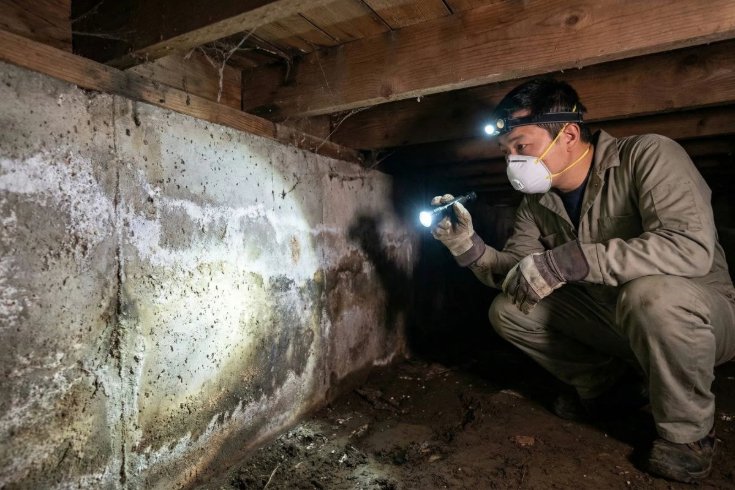
This is where the comparison stops being theoretical. Northwest Louisiana is hot, humid, and wet — summer air regularly sits at humidity levels that feed mold, and our clay soil holds water against foundations for days after a storm. A crawl space solution that works in a dry climate can fail quietly here.
A vapor barrier in Louisiana helps with one moisture source: the ground. But the vents stay open, and every humid day, outside air pours through those vents and condenses on the cooler surfaces inside — ductwork, pipes, floor joists. The LSU AgCenter’s home moisture guidance at lsuagcenter.com documents how vented crawl spaces in our climate routinely exceed safe humidity levels. The barrier slows the problem; it does not stop it.
Encapsulation closes those paths. Sealed vents mean humid outside air stops entering. The sealed liner means ground moisture stops rising. The dehumidifier handles whatever is left — seasonal swings, minor leaks, the humidity that migrates through any structure. The crawl space holds steady in the 45–55 percent relative humidity range where wood stays sound and mold cannot get a foothold.
Real-world signs tell the same story. Homes around Highland, Broadmoor, and South Highlands with vented crawl spaces and a simple barrier still show condensation on ducts, musty odors after rain, and seasonal mold on joists. Encapsulated crawl spaces in the same neighborhoods stay dry through the same weather. Climate is the tiebreaker in this comparison, and in Louisiana, the climate is relentless.
Call (318) 585-2003 – Free Inspection
When a Vapor Barrier Is Enough
Full encapsulation is not mandatory for every crawl space. A quality vapor barrier is a reasonable choice when the conditions are right — and an honest contractor will tell you so rather than upselling you. Here is when the simple option genuinely works.
- The crawl space is already dry. No standing water, no history of flooding, no visible mold, and wood moisture readings in the normal range. The barrier is prevention, not repair.
- Drainage around the house is good. Gutters discharge away from the foundation, the yard slopes away from the house, and water never ponds near the crawl space vents. Ground moisture is the main concern, and the barrier handles it.
- The home is elevated or well-ventilated. Some older pier-and-beam homes in neighborhoods like Cedar Grove and the Cross Lake area sit high enough that air movement keeps the space reasonably dry. If humidity readings confirm it, a barrier may be all you need.
- Budget is the deciding factor right now. A vapor barrier installed today is far better than bare dirt for another five years. You can upgrade to full encapsulation later — the barrier becomes the ground layer of the future system.
- You are prepping a home for sale. If the crawl space is fundamentally sound and you just want it to look clean and cared-for in a buyer’s inspection, a fresh heavy-mil barrier is a sensible, affordable move.
The key is verifying, not guessing. A moisture reading takes minutes during a free inspection, and it tells you whether “good enough” is actually good enough. If readings are borderline, ask what the encapsulation upgrade would cost for your specific space — then you are choosing with numbers, not pressure.
When Full Encapsulation Is the Right Call
Some crawl spaces are past the point where a ground sheet helps. If any of these sound familiar, a vapor barrier is a bandage on a problem that needs surgery.
Standing water or chronic dampness is the clearest signal. If water collects under your house after rain — common in low-lying parts of Southern Hills and Ellerbe where clay soil drains slowly — a barrier laid over a puddle accomplishes nothing. Encapsulation includes the drainage correction and grading work that actually moves water out, and the sealed liner goes over a dry, prepped surface.
Visible mold on joists, subfloor, or insulation means humidity has been winning for a long time. Mold needs moisture, and the vents-plus-barrier setup cannot take humidity low enough to stop it in our climate. Encapsulation’s prep phase includes mold remediation, and the sealed system keeps it from coming back. Our comparison of crawl space repair vs. encapsulation explains how remediation and the full system work together.
Musty smells inside the house are another tell. Up to half the air you breathe on the first floor can originate in or pass through the crawl space — when it smells musty, that air is carrying moisture and microbial byproducts upstairs. Sealing the space cuts that path off. Homeowners often notice the smell difference within days of encapsulation.
Sagging insulation, rotting sill plates, or soft spots in floors are structural warning signs. Moisture has already damaged wood, and the repair needs to happen in a space that will stay dry afterward — otherwise you are rebuilding in the same swamp. Encapsulation protects the repair investment.
Finally, consider encapsulation if anyone in the home has allergies or respiratory sensitivity. A sealed, dehumidified crawl space dramatically reduces the mold spores and dust-mite habitat that a vented dirt crawl space produces all summer. It is not a medical claim — it is just what happens when you take away the damp.
Call (318) 585-2003 – Free Inspection
What the Encapsulation Upgrade Actually Adds (and Whether It Pays Off)
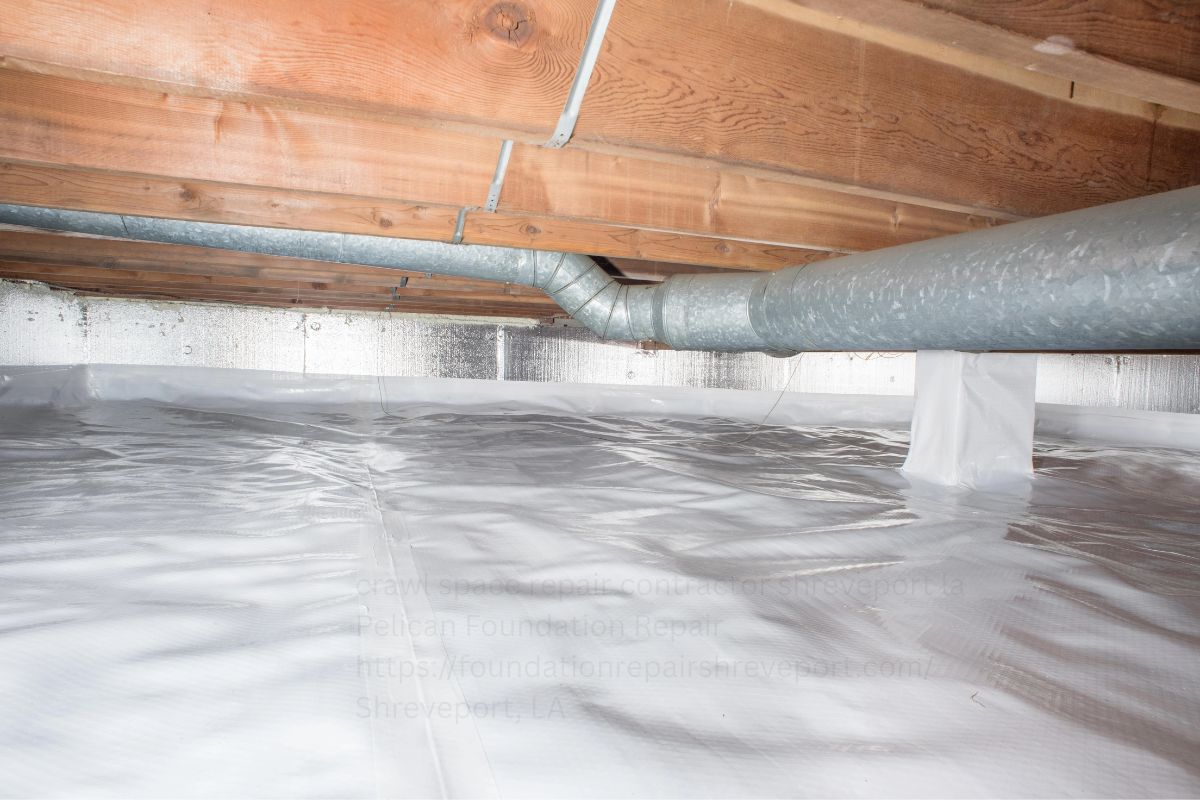
If you are weighing the jump from a $1,500–$3,500 barrier to a $5,000–$15,000+ encapsulation, it helps to see exactly what the extra money buys. The upgrade is not one thing — it is a package of components, each closing a moisture path the barrier leaves open.
The 20-mil reinforced liner itself is a step up from standard barrier plastic: thicker, tougher, and sealed at every seam with tape and mechanical fasteners instead of just overlapped. Wall coverage adds the foundation walls, which wick moisture constantly in our clay soil. Vent sealing and rim-joist work close the air leaks that let humid Louisiana air pour in. The dehumidifier — sized for the space, draining automatically — is what holds humidity steady through August.
Then there is the prep work: debris removal, old insulation tear-out, mold treatment, and drainage correction. This is the unglamorous labor that makes the system last. A liner over moldy debris is a waste of liner; encapsulation does the cleanup first.
Does it pay off? Consider what an uncontrolled crawl space costs over time: premature HVAC strain and duct replacement, floor repairs from rot, repeated mold cleanups, and the energy penalty of humid air infiltrating the living space. None of those are one-time expenses — they recur as long as the moisture does. Encapsulation is the one project that addresses the cause instead of the symptoms, which is why it is usually cheaper than a decade of piecemeal fixes.
It also protects resale. In the Shreveport market, a documented encapsulation with a dehumidifier reads as a cared-for house on an inspection report. A damp, moldy crawl space reads as a negotiation. The system does not just save money — it preserves the value of the asset sitting on top of it.
Frequently Asked Questions
Is a vapor barrier enough for my crawl space in Louisiana?
Sometimes, but often not. A vapor barrier only blocks ground moisture, while Louisiana’s humid air still enters through open vents and condenses on cool surfaces. If your crawl space is already dry with good drainage, a barrier may be enough. If you have musty smells, mold, or standing water, you likely need full encapsulation.
How much does it cost to encapsulate a crawl space in Shreveport?
Most full encapsulation jobs in the Shreveport area run $5,000–$15,000+, depending on crawl space size, condition, mold remediation needs, and drainage work. A simple vapor barrier runs $1,500–$3,500. A free inspection gives you an exact number for your home.
Can I just add a dehumidifier instead of full encapsulation?
A dehumidifier alone in a vented crawl space fights a losing battle — humid outside air keeps pouring in through the vents. Dehumidifiers work as part of an encapsulated system, where sealed vents and a sealed liner let the unit actually control the space. Installed alone, it runs constantly and never quite wins.
Will encapsulation get rid of the musty smell in my house?
Usually, yes, and often quickly. That musty smell is damp crawl space air migrating into your living space. Once the crawl space is sealed and dehumidified, the source of the odor is gone. Most homeowners notice the difference within days of the system going in.
How long does crawl space encapsulation last?
A properly installed encapsulation — 20-mil liner, sealed seams, sealed vents, and a maintained dehumidifier — typically lasts 15–20 years or more. The liner itself is extremely durable; the dehumidifier is the component that eventually needs service or replacement, like any appliance.
Do I need to fix drainage before encapsulating?
Yes. Encapsulation is not a substitute for drainage — sealing water inside is worse than leaving it open. Any reputable encapsulation includes drainage correction, grading, or a sump setup when water is present. The crawl space must be dry before the liner goes down.
Will a vapor barrier stop mold in my crawl space?
Not reliably. Mold grows where humidity stays high, and a ground-only barrier does nothing about humid air entering through vents or moisture wicking through walls. In Louisiana’s climate, vented crawl spaces with just a barrier still develop mold. Encapsulation controls the humidity that mold needs to survive.
Call (318) 585-2003 – Free Inspection
Get a Free Crawl Space Inspection in Shreveport
The vapor barrier vs. encapsulation decision comes down to what your crawl space actually looks like — moisture readings, drainage, and condition. A free inspection gives you those answers, plus a written plan and an honest recommendation for your specific home, with no obligation.
Call Pelican Foundation Repair at (318) 585-2003, or visit Pelican Foundation Repair to schedule. We serve Shreveport and surrounding areas — see our service areas and browse all foundation and crawl space services.
Pelican Foundation Repair 6118 Fairfield Ave, Shreveport, LA 71106, USA 318-585-2003 https://foundationrepairshreveport.com/