 Skip to main content

Epoxy Injection for Foundation Cracks: When It Works & When It Doesn’t
Epoxy injection welds stable, non-moving foundation cracks back together — but it can’t fix a sinking foundation. Here’s the honest guide to when it’s right.
Epoxy injection is a crack repair method where two-part epoxy is injected under pressure into a foundation crack, bonding the concrete back together with a seal stronger than the concrete itself. It works beautifully on stable, non-moving cracks — and fails predictably on cracks caused by active foundation settlement, which need piers instead of glue.
What Epoxy Injection Actually Does
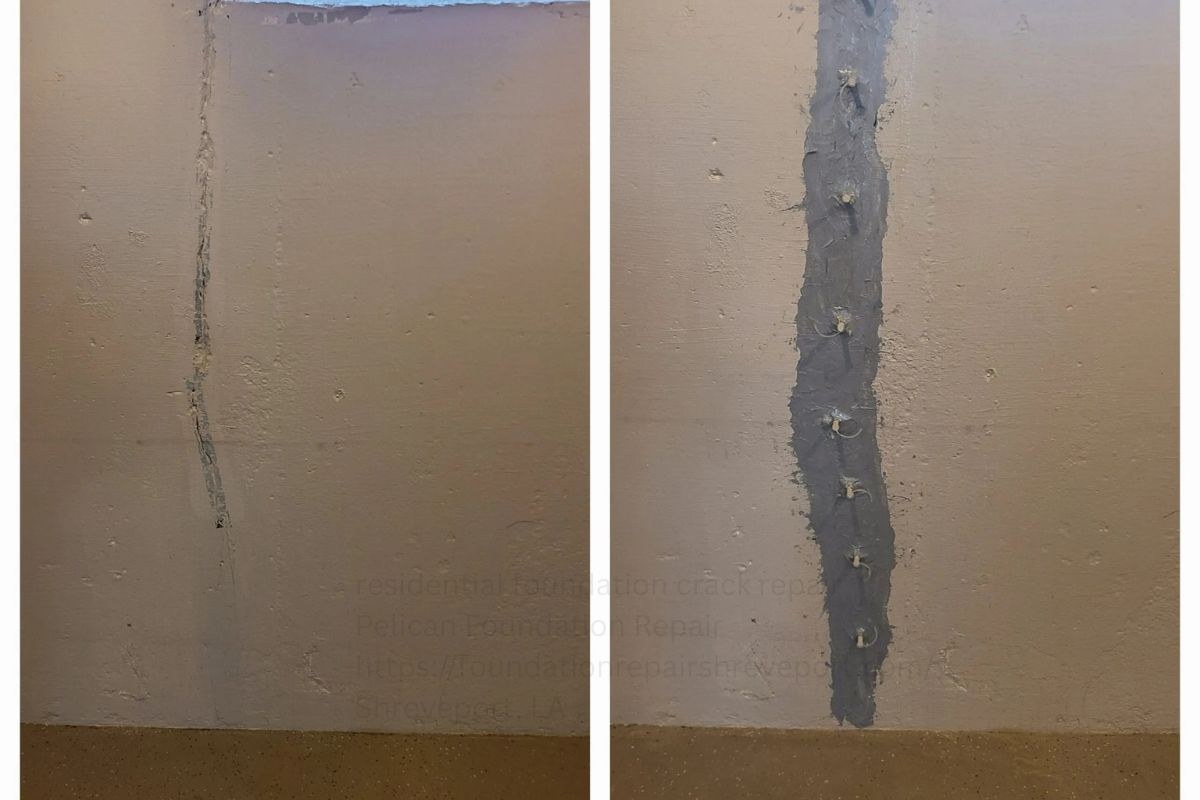
Strip away the marketing and epoxy injection is straightforward: a technician seals the surface of the crack, installs small injection ports along its length, and pumps a two-part epoxy resin into the crack under low pressure. The epoxy flows into every branch of the fissure and cures into a rigid bond that, once hardened, is actually stronger than the surrounding concrete.
The key word is rigid. Epoxy doesn’t flex — it welds. That’s exactly what you want when the crack is done moving: the two sides of the concrete become one piece again, water can’t get through, and the wall regains its original strength at that spot. The whole job usually takes a few hours, there’s no excavation, and you can paint over the repair when it’s done.
But rigidity is also the limitation, and it’s the one most sales pitches skip. If the foundation is still settling — if the crack is a symptom of the house moving on Louisiana clay — a rigid weld can’t stop the movement. The concrete will simply crack again next to the repair, or the epoxy bond will shear as the two sides keep traveling. Epoxy fixes the crack. It does not fix the cause of the crack. Knowing which one you’re dealing with is the entire ballgame, and it’s why the search trend matters: national searches for “epoxy injection crack repair” are up about 40% by recent Google Trends research from October 2026, which means a lot of homeowners are considering this fix right now. Most of them need the honest version first.
When Epoxy Injection Works
Epoxy earns its reputation on the right cracks. When all of the conditions below are true, injection is the correct, lasting, cost-effective fix — often the best value in foundation repair.
The ideal crack: stable, narrow, and dry
The perfect epoxy candidate is a hairline to narrow crack — roughly 1/16 to 1/4 inch wide — in a poured concrete wall that hasn’t changed in a year or more. Shrinkage cracks are the classic example: concrete shrinks slightly as it cures, and the resulting hairlines are structurally harmless but can weep water. A homeowner who marks the crack ends with dated pencil marks and finds zero growth after twelve months is looking at a stable crack. Epoxy welds it shut, and the story ends there.
Cracks epoxy handles well
- Shrinkage cracks in poured walls: the most common residential crack, vertical, narrow, stable — epoxy’s home turf.
- Minor settlement cracks that have stopped: a crack from initial soil consolidation years ago that hasn’t moved since can be safely welded.
- Cracks needing structural bonding: where the goal is restoring the wall’s original strength, epoxy’s rigid cure is an advantage over flexible sealants.
- Leaking cracks in dry conditions: epoxy seals out water permanently, provided the water isn’t under hydrostatic pressure (more on that below).
For the full picture of how crack repair fits into a foundation plan, see our guide to how foundation crack repair works — and for the most common crack type, our write-up on vertical foundation crack repair walks through what those cracks mean.
When Epoxy Fails: The Honest Limits
This is the section most epoxy articles won’t write, and it’s the one that saves you money. Epoxy injection has real, predictable failure modes. If any of these describe your crack, epoxy is the wrong purchase no matter how good the price looks.
Active settlement: the number-one reason epoxy fails
If your foundation is still moving — doors progressively sticking worse each season, cracks widening year over year, floors sloping more than they used to — the crack is a symptom, not the disease. Injecting epoxy into a moving crack is like stitching a wound while the knife is still in it. The rigid bond will shear, or a new crack will open inches away, and you’ll have paid for a repair that was doomed before the technician packed up. Active settlement needs steel push piers or helical piers driven to stable soil first. Only after the movement stops does injection make sense — as the finishing step, not the fix.
Water under pressure beats epoxy
Epoxy seals against moisture, not against hydrostatic pressure. If groundwater is actively pushing through the crack — water visibly flowing or pulsing during rain — the pressure can prevent the epoxy from bonding or force a new path around the repair. These situations call for polyurethane foam injection, which expands to fill the void and cures even in wet conditions, or for exterior drainage work that relieves the pressure before any injection happens. A good technician tests for active water flow before recommending epoxy.
Wrong crack, wrong wall, wrong width
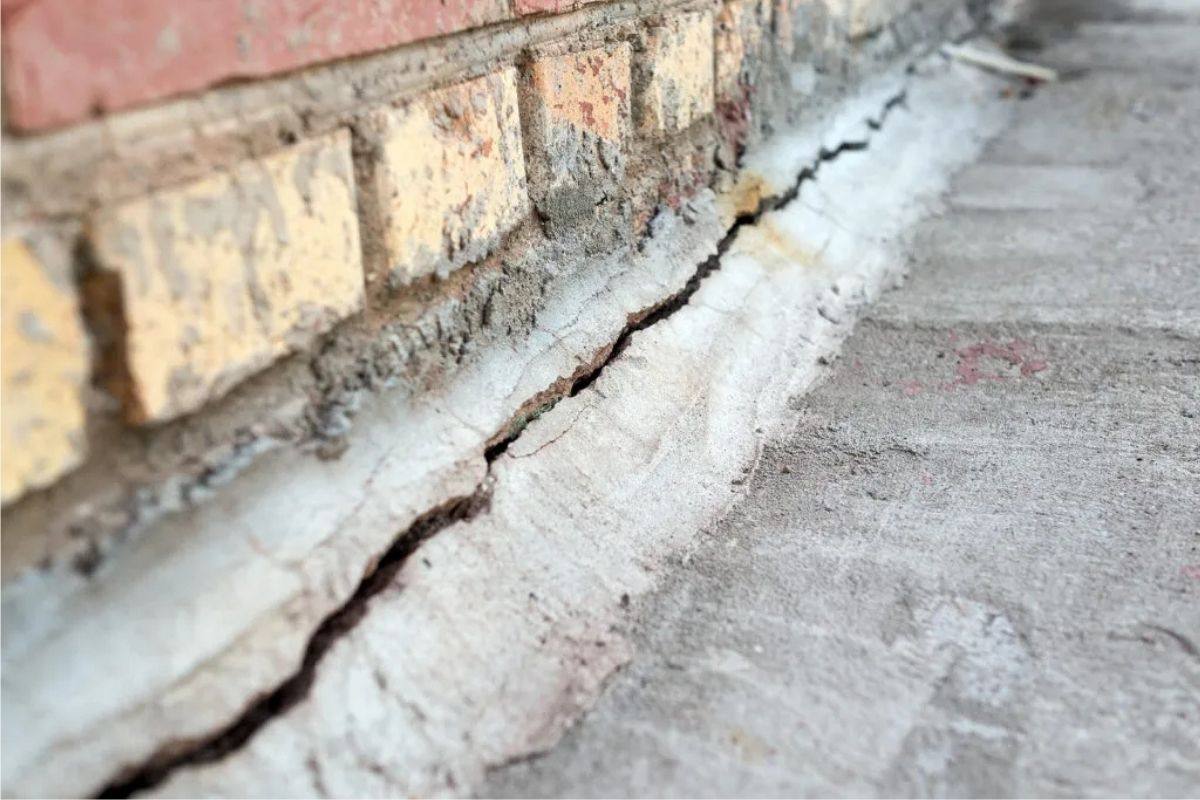
- Wide structural cracks (over about 1/4 inch and growing) usually signal significant movement — they need structural evaluation, not a tube of resin.
- Horizontal cracks in block walls often mean lateral soil pressure is pushing the wall inward — a structural problem that wall anchors or bracing address, not injection.
- Crumbling or deteriorating concrete won’t hold a bond; epoxy needs sound concrete on both sides of the crack to weld to.
- Cracks with efflorescence and ongoing moisture suggest a water management problem that injection alone won’t solve — fix the drainage, then seal the crack.
The pattern across all of these: epoxy succeeds when the crack is finished moving and the concrete is sound. Everything else is a job for piers, drainage, or structural reinforcement. Any contractor who recommends epoxy without checking whether the crack is still moving — dated measurements, elevation readings, or at minimum a careful history — is selling, not diagnosing. Our foundation crack repair service starts with that diagnosis, free, before any method is recommended.
Epoxy vs. Polyurethane Foam vs. Piers: Choosing the Right Fix
Three tools, three different jobs. Here’s how they compare so you can see where epoxy belongs — and where it doesn’t:
| Method | What It Does | Right When… | Wrong When… |
|---|---|---|---|
| Epoxy injection | Rigid structural weld; stronger than concrete once cured | Crack is stable, narrow, in sound concrete | Foundation still settling; water under pressure |
| Polyurethane foam injection | Flexible waterproof seal; expands to fill voids | Active leaks, wet cracks, minor ongoing movement expected | Structural bonding needed; major settlement |
| Steel push / helical piers | Transfers foundation weight to stable soil; can lift | Differential settlement, sinking sections, widening cracks | Crack is stable and cosmetic — overkill and overpriced |
Notice the overlap: polyurethane foam is the better injection choice when water is active or slight future movement is expected, because it flexes where epoxy would shear. Epoxy is the better choice when the priority is structural bonding of a crack that’s done moving. And piers aren’t competing with either injection method — they’re the answer to a different question entirely: is the foundation itself stable?
What Epoxy Injection Costs in Shreveport
Professional epoxy injection for foundation cracks in the Shreveport area typically runs $400 to $1,500, depending on the crack’s length, width, accessibility, and how many cracks need treatment. A single short hairline in an open basement wall sits at the low end; multiple long cracks in a tight crawl space run higher.
What moves the price:
- Number and length of cracks: most contractors price per crack or per linear foot, so three cracks cost notably more than one.
- Access: an open basement wall is fast work; a crack behind a finished wall or in a cramped crawl space takes longer.
- Prep work: cracks needing surface grinding, old sealant removal, or active-leak management before injection add labor.
- Diagnosis: reputable companies include the inspection that confirms the crack is stable — be wary of any bid that skips straight to a price without checking for movement.
For context, polyurethane foam injection usually lands in a similar range, while pier work for the settlement epoxy can’t fix starts around $3,500 and climbs past $15,000 for extensive jobs. That gap is exactly why the diagnosis matters so much: paying $800 for epoxy on a crack that needed $6,000 of piers isn’t a bargain — it’s $800 spent on the road to spending $6,800. InterNACHI’s home inspection resources are a solid independent read on how inspectors evaluate cracks before recommending a repair method.
Getting the Right Fix the First Time
The most expensive crack repair is the one you do twice. Here’s how to make sure epoxy — or whatever the right method is — gets specified correctly on the first visit.
What a proper evaluation looks like
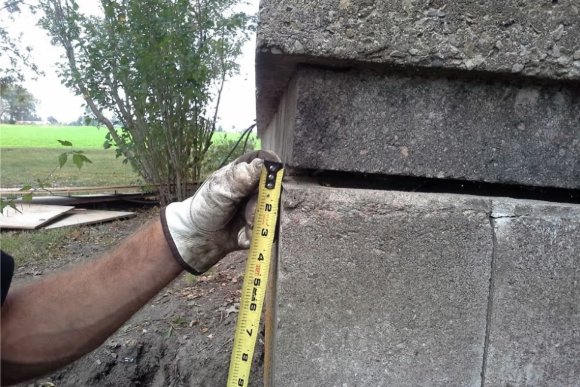
Before anyone talks price, a competent evaluator documents the crack: width measurements at several points, photos with a ruler for scale, and the crack’s history — when you first noticed it, whether it’s changed, whether doors and windows near it have started sticking. On a slab or near settled areas, elevation readings show whether the crack sits in a section that’s still moving. This takes under an hour and it’s the difference between a repair and a guess.
Questions to ask before you approve epoxy
Ask the contractor: is this crack still moving, and how did you verify that? What happens if it moves after the injection — is the work warranted? And if this were your house, would you inject it or investigate further? The answers reveal whether you’re getting a diagnosis or a sales pitch. Pelican’s inspections are always free, Monday through Saturday, 8:00 AM to 6:00 PM — start with Pelican Foundation Repair and get the measurement before the method.
Frequently Asked Questions
Is epoxy injection a permanent fix for foundation cracks?
For a stable, non-moving crack in sound concrete, yes. The cured epoxy bond is stronger than the surrounding concrete and seals out water permanently. For a crack caused by ongoing settlement, no repair of the crack alone is permanent until the movement is stopped with piers.
How much does epoxy injection cost for a foundation crack?
In the Shreveport area, professional epoxy injection typically runs $400 to $1,500 depending on crack length, width, access, and how many cracks need treatment. Polyurethane foam injection lands in a similar range.
Can epoxy injection fix a settling foundation?
No. Epoxy welds a crack shut, but it cannot stabilize or lift a foundation that is still moving. Settlement needs steel push piers or helical piers driven to stable soil. Epoxy can be the right finishing step after piers stop the movement.
What’s the difference between epoxy and polyurethane injection?
Epoxy cures rigid and restores structural strength, making it ideal for stable cracks. Polyurethane foam expands, stays flexible, and seals out water even in wet conditions, making it better for active leaks or cracks that may see slight future movement.
How long does epoxy injection take?
Most residential epoxy injection jobs are completed in a few hours. There is no excavation, and the area is usable once the epoxy cures, usually within a day.
Will the crack come back after epoxy injection?
A properly injected stable crack will not reopen. If a new crack appears beside the repair or the injected crack reopens, the foundation is still moving and the underlying settlement needs to be addressed with piers.
Can I do epoxy injection myself with a kit?
DIY kits exist, but they can’t tell you whether the crack is stable. The critical step is the diagnosis: width measurements, movement history, and elevation readings that confirm the foundation isn’t settling. A free professional inspection answers that before you spend anything.
Does epoxy injection come with a warranty?
Qualifying structural repairs from Pelican carry a 20-year structural warranty, with terms spelled out in writing before work begins. Always get warranty terms in writing from any contractor, whatever method they recommend.
Pelican Foundation Repair
6118 Fairfield Ave, Shreveport, LA 71106, USA
318-585-2003
https://foundationrepairshreveport.com/