Foundation Damage After a Storm or Flood: What to Check First
After heavy rain or flooding, check your foundation in a safe order: safety hazards first, then visible cracks, drainage paths, and crawl space moisture before calling for repairs.
Once the water recedes and authorities say it is safe to return, check your foundation before you start cleanup. Floodwater swells the expansive clay around a Louisiana home, pushing on walls and slabs, and it can wash soil from under footings, leaving voids. Most storm damage is quiet: new cracks, doors that stick, or a crawl space that stays wet.
Shreveport-area homeowners know this cycle well. Heavy rain seasons soak the clay soils of Caddo and Bossier parishes, and neighborhoods near bayous and low ground, from Red Chute and Bossier City to the Wallace Lake area south of Shreveport, feel it first. The check below is written for that reality: an evergreen routine you can use after any big rain, whether it is a spring downpour or a fall storm system moving through the ArkLaTex.
Step 1: Make Sure the Home Is Safe to Enter
Before you inspect anything, confirm the building is safe. Do not enter a home with a visibly leaning or bowed wall, a floor that has dropped noticeably, broken gas lines, or water still standing inside. Floodwater can undermine a foundation and shift a building by less than an inch, which is still enough to rupture gas or electrical lines you cannot see. If anything looks structurally wrong, stay out and call for professional help.
Watch for the red flags that mean “do not enter”: walls that lean or bulge inward, large sections of brick or block that have moved, sagging ceilings or floors, and the smell of gas. Wear waterproof boots, gloves, and eye protection, and use a flashlight rather than open flames. Snakes and other animals displaced by floodwater shelter in flooded homes, so poke through debris with a stick before stepping in. If the power is off, do not restore it until an electrician has checked a flooded system.
Step 2: Walk the Outside and Read the Water Lines
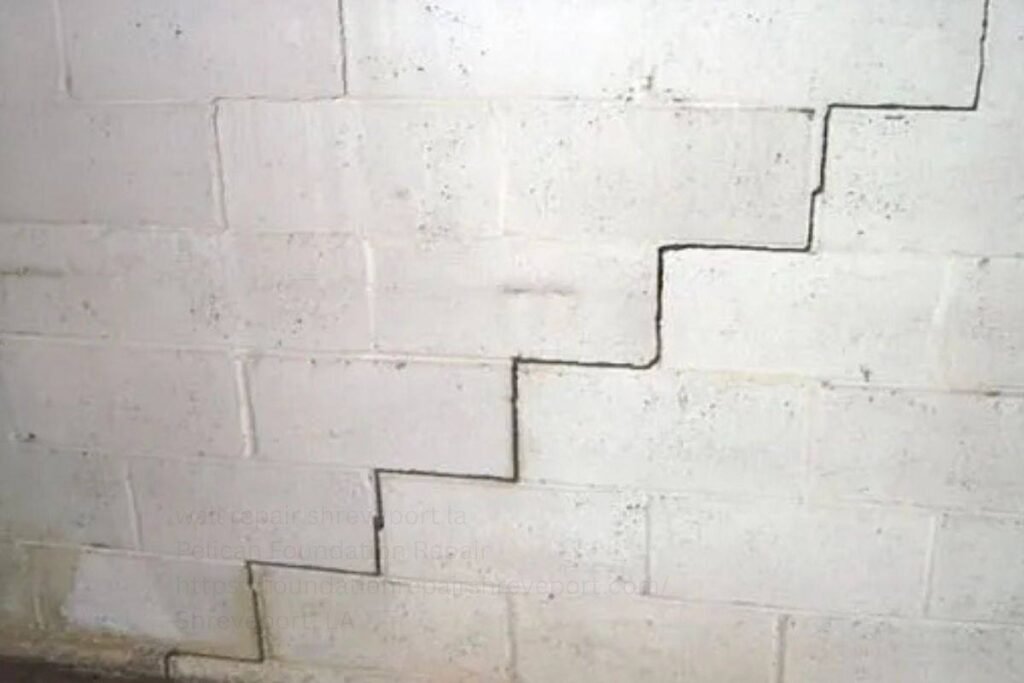
Once it is safe, walk the full perimeter and look for what the water did. Mud lines on the foundation wall show how high the water reached. Fresh cracks, especially stair-step cracks in brick or block and horizontal cracks in a wall, are the most important finds. Look for soil that has washed away from the foundation, leaving gaps or exposed footings, and for driveways, sidewalks, or patios that now slope toward the house or have hollow spots underneath.
Check the drainage story the storm just told you. Where did water pool? Which downspouts overflowed or dumped water at the corners? Did gutters back up? A yard that held standing water against the foundation for days is a drainage problem that will repeat with the next storm, even if the foundation itself survived this one. Note every low spot and every place water stood, because fixing the water path is often the first repair, before any structural work.
Do not forget detached structures and hard surfaces. A garage slab that has dropped at one corner, a driveway section that now rocks under a car tire, or a sidewalk panel that lifted after the storm all point to soil movement or washout under concrete. These are cheaper to fix early, and they often warn of the same water problem affecting the house foundation, so note them in the same inspection pass rather than treating them as separate cosmetic issues.
Step 3: Check Inside for New Cracks and Movement
Inside, go room by room with a notepad. Mark every crack you find with a pencil line and a date, or photograph it with a coin beside it for scale. New diagonal cracks above doors and windows, cracks that run from a corner toward the ceiling, and cracks wider than a pencil eraser deserve attention. Test every door and window: ones that stuck for the first time after the storm, or that now scrape the frame, point to movement.
Walk slowly across each floor and feel for new slopes, soft spots, or bounce. In pier-and-beam homes, a floor that suddenly feels springy in one area can mean a pier has shifted or soil has washed from under it. Compare what you find against old cracks you already knew about; a crack that grew, or one that was previously patched and has reopened, is more significant than a hairline crack that has sat unchanged for years.
Step 4: Inspect the Crawl Space, Slab Edges, and Basement Areas
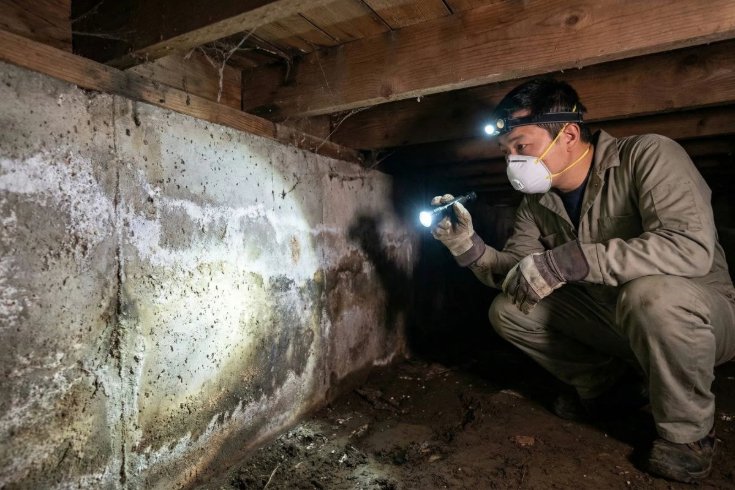
If your home has a crawl space, check it once the water has drained and it is safe to look inside. Standing water, soaked insulation, and mud on piers all tell you water reached the support system. Look for piers that have tilted, shims that have slipped, and wood that feels soft or crumbly. Even if the crawl space looks dry, a musty smell that was not there before the storm signals moisture trapped in soil or wood.
For slab homes, check the slab edge all the way around, and look inside for damp baseboards, buckling flooring, or tile that has cracked since the storm. Basements and garden-level rooms, less common in Shreveport but present in some homes, need the same treatment: water at the floor-wall joint, efflorescence (white mineral staining), and any new seepage all point to water pressure that the storm created. Dry these spaces out promptly; mold growth follows standing moisture within days, not weeks.
What Storm Damage Looks Like, and What It Means
| What you find | What it usually means | What to do |
|---|---|---|
| Hairline cracks, unchanged | Normal seasonal movement | Photograph, monitor, recheck in a few months |
| New diagonal or stair-step cracks | Differential settlement or soil washout | Book a foundation evaluation promptly |
| Doors and windows suddenly sticking | Frame racking from foundation movement | Note which rooms, get an evaluation |
| Standing water in crawl space | Drainage failure, moisture damage risk | Pump out, dry, fix the water path |
| Soil washed from footings | Loss of bearing support | Do not backfill blindly; get advice first |
| Bowing or leaning wall | Serious structural distress | Stay out, call a professional immediately |
Step 5: Fix the Water Before You Fix the Foundation
This is the step homeowners most often skip, and it is the one that decides whether a repair lasts. If the storm exposed a drainage failure, that failure needs correcting first or alongside any structural work. That can mean regrading soil so it falls away from the house, extending downspouts well clear of the foundation, clearing gutters and drains, or installing a French drain or surface drainage system where water collects.
Our drainage correction service addresses exactly this pattern, and our structural repair service covers the wall and support damage that follows when water wins. For the seasonal routine that prevents the next storm from doing the same thing, see our seasonal foundation maintenance guide for Louisiana and our foundation crack monitoring guide. FEMA’s homeowner mitigation guidance at fema.gov also covers sealing cracks, sump pumps, and elevating utilities before the next flood.
When to Call, When to Monitor, and When to Wait
Call promptly if you find a bowing or leaning wall, a crack that is growing visibly, a floor that has dropped, or any sign of gas or electrical damage. Book an evaluation soon if you find new diagonal or stair-step cracks, several sticking doors in one area, or a crawl space that stayed wet. Monitor and recheck in a few months if all you found is unchanged hairline cracks and a yard that drained well.
One honest caution: do not rush into structural repair while the soil is still saturated. Clay that is swollen today will shrink as it dries, and measurements taken at peak swell can mislead. A good evaluation will account for that, and sometimes the right advice is to fix the drainage now, monitor the cracks for a few weeks, and then decide on structural work with clean data. That is not delay for its own sake; it is how you avoid paying for a repair sized to a temporary condition.
- Photograph everything before cleanup, including water lines, cracks, and washed-out soil.
- Keep receipts for pumping, drying, and temporary repairs for insurance purposes.
- Check your policy: standard homeowners policies often exclude flood damage, which is a separate coverage question.
- Do not backfill washed-out soil against the foundation until the support condition has been checked.
- Dry crawl spaces and lower levels quickly to limit mold growth.
- Recheck all cracks after the soil dries, and compare against your storm-week photos.
For more on the insurance side, see our post on whether homeowners insurance covers foundation repair. And if the storm left you unsure whether what you are seeing is serious, a expert inspection is the fastest way to replace worry with measurements.
Frequently Asked Questions
How soon after a flood should I check my foundation?
As soon as authorities say it is safe to return and standing water has receded. Check safety hazards first, then walk the perimeter and the interior, and photograph everything before cleanup changes the evidence.
Can heavy rain alone damage a foundation, without a flood?
Yes. Days of heavy rain saturate Louisiana’s expansive clay, which swells and pushes on walls and slabs, and runoff can wash soil away from footings. You do not need river flooding for rain to move a foundation.
What cracks after a storm are serious?
New diagonal or stair-step cracks, horizontal cracks in a wall, cracks wider than a pencil eraser, and any crack that keeps growing are serious. Hairline cracks that have not changed are usually seasonal and worth monitoring rather than repairing immediately.
Should I repair foundation cracks right after a storm?
Fix drainage first, and get an evaluation before structural work. Soil is at peak swell right after a storm, so measurements taken immediately can mislead. Monitoring for a few weeks often produces a better-sized repair.
Does homeowners insurance cover storm-related foundation damage?
It depends on the policy and the cause. Standard homeowners policies often exclude flood damage, and coverage for foundation movement varies. Document everything, keep receipts, and ask your insurer specifically about flood versus storm-water coverage.
What should I do about standing water in my crawl space after a storm?
Pump it out, dry the space, and find where the water came from: grading, gutters, downspouts, or groundwater. A crawl space that stays wet invites wood rot, mold, and pier damage, so the water path needs fixing, not just the puddle.
When is a bowing wall an emergency?
Immediately. A wall that bows or leans inward after a storm can fail suddenly, especially block walls. Stay out of that area and call a foundation professional or structural engineer right away.
Pelican Foundation Repair
6118 Fairfield Ave, Shreveport, LA 71106, USA
318-585-2003
https://foundationrepairshreveport.com/