 Skip to main content

Does Homeowners Insurance Cover Foundation Repair in Louisiana?
Does homeowners insurance cover foundation repair? Usually, no — standard homeowners policies in Louisiana almost always exclude foundation damage caused by settling, soil movement, and expansive clay. But there is an important exception: if a sudden, accidental event that your policy does cover — like a burst plumbing line that washes out the soil under your slab — causes the foundation damage, the resulting repairs may be covered. The cause of the damage matters more than the damage itself.
Most Louisiana foundation claims are denied because the cause is settling or soil movement, which policies exclude. Your best shot at coverage is sudden, accidental damage from a covered peril — and your best move is documenting everything before you file. This is general information, not legal or insurance advice; always check your own policy and talk to your agent.
Call (318) 585-2003 – Free Inspection
📊 Insurance & Foundation Repair at a Glance
Usually no
Settling & soil movement excluded
Sometimes yes
Sudden, accidental covered events
Document first
Photos, readings & timeline
The Short Answer: Usually No, Sometimes Yes
Homeowners insurance is built for sudden, unexpected disasters — fires, storms, burst pipes. Foundation settlement is the opposite: slow, gradual, and in Louisiana, practically expected. Our expansive clay soil swells and shrinks with every wet-dry cycle, and insurers know that foundations here move. That is why virtually every standard HO-3 policy — the most common homeowners policy in Louisiana — lists earth movement, settling, and soil-related damage among its exclusions.
But “excluded” describes the cause, not every scenario. Insurance adjusters do not ask “is the foundation damaged?” They ask “what caused the foundation damage?” If the answer is a covered peril — a sudden plumbing failure, for example — the resulting foundation damage can fall under the sudden-and-accidental coverage that the same policy provides. The distinction is everything, and it is where most homeowners get confused.
One more note before we go deeper: this post is general information about how homeowners policies typically work. It is not legal advice and not insurance advice. Policy language varies by carrier and by state, and Louisiana has its own quirks. Read your actual policy — the exclusions section, not the marketing brochure — and talk to your agent about your specific situation.
Why Settling and Soil Movement Are Almost Always Excluded
The exclusion has a name in most policies: “earth movement.” It typically covers earthquake, landslide, mudflow, and — critically for Louisiana homeowners — earth sinking, rising, or shifting. Some policies spell out settling, cracking, and shrinkage separately. Either way, the slow movement of expansive clay under your foundation is squarely inside the exclusion.
Insurers exclude it for a straightforward reason: it is predictable and widespread. In northwest Louisiana, clay soil movement is not a freak event — it is the normal behavior of the ground. Insurance is priced for the unexpected; covering the expected would mean pricing every Louisiana policy as if foundation work were guaranteed, which would make premiums unaffordable. The exclusion is how the math works.
Wear and tear and maintenance exclusions stack on top. Even if soil movement were not excluded, policies do not cover gradual deterioration or damage from deferred maintenance. A foundation that has been settling for a decade, with drainage problems the homeowner never addressed, fails on multiple exclusion grounds at once. FEMA’s homeowner disaster guidance at fema.gov is a useful reminder of what insurance is actually designed for — sudden catastrophic loss, not slow structural decline.
Call (318) 585-2003 – Free Inspection
The Sudden-Event Exception: When a Covered Peril Causes Foundation Damage
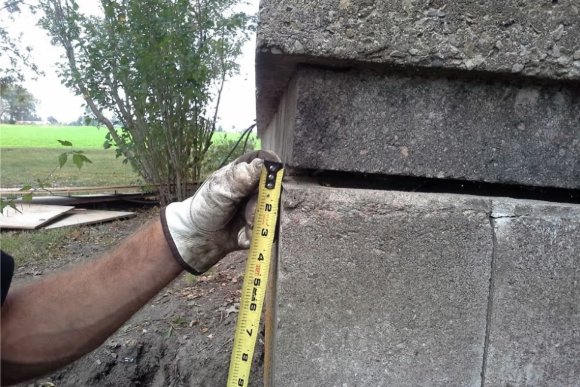
Now the exception that actually gets claims paid. If a covered sudden event damages your foundation, the resulting repair can be covered — not because foundations are covered, but because the event is. Here is how the common scenarios break down:
| Scenario | Typically covered? | Why |
|---|---|---|
| Burst supply line washes out soil under slab | Often yes | Sudden plumbing failure is a covered peril |
| Water heater rupture undermines foundation | Often yes | Sudden and accidental water discharge |
| Storm-felled tree impacts foundation | Often yes | Windstorm/tree impact is a covered peril |
| Gradual clay shrinkage settlement | No | Earth movement / settling exclusion |
| Poor drainage over many years | No | Wear, tear, and maintenance exclusion |
| Flood water undermines foundation | No (without flood policy) | Flood excluded from standard policies |
| Long-term plumbing seep (not sudden) | Usually no | Gradual seepage excluded as maintenance |
The plumbing scenarios deserve emphasis because they are the most realistic path to coverage in Louisiana. Slab homes across Shreveport, Bossier City, and Haughton have water and sewer lines running under the concrete. When a pressurized supply line breaks, it can erode supporting soil surprisingly fast, and the slab section above drops. That is sudden, accidental, and caused by a covered peril — the fact that the visible damage is “foundation settlement” does not change what caused it.
The catch is the word “sudden.” A supply line that bursts is sudden. A drain line that has seeped for three years is not — that is long-term leakage, which most policies exclude as a maintenance issue. Adjusters look for evidence of timing: water bills spiking, a plumber’s report describing a fresh break versus long-term corrosion, moisture patterns consistent with a recent event. The documentation section below is really about building this timeline.
Vehicle impact, explosions, and falling objects are other covered perils that can damage foundations, but they are rare compared to water events. For the typical Louisiana homeowner, the realistic coverage question is almost always: “was there a sudden water event, and can I prove it?”
Louisiana-Specific Notes: Clay, Floods, and Named Storms
Louisiana’s insurance landscape has quirks that directly affect foundation claims. First, the clay: because expansive soil movement is so common here, Louisiana adjusters are especially attuned to the earth-movement exclusion. A claim framed as “my foundation is settling” will be denied quickly. A claim framed as “a sudden plumbing failure washed out soil and dropped my slab” gets a real investigation — because the cause is different, even if the visible damage looks similar.
Second, flood. Standard homeowners policies exclude flood damage entirely, and in Louisiana that exclusion matters more than in most states. If rising water — from the Red River, from flash flooding in low areas around Cross Lake, from a tropical system — undermines your foundation, your homeowners policy will not cover it. Only a separate National Flood Insurance Program policy (or private flood insurance) responds to flood. Many homeowners discover this gap only after the water recedes.
Third, named-storm deductibles. Louisiana policies commonly carry a separate, higher hurricane deductible — often 2–5% of the dwelling coverage — that applies when damage comes from a named storm. If a named storm’s wind or rain causes a covered sudden event affecting your foundation, the claim may be subject to that higher deductible, which can exceed the repair cost and make filing pointless. Know your deductible before you file.
Finally, Louisiana’s insurance market has been volatile, with carriers tightening terms and raising rates. Policy language that was generous five years ago may have been rewritten at your last renewal. Never assume your current policy says what your old one said — read the exclusions section of the policy you hold today.
Call (318) 585-2003 – Free Inspection
How to Document Foundation Damage Before You File
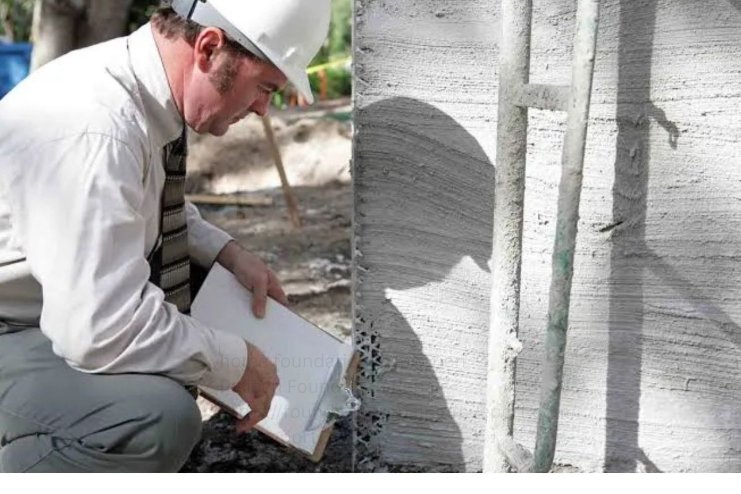
If you believe a sudden event caused your foundation damage, documentation is what separates paid claims from denied ones. Adjusters decide on evidence, and the homeowner who shows up with dated photos, professional readings, and a clear timeline gets taken seriously. Start documenting the moment you suspect a problem — ideally before you call the insurer.
- Photograph everything, with dates. Cracks inside and out, sticking doors, gaps at windows, sloping floors — wide shots for context and close-ups with a ruler or coin for scale. Phone photos carry timestamps; back them up.
- Write down the timeline. When did you first notice each symptom? Was there a plumbing event, a storm, a sudden water bill spike? A written chronology connecting the event to the damage is the backbone of a sudden-loss claim.
- Get a professional foundation inspection. Elevation readings and a settlement map from a foundation company establish the damage objectively — and a dated inspection report is far more persuasive than a homeowner’s description. Our inspections are free.
- Get a plumber’s report if water is involved. A licensed plumber’s written finding — “supply line ruptured on [date]” versus “long-term seepage” — can make or break the sudden-vs-gradual determination.
- Save every related bill and receipt. Water bills showing a spike, plumber invoices, emergency repair receipts — all of it corroborates the timeline.
- Do not repair before the adjuster sees it. Temporary measures to prevent further damage are fine and expected, but do not permanently fix the foundation before the adjuster inspects. Once it is repaired, the evidence of causation is gone.
One more documentation tip: get the foundation inspection before you file, not after. Knowing the actual cause — sudden event versus long-term settlement — before you call the insurer saves you from filing a claim that was always going to be denied. A denied claim still goes on your record, and too many can affect your insurability. Our foundation inspection cost guide explains what a proper inspection includes — spoiler: ours are free.
What to Ask Your Insurance Agent
Before filing, have a direct conversation with your agent — not the 1-800 claims line, your agent. These are the questions that matter, and you want the answers before a claim is on your record.
- “Does my policy exclude earth movement and settling?” Get the specific exclusion language and where it appears in your policy. Almost certainly yes, but hear it confirmed.
- “What sudden water events are covered, and how is ‘sudden’ defined?” The definition of sudden versus gradual in your policy language is what your whole claim turns on.
- “What is my deductible for this type of claim — including any named-storm deductible?” If the repair costs less than the deductible, filing is pointless and still counts as a claim.
- “Will filing a claim that gets denied affect my policy or premiums?” In many cases, yes — denied claims can still show on your claims history. Know this before you file, not after.
- “Do I have any endorsements that add foundation or water coverage?” Some policies have add-ons — foundation water damage endorsements, service line coverage — that change the picture. Most homeowners do not know what endorsements they carry.
- “What documentation will the adjuster need?” Ask upfront so you can assemble photos, inspection reports, and plumber findings before the adjuster visit, not after.
Ask for important answers in writing — an email summary after the call is enough. Agent recollections and adjuster decisions do not always match, and a written record of what you were told protects you if they do not.
Call (318) 585-2003 – Free Inspection
Why Most Louisiana Foundation Claims Are Denied
With the coverage rules understood, the denial pattern is predictable. The number one reason is the simplest: the cause was settling or soil movement, which is excluded. Most foundation damage in Louisiana genuinely is caused by clay movement — no sudden event, no covered peril, no coverage. The adjuster reads the exclusion, confirms the cause, and denies. It feels unfair, but it follows the contract.
The second most common reason is the sudden-vs-gradual fight. The homeowner believes a plumbing leak caused the damage; the adjuster concludes the leak was long-term seepage — a maintenance issue, excluded. This is where documentation wins or loses. Without a plumber’s report pinning the event to a date and water bills showing a spike, “sudden” is just an assertion, and assertions lose to exclusions.
Third: the deductible math. Even covered claims die when the repair costs less than the deductible — especially with Louisiana’s named-storm deductibles running 2–5% of dwelling coverage. A $6,000 pier job against a $7,500 hurricane deductible is not a claim; it is an out-of-pocket repair with extra paperwork.
Fourth: late reporting and pre-repair. Policies require prompt notice of a loss, and they require the insurer’s chance to inspect before repairs. Homeowners who fix the foundation first and file second often find the claim denied for failure to preserve evidence — the adjuster cannot verify causation after the fact.
Understanding these denial reasons is not pessimism; it is strategy. If your situation does not survive this list, skip the claim and put your energy into the repair itself — which brings us to what you actually do when insurance will not pay.
When Insurance Won’t Pay: Your Real Options
Most of the time, the foundation repair comes out of your pocket — so the question becomes how to handle it smartly. Start with the inspection, which costs you nothing. A free inspection tells you what is actually wrong, how urgent it is, and what it will cost — and sometimes the news is better than feared. Not every crack means piers; our Shreveport foundation repair cost guide shows the full range from minor crack repair to full pier jobs.
If the work is needed but the budget is tight, ask about phasing. Some settlement can be stabilized in stages — addressing the worst section now and the rest later — though this only works when the engineering supports it. What you should not do is hire the cheapest uninsured crew to “just lift it a little.” Bad pier work costs more to fix than good pier work costs to do right the first time.
Financing exists for exactly this situation. Home improvement loans, HELOCs, and contractor-offered payment plans can spread a five-figure repair over manageable monthly payments. Our foundation repair financing guide for Shreveport walks through the options and what to watch for in the terms. The key question is always total cost over the life of the loan, not just the monthly number.
And do not overlook the cause while you fix the symptom. If poor drainage, a plumbing leak, or grading problems contributed to the settlement, address those alongside the structural repair — otherwise you are paying to lift a foundation that will settle again. A good contractor’s plan includes the “why it happened” fix, not just the “lift it back up” fix.
Finally, keep every receipt and report. Foundation repairs can matter at resale — documented professional work with a warranty is a selling point — and in some cases repair costs factor into casualty-loss tax treatment after federally declared disasters. That is a question for your tax advisor, not your contractor, but the paperwork starts with you.
Frequently Asked Questions
Does homeowners insurance cover foundation settling?
Almost never. Standard homeowners policies exclude earth movement, settling, and soil-related damage — and in Louisiana, expansive clay settlement is the most common cause of foundation problems. If the cause is gradual settling, expect a denial regardless of how severe the damage looks.
Will insurance pay if a broken pipe damaged my foundation?
It can, if the pipe break was sudden and accidental — a burst supply line, for example — since that is a covered peril. The key is proving the break was sudden rather than long-term seepage. A plumber’s report with a date, plus water bills showing a spike, is the evidence adjusters look for.
Does flood insurance cover foundation damage from flooding?
A separate flood insurance policy can cover foundation damage caused by flooding, but standard homeowners insurance excludes flood entirely. In Louisiana, where Red River flooding and flash floods are real risks, this gap surprises many homeowners. Check whether you carry flood coverage before assuming anything.
Should I file a foundation claim if I am not sure it is covered?
Talk to your agent first — before anything goes on your claims record. Ask about the exclusions, your deductible, and whether denied claims affect your policy. Get a free foundation inspection first so you know the actual cause; filing a claim that was always going to be denied can still count against you.
What deductible applies to foundation claims in Louisiana?
It depends on the cause. A standard claim uses your regular deductible, often $1,000–$2,500. But if the damage traces to a named storm, Louisiana’s separate hurricane deductible — typically 2–5% of your dwelling coverage — may apply instead, and it is often higher than the repair cost itself.
Can I get foundation coverage added to my policy?
Sometimes. Some carriers offer endorsements — like service line coverage or limited foundation water damage riders — that fill specific gaps. They will not cover gradual clay settlement, but they can help with sudden water-related scenarios. Ask your agent what endorsements your carrier offers and what each one actually covers.
What do I do if my foundation claim is denied?
First, read the denial letter carefully — it cites the specific exclusion, and you should understand it. You can appeal with additional evidence, consult a public adjuster, or talk to an attorney if you believe the denial misreads your policy. Meanwhile, get the repair quoted and explore financing options for covering the cost out of pocket.
Call (318) 585-2003 – Free Inspection
Get a Free Foundation Inspection in Shreveport
Before you call your insurer, know what you are dealing with. A free inspection gives you elevation readings, a settlement map, and a professional assessment of what caused your foundation damage — the exact information that determines whether a claim has a chance or is a waste of a filing.
Call Pelican Foundation Repair at (318) 585-2003, or visit Pelican Foundation Repair to schedule. We serve Shreveport and surrounding areas — see our service areas and explore all foundation repair services.
Pelican Foundation Repair 6118 Fairfield Ave, Shreveport, LA 71106, USA 318-585-2003 https://foundationrepairshreveport.com/