 Skip to main content

Foundation Repair in Eastwood, LA: Signs, Costs & Soil Factors
Eastwood’s brick ranch homes were built solid, but 30 to 60 years of Louisiana clay movement takes its toll. Foundation repair in Eastwood, LA fixes the settlement underneath — and catches the damage before it turns into a much bigger bill.
The short answer to whether your Eastwood home needs foundation repair is this: if you have sticking doors, cracked tile or sheetrock, stair-step cracks in your brick, or a slab corner that feels like it dropped, you likely have foundation movement, and a free inspection with elevation readings will confirm it in under an hour. Most repairs in this area run $4,000 to $18,000 depending on how much of the foundation has moved and which repair method your home needs.
Eastwood is one of east Shreveport’s established neighborhoods — streets of brick ranch homes from the 1960s through the 1980s, most of them on concrete slabs. That slab has spent decades riding on Caddo Parish’s expansive clay, swelling up in the rainy season and dropping in the summer drought. Every wet-dry cycle moves it a little. After thirty years of that, you get the sticking doors and the corner that doesn’t feel quite right.
Why Eastwood Foundations Move
The short story is the soil. Caddo Parish clay swells when wet and shrinks when dry, and in east Shreveport that cycle plays out every year: spring rains saturate the ground, summer heat bakes it dry, and late-season tropical systems dump inches at once. Each cycle nudges your foundation.
One year of movement is nothing. Thirty years of it is how a brick ranch ends up with a quarter-inch of drop at one corner and tile cracked across the kitchen. These homes were built well, but most Eastwood slabs are thinner than modern standards and were poured without the deep pier systems new construction uses.
The neighborhood pattern matters too. Eastwood’s older sections sit on gentle slopes toward the parish line, and the infill homes built between the original ranches often have tighter drainage that pushes water onto neighboring lots. If your home sits at the bottom of one of those slopes, your foundation gets more water than the house uphill — and more water means more swelling, more movement, and earlier repairs.
Signs Your Eastwood Home Needs Foundation Repair
Walk through your house slowly and look for these. Any one of them is worth noting; several together mean it’s time for an inspection:
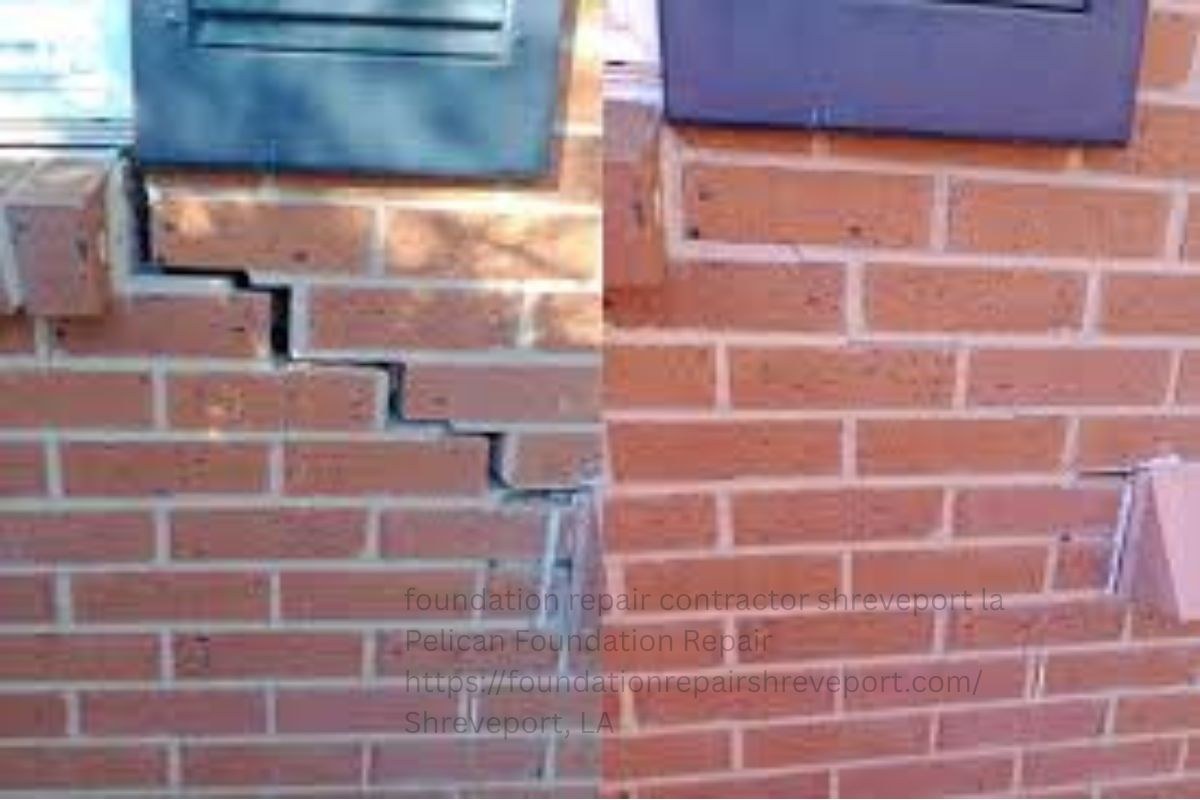
- Stair-step cracks running through the brick or mortar on the outside walls
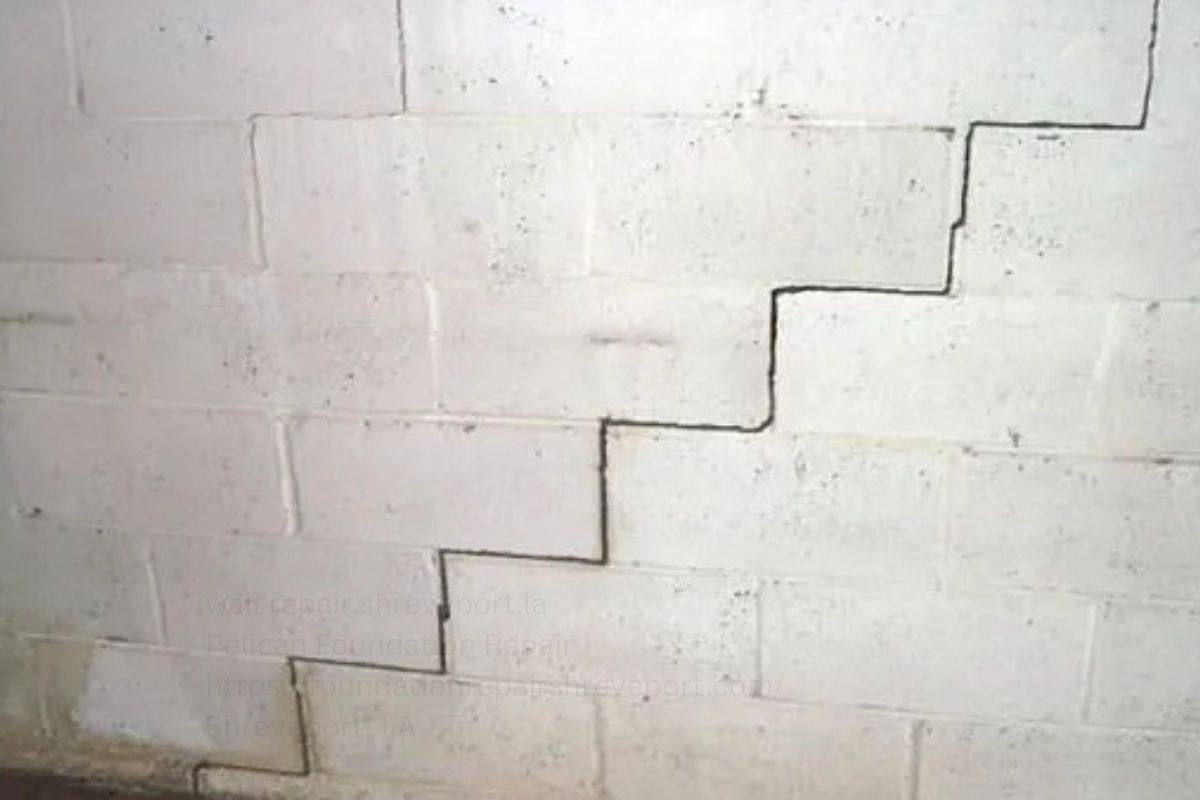
- Cracked floor tile, especially long diagonal cracks running across a room
- Sheetrock cracks above doorways and windows, or where walls meet the ceiling
- Doors and windows that stick, won’t latch, or have gaps at the top or bottom
- Floors that slope enough to feel underfoot or to roll a ball across
- Gaps between the fireplace or chimney and the house
- Baseboards pulling away from the floor or crown molding separating at the corners
- Water pooling against the foundation after rain, or the slab edge exposed in spots
In Eastwood’s brick ranches, the stair-step brick crack is the signature symptom. Brick doesn’t flex the way sheetrock does, so when the slab under a corner drops even half an inch, the mortar joints crack in that telltale staircase pattern. A hairline crack might just be cosmetic settling — but one you can fit a pencil into, or one that keeps growing year to year, is structural and worth checking soon.
How Foundation Repair Works on an Eastwood Slab Home
Most Eastwood homes are slabs, so the repair playbook is consistent. First, an inspection maps exactly where the slab has moved using elevation readings. Then piers — steel push piers or helical piers — are installed around the affected perimeter, driven down past the unstable clay into load-bearing soil. Then the slab is lifted gradually back toward its original elevation.
Here is what the methods look like in practice:
Steel Push Piers
Sections of steel pipe are hydraulically driven through the slab edge into stable soil until they hit refusal — the point where the soil can carry the load. Brackets connect the piers to the foundation, and the house is lifted off the piers. These are the workhorse repair for Eastwood’s heavier brick ranches, where there’s real weight to carry.
Helical Piers
Helical piers screw into the ground like a giant corkscrew. They work well where soils are softer or where installation needs to be quieter and quicker. The right choice depends on your soil conditions and load — the inspection determines which one your home needs.
Drainage Correction
Almost every Eastwood repair should include a drainage review. Fixing the foundation without fixing the water that moved it is asking for a repeat visit. That might mean regrading a slope, extending downspouts, or adding a surface drain where water collects. Drainage work is usually the cheapest part of the job and the part that protects everything else.
Foundation Repair Cost in Eastwood, LA
Cost depends on how much of the foundation needs support, how deep the piers have to go to find stable soil, and whether drainage work is included. Here’s the honest range for our area:
| Repair Scope | Typical Situation | Cost Range | Timeline |
|---|---|---|---|
| Minor stabilization | One corner, early settlement, 4–6 piers | $4,000–$8,000 | 1–2 days |
| Partial perimeter | One side of the house, 8–14 piers | $8,000–$14,000 | 2–3 days |
| Full perimeter | Whole slab, 16–24+ piers | $14,000–$25,000 | 3–5 days |
| Drainage correction | Regrading, drains, downspout extensions | $1,500–$6,000 | 1–3 days |
The number of piers drives the price more than anything else. Each pier is installed individually, so a house needing twenty piers costs roughly double one needing ten. Depth matters too — if stable soil is thirty feet down instead of fifteen, the job costs more. For a fuller breakdown of what moves these numbers, see our foundation repair cost guide for the Shreveport area.
One more honest note: the cheapest quote isn’t always the best value in Eastwood. A contractor who prices six piers where twelve are needed will cost you more when the house moves again. Elevation readings and a clear pier map in the written quote are what separate a real repair plan from a guess.
The Soil Factors Under Eastwood Specifically
It’s worth going one layer deeper on the soil, because “expansive clay” gets thrown around a lot without much explanation. The clay under Eastwood has a high shrink-swell capacity — it can change volume dramatically between the soaked spring and the parched late summer. When it shrinks, it pulls away from the underside of your slab, leaving voids. When it swells, it pushes up unevenly.
Two Eastwood-specific factors make this worse than the regional average:
- Mature trees close to the house. Eastwood’s older streets are lined with large oaks and pines. A big tree drinks hundreds of gallons a week from the soil near its roots — including the soil under your foundation. One large tree near a corner can create a dry, shrunken zone on one side while the rest of the slab stays moist. That differential is what cracks brick.
- Infill drainage. The newer homes built between the original ranches often sit higher and shed water onto the older, lower lots. If your yard gets your neighbor’s runoff, your foundation lives wetter than it was designed for.
The LSU AgCenter publishes practical guidance on managing Louisiana’s shrink-swell soils around homes, including how tree roots and drainage change soil moisture: lsuagcenter.com. Their advice lines up with what we measure in Eastwood: consistent moisture around the whole foundation is the goal.
What to Expect From the Repair Process
If you’ve never had foundation work done, the process is less dramatic than you’d think. Here’s the day-by-day reality:
Inspection and Elevation Map
A technician walks the house inside and out, notes every crack and sticking door, and takes elevation readings at points across the slab. You get a map showing exactly where the foundation moved and by how much — in fractions of an inch. This is free, and you keep the readings whether or not you hire us.
Installation
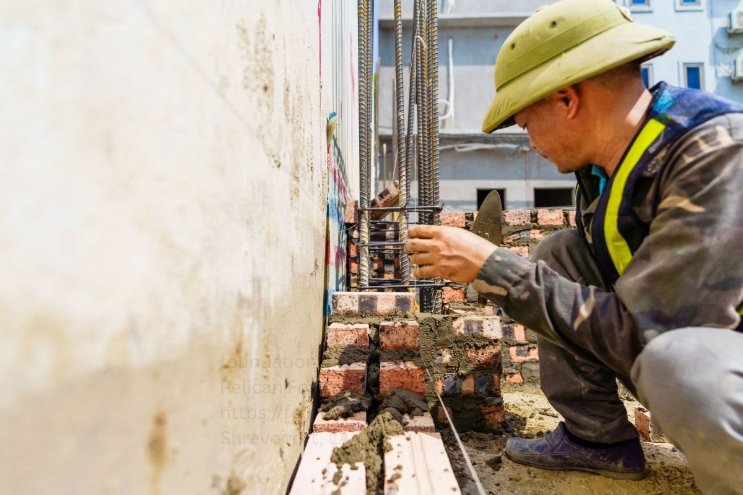
The crew digs small pits around the affected perimeter and installs the piers, carefully moving landscaping aside and backfilling at the end. You don’t move out. It sounds like construction because it is, but daily life mostly continues around it.
The Lift
Lifting happens slowly, sometimes over a full day, with elevation checked continuously and doors watched from inside. The goal is maximum safe recovery, not perfect levelness — on a fifty-year-old home the crew stops where the structure is stable.
Cleanup and Warranty
Pits are backfilled, the yard is raked out, and you get before-and-after elevation readings plus warranty documentation. Qualifying repairs carry a 20-year structural warranty. Take pictures of everything for your records — future buyers will ask.
Homeowners across the region face the same soil story. In Ruston, LA, the same shrink-swell cycle drives foundation repair with very similar repair methods — the clay doesn’t respect city limits. And if you’re wondering what full-service coverage looks like in your neighborhood, see our Eastwood, LA service page.
When to Act vs. When to Watch
Watch hairline cracks that don’t grow and seasonal movement that eases when the rains return — photograph, date, and re-check in six months. Act when cracks reach pencil width, doors suddenly stick in rooms that were fine, floors develop a real slope, or anything worsens after one bad weather year. Movement that keeps going one direction is progressive settlement, and it doesn’t fix itself.
Protecting the Repair Afterward
A good repair lasts decades in Eastwood’s soil, especially with the 20-year structural warranty on qualifying work. But the repair holds best when you manage the water and the trees:
- Keep moisture consistent around the foundation — even watering in drought, drainage in deluge
- Extend downspouts well away from the slab and keep gutters clear
- Have large trees near the foundation assessed; root barriers or selective trimming can reduce differential drying
- Don’t let landscaping beds hold water against the brick
- Fix plumbing leaks under the slab promptly — a leaking line can erode soil fast
Repairs plus moisture control are what turn a one-time fix into a permanent one. For the bigger picture on protecting your investment, the Pelican Foundation Repair homepage covers the full range of foundation services for Shreveport-area homes.

Frequently Asked Questions
How much does foundation repair cost in Eastwood, LA?
Most foundation repair jobs in Eastwood run $4,000 to $18,000. A minor corner stabilization with four to six piers lands toward the lower end, while a full-perimeter pier job on a brick ranch runs $14,000 to $25,000. Drainage work, when needed, adds $1,500 to $6,000. A free inspection with elevation readings gives you an exact quote for your home.
What are the first signs of foundation problems in a brick ranch home?
Stair-step cracks in the brick or mortar are the classic early sign in Eastwood’s ranch homes, followed by cracked floor tile, sticking doors and windows, and sheetrock cracks above doorways. If you’re seeing several of these together — or one that’s getting worse year to year — get an inspection.
Do the big oak trees in Eastwood damage foundations?
They can. A large tree near your house drinks enormous amounts of water from the soil, drying out the clay under one part of your foundation while the rest stays moist. That uneven drying causes differential settlement. It doesn’t mean cutting every tree — but trees within twenty feet of the foundation deserve attention during an inspection.
Will my house need to be lifted for foundation repair?
If the slab has settled, yes — that’s what the piers do. The lift is gradual and controlled, and the goal is maximum safe recovery, not a perfectly level slab. On older Eastwood homes, lifting back to the original elevation isn’t always safe, so the crew stops where the structure is stable.
How long does foundation repair take in Eastwood?
Most jobs take one to five days depending on scope: one to two days for a minor corner, two to three for a partial perimeter, and three to five for a full perimeter with drainage work. You stay in the house the whole time.
Is foundation repair covered by homeowners insurance?
Usually not — most policies exclude settlement and earth movement. Some cover sudden events like plumbing leaks that cause damage. Check your own policy and talk to your agent; we can provide the inspection report and documentation your adjuster needs.
Can foundation problems come back after repair?
A properly engineered repair with piers anchored in stable soil is permanent — the piers bypass the moving clay entirely. Problems “come back” only when the repair was undersized or drainage wasn’t addressed. That’s why the pier count, the elevation map, and the drainage plan in your quote matter more than the price.
Pelican Foundation Repair
6118 Fairfield Ave, Shreveport, LA 71106, USA
318-585-2003
https://foundationrepairshreveport.com/