 Skip to main content

Foundation Repair in Minden, LA: Costs, Warning Signs & Local Soil Factors
Foundation repair in Minden, LA usually costs $400 to $15,000+, driven by Webster Parish clay soil, drought-then-deluge weather, and your home’s age and foundation type.
If your Minden home has sticking doors, stair-step brick cracks, or floors sloping toward the middle of the room, you need foundation repair — not cosmetic fixes. Most Minden, LA homes sit on expansive clay that swells and shrinks with wet and dry spells, and repairs run from a few hundred dollars for crack sealing to $3,500–$15,000+ for pier work.
What Foundation Repair Means for a Minden Homeowner
Foundation repair in Minden isn’t one job — it’s a family of fixes, and the right one depends on what your house sits on and how it’s moving. Most Minden homes rest on a concrete slab, pier and beam, or crawl space foundation, and each one fails in its own way.
Slab homes shift when clay beneath them swells or shrinks unevenly — the first evidence is usually a brick crack or a door that won’t latch. Pier and beam homes, common in historic downtown Minden where many houses date to the early 1900s, settle when piers sink or wooden beams rot in damp ground, and you feel it as sloping, bouncy floors.
Most foundation problems in Minden start as soil problems. Webster Parish sits on expansive clay that swells in wet months and shrinks in dry ones, and that back-and-forth is what opens cracks, racks door frames, and pulls chimneys away from the house.
Real foundation repair stabilizes the structure — usually with piers driven down to stable, load-bearing soil — and addresses the water or soil condition that caused the movement. A crack filled without fixing the cause is a repair you’ll pay for twice, which is why every honest estimate in this business starts with an inspection, not a price list. Our Minden, LA service area page covers the neighborhoods we serve from our Shreveport office, Monday through Saturday, 8:00 AM to 6:00 PM.
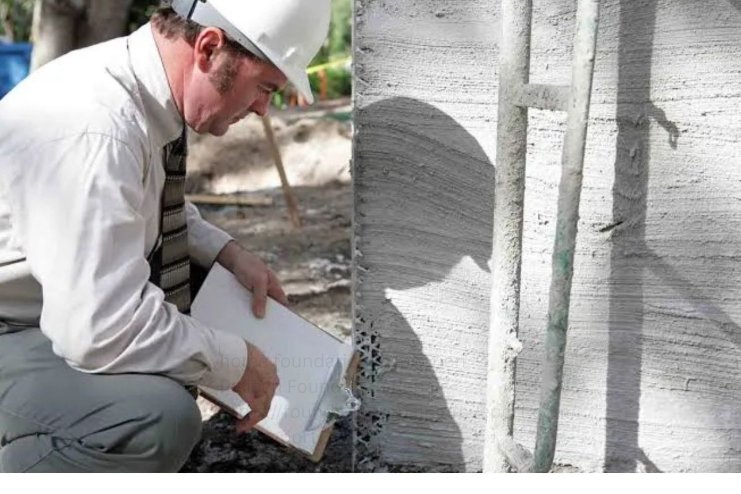
Why Minden’s Soil and Weather Punish Foundations
Minden doesn’t have bad luck with foundations. It has clay, weather swings, and old houses — and understanding them helps you read warning signs early, when fixes are cheapest.
Expansive clay: the shrink-swell cycle
Much of Webster Parish sits on clay-heavy soil with a strong shrink-swell habit. Rain makes clay particles absorb water and expand — sometimes with enough force to lift a slab edge or press against a foundation wall. When the heat sets in, the clay contracts and opens gaps between soil and footings. The LSU AgCenter publishes guidance on how Louisiana’s clay soils behave through wet and dry cycles, worth a read if you want the science behind the movement.
Drought-then-deluge: northwest Louisiana’s pattern
The real damage comes from the cycle, not any single season. Long dry stretches that crack lawns and pull soil from the slab edge, followed by heavy Gulf-fed rain, make the ground heave and settle in the same year. Persistence Market Research flagged exactly this pattern in February 2026, projecting the global foundation repair market to grow from $3.0 billion in 2026 to $4.1 billion by 2033 — driven by clay soil swelling, flooding, recurring drought cycles, and aging housing stock. Every driver on that list describes Webster Parish.
Storm resilience starts below the roof
In October 2026, eight Shreveport and Bossier families received FORTIFIED roofs through a $129,442 FHLB Dallas grant delivered through Bonvenu Bank, as reported by Business Wire. A FORTIFIED roof is a serious upgrade against wind and hail — but that roof sits on walls, and those walls sit on a foundation. If the foundation under a hardened roof is shifting in clay, the roof investment is only as solid as what’s holding it up.
An older housing stock near the bayou
Historic downtown Minden and the US-80/I-20 corridor include homes built 50, 80, even 100-plus years ago — pier-and-beam houses whose wood has spent decades in damp Louisiana ground. Near Dorcheat Bayou, the water table runs high and lots stay soggy long after rain. Aging wood plus wet soil produces most of the foundation calls in the 71055 ZIP code, so check FEMA’s flood maps to see how your lot is classified — high-water lots need drainage attention first.
Warning Signs Your Minden Foundation Needs Attention
Foundations rarely fail overnight. They signal for months before a small problem becomes a big invoice, so walk your property each spring and fall and look for these.
What to look for outside the house
- Stair-step cracks in brick mortar: cracks zigzagging through mortar joints like steps signal differential settlement — one part of the foundation sinking faster than the rest.
- Chimney pulling away: a gap opening between the chimney and the house wall means the chimney’s footing is moving on its own.
- Gaps around windows and doors: daylight around frames, or caulk lines that keep splitting, point to shifting walls.
- Soil pulling away from the slab: a visible gap between the earth and your foundation edge after a dry spell is the clay shrinking — the first half of the heave-settle cycle.
- Cracked, tilting concrete: driveways and patios that crack or slope toward the house funnel water right where you don’t want it.
What you’ll notice inside the house
- Doors that stick or won’t latch: when a frame racks even slightly, doors complain first. One sticky door is a nuisance; three is a pattern.
- Windows that jam: frames twist as walls move, and sashes that used to glide now fight you.
- Diagonal drywall cracks: cracks running at 45 degrees from the corners of doors and windows are stress cracks, not settling paint.
- Sloping or bouncy floors: set a marble on the floor and watch which way it rolls. In pier-and-beam homes, springy floors often mean rotting beams or sinking piers.
- Nail pops and separating trim: baseboards pulling from walls and nail heads pushing through drywall both signal movement behind the surface.
One persistent symptom is enough to justify a call. A free inspection tells you whether you’re seeing normal seasonal movement or real foundation settlement — compare notes with our guide to signs of foundation settling, written for the same clay soils across the metro.
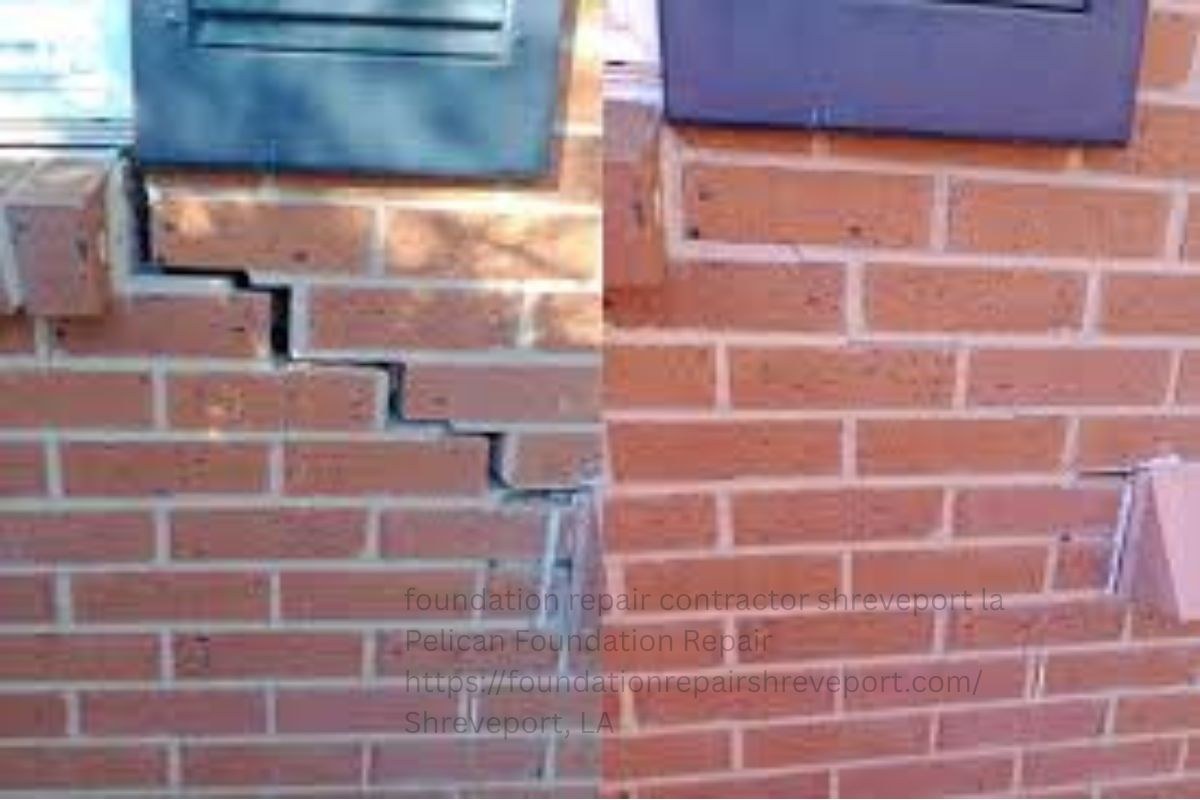
What Foundation Repair Costs in Minden, LA
Nobody can price your job over the phone — soil, foundation type, and how far things have moved all matter. But honest ranges help you budget and spot a lowball bid:
| Repair Type | Typical Range | What It Fixes |
|---|---|---|
| Foundation crack repair (epoxy or polyurethane injection) | $400–$1,500 | Stable, non-moving cracks and minor seepage |
| Steel push pier installation | $3,500–$15,000+ | Sinking or settling foundations, lifted back toward level |
| Helical pier installation | Comparable to push piers | Lighter structures, porches, and additions on weak soil |
| Drainage correction | Hundreds for grading and downspouts; low thousands for full systems | Water-driven movement around the foundation |
| Crawl space or pier-and-beam repair | Varies widely by scope | Rotted wood, sagging floors, moisture damage |
Two things push jobs toward the high end: difficult access and waiting too long — a quarter-inch of settlement costs far less to correct than two inches. For a deeper breakdown, see our guide to foundation repair cost in Shreveport, LA.
Repair Methods That Hold Up in Louisiana Clay
Not every fix suits every foundation, and in Webster Parish clay the method has to respect the soil. Here’s what actually lasts here:
Steel push piers: the workhorse for settlement
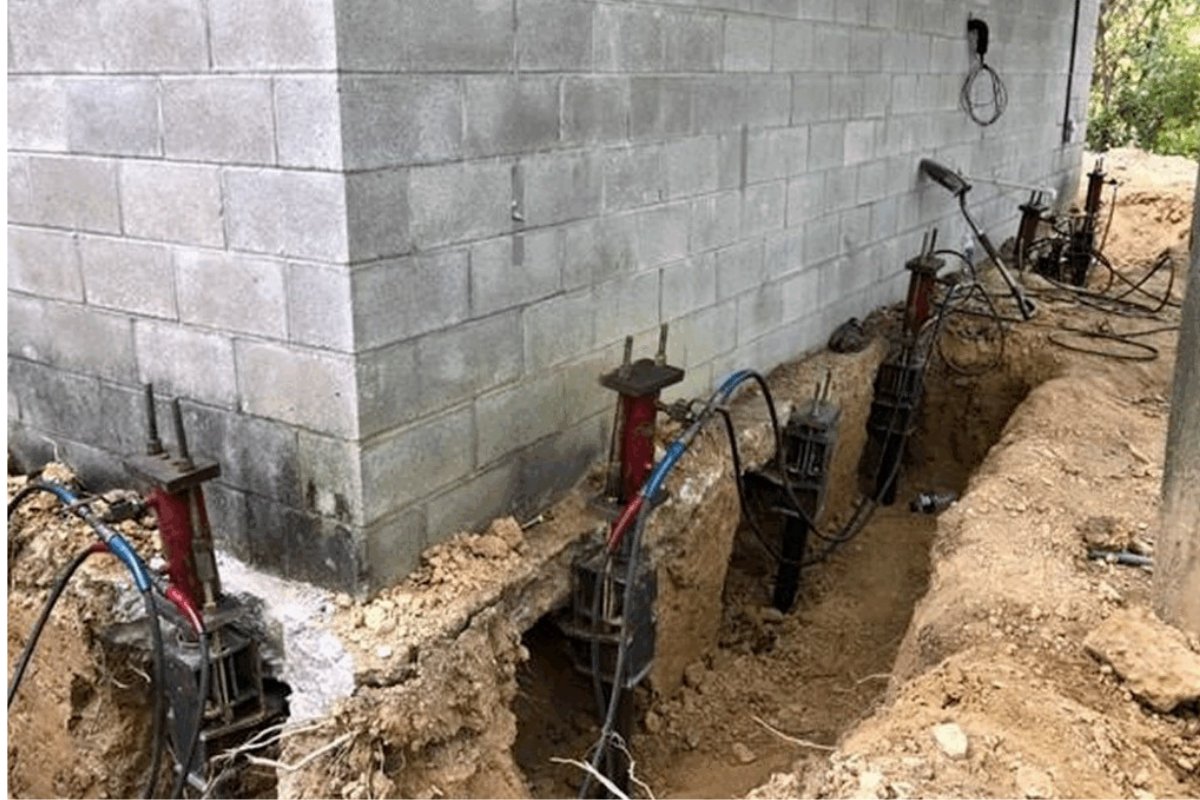
When a foundation is sinking, steel push piers are the standard answer. Sections of high-strength steel pipe are hydraulically driven through the unstable clay until they reach load-bearing soil, then the foundation’s weight is transferred onto the piers and the structure can be lifted back toward level. They’re the right call for the classic Minden scenario: a slab corner dropping because the clay beneath it shrank away during a dry summer.
How they’re installed
Small excavations expose each footing, a bracket is attached, and piers are driven section by section using the home’s own weight as resistance. Most residential jobs finish in two to four days with landscaping restored, and qualifying pier work carries a 20-year structural warranty.
Helical piers: for lighter loads and tight access
Helical piers are steel shafts with helix plates rotated into the ground until they hit competent soil — ideal for lightweight structures like porches and additions, and for tight spots equipment can’t reach. Installation is quieter and faster, which matters in Minden’s close-set older neighborhoods.
Epoxy and polyurethane injection: for stable cracks
Here’s the line that matters: injection seals cracks; it does not lift foundations. For a stable, non-moving crack — a shrinkage crack in a poured wall, a hairline unchanged in a year — epoxy injection welds the concrete back together and polyurethane foam seals out water by expanding inside the crack. A crack that’s still widening because the foundation is settling needs piers first, injection second.
Drainage correction: the repair that protects the repair
Ask any honest foundation contractor in Louisiana what ruins a good pier job, and the answer is water. If roof runoff dumps next to the footing and the yard slopes toward the house, the clay keeps cycling and the movement comes back. Grading soil away from the home and extending downspouts at least 10 feet out aren’t upsells — they’re what keeps a structural repair permanent.
What Happens During a Free Foundation Inspection
A real inspection is a diagnosis, not a sales pitch. Here’s what a Pelican inspector does at your Minden property — free, Monday through Saturday, 8:00 AM to 6:00 PM.
- Exterior walk: brick, mortar joints, chimney, and the soil line get checked for cracks, gaps, and water patterns.
- Interior check: doors, windows, floors, and drywall reveal how the structure is moving, and in which direction.
- Elevation readings: a precision level maps high and low spots across the floor, turning “it feels sloped” into measured inches.
- Moisture and grading notes: downspout discharge points, yard slope, and damp areas are documented — water is usually half the diagnosis.
- Written findings: you get a plain-English summary of what’s happening, what it will take to fix, and what can wait — with a firm price, not a range.
Ask any inspector three questions: what’s causing the movement, what’s the minimum fix, and what happens if I wait a year. The answers reveal whether you’re talking to a diagnostician or a salesperson. Start with Pelican Foundation Repair — inspections are always free, and the findings are yours to keep.
Frequently Asked Questions
How much does foundation repair cost in Minden, LA?
Crack repairs typically run $400 to $1,500, while full pier jobs for settling foundations run $3,500 to $15,000 or more. Drainage work and crawl space repairs vary by scope. The only way to get a real number is a free on-site inspection, because soil and foundation type change every quote.
What causes foundation problems in Minden?
Expansive clay is the main culprit: it swells when wet and shrinks when dry, and northwest Louisiana’s drought-then-deluge weather makes that cycle extreme. Poor drainage, plumbing leaks, and aging pier-and-beam woodwork add to the trouble.
Are stair-step cracks in my brick veneer serious?
They deserve a professional look. Stair-step cracks usually mean one part of the foundation is settling faster than the rest. Small, stable cracks may only need monitoring, but widening ones point to movement that won’t stop on its own.
How long does foundation repair take?
Crack injection usually takes a day. A typical residential pier installation takes two to four days, depending on pier count and site access. Drainage projects range from a day for downspout extensions to a week for full systems.
Will foundation repair tear up my yard?
Less than you’d expect. Pier work needs small excavations at each pier point, and a good crew restores the landscaping afterward. Most homeowners are surprised how little evidence remains.
Does Pelican warranty foundation repair work in Minden?
Yes. Qualifying structural repairs carry a 20-year structural warranty, with the specific terms spelled out in writing before work begins so you know exactly what’s covered.
Do I need to fix my drainage too, or just the foundation?
Usually both, if water is part of the problem. Piers stabilize the structure, but if roof runoff and poor grading keep soaking the clay around your footings, the soil keeps cycling. Fixing drainage alongside the structural repair is what makes it permanent.
Pelican Foundation Repair
6118 Fairfield Ave, Shreveport, LA 71106, USA
318-585-2003
https://foundationrepairshreveport.com/