House Noises in Cold Weather: When It’s Your Foundation (and When It’s Not)
Cold nights make Shreveport houses pop, creak, and groan. Most of those sounds are normal, but a few mean your foundation needs a closer look.
Most house noises in cold weather are normal. Wood framing and roof trusses shrink as the temperature drops, nails shift, and joints pop, usually once at night. But if the noises come with new cracks, doors that stick, or sloping floors, the cold may be exposing a foundation problem that needs an inspection.
The early November 2026 cold snap is a good example. The National Weather Service Shreveport forecast discussion of Nov 6-7, 2026 says drought conditions continue across the ArkLaTex and recent rain has not improved the drought. A dry cold front arrived Nov 6, bringing highs in the 60s and lows in the 40s for the Nov 7-8 weekend, and the front dropped 1 to 2 inches of rain.
This post is about reading the noises: why houses make noise when it turns cold and dry, which sounds are normal, which point to foundation trouble, what to check room by room, and what to write down first.
Why Cold Weather Makes Houses Noisy
A house is built mostly from wood, and wood moves with temperature and moisture. When a cold front moves through Shreveport, the temperature can drop 20 degrees or more between afternoon and night, and every board and joist in the house shrinks a little as it cools. That shrinking is not smooth. A board holds, then slips a fraction of an inch against a nail, and the slip makes a pop or a creak you can hear from the next room.
Roof trusses are the loudest part of most houses. A truss is a triangle of lumber that spans the attic, and its members shrink at different rates as the attic cools. When one member slips against its connector plate, the truss can let out a bang that sounds like something fell in the attic. Homeowners in Broadmoor and South Highlands often hear it between 9 at night and 2 in the morning.
Dry air makes the noise worse, and early November 2026 brought plenty of it. With drought continuing across the ArkLaTex, the wood in Shreveport homes was already dry. Dry wood shrinks more than damp wood and slips more suddenly, which is why a dry cold snap sounds louder than a damp one. For the broader picture, see our post on cold-weather foundation problems in Shreveport.
What the Early-November Cold Front Meant for Shreveport Homes
The front that arrived Nov 6, 2026 was a dry cold front, and that matters for your foundation as well as your ears. It dropped 1 to 2 inches of rain across the ArkLaTex, but the rain did not improve the drought. Highs settled in the 60s and lows in the 40s for the Nov 7-8 weekend, so Shreveport homes went from warm afternoons to cold nights in a few hours.
Under the house, the same dry spell was still at work. Much of Shreveport and Bossier City sits on expansive clay, which swells when wet and shrinks when dry. After weeks of drought, that clay had already pulled away from foundation walls in ZIP codes 71106, 71105, 71115, and 71118. A house on shrunken clay can settle a fraction of an inch as the ground firms up in the cold, and that tiny settling can turn a quiet house noisy.
That is why the same front can sound harmless in one house and worrying in another. In a stable house, the pops come from wood alone and stop once the house reaches the night temperature. In a house whose clay has shrunk and whose foundation has settled unevenly, the wood noise can mix with the sound of a frame racking as one corner drops. Our posts on drought foundation damage and foundation movement in wet and dry weather cover the full cycle.
The Normal Noises: What a Healthy House Sounds Like in the Cold
Most house noises in cold weather follow a pattern, and once you know it you can relax. The classic normal noise is a single sharp pop, usually in the evening or at night, as the temperature falls. It happens once, in one spot, then the house goes quiet. Stairs may creak more on cold mornings, and you may hear soft ticking when the heat kicks on.
The attic is the noisiest room in the house, and that is normal too. Attic temperatures swing farther and faster than anywhere else, so the trusses do the most shrinking there. A groan from the attic late at night is almost always a truss slipping a fraction of an inch. So is a bang that sounds like a box fell over, as long as nothing actually fell and the sound does not repeat in the same spot every night.
- A single sharp pop in the evening or at night as the temperature drops.
- A groan or bang from the attic as the temperature falls fast after sunset.
- Creaking stairs on a cold morning that quiet down as the house warms up.
- Soft ticking in the walls when the heat kicks on.
- One pop in one spot, then quiet, with no new cracks.
The Warning Noises: When Sound Means Foundation Movement
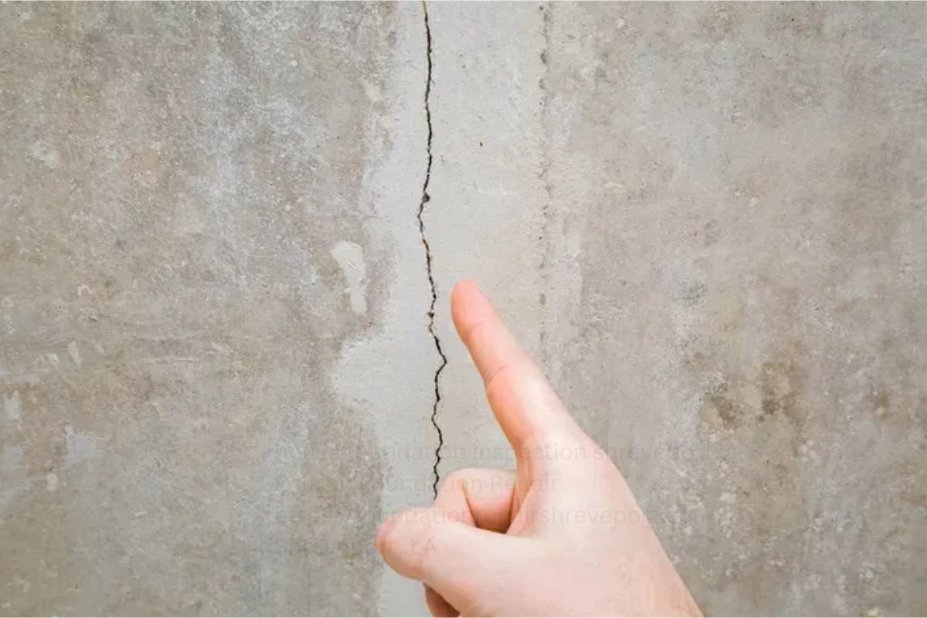
The noises that matter are the ones that come with company. A pop by itself is wood. A pop plus a new crack above a door frame, a door that suddenly sticks, or a floor that slopes is a different story. The cold is not causing the problem. It is revealing one the drought already started, because the cold snap moves the house just enough for the weak spot to show.
Listen for repetition in one spot. A truss pop happens in a different place each night, because a different joint slips each time. A noise from the exact same corner night after night is worth a closer look, especially if a crack is growing there.
Watch for movement you can feel. A floor that bounces or sags under your step, or a window that will not open after a cold night, points to the frame shifting, not just shrinking. Houses in Shreve City and near Cross Lake and the Red River sit on the same expansive clay, and the Web Soil Survey at websoilsurvey.nrcs.usda.gov can tell you what soil sits under your address. If the noise and the signs arrive together, do not wait.
| What you hear | Usually normal | Check the foundation |
|---|---|---|
| Single sharp pop at night | It happens once, then quiet | It repeats in the same spot every night |
| Bang from the attic | Nothing fell, and nothing looks different | A new crack appears below it |
| Creaking stairs or floors | It quiets as the house warms up | The floor slopes or bounces under your step |
| Ticking in the walls | It starts when the heat kicks on | A door will not latch |
| Groaning near a door frame | The door works fine | A crack opens above the door |
Room-by-Room Check: What to Look and Listen For
When a cold snap turns your house noisy, walk it room by room the next morning, while the sounds are still fresh. Start in the attic if you can get up there safely, and look for fresh splits in the trusses or a loose connector plate. Never walk on attic insulation or step between joists, and stay off a steep roof.
In the bedrooms and living room, open and close every door and window, and look above each frame for fresh cracks. Run your hand along the baseboards for gaps that were not there last month. In the kitchen and bathrooms, check the tile for cracked grout and the countertops for a gap against the wall, because tile shows movement first.
Finish outside and underneath. Walk the perimeter and look for gaps where clay has pulled away from the wall, and check the brick for stair-step cracks. If you have a crawl space, look for damp soil, leaning piers, or loose joists. A foundation inspection can measure what your eyes can only guess at.
- Attic: fresh splits in trusses and loose connector plates.
- Bedrooms and living room: test every door and window, and check above each frame.
- Kitchen and bathrooms: cracked tile grout and countertop edges.
- Baseboards and floors: new gaps at the floor line and floors that slope or bounce.
- Outside: gaps where clay pulled away from the wall and stair-step cracks in brick.
- Crawl space: damp soil, leaning piers, and joists pulling away from supports.
What to Write Down and Watch Over the Next Few Weeks
A noise you remember is a guess. A noise you wrote down is evidence. Start a simple log the first night your house gets loud, and keep it going for three or four weeks. Each entry only needs the date and time, the room, what the sound was like, and what the temperature was doing. Note anything that changed at the same time, such as a door that stuck the next morning.
Measure anything you can see. Push a tape measure into a crack, write down the width with the date and the room, and take a photo with the tape in the frame. Measure the same crack once a week, in the same spot. A crack that holds the same width for three weekly checks is stable. A crack that grows a little each week is moving, and that number matters more than how loud the pop was.
Watch the pattern, not just the volume. Normal seasonal noise fades as the house settles into the cold. Foundation noise does the opposite: it comes back in the same spot, it brings new cracks, and the doors get a little worse each week. If your log shows the same corner popping, the same door sticking, and the same crack widening, you have a clear story to tell an inspector.
When to Call for a Foundation Inspection
Call sooner rather than later if the noise comes with visible signs. A new crack that keeps growing, a door that will not latch, a floor that slopes, or a gap opening between a wall and the ceiling are all reasons to get a professional look now. A expert inspection measures how much the house has moved, so you decide on numbers instead of worry.
You can keep watching for a week or two if the noise is the only symptom. One pop at night, creaky stairs on a cold morning, and ticking when the heat runs are all normal, and they usually fade as the cold settles in. But if a second symptom joins the noise, or the same spot keeps popping, the watching period is over. Pelican Foundation Repair offers expert inspections and a 20-year structural warranty on qualifying repairs, and our structural repair page explains what a repair looks like.
Frequently Asked Questions
Why does my house pop at night when it gets cold?
Because wood shrinks as it cools. When the temperature drops at night, framing and roof trusses contract a little, and a board slips a fraction of an inch against a nail. That slip makes a sharp pop, and then the house goes quiet again.
Are banging noises in the attic a foundation problem?
Usually not. A bang from the attic is most often a roof truss slipping as it cools, especially on the first cold night. It is a concern only if it comes with a new crack below it, a door that sticks, or a sloping floor.
What cold-weather house noises should worry me?
The ones that come with visible signs. Worry when a noise repeats in the same spot every night, or comes with a new crack, a door that will not latch, or a sloping floor. Noise alone is usually just wood shrinking.
Why is my house noisier during a drought?
Because dry wood and dry clay both move more. In a drought the wood in your home is already dry, so it shrinks harder when the cold arrives. The clay under the house has also shrunk away from the foundation, so the house can settle a fraction of an inch.
Should I worry if a noise happens in the same spot every night?
Yes, that pattern is worth checking. Normal truss pops move around, because a different joint slips each night. A noise from the exact same corner every night, with a crack growing nearby, can mean the frame is shifting, and an inspection can measure it.
What should I write down when I hear a new house noise?
Write the date and time, the room, what it sounded like, and what the temperature was doing. Measure any crack with a tape measure, photograph it with the tape in the frame, and check the same crack again once a week.
When should I call for a foundation inspection?
Call when a noise comes with a visible sign, such as a new or growing crack, a door that will not latch, or a sloping floor. If the noise is the only symptom, watch it for a week or two, and call if a second symptom appears.
Pelican Foundation Repair
6118 Fairfield Ave, Shreveport, LA 71106, USA
318-585-2003
https://foundationrepairshreveport.com/