 Skip to main content

How Long Does Structural Repair Take? Timelines by Job Type
How long does structural repair take? Most residential structural repairs in the Shreveport area take between one and five days. Straightforward jobs like installing wall anchors or injecting epoxy into foundation cracks can wrap up in a single day, while bigger projects — replacing rotted sill plates and floor joists under a pier-and-beam house, or installing a full set of piers around a settling slab — typically run three to five days. The timeline depends on the repair type, how much of the structure is involved, and what the crew finds once work starts.
The short version: plan on one day for small structural fixes, two to three days for most wall and beam work, and three to five days for full piering or major wood replacement. Weather, access, and surprises underground can stretch any of these, but a good contractor gives you a written schedule before the first shovel hits the dirt.
Call (318) 585-2003 – Free Inspection
📊 Structural Repair Timelines at a Glance
1–2 days
Wall anchors, crack repair, minor fixes
2–4 days
Beam and joist replacement jobs
3–5 days
Full piering and major underpinning
Why Structural Repair Timelines Vary So Much
“Structural repair” is an umbrella term, not a single job. It covers everything from stabilizing a bowing crawl space wall to replacing the wooden beams holding up an entire floor — and those jobs have almost nothing in common except that they all involve the parts of your house that carry weight. That is why one neighbor’s repair took a day and another’s took a week: they were not the same repair.
The biggest variable is scope. A single bowing wall with three wall anchors is a contained, predictable job. Replacing rotted sill plates around half a pier-and-beam house means supporting the structure, removing damaged wood, installing new lumber, and doing it all in a crawl space that might be two feet tall. More scope means more hours, more crew, and more days.
Soil and access matter too. Much of Shreveport sits on expansive clay that is miserable to dig after a wet spring, and older neighborhoods like Highland, South Highlands, and Queensborough have tight side yards, mature trees, and fences that slow every part of the work. A crew that can drive equipment right up to the foundation moves a lot faster than one hand-digging around a brick planter.
Timelines by Job Type
Here is what each common structural repair typically takes for a standard Shreveport-area home. These assume a normal crew and no major surprises — we will cover the surprises in a moment.
| Repair type | Typical duration | How disruptive |
|---|---|---|
| Epoxy crack injection (1–3 cracks) | Half day to 1 day | Low — crew works at the wall |
| Wall anchors (one wall) | 1–2 days | Moderate — excavation outside |
| Carbon fiber straps (one wall) | 1 day | Low — interior wall access only |
| Sill plate replacement (partial) | 2–3 days | Moderate — crawl space work |
| Floor joist / beam replacement | 2–4 days | Moderate to high |
| Steel push or helical piers (full job) | 2–5 days | Moderate — excavation at each pier |
| Full perimeter + interior piers | 4–7 days | High — slab cut for interior piers |
Notice how the interior work takes longer. Anything that requires cutting a slab floor, working inside the home, or restoring concrete afterward adds at least a day or two. Exterior-only jobs — wall anchors, exterior piers — are the fastest because the crew can work freely without tearing up your living space.
If you are not sure which category your problem falls into, our guide on what structural repair actually covers breaks down the common repair types in plain language. For homes with major settlement, our structural repair services page covers the full process from inspection to final elevations.
Call (318) 585-2003 – Free Inspection
Wall Anchors and Bowing Wall Repair: 1 to 2 Days
Wall anchors are one of the fastest structural repairs. The crew digs small pits outside the bowing wall — usually a few feet deep — places steel earth anchors in the stable soil beyond the foundation, and runs threaded rods through the wall to steel plates on the inside. Tightening the rods pulls the wall back toward straight and locks it in place.
A single wall with three or four anchors typically takes one to two days: day one for excavation, anchor placement, and installation, and part of day two for final tensioning, backfill, and cleanup. Carbon fiber straps are even faster — they bond to the inside face of the wall with structural epoxy and usually finish in a single day, since there is no excavation at all.
What can stretch a wall job? Saturated soil after heavy Louisiana rain slows digging, and walls that have moved several inches may need to be straightened gradually rather than all at once. Landscaping, patios, or concrete against the wall also add time, because the crew has to work around them or remove and replace sections.
Beam, Joist, and Sill Plate Replacement: 2 to 4 Days
Under pier-and-beam homes — common in older Shreveport neighborhoods like Cedar Grove and parts of Bossier — the wooden structure is the weak point. Decades of moisture, termites, and poor ventilation rot sill plates and floor joists, and replacing them is careful, physical work in tight crawl spaces.
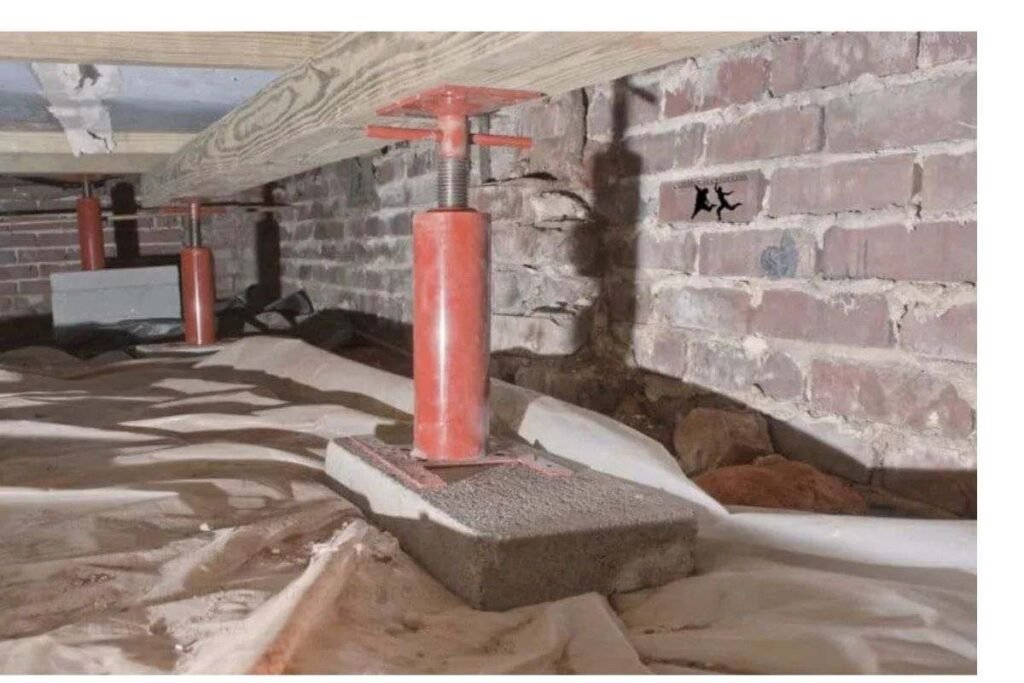
A partial sill plate replacement — one or two sides of the house — usually takes two to three days. The crew supports the structure with temporary jacks, removes the rotted wood, installs new pressure-treated lumber, and resets everything to level. Full beam and joist replacement across a large section of the house can run three to four days, sometimes longer if the crawl space is extremely tight or the damage is worse than the inspection showed.
The wildcard in wood replacement is what the crew finds once the old lumber comes out. A joist that looked okay from the access hatch can be rotted through at the far end, and subflooring above damaged beams often needs attention too. Good contractors build a little contingency into the schedule for this — if yours promises an exact single-day timeline for a big wood job, be skeptical.
Call (318) 585-2003 – Free Inspection
Piering and Underpinning: 2 to 5 Days
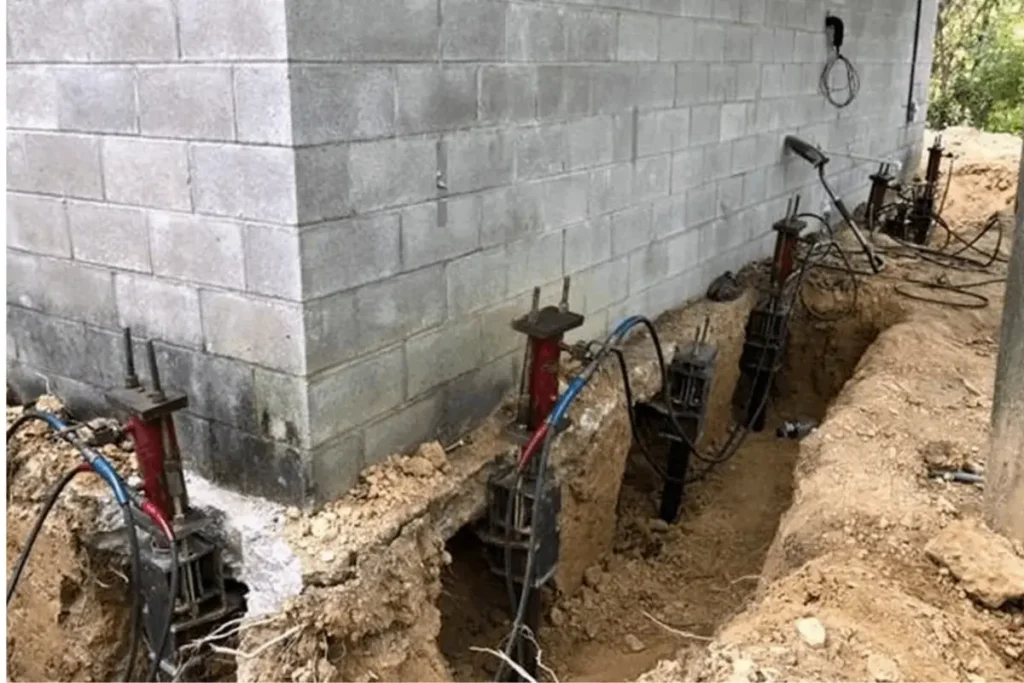
Pier installation — steel push piers or helical piers driven to deep, stable soil — is the heavyweight of residential structural repair, and it takes the longest. A typical full job runs two to five days depending on pier count and access.
Here is how those days usually break down. Day one is excavation: hand-digging down to the footing at each pier location, spaced roughly six to eight feet apart. Days two and three are pier driving and the lift — the technical heart of the job, where each pier is installed to verified bearing and the foundation is raised slowly back toward level. The final day is backfill, compaction, cleanup, and final elevation readings that document where the foundation sits now.
Interior piers add significant time. On slab homes, the crew has to cut through the concrete floor, work inside your living space, and restore the slab afterward — a full perimeter plus interior pier job can stretch to five to seven days. Depth matters too: if stable soil sits thirty feet down instead of twelve, every pier takes longer. On commercial foundation projects, timelines run longer still because of engineering requirements and larger pier counts.
What Slows a Job Down
Most structural repairs finish on schedule, but a few things regularly add days. Knowing them upfront keeps expectations realistic.
- Hidden damage. The most common delay. Rotted wood hidden behind good-looking lumber, cracked drain lines under a settled slab, or more settlement than the elevation survey showed — surprises underground are the nature of this work.
- Weather. Heavy Louisiana rain turns excavation pits into swimming pools and saturated clay into soup. Crews can work through light rain, but standing water stops digging.
- Access problems. Tight side yards, fences that cannot come down, decks, and mature landscaping near the foundation all slow excavation and material handling.
- Permits and engineering. Most residential jobs in our area do not need engineered drawings, but unusual conditions do — and engineering review happens before work starts, not during.
- Plumbing discoveries. On slab homes, old drain lines under settled foundations are often already stressed or broken. If a camera inspection finds damage, the plumbing repair runs alongside the structural work.
- Homeowner decisions mid-job. Changing the plan — adding interior piers, expanding the scope — resets the schedule. Get the full scope right at the inspection stage.
A contractor who has worked in northwest Louisiana for years will flag most of these during the inspection. The LSU AgCenter at lsuagcenter.com publishes research on how local expansive soils behave — worth a read if you want to understand why your soil is doing what it is doing.
Call (318) 585-2003 – Free Inspection
Can You Stay in the House During Structural Repair?
In almost every case, yes. Exterior structural work — piers, wall anchors, drainage — happens entirely outside, so daily life goes on normally. The noisiest day is usually the lift day on a piering job, and that is a single day of hydraulic equipment noise, not a week of it.
Interior work is more disruptive but still livable. Cutting slab for interior piers means dust, noise, and plastic sheeting sealing off work zones, but crews typically restore each area as they go. Crawl space wood replacement barely affects the living space at all — you might hear thumping underneath for a few days, and that is about it.
The one exception worth mentioning: if a home has severe structural damage — a wall at risk of collapse, or floors that are genuinely unsafe — a contractor may recommend staying elsewhere until the structure is stabilized. That is rare, and it is a safety call, not a convenience issue. For the standard repairs most Shreveport homes need, plan on staying put. You can browse all of our foundation services and check our service areas to see if we cover your neighborhood.
Call (318) 585-2003 – Free Inspection
Frequently Asked Questions
How long does it take to fix a bowing wall?
A single bowing wall with wall anchors usually takes one to two days: excavation and installation on day one, final tensioning and backfill on day two. Carbon fiber straps are faster — typically a single day with no excavation. Walls that have moved several inches may need gradual straightening, which adds time.
Can structural repairs be finished in one day?
Small ones, yes. Crack injection, carbon fiber straps on one wall, and minor wood sistering can all finish in a day. Most wall anchor jobs take one to two days, and anything involving piers or major wood replacement runs two to five days. One-day promises on big jobs are a red flag.
How long does a full piering job take?
A standard exterior piering job — four to twelve piers around the settled sections — takes two to five days: excavation, pier driving and the lift, then backfill and cleanup. Adding interior piers on a slab home can stretch the job to five to seven days because of the concrete cutting and restoration.
Will I need to move out during structural repair?
Almost never. Exterior work happens entirely outside, and even interior pier work is contained to sealed-off work zones. The only time a contractor recommends leaving is when the structure is genuinely unsafe — which is rare and a safety decision, not a scheduling one.
What causes structural repair delays?
Hidden damage is the biggest one — rotted wood or broken plumbing discovered after work starts. Weather, tight access, permit or engineering requirements, and mid-job scope changes round out the list. A thorough inspection up front catches most of these before day one.
How soon can I use the repaired area?
Right away, in most cases. Backfilled exterior areas can be walked on immediately, though you should wait for grass to re-establish before heavy use. Interior slab patches need a day or two of cure time before furniture goes back. Your contractor should give you specific guidance for your job.
Do I need to do anything to prepare for structural repair?
Clear the work areas: move patio furniture, potted plants, and anything stored against the foundation. Trim back bushes along the work walls if you can. Inside, clear a path to the crawl space or basement access. Your contractor should give you a prep checklist before the start date.
Call (318) 585-2003 – Free Inspection
Get a Free Structural Inspection in Shreveport
The only timeline that matters is yours — and the only way to get an honest one is an inspection with elevation readings and a written scope. Our free inspection gives you a settlement map, a repair plan, and a realistic schedule before you commit to anything.
Call Pelican Foundation Repair at (318) 585-2003, or visit Pelican Foundation Repair to schedule. We serve Shreveport and the surrounding areas — see our full service area list.
Pelican Foundation Repair
6118 Fairfield Ave, Shreveport, LA 71106, USA
318-585-2003
https://foundationrepairshreveport.com/