 Skip to main content

How to Choose a Crawl Space Repair Contractor in Shreveport
Pick a crawl space contractor by checking local experience, itemized bids, real warranties, and insurance. Ask sharp questions, skip the hype, and compare three quotes before you sign anything.
How do you choose a crawl space repair contractor? Start with three local companies, verify insurance and Louisiana licensing, and ask each for an itemized written bid plus a warranty you can read in full. The right contractor explains what is wrong in plain English, measures before quoting, and never pressures you to sign today.
Most houses in Shreveport’s older neighborhoods sit on pier and beam foundations, which means the crawl space under your feet does real structural work. It holds up your floors, carries the weight of the walls, and takes the first hit from every wet spring, every termite swarm season, and every long humid summer. Picking the wrong contractor for that space does not just waste money. It can leave the actual problem untouched while you pay for work that looks finished.
You do not need to become a foundation expert to hire well. You need sharp questions, a clear eye for red flags, and the patience to compare bids. This guide covers all three.
Why Picking the Right Contractor Matters More in Shreveport
In Highland, Broadmoor, South Highlands, Shreve City, and Cedar Grove, pier and beam houses from the 1920s through the 1970s are everywhere, and they all share the same vulnerable spot: the crawl space. Hot, humid air sits under the house for months at a time. Spring rains keep the ground damp. Expansive clay soil swells against piers, then shrinks in late summer, shifting the supports a little each year. Add subterranean termites, which love north Louisiana, and you get a space where wood rots, sags, and quietly fails.
That is why crawl space repair here is rarely just one thing: a sagging floor might need sistered joists, a vapor barrier, and drainage correction together. A contractor who sells only one piece leaves you with half a repair, and half a repair fails fast in a Shreveport crawl space.
Crawl space work commonly runs from a few thousand dollars into the five figures. Overpaying hurts, but paying twice for the same crawl space — the result of a bad first hire — hurts worse.
The Questions to Ask Before Anyone Crawls Under Your House
Bring this list to every estimate. A good contractor answers every one of them without flinching:
- Is the inspection really free, and do I get a written report? A verbal walk-and-talk is not an inspection. You want photos, measurements, and findings in writing.
- Will you actually go into the crawl space? If the person quoting your repair never gets under the house, they are guessing. Ask directly.
- Do you take moisture readings? A meter reading on the wood tells the real story about rot risk. Anyone serious carries one.
- Who does the work — your own crew or subcontractors? Subcontractors are not automatically bad, but you should know who is responsible for the warranty when something goes wrong.
- What is wrong, in plain English? If they cannot explain the problem without jargon, they may not understand it themselves.
- Can I read the warranty before I sign? Never accept a verbal warranty. Get the document, read the exclusions, and keep a copy.
- Are you licensed and insured, and can I see proof? Ask for the license number and the insurance certificates, not just a yes.
- What does the price include, and when do I pay? Materials, permits, cleanup, and warranty should all be spelled out. Deposits should be small.
- Can I talk to three recent customers near me? A contractor with deep local roots — in the 71106, 71105, or 71118 ZIP codes, say — can name them easily.
Watch the tone as well as the content: contractors who welcome hard questions tend to do careful work.
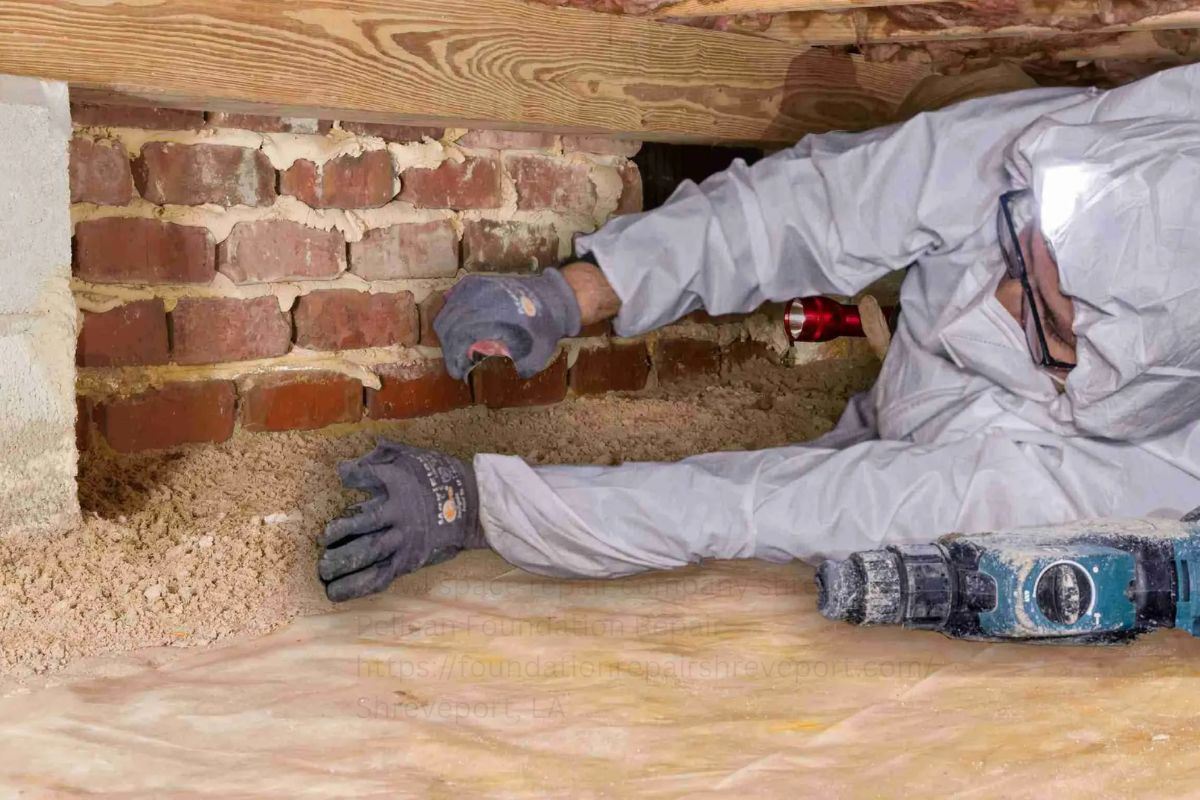
Red Flags That Should Make You Walk Away
Some warning signs are universal in home contracting, and crawl space work attracts more than its share of sketchy operators. Watch for these:
| Red Flag | Why It Matters |
|---|---|
| Quote given without entering the crawl space | Nobody can diagnose wood rot, moisture, or pier movement from the living room. They are guessing at your expense. |
| “Sign today” discounts and pressure tactics | A real structural repair is not a flash sale. Pressure means they need the signature more than you need the work. |
| Cash-only, no written contract | No paper trail means no warranty, no recourse, and no proof of what was promised. |
| “Lifetime warranty” with nothing in writing | A warranty that exists only in a sales pitch covers nothing. Real warranties are documents with terms and exclusions. |
| Demands full payment upfront | Standard practice is a modest deposit with the balance tied to milestones or completion. Full payment upfront removes your bargaining power if the work stalls. |
| No local references, out-of-state plates | Storm-chasers and traveling crews move on before warranty claims arrive. A contractor rooted in Shreveport stays around to honor the work. |
| Vague about what caused the problem | If they cannot tell you why the wood rotted or the piers shifted, they cannot keep it from happening again. |
One more local note: after big storm systems roll through Caddo Parish, door-to-door contractors multiply. Some are fine, but the pattern of taking deposits after storms and vanishing is old and well worn. A legitimate Shreveport company has a local address you can drive past, not just a phone number.
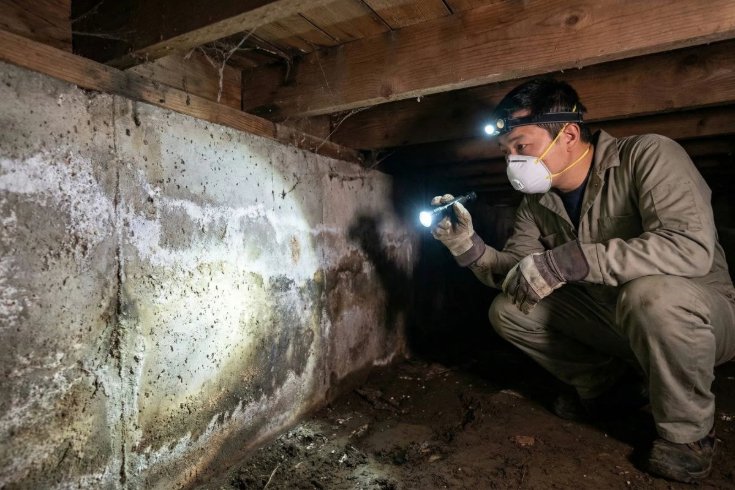
How to Compare Bids Without Getting Burned
Get three bids, and compare value rather than just price. Bids only compete fairly when the scope matches — same problem, same square footage, same repairs.
A proper bid spells out each of these in writing:
| Bid Line | What to Look For |
|---|---|
| Scope of work | Exactly what gets repaired, replaced, or installed — sill plates, joists, piers, vapor barrier, drainage — described in plain language. |
| Materials | Pressure-treated lumber grades, vapor barrier thickness, pier type. “New piers” without a type is not a specification. |
| Moisture and drainage work | New wood in a wet crawl space rots again. The bid should address water, not just wood. |
| Timeline and crew | Start date, duration, and whether the company’s own crew does the work. |
| Payment schedule | Small deposit, progress tied to milestones, final payment on completion and your approval. |
| Warranty terms | Length, what is covered, what voids it — attached as a document, not summarized by a salesperson. |
| Cleanup and permits | Who hauls debris, who restores access points, and who handles permits if the parish requires them. |
When one bid comes in much cheaper than the others, find out what was left out. The classic shortcuts: thin vapor barrier instead of heavy mil, no drainage work, sistering only the worst joists while the rest keep sagging, or piers set without any leveling measurement. That cheap bid gets expensive when you hire someone else to finish the job. For a sense of what a complete job covers, read through our crawl space repair services overview before you start collecting quotes.
Licenses, Insurance, and the Warranty Fine Print
In Louisiana, residential construction work falls under state licensing rules, and legitimate contractors expect you to check. Ask for the license number and verify it yourself — this takes five minutes and filters out a surprising number of operators. Then ask for proof of insurance: general liability and workers’ compensation, with certificates sent from the insurer, not photocopies from a truck glove box. If a worker gets hurt under your house and the company carries no workers’ comp, that injury can become your legal problem.
The warranty deserves the same scrutiny. A 20-year structural warranty on qualifying repairs is the benchmark — but length only matters if the coverage is real. Read the whole document and check the exclusions: many warranties void out if standing water goes unaddressed or drainage recommendations are ignored. Know them before you sign, not after something fails.
One rule covers all of this: no verbal promises. Whatever the salesperson says about the warranty, the price, or the timeline means nothing unless it is written into the contract. A contractor who balks at putting promises in writing was never going to keep them. Our guide to choosing a foundation repair contractor in Shreveport LA covers the same vetting logic for full foundation projects, and most of it transfers directly to crawl space work.
Checking References and Reviews the Right Way
Ask every finalist for three recent customers near you — ideally in your ZIP code or a neighboring one, like 71106, 71105, or 71118 — and actually call them. Keep the questions simple: Did the crew show up when they said they would? Did the final price match the bid? Did they clean up? And the big one: knowing what you know now, would you hire them again? People are honest about this stuff when you ask plainly.
Online reviews help, but look for patterns rather than single stars: on-time crews, problems handled without a fight, repairs that held up through a wet spring. Read the bad reviews and notice how the company responds — a calm, specific reply tells you more than a hundred five-star blurbs. For a second opinion on vetting any home contractor, the FTC’s consumer guidance on hiring contractors covers the same essentials: written contracts, verified references, and payment schedules tied to completed work.
What a Good First Visit Looks Like
Judge a contractor by the first appointment. A good one shows up on time, goes under the house with a flashlight, moisture meter, and camera, takes floor level readings, and walks you through the findings in plain English: what is wrong, why it happened, and your options from minimum fix to full restoration.
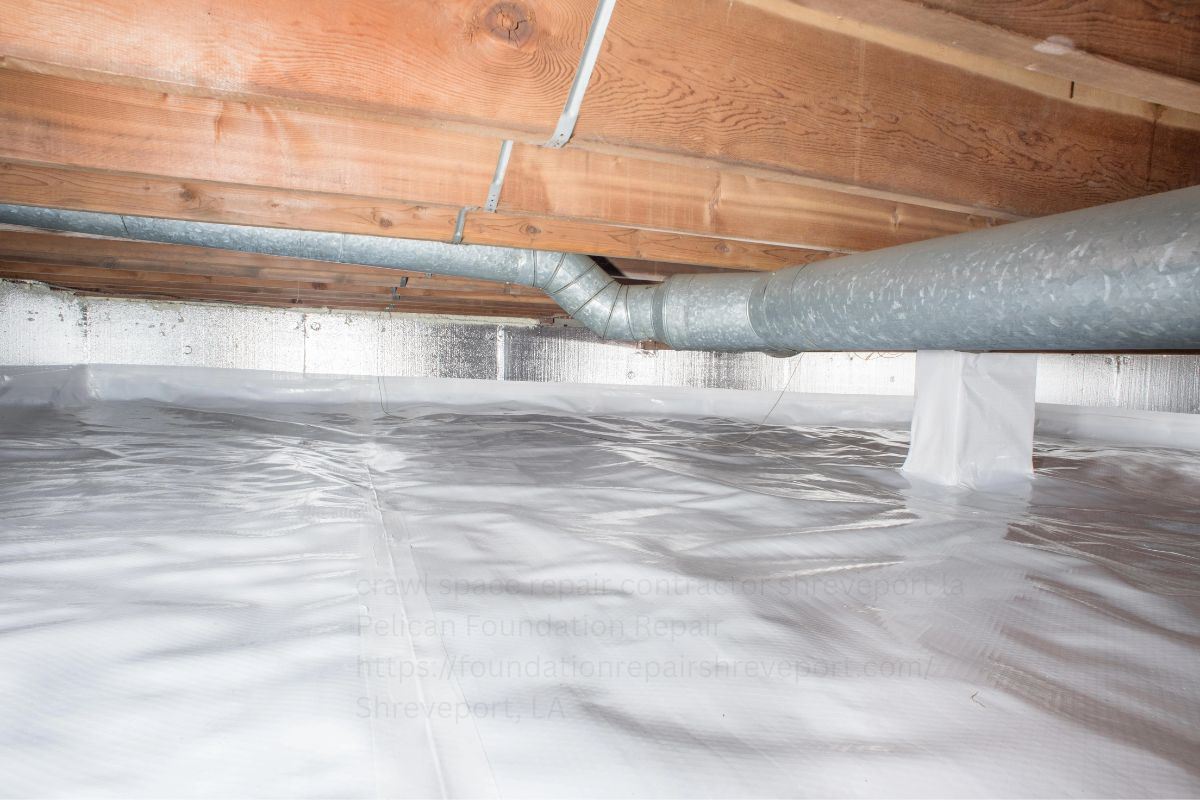
Then they give you space. A written report and an itemized bid arrive, the warranty comes as a document, and nobody calls you six times in three days. That is what confidence looks like: a contractor who knows the work will sell itself. Before your appointments, it helps to know the warning signs yourself, so read our guide to knowing if your crawl space needs repair — you will ask better questions when you know what the contractor should be looking for.
If you want that kind of visit, start with Pelican Foundation Repair. Our inspections are free, the report is written, and the hours are Monday through Saturday, 8:00 AM to 6:00 PM.
Frequently Asked Questions
How much does crawl space repair cost in Shreveport?
Most full repairs run $3,000 to $12,000 depending on scope — structural wood replacement and drainage correction cost more than a vapor barrier alone. Any honest number follows an in-person inspection with measurements, not a phone estimate.
Should I really get three quotes for crawl space repair?
Yes. Three itemized bids show you the real price range and reveal which contractors priced the full job versus which ones left work out. One quote is a guess; three quotes are a market.
Does a crawl space contractor need a license in Louisiana?
Residential construction work falls under Louisiana state licensing rules, and you should always verify a contractor’s license number yourself. Also confirm general liability and workers’ compensation insurance before anyone goes under your house.
What should a crawl space repair warranty actually cover?
It should cover workmanship and materials in writing, with clear terms on length and exclusions. A 20-year structural warranty on qualifying repairs is a strong benchmark. Be skeptical of verbal promises or “lifetime” language with no document behind it.
How can I tell if a crawl space contractor is legitimate?
Look for a local physical address, verifiable license and insurance, recent local references you can call, and a written contract with an itemized bid. Pressure tactics, cash-only demands, and full payment upfront point the other way.
Is it a problem if the company sends a salesperson instead of a technician?
Only if nobody qualified evaluates the crawl space. Whoever quotes the job should go under the house, take moisture readings, and explain findings in plain English. A quote written from the living room is not an inspection.
How much deposit should I pay for crawl space repair?
A small deposit is normal, with the balance tied to milestones or due on completion. Never pay the full amount upfront — you lose all leverage if the work stalls or disappoints.
How long does crawl space repair usually take?
Most residential jobs take one to five days depending on scope — a vapor barrier goes fast, while structural wood replacement and pier work take longer. Your bid should include a written timeline.
Pelican Foundation Repair
6118 Fairfield Ave, Shreveport, LA 71106, USA
318-585-2003
https://foundationrepairshreveport.com/