 Skip to main content

How to Know If Your Crawl Space Needs Repair: 9 Warning Signs
How do you know if your crawl space needs repair? The clearest warning signs are musty odors inside the house, sagging or bouncy floors, visible mold on joists or subflooring, and standing water under the home. If you notice two or more of these, your crawl space almost certainly needs professional attention. Most homeowners never look under their house, so the crawl space quietly deteriorates for years while the symptoms show up in the living space above.
In short: trust your nose, your floors, and your energy bill. Musty smells, uneven or springy floors, mold growth, moisture on the vapor barrier, and pest activity are the top signs your crawl space needs repair. In Shreveport’s humid climate and expansive clay soils, these problems are common — and they get worse, not better, when ignored.
Call (318) 585-2003 – Free Inspection
📊 Crawl Space Warning Signs
9 signs
Key symptoms to check for
2+ signs
Means call for an inspection
Free
Professional crawl space inspection
The 9 Warning Signs Your Crawl Space Needs Repair
Run through this checklist. You do not need to crawl under the house for most of these — the symptoms show up in your living space, your utility bills, and around the foundation exterior. Count how many apply to your home.
- Musty or earthy odors inside the house. This is the number one sign. Air from the crawl space rises into your home through gaps around plumbing, wiring, and ductwork — a process called the stack effect. If your house smells damp or musty, especially after rain, the source is very often below the floor. A healthy crawl space has no noticeable smell.
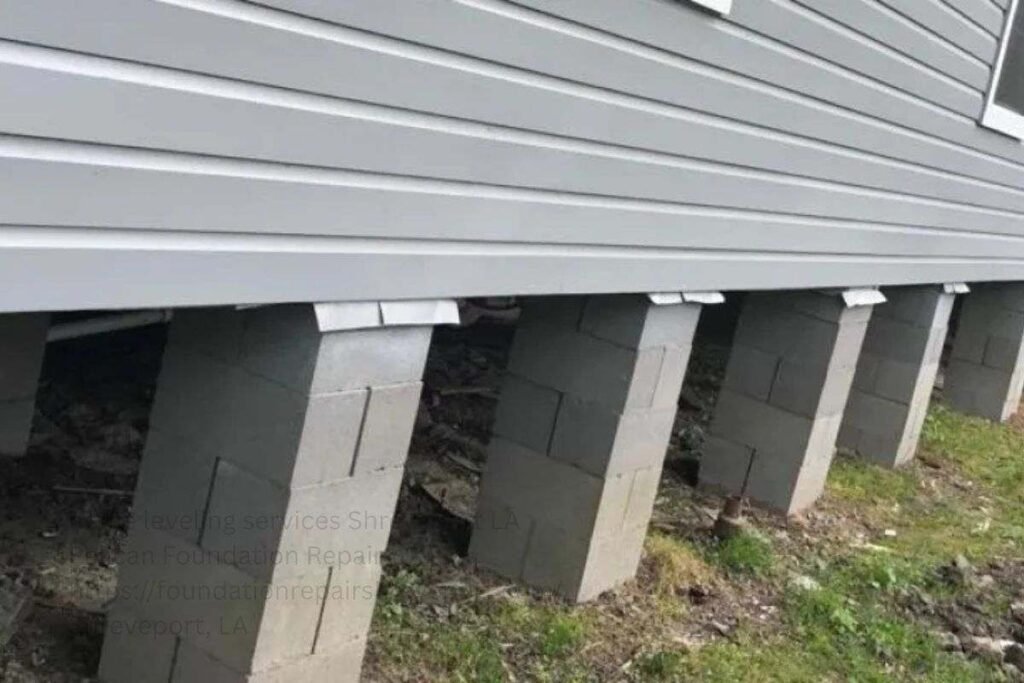
- Sagging, bouncy, or uneven floors. Walk slowly across each room and feel for dips, slopes, or spots that flex under your weight. Sagging floors usually mean the wooden support beams or floor joists in the crawl space are weakened by moisture, rot, or termite damage — or that the support piers beneath them have settled into soft soil.
- Visible mold on joists, subfloor, or insulation. If you can access the crawl space entrance, shine a flashlight inside. Mold on the wooden framing or the underside of the subfloor means chronic moisture. Mold does not grow without water, so visible mold is proof of an ongoing moisture problem, not a one-time event. Our article on mold in the crawl space explains when it is a cosmetic issue and when it signals real damage.
- Standing water or persistent dampness under the house. After a heavy Louisiana rain, some dampness is normal — but puddles that linger for days, mud that never dries, or water stains on the foundation walls point to drainage failure. Standing water accelerates wood rot, attracts pests, and undermines support piers.
- Sweating or damaged vapor barrier. The plastic sheeting on the crawl space floor is supposed to block ground moisture. If it is torn, bunched up, covered in puddles, or missing entirely, ground moisture is evaporating straight into the space. A failed vapor barrier is one of the most common — and most fixable — crawl space problems.
- Sagging, falling, or wet insulation. Insulation hanging from the subfloor like wet laundry has absorbed moisture and stopped doing its job. Wet insulation also holds water against the wood, speeding up rot. If your insulation is drooping or missing in patches, moisture is the usual culprit.
- Increased pest activity. Termites, rodents, snakes, and insects love damp, dark crawl spaces with easy entry. Mud tubes on foundation walls, droppings near the crawl space entrance, or scratching sounds under the floor all suggest the space is inviting pests in. Pest damage and moisture damage feed each other — termites target softened wood first.
- Higher humidity or energy bills with no clear cause. A wet crawl space pumps humid air into the house, forcing your air conditioner to work harder every summer. If your cooling bills have crept up and the system itself checks out, the crawl space may be the hidden load. Indoor humidity consistently above 60 percent often traces back below the floor.
- Cracks in interior walls or sticking doors on the main floor. These can signal foundation settlement, but in pier-and-beam homes they often point to the crawl space specifically — settled or rotted support piers let sections of the floor structure drop. If you see these symptoms, compare notes with published guides to signs of foundation settlement in Shreveport to tell which problem you are looking at.
How many did you count? One sign deserves a closer look. Two or more means you should schedule an inspection soon — these problems compound, and the repair only gets bigger the longer moisture and movement go unchecked.
What Causes Crawl Space Problems in Northwest Louisiana
Crawl spaces do not fail randomly. In the Shreveport area, the same handful of causes shows up again and again, and most of them trace back to water and soil.
- Expansive clay soil. Much of Caddo Parish sits on clay that swells when wet and shrinks when dry. That movement shifts the support piers under pier-and-beam homes and opens gaps where water enters. The LSU AgCenter’s soil resources at lsuagcenter.com describe how aggressive these soils are.
- Poor drainage and grading. When yard grading slopes toward the house instead of away from it, every rain sends water straight to the foundation. Clogged gutters and missing downspout extensions make it worse — thousands of gallons can dump beside the foundation in a single storm.
- Open vents in a humid climate. Traditional crawl space vents were designed for drier regions. In Louisiana’s humidity, open vents pull warm moist air into the cooler crawl space, where it condenses on joists and ducts. Venting often causes the moisture problem it was supposed to prevent.
- Plumbing leaks. A slow drip from a drain line or supply pipe can soak the soil and framing for months before anyone notices. By the time the musty smell reaches the living room, significant damage may already be done.
- Missing or failed vapor barrier. Bare earth constantly releases moisture. Without an intact vapor barrier, that moisture has nowhere to go but up into the wood framing.
- Age. Many pier-and-beam homes in Highland, South Highlands, Broadmoor, and Cedar Grove are 50 to 70 years old. Original piers settle, original framing weathers, and original drainage designs were never meant for today’s rainfall patterns.
Understanding the cause matters because it determines the fix. A moisture problem needs moisture control; a structural problem needs structural repair. Many homes need both — which is why a real inspection looks at the whole picture, not just one symptom.
Call (318) 585-2003 – Free Inspection
What Happens If You Ignore the Signs
Crawl space problems are progressive. Moisture does not stabilize on its own, and structural movement does not reverse itself. Here is what each symptom turns into when it is left alone:
| Warning sign | If ignored, it becomes | Typical urgency |
|---|---|---|
| Musty odors | Widespread mold, poor indoor air quality | Inspect within weeks |
| Sagging or bouncy floors | Joist failure, major structural repair | Inspect soon |
| Visible mold | Wood rot, framing replacement | Inspect soon |
| Standing water | Pier undermining, foundation movement | Inspect promptly |
| Damaged vapor barrier | Chronic moisture, insulation loss | Schedule repair |
| Wet or falling insulation | Higher energy bills, condensation damage | Schedule repair |
| Pest activity | Termite structural damage | Inspect promptly |
| Rising humidity and bills | HVAC strain, mold spread | Schedule evaluation |
| Wall cracks, sticking doors | Progressive settlement, costly leveling | Inspect soon |
The cost curve is what should motivate action. Replacing a vapor barrier and adding drainage might run $1,500–$4,000. Rebuilding rotted floor framing and re-leveling a settled pier-and-beam home can run $8,000–$25,000+. Every year of delay moves the project from the first category toward the second. The EPA’s mold guidance at epa.gov reinforces the same point from the health side: moisture problems should be fixed at the source, and the sooner the better.
How a Professional Crawl Space Inspection Works
A proper inspection is not someone peeking through the access door with a flashlight. Here is what a thorough evaluation covers, so you know what to expect.
Exterior walk-around
The inspector checks grading and drainage around the foundation, looks for water stains and efflorescence on foundation walls, notes the condition of vents and the access door, and looks for pest entry points. Much of the story is visible from outside.
Interior symptom mapping
Inside, the inspector walks the floors feeling for sagging and bounce, checks doors and windows for sticking, and notes wall cracks. On pier-and-beam homes, a floor elevation survey maps exactly where the structure has dropped — the same kind of elevation readings used for slab foundations.
Under-house evaluation
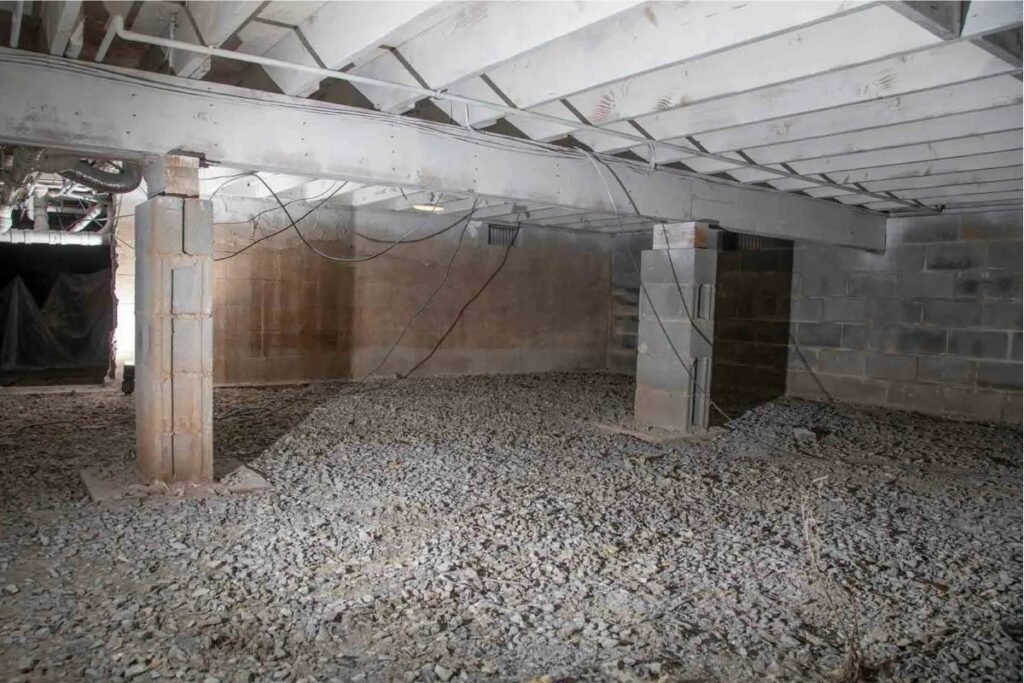
This is the core of it. The inspector enters the crawl space — or uses a camera scope if access is too tight — and evaluates moisture levels, the condition of joists, beams, and subflooring, the state of the vapor barrier and insulation, pier condition and plumb, and any signs of pests or mold. Photos document everything.
The written plan
You should receive a written summary: what was found, what caused it, what needs repair versus what is optional, and what it will cost. Our inspections are free, and the plan is yours to keep whether you hire us or not. If a company will not put findings in writing, that tells you everything you need to know.
A note on timing: the best time for an inspection is after a rainy stretch, when moisture problems are easiest to see. But any time beats waiting — dry-season inspections still reveal structural issues, old water staining, and failed barriers clearly.
Call (318) 585-2003 – Free Inspection
Repair vs. Encapsulation: What Is the Difference?
Two terms get mixed up constantly, so let us separate them. Crawl space repair fixes what is broken: rotted joists get sistered or replaced, settled piers get reset or supplemented, damaged beams get reinforced, and drainage problems get corrected. It is structural and corrective work. Our crawl space repair services cover this side of the job.
Crawl space encapsulation is moisture control: sealing the vents, installing a heavy-duty vapor barrier across the floor and walls, sealing gaps and penetrations, and usually adding a dehumidifier. It turns the crawl space from a damp outdoor space into a dry, conditioned part of the building envelope. Our crawl space encapsulation services handle this side.
Most homes with real problems need repair first, then encapsulation. There is no point sealing moisture into a space with rotted framing — and there is little point rebuilding framing in a space that will just get wet again. A good contractor sequences the work: stabilize the structure, fix the water, then seal and condition the space. Be skeptical of anyone who wants to encapsulate over visible structural damage without addressing it.
Which one do you need?
If your checklist above flagged structural symptoms — sagging floors, sticking doors, wall cracks — you likely need repair. If it flagged moisture symptoms — musty smells, mold, damp insulation, high humidity — you likely need encapsulation, possibly plus drainage work. Many Shreveport homes need both, because our climate delivers moisture and our soils deliver movement in the same package.
Call (318) 585-2003 – Free Inspection
What Crawl Space Repair Typically Costs
Costs vary with the scope, but these ranges reflect what Shreveport-area homeowners commonly see. All are ranges, not quotes — your inspection determines the real number.
- Vapor barrier replacement: $1,500–$4,000 depending on crawl space size and barrier thickness.
- Full encapsulation with dehumidifier: $5,000–$15,000+ depending on size, access, and whether drainage work is included.
- Joist sistering or replacement: $2,000–$8,000+ depending on how many joists are damaged and how bad the rot is.
- Pier resetting or supplemental piers: $1,500–$5,000+ depending on pier count and soil conditions.
- Drainage correction (interior or exterior): $2,500–$10,000+ depending on the system and linear footage.
- Combined structural repair + encapsulation: $10,000–$25,000+ for homes needing the full package.
Two things drive cost more than anything else: access (a tight, low crawl space is slow, difficult work) and the extent of wood damage (surface mold is cheap to remediate; rotted-through joists are not). This is another reason early inspection pays — catching moisture before it becomes rot saves thousands.
Call (318) 585-2003 – Free Inspection
How to Keep Your Crawl Space Healthy After Repair
Repair is an investment — protect it with simple maintenance. None of this is difficult, and all of it extends the life of the work.
- Keep gutters and downspouts working. Clean them twice a year and make sure downspouts discharge at least five feet from the foundation. This single habit prevents more crawl space moisture than anything else.
- Maintain grading. Soil settles over time and mulch beds creep toward the house. Once a year, check that the ground still slopes away from the foundation on all sides.
- Peek under the house annually. You do not need to crawl the whole space — open the access door after a heavy rain and look and smell. Catching a new leak early is a five-minute habit that prevents five-figure repairs.
- Service the dehumidifier. If your encapsulation includes one, clean the filter and check the drain line on the schedule the installer recommends. A neglected dehumidifier is just an expensive box.
- Watch for new pest signs. Mud tubes, droppings, or new entry gaps around the access door deserve prompt attention — pests exploit small openings fast.
- Do not store things against the vents or access. Blocked airflow around a vented crawl space, or blocked access for future inspections, creates problems you will not see until they are big.
Think of it like changing your car’s oil: small, regular attention prevents the catastrophic failure. A healthy crawl space is quiet, dry, and boring — exactly what you want from the part of your house you never see.
Frequently Asked Questions
How do I know if my crawl space needs repair?
Look for musty odors in the house, sagging or bouncy floors, visible mold under the home, standing water, damaged insulation, and pest activity. If two or more of these signs are present, schedule a professional inspection — the problems only get worse with time.
Can I inspect my own crawl space?
You can do a basic check: open the access door, shine a flashlight inside, and look and smell for moisture, mold, and damage. But a full evaluation — checking piers, joists, and moisture levels throughout — is best left to a professional with the right equipment. Our inspections are free.
What does crawl space repair cost in Shreveport?
It depends on the scope. Vapor barrier replacement runs $1,500–$4,000, joist repairs run $2,000–$8,000+, and full encapsulation runs $5,000–$15,000+. Homes needing structural repair plus encapsulation typically land between $10,000 and $25,000+. An inspection gives you an exact number.
Is mold in the crawl space dangerous?
Mold itself is a symptom of excess moisture, and that moisture is what damages your home — rotting wood framing, attracting termites, and degrading indoor air quality through the stack effect. The EPA recommends fixing moisture at its source rather than just treating the mold. A professional can tell you whether you are looking at surface growth or a deeper problem.
Should I encapsulate my crawl space or just repair it?
Repair fixes what is broken — rotted joists, settled piers, drainage failures. Encapsulation controls moisture — sealed vents, vapor barrier, dehumidification. Most Shreveport homes with real problems need repair first, then encapsulation, because our climate delivers both moisture and soil movement.
How often should a crawl space be inspected?
Once a year is a good rule, ideally after a rainy stretch when moisture problems are easiest to spot. Also inspect after any plumbing leak, after major storms, and before buying or selling a home. A five-minute look through the access door can catch problems while they are still cheap to fix.
Will crawl space repair disrupt my home?
Most of the work happens underneath the house, so daily life is barely affected. You may hear crew activity and notice some vibration during structural work, but you stay in the home throughout. Encapsulation typically takes two to three days for an average house.
Call (318) 585-2003 – Free Inspection
Get a Free Crawl Space Inspection in Shreveport
If you counted two or more warning signs on the checklist above, do not wait for the next rainy season to confirm what you already suspect. Our free inspection covers the full evaluation — exterior drainage, interior symptoms, and the under-house structural and moisture assessment — with a written plan you keep.
Call Pelican Foundation Repair at (318) 585-2003, or visit Pelican Foundation Repair to schedule. We serve Shreveport and nearby communities — see our service areas — and you can explore all of our foundation repair services, from crawl space work to piers and drainage.
Pelican Foundation Repair 6118 Fairfield Ave, Shreveport, LA 71106, USA 318-585-2003 https://foundationrepairshreveport.com/