 Skip to main content

How to Waterproof a Basement Wall From the Inside
Interior basement wall waterproofing works best as a system: sealants for minor dampness, interior drain tile and a sump pump for real water entry, and wall panels for finished spaces.
How do you waterproof a basement wall from the inside? Seal cracks and coat the walls, then — if water still comes in — install an interior drain tile system that channels water to a sump pump. Sealants alone only handle dampness and minor seepage; they cannot stop water under pressure. The approach depends on water volume and entry points.
Shreveport homeowners ask this constantly, and for good reason. The heavy clay here holds water against basement walls for days after a storm, and long wet springs give water pressure plenty of time to find every weak spot. Interior waterproofing is often the practical answer: it costs far less than exterior excavation, it works in any weather, and you can stay in the house. But it has honest limits, and this guide names them.
When Interior Waterproofing Makes Sense (and When It Does Not)
Interior waterproofing manages water that has already reached your foundation — it intercepts seepage, relieves pressure under the slab, and gives water a controlled exit. It makes sense when water enters at the floor-wall joint, through minor cracks, or as dampness wicking through concrete. It makes sense when exterior excavation is impractical — a patio, driveway, or property line against the foundation — and on a budget, since interior systems typically cost a third to a half of exterior excavation.
Interior work is not the fix when the wall itself is failing. Bowing walls, wide horizontal cracks, and walls displaced by soil pressure are structural problems — no interior drain changes the fact that saturated clay is pushing the wall inward. It also falls short when water pours in from a failed exterior drain or a broken water line; managing that much water from inside is bailing a boat without plugging the hole. A free inspection sorts out which category your wall is in before you spend a dollar.
Think of it this way: interior waterproofing is water management, exterior is water prevention. See our comparison of interior vs. exterior basement waterproofing.
Method 1: Waterproof Sealants and Masonry Paints
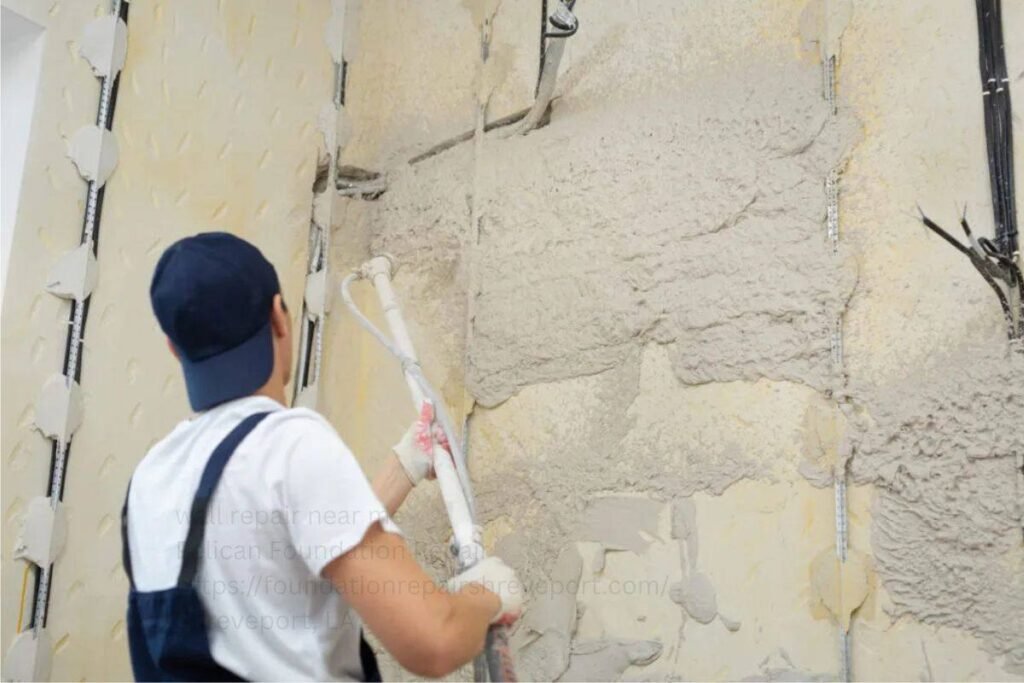
Sealants are the simplest method and the one most homeowners try first: waterproof masonry paint, hydraulic cement, and crystalline sealers coat the inside of the wall and block minor dampness wicking through the concrete.
What sealants do well
For a merely damp basement — white efflorescence, a musty smell, slight darkening after rain — a good waterproof coating makes a real difference. Clean the wall, fill cracks with hydraulic cement or epoxy, then roll on two coats of waterproof masonry paint. A careful DIY job costs $100 to $300 in materials; hiring a pro to prep and coat a full basement runs $1,500 to $3,500. A weekend project for a handy homeowner, a one-day job for a crew.
Their real limits
What the labels understate: sealants cannot hold back water under pressure. Active seepage through cracks or the floor joint will eventually push the coating off the wall — sometimes in sheets. Sealants also do nothing about water under the slab, where most Shreveport seepage originates. They are a dampness treatment, not a water-intrusion solution. If walls are wet to the touch after storms rather than just discolored, you need drainage, not paint.
Method 2: Interior Drain Tile (Interior French Drain)
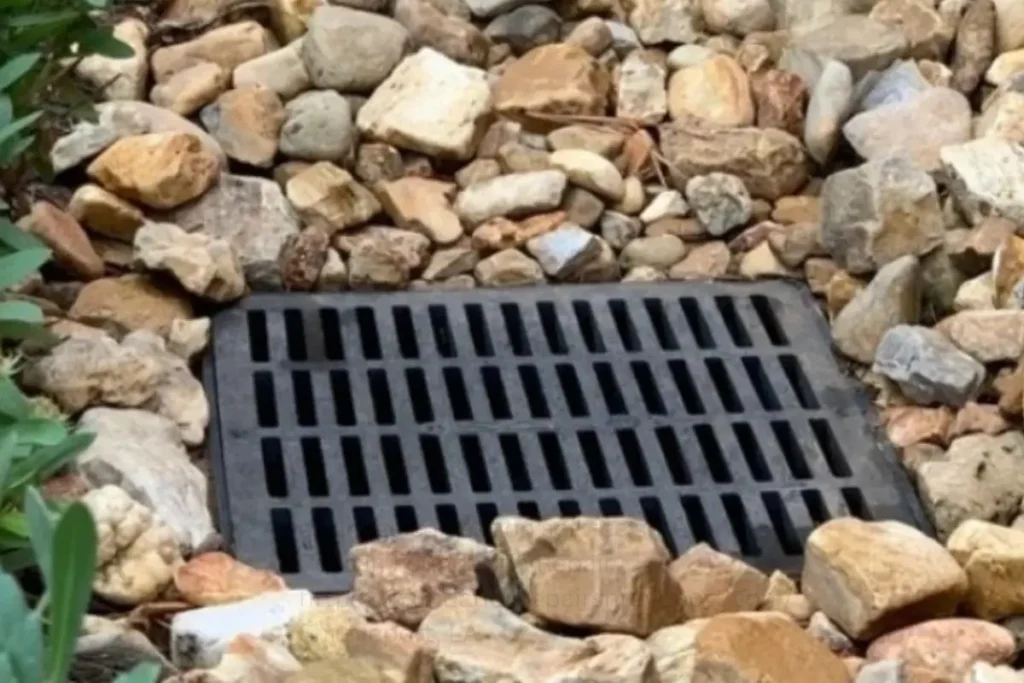
Interior drain tile is the backbone of serious interior waterproofing. The crew cuts a trench around the inside perimeter, lays perforated pipe in a gravel bed, and pours new concrete over it. Water that would have seeped through the floor joint now flows to a sump pit, where a pump sends it outside.
This is the method that relieves pressure under the slab. By giving water an easy path below the floor, the system fixes the classic Shreveport symptom of water bubbling up through the floor-wall joint after every storm. Installation takes 2 to 3 days for an average basement, and you can live in the house the whole time — noisy and dusty, but contained in the basement.
Interior drain tile in Shreveport typically runs $4,000 to $10,000 depending on basement size, concrete cutting, and whether a sump pump and pit are included or already exist. Beware cheap shortcuts: pipe without a gravel bed, or tile that dead-ends without a working sump, will clog with clay silt and fail within a few years. The USDA’s Web Soil Survey shows how fine the local clay is — your system needs proper gravel, filter fabric, and cleanouts.
Method 3: Sump Pump Paired With Interior Drainage
Drain tile without a sump pump is a gutter with no downspout. The pit collects everything the tile intercepts and a pump lifts it out through a discharge line. A proper system includes the pump, a check valve (so water cannot flow back), and a discharge line carrying water at least 10 feet from the foundation.
In Shreveport, the sump deserves a battery backup. The heaviest rains arrive with the thunderstorms that knock out power, and a pump that goes silent during an outage is the most common way a “waterproofed” basement floods. Backup adds $800 to $1,800 and is money well spent. Size the pump to your water volume — a 1/3-horsepower submersible handles most homes — and use an airtight pit cover if radon is a concern.
Maintenance is not optional: test the pump twice a year, clean silt from the basin annually, and replace the backup battery every 3 to 5 years. The tile lasts decades; the pump needs attention, and catching a failing pump during a spring test beats discovering it during a storm.
Method 4: Wall Panels and Vapor Barriers
Wall panels and vapor barriers are the finishing layer. Rigid plastic panels or thick polyethylene sheeting fasten to the inside of the wall, directing seepage down behind the panel and into the drain tile — so the finished side stays dry even if the wall behind it is damp.
This method shines in finished or soon-to-be-finished basements: frame and drywall in front of the panels knowing minor seepage will never reach your living space. Panels also brighten a basement compared to bare concrete — a real plus for a future home office or playroom. Installed cost typically runs $2,000 to $5,000 for an average basement, on top of the drainage work underneath.
One caution: panels and vapor barriers hide the wall. If the wall is structurally suspect — bowing, cracking horizontally, displacing — covering it up without addressing the structure is a mistake. Inspect first, cover second. Panels manage water; they do not repair walls.
The Honest Limits of Interior-Only Waterproofing
Here is what interior methods cannot do, stated plainly. They do not stop water from reaching your foundation; they intercept it on the way in. They do not relieve the lateral pressure of saturated clay against the outside of the wall. They do not fix cracks growing from foundation settlement. And they do not replace exterior drainage — gutters, grading, downspout extensions — which keeps thousands of gallons of roof water away from the walls.
The best interior jobs start outside: clean gutters, downspouts discharging at least 6 feet from the house, and soil graded away from the foundation. Those three fixes cost little and cut the water load on any interior system dramatically. Our guide to foundation waterproofing methods for Shreveport shows how interior and exterior approaches combine into one plan.
The rule of thumb: if the problem is water coming in, interior methods solve it. If the wall itself is moving or failing, you need structural repair — piers, wall anchors, or carbon fiber reinforcement — before or alongside the waterproofing. A free inspection from Pelican Foundation Repair tells you which problem you have.
DIY vs. Hiring a Pro: Cost Ranges in Shreveport
Some interior waterproofing is fair game for a handy homeowner; some is not. This table keeps it honest:
| Method | DIY Cost | Pro Cost in Shreveport | Best For |
|---|---|---|---|
| Crack filling + waterproof paint | $100–$300 | $1,500–$3,500 | Damp walls, minor seepage, no standing water |
| Sump pump replacement | $250–$600 | $1,200–$2,500 | Existing pit, simple swap |
| Interior drain tile + sump | Not recommended DIY | $5,000–$12,000 | Recurring seepage, floor-joint water entry |
| Wall panels / vapor barrier | $500–$1,500 | $2,000–$5,000 | Finished basements, cosmetic moisture control |
| Dehumidifier | $250–$600 | $1,000–$2,500 installed | Humidity and musty smells after water is controlled |
The DIY line is real but narrow: coatings, crack fill, and a simple pump swap are weekend projects. Cutting a perimeter trench through your slab involves concrete saws, judgment about the footing, and a discharge plan — get it wrong and you have compromised your floor and still have water. Interior drain tile is pro work.
Start with diagnosis, not products. Water stains tell a story about entry points, and a free inspection reads it for you — whether the fix is a $200 bucket of paint or a drainage system. Pelican Foundation Repair’s basement waterproofing team works in Shreveport homes Monday through Saturday, 8:00 AM to 6:00 PM, and every inspection comes with written findings.
Frequently Asked Questions
Can you really waterproof a basement wall from the inside?
Yes, for water entry problems. Interior drain tile with a sump pump is a proven method that manages seepage and relieves pressure under the slab. But bowing or displaced walls need structural repair first.
Is interior or exterior waterproofing better?
Exterior waterproofing stops water before it reaches the wall but requires excavation and costs two to three times more. Interior systems manage arriving water and suit most seepage problems. Many Shreveport homes do best with interior drainage plus grading and gutter fixes.
How much does it cost to waterproof a basement wall from the inside in Shreveport?
Sealants run $100 to $300 DIY or $1,500 to $3,500 professionally. Interior drain tile with a sump pump runs $5,000 to $12,000; wall panels add $2,000 to $5,000. A free inspection narrows the range for your basement.
Will waterproof paint stop my basement from leaking?
Only for minor dampness. Waterproof paint cannot hold back water under pressure — active seepage will push the coating off the wall. For real water entry, you need drainage, not paint.
How long does interior drain tile installation take?
Most jobs take 2 to 3 days: trench and pipe, sump and concrete, then cleanup and testing. You can stay in the house throughout.
Does interior waterproofing work in clay soil?
Yes — clay holds water against the foundation, and interior tile gives it an escape route. The system must be built for clay: gravel beds, filter fabric, and cleanouts so silt cannot clog the pipe.
Will a vapor barrier stop mold in my basement?
A vapor barrier controls wall moisture, removing mold’s water supply — but existing mold needs remediation and airborne humidity needs a dehumidifier. Barriers are one layer of a moisture plan, not the whole plan.
Pelican Foundation Repair
6118 Fairfield Ave, Shreveport, LA 71106, USA
318-585-2003
https://foundationrepairshreveport.com/