Manufactured Home Foundation Repair in Louisiana: Piers, Tie-Downs, and Warning Signs
Manufactured homes sit on piers and tie-downs, not a poured slab, so their warning signs and repairs work differently. Here is what to watch for in Louisiana.
A manufactured home foundation is a set of concrete block piers and steel tie-down anchors that hold the home level and keep it from shifting in wind or wet soil. It is not a slab or a basement, so repairs usually mean resetting piers, replacing anchors, and re-leveling the home, and that work should follow HUD permanent foundation standards.
If you live in a manufactured home around Shreveport, Bossier City, or anywhere in Caddo or Bossier Parish, this guide is for you. It covers how these foundations work, the warning signs to watch for, what HUD expects from a permanent foundation, and when to call a specialist. It also says plainly where Pelican fits and where it does not.
How a Manufactured Home Foundation Is Different
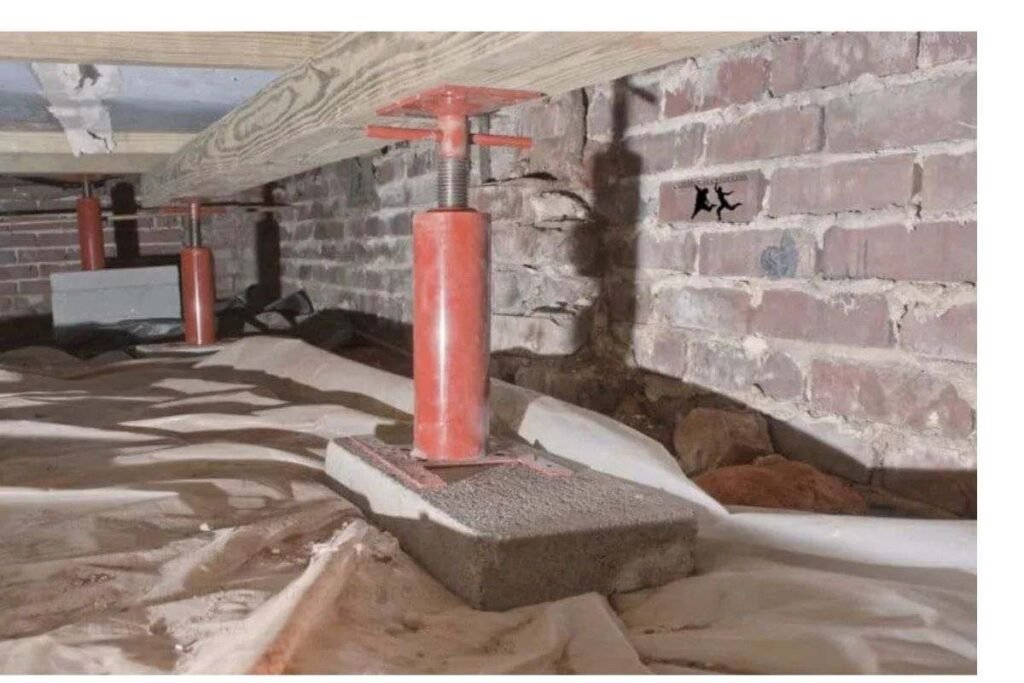
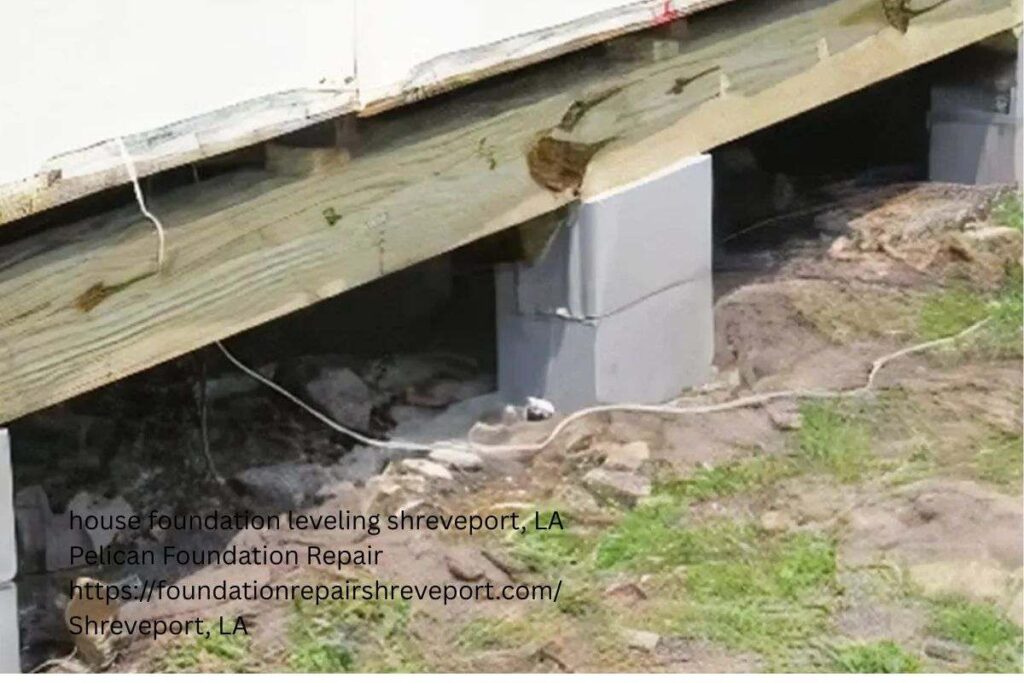
A manufactured home arrives on wheels, built in a factory and set on a steel chassis. That chassis stays under the home for its whole life, and the home rests on it rather than on a concrete slab or a basement wall. Under the chassis sit concrete block piers, spaced along the frame, and steel straps called tie-downs run from the frame to anchors buried in the ground. The piers carry the weight. The tie-downs hold the home steady when wind pushes on it. The pieces sound like the ones under a site-built house in Shreveport, but the way they work together is not the same, and that is where most confusion starts.
Louisiana makes the difference bigger. Our ground is mostly expansive clay, the same shrink-swell soil that moves site-built foundations around Shreveport and Bossier City. When heavy rain soaks the clay, it swells and pushes up. When a dry stretch follows, it shrinks and drops away. A manufactured home on block piers feels that movement fast, because the piers sit close to the surface and the home is light. Add Gulf humidity and summer storms, and the ground under a manufactured home rarely stays still for long. That is why a home that was level when it was set can be out of level a few years later, even when nothing looks broken from the street.
The other difference is paperwork. A manufactured home on a simple pier setup is usually treated as personal property, more like a vehicle than a house, which affects loans, insurance, and resale. A home on a permanent foundation that meets HUD standards can be treated as real property instead, which opens up standard mortgage options. That is why a buyer, a lender, or an appraiser may ask whether the foundation under a manufactured home is permanent or not. The answer is not a guess. It comes from an engineer or architect who inspects the setup and signs a certification.
The Parts Under the Home: Piers, Tie-Downs, and Skirting
Crawl under a manufactured home and you will see a simple system, and simple does not mean weak. Each part has one job, and when one part fails, the others show the strain. Knowing the parts by name helps you talk to a specialist and spot trouble early.
- Concrete block piers: stacks of blocks on concrete footings, placed under the steel frame at set intervals. They carry the full weight of the home.
- Tie-downs and ground anchors: steel straps that connect the frame to anchors set into the soil. They resist wind lift and sideways movement.
- Steel frame and chassis: the permanent frame the home was built on. It spreads the load across the piers.
- Skirting: the panels around the base of the home. They keep out weather, animals, and debris, and they hide the piers from view.
- Vapor barrier and ventilation: a ground cover under the home and vents in the skirting that let moisture escape.
The weak point is usually the ground, not the steel. A pier set on soft or wet clay can sink a little at a time, and one pier sinking more than the rest puts a twist in the frame. An anchor can rust in our damp soil, and a strap can loosen after years of wind and rain. Skirting can trap moisture if the vents are blocked, and damp air under the floor feeds mold and softens wood. The system is not bad. It just needs a look now and then, the same way any foundation does. The process is different from repairing a site-built pier-and-beam foundation, which we explain in our post on how to repair a pier-and-beam foundation.
Warning Signs Your Manufactured Home Foundation Needs Attention
Most manufactured home foundation trouble shows up inside the house first. The floor is the best early warning tool you have. Walk slowly across each room and feel for slopes, soft spots, or a bounce. Stand in a doorway and look at the gap around the door. If a door that used to close fine now sticks or swings open on its own, the frame may have moved. Check the walls where they meet the ceiling, and the corners of windows, for new cracks.
| Warning sign | What it may mean | What to do |
|---|---|---|
| Uneven or bouncy floors | One or more piers have settled | Have the piers and level checked |
| Doors sticking or swinging | Frame has twisted slightly | Check the level before planing a door |
| Cracks above windows and doors | Frame movement or pier settlement | Note the date and watch for growth |
| Gaps in skirting or skirting pulling away | Piers sinking or soil shifting | Inspect the piers and anchors |
| Water pooling under the home | Poor drainage or low ground | Improve grading and drainage |
| Rust or loose tie-down straps | Anchor corrosion or strap wear | Have the anchors tested by a specialist |
A single small crack is not a reason to panic, and a sticking door can come from humidity alone in a Louisiana summer. The pattern is what matters. One sign by itself may mean very little. Two or three signs at once, or one sign that keeps getting worse over a few months, is worth a closer look. Take dated photos and write down what you see. That record helps a specialist give you a straight answer, and it helps if you ever sell the home.
What HUD Permanent Foundation Standards Actually Require
HUD, the U.S. Department of Housing and Urban Development, publishes the Permanent Foundations Guide for Manufactured Housing, known as HUD-4930.3G. It sets out how a permanent foundation under a manufactured home should be designed, built, and checked. It covers the site, the soil, the loads, the piers and footings, the anchoring, and the final inspection. The guide is the standard lenders point to when they ask whether a manufactured home foundation counts as permanent. You can read the guide on the HUD guidebooks page, where it is listed alongside the other HUD handbooks.
A permanent foundation is not just sturdier piers. Under the HUD guide, the home must be attached so it cannot shift or lift, the foundation must carry the home’s weight and local wind loads, and the site must drain water away from the home. A licensed professional engineer or a registered architect must inspect the finished setup and sign a certification saying it meets the guide. That certification is the paper a lender wants to see, and without it, a standard FHA loan usually is not available for the home. HUD’s own summary of manufactured home foundation compliance spells out that requirement.
Louisiana adds its own layer. Parishes and cities set their own permit and installation rules, and a manufactured home set up in Caddo or Bossier Parish still needs to meet local codes on top of the HUD standard. Flood zones matter too. Much of the land around Shreveport sits low, and a home in or near a flood zone faces extra rules about elevation and anchoring. Check with the parish permit office and the lender first, so the repair you pay for is the repair the paperwork needs. A failed certification can stall a sale, as our post on foundation repair and home resale explains.
What Repairs Usually Involve, and What They Cost
A repair usually starts with a level check. A specialist sets a water level or a laser level and measures how far each corner and pier sits from level. Then the crew checks each pier for cracks, leaning, or sinking, and each anchor for rust or slack. The repair itself is often straightforward: the home is lifted slightly with jacks, a settled pier is rebuilt or re-shimmed, a bad anchor is replaced, and the home is set back down level. Heavier cases may call for added piers, new footings, or drainage work so water stops pooling under the home.
- Level survey and pier-by-pier inspection
- Jacking the home slightly to take the load off
- Rebuilding or re-shimming settled piers
- Replacing rusted anchors and loose tie-down straps
- Re-leveling, then rechecking doors and floors
Cost varies a lot, and any honest answer is a range. A simple re-level and a few pier adjustments can run into the hundreds of dollars, while a full pier rebuild with new anchors and drainage work can run into the thousands. The number depends on how many piers have settled, how far out of level the home is, whether anchors need replacing, and how easy the work area is to reach. Get the scope in writing before work starts, and be wary of any quote given without a look underneath the home. A second opinion is cheap insurance when the price is high.
When to Call a Specialist or an Engineer
Some jobs belong to a specialist who works on manufactured homes every day. The tools, the HUD standard, and the certification process are specific to these homes, and a crew that only works on site-built houses may not know them. Call a manufactured home foundation specialist when you see several warning signs at once, when the home is clearly out of level, when anchors are rusted or missing, or when a lender asks for a HUD foundation certification. An engineer is the right call when the certification itself is needed, since only a licensed engineer or registered architect can sign it.
Pelican Foundation Repair works on site-built homes. Our crews handle pier-and-beam repair and house leveling for site-built homes in Shreveport and Bossier City, and we offer expert inspections for those homes, with a 20-year structural warranty on qualifying repairs. We do not repair manufactured home foundations or sign HUD certifications. If you own a manufactured home, a HUD-standards specialist is the right call. If you own a site-built home and are not sure which kind of foundation you have, a expert inspection can settle the question.
When you call any specialist, ask three questions first: how many manufactured home foundations have you worked on, will the work follow the HUD Permanent Foundations Guide, and will you put the scope and price in writing. Plain answers to all three are a good sign. Our post on what to ask about foundation repair warranties makes the same point: get the terms in writing before the work starts.
Frequently Asked Questions
Can a manufactured home foundation be repaired?
Yes, in most cases. Settled piers can be rebuilt or re-shimmed, rusted anchors and loose tie-downs can be replaced, and the home can be re-leveled. The right fix depends on how far the home has moved, so a level survey comes first.
How do I know if my manufactured home needs re-leveling?
Watch for uneven or bouncy floors, doors that stick or swing on their own, cracks above windows and doors, and skirting pulling away from the home. One sign alone may mean little, but two or three together point to a level check.
What does HUD require for a manufactured home foundation?
HUD’s Permanent Foundations Guide, HUD-4930.3G, sets the standard: proper piers and footings, anchoring that resists wind lift, drainage away from the home, and a certification signed by a licensed engineer or registered architect.
How much does manufactured home foundation repair cost in Louisiana?
It varies widely. A simple re-level with a few pier adjustments can cost in the hundreds of dollars, while a full pier rebuild with new anchors and drainage work can run into the thousands. Get the scope and price in writing after an inspection.
Can I get an FHA loan on a manufactured home without a permanent foundation?
Usually not. An FHA loan normally requires a permanent foundation that meets the HUD guide, with an engineer or architect certification to prove it. Without that paper, most lenders will not approve the loan.
Do tie-downs really matter if my home has never moved?
Yes. Tie-downs and anchors are what keep a manufactured home from lifting or shifting in high wind, and Louisiana storms test them regularly. An anchor can rust quietly for years, so a strap that looks fine may already be weak.
Does Pelican Foundation Repair work on manufactured homes?
No. Pelican works on site-built homes, including pier-and-beam repair and house leveling, and offers expert inspections for those homes. Manufactured homes need a HUD-standards specialist, and an engineer for the certification.
Pelican Foundation Repair
6118 Fairfield Ave, Shreveport, LA 71106, USA
318-585-2003
https://foundationrepairshreveport.com/