 Skip to main content

Pier and Beam Foundation Inspection: What Inspectors Check
A pier and beam inspection checks piers, shims, sill plates, girders, joists, moisture, and drainage. Here is the checklist inspectors use, what each finding means, and reading the report.
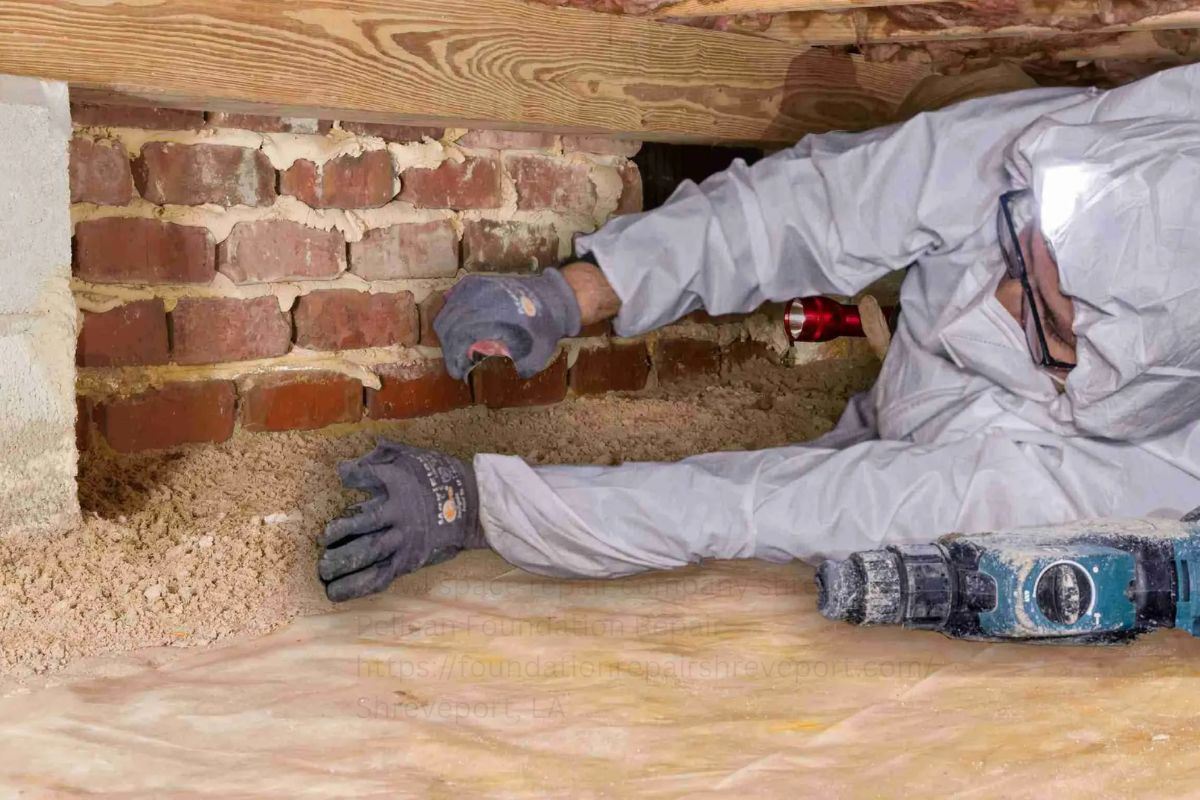
A pier and beam foundation inspection looks at every part holding your house up: the piers, the shims and sill plates sitting on them, the girders and joists spanning between, plus moisture, ventilation, and drainage underneath. The inspector then grades each finding so you know what needs repair now, what to watch, and what is fine.
Why Pier and Beam Homes Need Their Own Inspection Approach
A big share of older Shreveport homes — the bungalows in Highland, the cottages in Cedar Grove and Queensborough, the raised houses near Cross Lake — sit on pier and beam foundations. Unlike a slab, where everything is buried in concrete, a pier and beam foundation is visible and checkable. An inspector can crawl the whole footprint and put eyes on nearly every structural member. That is the good news: problems get found early. The catch is that our Louisiana climate is rough on exactly these parts. Humid air, standing water after spring storms, and subterranean termites all attack wood and concrete piers from below, so what looks fine from the front porch can be a different story underneath. A proper inspection reads the whole system the way it actually works, member by member.
If you are new to how these foundations are put together, our explainer on how pier and beam foundations work gives you the vocabulary — piers, girders, sill plates, joists — that the rest of this checklist uses.
The Structural Checklist: Piers, Shims, Sills, Girders, Joists
This is the heart of the inspection. The inspector moves bay by bay under the house, checking each component in the load path — the route your home’s weight travels from the roof down to the soil. Here is what gets checked and what counts as a problem:
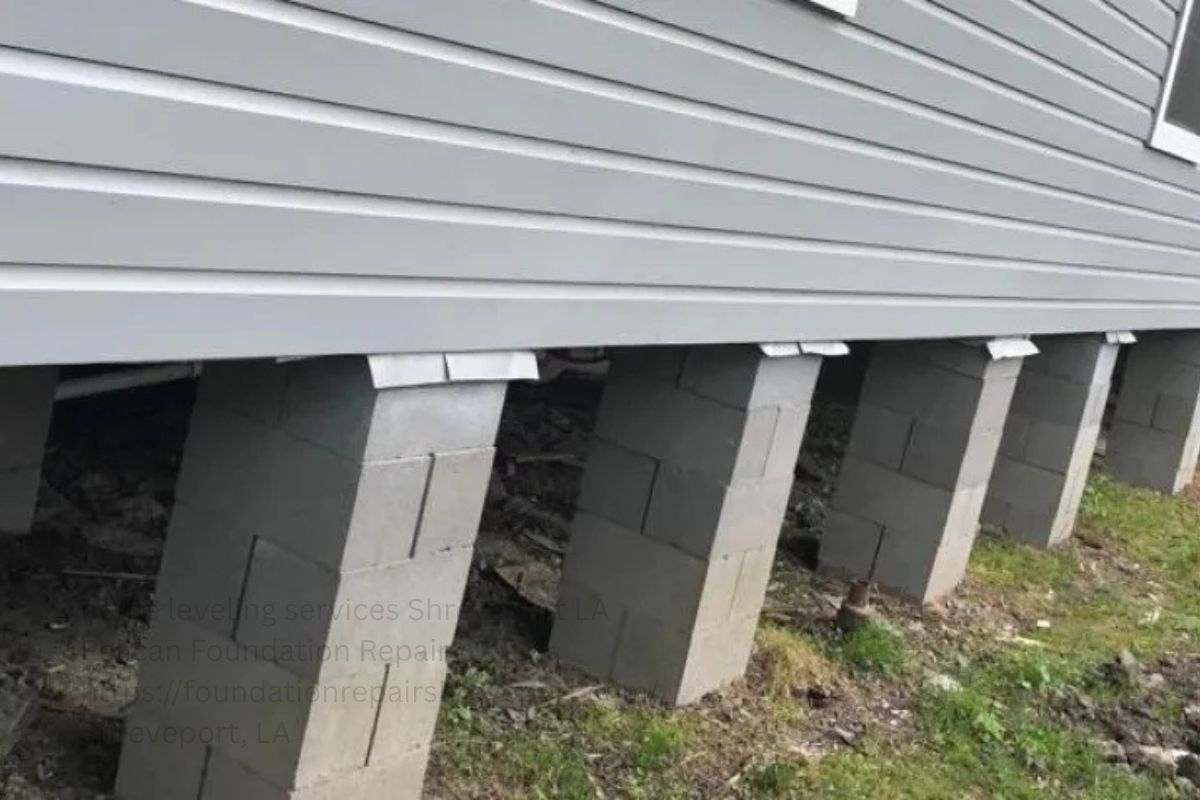
- Concrete or block piers: looking for cracking, crumbling, leaning, or piers that have sunk into soft soil. A pier that leans or has settled even an inch changes how the beam above it carries load.
- Wood posts: in older homes, some piers are wood posts on concrete pads. The inspector probes for rot at the base and checks whether the post is still plumb and solid.
- Shims: those thin wedges between pier tops and beams. Stacked, loose, or rotted shims are one of the most common findings — they crush, shift, and let beams drop.
- Sill plates: the treated lumber sitting directly on the piers. The inspector probes for rot and termite damage, since the sill is the first wood in the load path and the most exposed to moisture.
- Girders and beams: the big horizontal members carrying the floor. Checked for sagging between piers, splitting, notching from old plumbing work, and rot where they meet damp piers.
- Floor joists: probed for rot and insect damage, checked for sistering (extra joists nailed alongside damaged ones — a sign of past trouble), and measured for sag with a level or string line.
- Subfloor: the plywood or boards under your feet. Soft spots, water staining, and delamination point to leaks above or moisture rising from below.
- Floor elevation readings: taken across the whole footprint with a zip level or laser. The pattern of high and low spots tells the inspector whether settlement is uniform, localized, or active.
Each finding gets noted with its location — “third pier from the northeast corner” language — so a repair plan can target the actual problem instead of guessing. When repairs are needed, our pier and beam foundation repair services cover everything from shim replacement to full pier installation.
Moisture, Ventilation, and Drainage: The Silent Killers
Structure is only half the inspection. The other half is the environment under the house, because moisture is what destroys piers and beams in northwest Louisiana. The inspector checks:
- Standing water and wet soil: any puddles, muddy areas, or water lines on the piers mean drainage is failing. In 71108 and 71109 neighborhoods with flat lots, this is extremely common after our spring storm season.
- Vapor barrier condition: a torn, displaced, or missing ground cover lets soil moisture rise straight into the wood above.
- Ventilation: blocked, painted-shut, or missing vents trap humid air. But in our Gulf humidity, vents alone often cannot keep up — which is why inspectors note humidity levels, not just vent counts.
- Plumbing leaks: drips from drain lines and supply pipes are found constantly during inspections. A slow leak can rot a girder over a couple of seasons.
- Grading and gutters outside: the inspector walks the perimeter checking whether soil slopes away from the house and whether downspouts dump water at the foundation or carry it away.
- Termite and pest evidence: mud tubes on piers, frass (insect droppings), chewed wood, and animal nesting. Damp wood and termites go together in Louisiana like nowhere else.
Moisture findings matter because they decide the repair plan. Replacing rotted sills without fixing the drainage that rotted them is a repair with a built-in expiration date. For the hands-on side of fixing what an inspection finds, see our walkthrough of how to repair a pier and beam foundation.
How to Read Your Inspection Report
A good report does not just list problems — it ranks them. Most inspectors grade findings so you know what is urgent, what can wait, and what is simply worth watching. Here is how to translate the typical categories:
| Report Language | What It Means | What To Do |
|---|---|---|
| Repair recommended / deficient | A component is failing or has failed — rotted sill, collapsed pier, severely sagging girder | Get a written repair scope and price; this is the priority list |
| Monitor / marginal | Showing wear but still working — minor shim compression, early surface rot | Fix the moisture around it now; recheck at the next inspection |
| Satisfactory / serviceable | Doing its job with normal aging | Nothing to do; keep up drainage and ventilation |
| Further evaluation | Something the inspector could not fully assess — hidden areas, suspected active settlement | Follow up as directed, sometimes with an engineer |
Pay special attention to the elevation map if your report includes one. A floor that slopes steadily in one direction usually points to settlement on that side. A floor with dips in the middle of rooms often means interior piers or girders are failing rather than the perimeter. And fresh, sharp cracks in drywall paired with new elevation changes suggest movement is active — that moves the job from “plan it” to “schedule it.” The InterNACHI standards of practice describe what a thorough structural inspection should cover, which is a useful yardstick if you are comparing inspection offers.
When an Inspection Turns Into a Repair Plan
Not every finding means a big project. Replacing crushed shims, sistering a rotted joist section, or regrading one side of the house are routine fixes. The inspection turns into a real repair plan when the report shows pattern problems: multiple settled piers in one area, widespread sill rot, girders sagging across several bays, or elevation changes that keep growing between inspections. At that point the fix usually combines structural work — new piers, beam replacement, re-shimming — with the moisture and drainage corrections that caused it. Qualifying structural repairs from Pelican carry a 20-year structural warranty, so ask what warranty backs any repair plan you are shown.
One more thing the report should give you: a maintenance list. Keep gutters clean, keep soil sloped away from the piers, fix plumbing drips fast, and do not let anyone stack firewood or mulch against the foundation. In our climate, the homes that stay sound are the ones whose owners treat drainage as an ongoing chore, not a one-time project. Browse our foundation repair services, or start from the Pelican Foundation Repair homepage to plan your next step. The LSU AgCenter offers Louisiana homeowner guidance on managing moisture around foundations that pairs well with whatever your inspection finds.
Frequently Asked Questions
How much does a pier and beam foundation inspection cost?
Many foundation companies in Shreveport, including Pelican Foundation Repair, offer inspections free of charge. An independent structural engineer’s inspection typically costs a few hundred dollars. The free contractor inspection is usually enough when you already suspect a problem and want a repair plan. Pay for an engineer when you need an unbiased opinion — like a real estate transaction or conflicting contractor recommendations.
How long does a pier and beam inspection take?
Plan on one to two hours for an average home. The inspector needs time to crawl the full footprint, probe wood members, take elevation readings in every room, and walk the exterior drainage. Bigger homes, tight crawl spaces, or heavy findings take longer. If someone claims to inspect your foundation in twenty minutes from the doorway, they did not inspect it.
Do I need to be home during the inspection?
It helps a lot. You can point out the cracks, sticking doors, and sloping spots you have noticed, and the inspector can show you findings in real time instead of you decoding a report later. At minimum, make sure the inspector has access to the crawl space entry, every room, and the exterior perimeter. Pets secured and the access panel cleared saves everyone time.
What is the most common problem found in Shreveport pier and beam inspections?
Moisture damage, by a wide margin. Rotted sill plates, crushed or rotted shims, and decayed girder ends show up constantly, and they almost always trace back to poor drainage, plumbing leaks, or trapped humid air. Termite damage runs a close second in our area. Pure structural settlement without any moisture involved is actually the less common finding here.
Can an inspector tell if my foundation is still moving?
Sometimes. Fresh cracks with clean edges, doors that started sticking recently, and elevation readings that changed since a prior inspection all point to active movement. A single inspection is a snapshot, though — it shows where things stand today, not the speed of change. If active movement is suspected, the inspector may recommend monitoring with repeat elevation readings a few months apart.
Should I get an inspection before buying an older pier and beam home?
Absolutely. Older pier and beam homes in neighborhoods like Highland and Cedar Grove can hide decades of moisture damage under fresh paint and new flooring. A pre-purchase inspection tells you whether you are buying a sound house or a repair project, and the report gives you real leverage in negotiations. It is the cheapest insurance you will ever buy on a home purchase.
How often should I have my pier and beam foundation inspected?
Every two to three years for most homes, and every year if you have had repairs, live in a low-lying area, or know your drainage is marginal. Also schedule one after any major plumbing leak, after an unusually wet storm season, or the moment you notice new cracks, sloping floors, or doors that stop latching. Catching movement early is what keeps a small shim job from becoming a pier replacement project.
Pelican Foundation Repair
6118 Fairfield Ave, Shreveport, LA 71106, USA
318-585-2003
https://foundationrepairshreveport.com/