
Sill Plate Repair: Fixing the Wood That Sits on Your Foundation
A rotted or termite-damaged sill plate lets walls sag and floors slope. Sill plate repair replaces the damaged wood and restores solid contact with your foundation.
Sill plate repair means cutting out the rotted or damaged section of the wooden plate that sits on your foundation wall and replacing it with new pressure-treated lumber, while jacks hold the wall above. Most homes need only the bad section replaced, and the job usually takes one to three days.
The sill plate is easy to overlook because it hides where the wall meets the foundation, out of sight in the crawl space or behind the bottom row of siding. Yet it carries the full weight of the walls above it and ties the frame of the house to the foundation itself. When it rots or gets eaten, the wall above it loses its footing. Floors slope, doors stick, and cracks open in the drywall. Catch it early and the fix is a section of lumber. Leave it alone and the damage spreads into studs, joists, and flooring.
What a Sill Plate Is and Why It Matters
The sill plate, sometimes called the mudsill, is the first piece of wood in a house frame. It is a horizontal board, usually a 2×6 or 2×8, bolted flat on top of the foundation wall or on top of piers in a pier-and-beam home. Every wall stud stands on it. Floor joists often tie into it as well. Anchor bolts run from the foundation up through the plate, which is what keeps the house from sliding or lifting off its foundation in high wind.
Think of it as the handshake between two systems: the concrete or masonry below and the wood frame above. If that handshake is solid, loads travel straight down into the foundation and the walls stay plumb. If the plate is soft, crushed, or missing in places, the studs above it settle unevenly. That is when you see a floor that dips near an outside wall, a door frame that goes out of square, or a gap opening between the baseboard and the floor.
Older Shreveport homes often have sill plates that were never pressure-treated, because treatment was not standard practice when they were built. A pre-1970 pier-and-beam house in Highland or Queensborough may still sit on its original untreated plate, and in Louisiana humidity that wood has had decades to decay. Newer homes use treated lumber for the plate, which resists rot and insects far better, but even treated wood fails when it stays wet year after year.
How Sill Plates Fail in Louisiana Homes
Three forces do most of the damage, and in northwest Louisiana they usually work together.
Moisture and rot
Shreveport averages long, humid summers and heavy rain seasons, and crawl spaces here stay damp unless they are ventilated or sealed well. When water pools against the foundation, wicks up through porous masonry, or drips from a plumbing leak, the sill plate sits in wet conditions. Wood-decay fungi need only moisture, warmth, and wood to work, and a damp crawl space supplies all three for most of the year. Rot starts soft and quiet: the wood loses strength long before it looks destroyed, which is why a screwdriver test matters more than a glance.
Termites
Louisiana is home to both native subterranean termites and the more aggressive Formosan subterranean termite, and both reach the frame through the sill plate first, since it is the lowest wood in the house. Termites build mud tubes up the foundation wall and hollow the plate from the inside, leaving a thin shell that looks fine until it is pressed. The LSU AgCenter publishes termite identification and control guidance for Louisiana homeowners, and it is worth reading if you find mud tubes or papery, hollow-sounding wood. Termite damage and rot often appear in the same plate, because termites follow moisture-damaged wood first.
Settlement and crushing
Expansive clay soil around Shreveport swells when wet and shrinks when dry, and that movement works the foundation year after year. A plate that is already soft from moisture can crush under the wall load as the foundation shifts, and a crushed plate lets the wall drop a fraction of an inch at a time. Poor drainage makes all three causes worse: gutters that dump beside the house, soil graded toward the wall, and flower beds that hold water against the foundation all keep the plate wet.
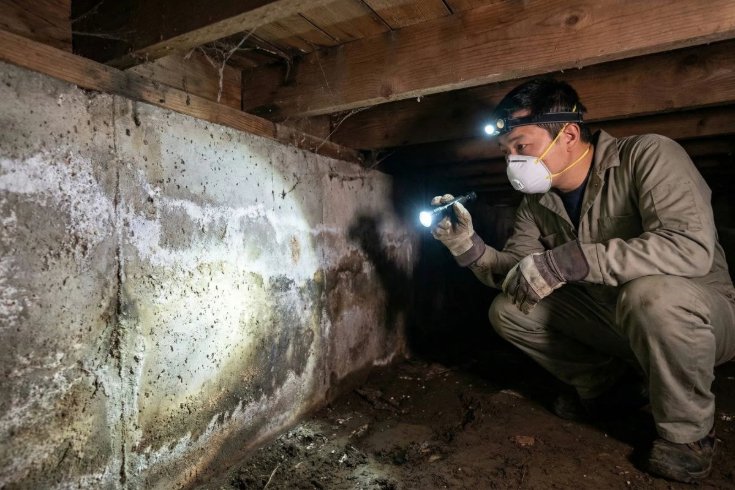
Signs Your Sill Plate Needs Attention
Sill plate trouble rarely announces itself with one dramatic symptom. It shows up as a cluster of small problems near the outside walls, and the pattern is what gives it away.
- Sloping floors near exterior walls: a floor that dips as you walk toward an outside wall, while the middle of the room feels level, points to the plate or the joists it supports.
- Doors and windows that stick: an exterior door that suddenly rubs its frame, or a window that will not latch, often means the wall above a damaged plate has shifted.
- Gaps at baseboards and trim: baseboards pulling away from the floor, or crown molding joints opening on an outside wall, track with wall movement.
- Cracks in drywall near corners: diagonal cracks running from the corners of doors and windows on exterior walls are a classic sign the wall has dropped slightly.
- Soft or hollow wood in the crawl space: a screwdriver that sinks easily into the plate, or wood that sounds hollow when tapped, means rot or termite damage, even if the outside of the house looks fine.
- Mud tubes on the foundation wall: pencil-width dirt tunnels running up the concrete are termite highways, and the plate is their first stop.
- Musty smell or visible mold near the floor line: persistent dampness at the bottom of an exterior wall often means the plate and the framing around it have been wet for a long time.
One sign alone may have another cause. Two or three together, especially on the same wall, are worth a look underneath. The guide to checking your own foundation walks through a safe homeowner inspection, and a free professional inspection can confirm how far any damage runs.
How Sill Plate Repair Actually Works
A sill plate repair follows a careful sequence, because the wall above the plate has to be held up while the damaged wood comes out. Skipping the support step is how a repair turns into a bigger problem.
Support the wall first
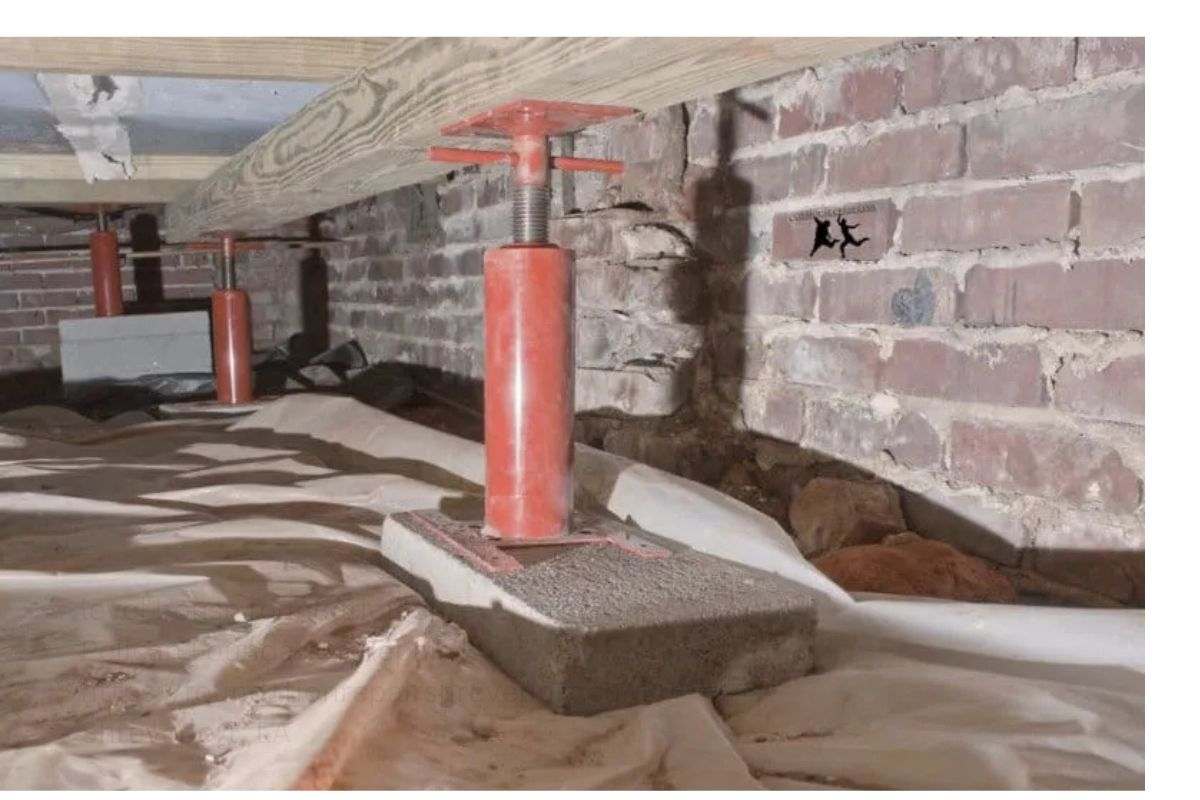
The crew builds temporary supports, usually adjustable steel jacks and beams, under the floor joists or wall framing near the damaged section. The load of the wall is transferred to the jacks, so the plate itself carries nothing while it is worked on. This is the step that separates a real repair from a patch: the wall must be held steady, not just propped casually.
Remove only what is bad
The damaged section is cut out, and the crew keeps cutting back until they reach solid, healthy wood. Stopping at the first good-looking inch is a mistake, because rot and termite galleries extend past the visible damage. The anchor bolts in the removed section are noted so new ones can be set. If joist ends or stud bottoms are also damaged, those get addressed in the same opening, since the wall is already supported.
Fit the new plate
A new pressure-treated plate is cut to length, drilled for anchor bolts, and set in place on the foundation. Joints are staggered so a splice never lands on a stud, and the new wood is sealed against the masonry. Where the foundation surface is uneven from settlement, the crew shims or levels the plate so the wall bears evenly along its full length. Then the jacks are lowered slowly, transferring the load back onto the new plate, and the temporary supports come out.
Fix the cause, not just the wood
New wood in the same wet conditions will rot again. A good repair ends with the cause addressed: grading moved away from the wall, gutters extended, a plumbing leak fixed, or a termite treatment scheduled. If the crawl space stays damp, encapsulation or drainage work may be part of the same conversation. Replacing the plate without fixing the water is a repair with a short life.
Repair Methods Compared
Not every damaged plate needs the same treatment. The right method depends on how much of the plate is bad, whether the damage is rot or insects, and how easy the section is to reach.
| Method | When it fits | What it involves | Disruption |
|---|---|---|---|
| Partial section replacement | Damage limited to one run of wall | Cut out the bad section, splice in new treated lumber | Low; work stays under the affected wall |
| Full-run replacement | Damage runs most of a wall or around corners | Replace the plate along the full wall in staged sections | Moderate; staged work over several days |
| Plate plus joist-end repair | Rot or termites reached the joist ends resting on the plate | New plate plus sistered or replaced joist ends | Moderate; flooring above may need access |
| Plate repair with pier adjustment | Pier-and-beam home where piers also settled | New plate combined with shimming or pier work to re-level | Higher; leveling work added to the wood repair |
Two repairs that look similar from the outside can differ a great deal in scope. A short run of rot under a kitchen window is a day of work. A plate that is gone along a whole wall, with joist ends soft and piers settled, is a structural project. That is why an inspection comes before a price: the number should reflect the damage found, not a guess. The rotted structural wood repair guide explains how crews handle damaged framing beyond the plate, and the pier-and-beam repair guide covers the pier side of the job for older Shreveport homes.
What Sill Plate Repair Costs and How Long It Takes
There is no single honest price for sill plate repair, because the scope is set by the length of damaged wood, the access, and what else is damaged. A short section under one wall with a tall, dry crawl space costs far less than a full wall where joist ends are also gone and the crew works in a tight, wet space. Pier adjustment, termite treatment, and drainage fixes are separate scopes with their own prices, and they should be quoted as separate lines so you can see what each part costs.
On timing, a straightforward section replacement usually takes one to three days. Full-run replacement or a job that adds joist-end work and leveling runs longer, and the schedule should allow for the cause to be fixed too: drainage work or a termite treatment booked in the same week beats a plate replaced on Monday and soaked again by the next storm. Ask any contractor for three things in writing before work starts: the length of plate to be replaced, the lumber and treatment specified, and whether the quote includes the cause of the damage or only the wood. Pelican offers a 20-year structural warranty on qualifying repairs, and a expert inspection is the right place to get those answers for your house.
Preventing the Next Sill Plate Problem
A new plate lasts when the conditions that killed the old one are gone. The prevention list is short, and most of it is maintenance any homeowner can handle.
- Keep water away from the wall: gutters clean, downspouts extended at least several feet from the house, and soil graded so water runs away from the foundation, not toward it.
- Watch the crawl space: check it after heavy rain. Standing water, wet insulation, or a musty smell means the plate is sitting in damp air again.
- Keep wood clear of soil: siding, mulch, and stored lumber should never touch the ground near the foundation, since soil contact invites both rot and termites.
- Keep a termite barrier in place: if your home has a termite treatment, keep it current and keep the annual inspection, since the plate is the first wood termites reach.
- Fix leaks fast: a slow plumbing drip inside an exterior wall can soak a plate for months before anyone notices. A water bill that creeps up for no reason is worth investigating.
- Re-check after big storms: Shreveport storm seasons test drainage. A quick walk around the house after a heavy rain catches a failed downspout or a new low spot before it becomes a wet plate.
Homes in the 71106, 71105, and 71104 ZIP codes, and across Bossier City and the surrounding parishes, share the same clay and the same humidity, so the same habits protect the plate wherever the house stands. The structural repair service page describes the full range of framing repairs Pelican handles, and Pelican Foundation Repair offers expert inspections for homeowners who suspect their sill plate, or any part of the frame, has been damaged.
Frequently Asked Questions About Sill Plate Repair
What is a sill plate on a house?
The sill plate is the horizontal wooden board bolted on top of the foundation wall that the wall studs stand on. It ties the wood frame of the house to the foundation and carries the weight of the walls above it.
Can a rotted sill plate be repaired, or must the whole house be lifted?
A rotted sill plate can usually be repaired in sections without lifting the whole house. The wall above the damaged section is temporarily supported with jacks, the bad wood is cut out, and new pressure-treated lumber is fitted in its place.
How do I know if my sill plate is rotted?
Signs include sloping floors near exterior walls, sticking doors and windows, gaps at baseboards, diagonal drywall cracks near corners, and soft or hollow-sounding wood in the crawl space. A screwdriver that sinks easily into the plate confirms rot.
Do termites damage sill plates?
Yes. The sill plate is the lowest wood in a house, so it is the first framing termites reach. They hollow the wood from the inside and leave mud tubes on the foundation wall. Termite treatment and wood repair are usually handled together.
How long does sill plate repair take?
A straightforward section replacement usually takes one to three days. Full-run replacement, or a job that also repairs joist ends or adjusts piers, takes longer. The inspection should set the schedule before work starts.
Will a repaired sill plate last?
A repaired plate lasts when the cause of the damage is fixed along with the wood. Drainage, grading, leaks, and termite protection decide the lifespan of the new plate more than the lumber itself.
When should I call an engineer about sill plate damage?
Call an engineer when the damage is extensive, when walls have dropped noticeably, when the foundation itself is cracked or moving, or when a repair plan involves re-leveling the house. A contractor inspection can tell you whether an engineer is needed for your home.
Pelican Foundation Repair
6118 Fairfield Ave, Shreveport, LA 71106, USA
318-585-2003
https://foundationrepairshreveport.com/