 Skip to main content

Spalling Concrete Foundation: Causes & Repair Options
Spalling concrete — the flaking surface on a foundation wall — starts cosmetic but lets water reach deeper. Here is what causes it, how to assess it, and how to fix it.
How do you repair a spalling concrete foundation? For shallow flaking, chip loose material, clean and dampen it, apply polymer-modified repair mortar, then seal. Deeper spalling with exposed rebar needs the rust treated before patching. Widespread or recurring spalling means a moisture problem that must be fixed first, or the repair fails again.
Walk around enough Shreveport foundations and you will see it: patches of concrete wall where the surface has flaked away like old paint, sometimes in thin scales, sometimes in chunks deep enough to show rusty metal underneath. That is spalling, and it is one of the most misunderstood kinds of concrete damage — homeowners either panic, assuming the wall is crumbling, or ignore it for years because “it is just the surface.”
The truth sits in the middle: spalling starts at the surface, but the surface is the concrete’s armor — once gone, water, salts, and air reach the steel inside. In northwest Louisiana’s wet climate, that path gets used. This guide covers what spalling looks like, its four main causes, how to grade yours, and the repair for each stage.
What Spalling Looks Like (and What It Is Not)
Spalling is the flaking, chipping, or peeling of a concrete surface. It usually shows up as thin, plate-like scales popping off the wall — sometimes called delamination — or as deeper pits and craters where larger chunks have broken away. On foundation walls you will find it most often near the bottom of the wall where splash-back and soil contact keep things wet, around the water line in damp crawl spaces, and anywhere water regularly runs down the face of the wall.
What spalling is not: it is not the same as cracking, though the two often travel together. A crack is a break through the concrete; spalling is the surface coming off. It is also not efflorescence — that white mineral crust is a symptom of water moving through concrete, not a repair target. Getting the diagnosis right matters, because each problem has its own fix.
The Four Main Causes of Spalling
Spalling always has a cause, and finding it is half the repair. In the Shreveport area, four culprits account for nearly all of it:
- Freeze-thaw cycles. Yes, even in Louisiana. Shreveport averages a handful of hard freezes most winters, and it only takes a few — water trapped in concrete pores expands about nine percent when it freezes, popping the surface off from the inside. Walls that stay wet going into a cold snap spall first. The National Weather Service in Shreveport tracks our freeze events, and every one is a spalling opportunity for saturated concrete.
- Corroding reinforcement. When water and air reach the steel rebar inside a wall, the steel rusts — and rust takes up several times the volume of the original steel. That expansion pushes the concrete cover off from within, which is why rebar-driven spalling often shows rust staining first and deeper chunks second. Once you can see the bar, you are past cosmetic.
- Salts and deicing chemicals. Fertilizers piled against the foundation, salt-heavy soils, and the occasional ice-melt tossed on steps near the wall all feed salt into concrete. Salt crystallizes in the pores as water evaporates, and the crystal growth pries the surface apart — the same mechanism as freeze-thaw, running year-round.
- Poor original concrete or placement. Some walls were set up to spall from day one: too much water in the mix, inadequate curing in a hot Louisiana summer pour, or poor consolidation leaving honeycombed pockets. These walls can look fine for years, then start shedding surface once decades of moisture cycles find the weak spots. Age alone does not cause spalling — age plus water does.
The common thread is water. Every cause on this list either is water or needs water to operate, which is why the repair section below keeps coming back to moisture control. The American Concrete Institute publishes the repair standards for each of these mechanisms, and any lasting fix follows them.
How to Assess How Bad Your Spalling Is
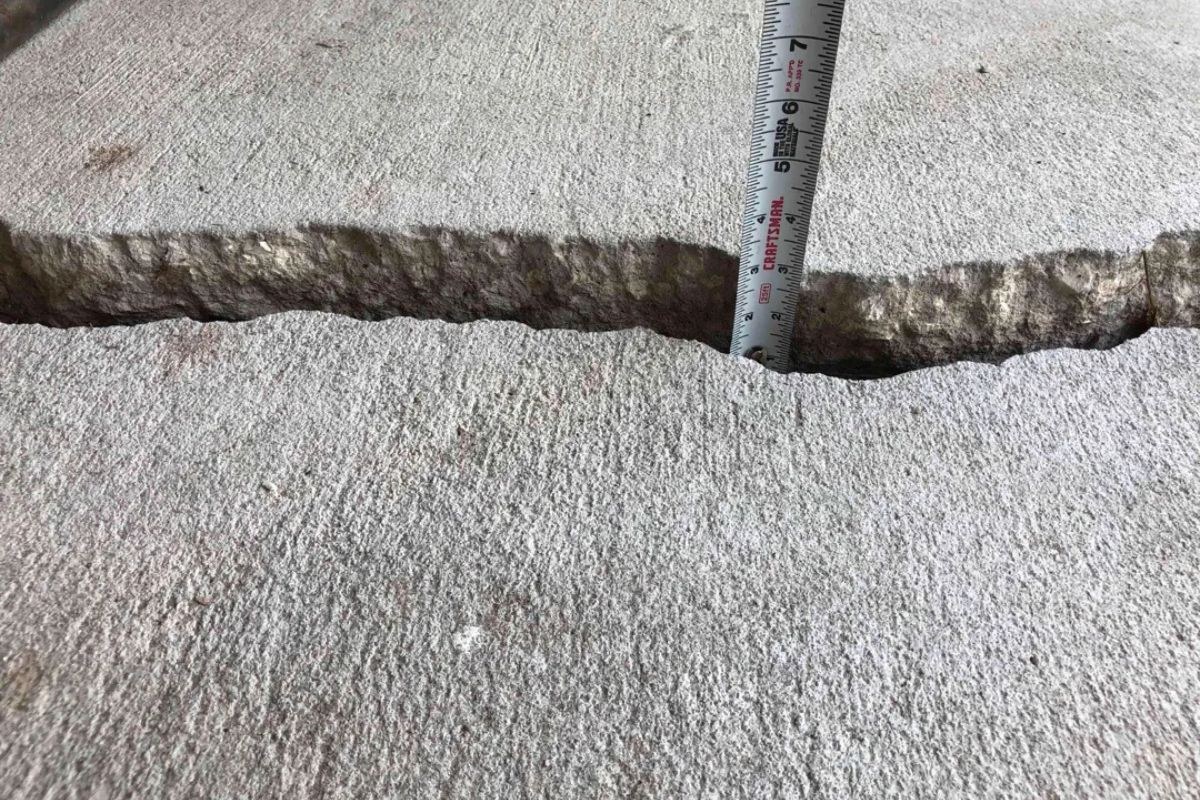
Before you pick a repair, grade the damage yourself in about twenty minutes with a screwdriver and a tape measure:
- Step 1 — Map it. Walk the full foundation and mark every spalled area. Is it one patch the size of a dinner plate, or is it running along twenty feet of wall? Widespread spalling points to a systemic moisture problem, not a bad batch of concrete.
- Step 2 — Test the depth. Press a screwdriver into the spalled area. If the damage is shallow — under a quarter inch — and the concrete underneath is hard and solid, you are likely looking at surface-level repair. If the tool sinks in or the concrete crumbles, the deterioration runs deeper.
- Step 3 — Check for steel. Can you see rebar or wire mesh? Is there rust staining running down the wall? Exposed, corroding reinforcement changes the repair completely — the rust has to be dealt with, not just covered up.
- Step 4 — Sound the surrounding concrete. Tap around the spalled area with a hammer. Solid concrete rings; delaminated concrete thuds hollow. Mark the hollow-sounding boundary — the repair area is always bigger than what you can see.
- Step 5 — Check for companions. Spalling plus stair-step cracking, bowing, or active water entry means the wall has more than a surface problem — get a professional look before patching.
If the damage is shallow, localized, and the wall is otherwise sound, you are a candidate for the DIY-friendly repairs below. If rebar is exposed and actively rusting across a wide area, or the spalling comes back within a year of patching, bring in a pro — our wall repair services cover spalled walls that turn out to be symptoms of bigger trouble. For isolated holes rather than surface flaking, see our guide on how to repair a hole in a concrete wall.
Repair Options, Matched to Severity
Match the repair to the damage. Too light a fix fails; too heavy wastes money:
| Damage Level | Repair Approach | Typical Cost Range |
|---|---|---|
| Shallow surface flaking, under 1/4 in., no steel exposed | Chip loose material, clean, apply polymer-modified repair mortar, seal | $300–$800 DIY-friendly |
| Deeper patches, still no exposed rebar | Form-and-pour or trowel-applied structural repair mortar in layers | $800–$2,500 |
| Exposed, corroding rebar | Clean or replace steel, apply corrosion inhibitor, rebuild cover with repair mortar | $1,500–$4,000 |
| Widespread spalling across large wall areas | Shotcrete or formed overlay resurfacing, plus drainage correction | $3,000–$8,000+ |
| Wall structurally compromised | Partial or full wall rebuild | $5,000–$15,000+ |
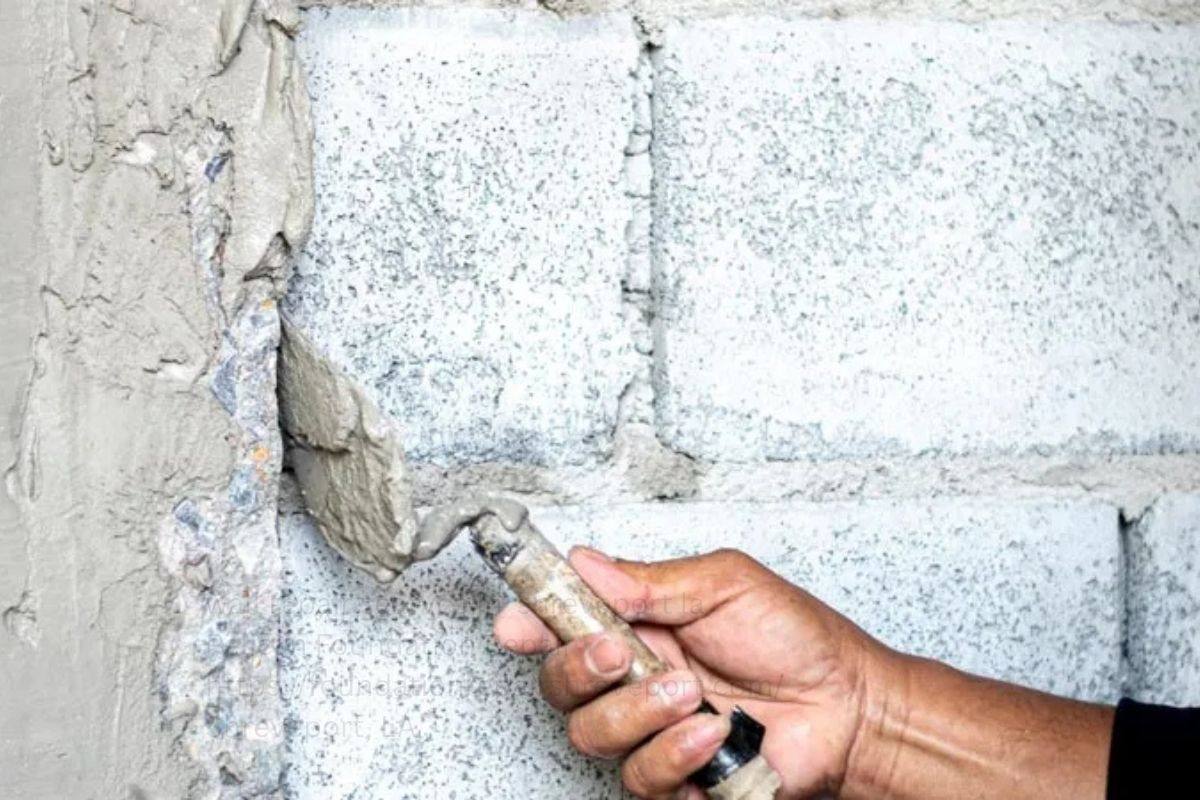
For the shallow repair — the one most homeowners can handle — chip back to sound concrete (the hammer-tap test defines your boundary), undercut the edges, clean out all dust, dampen the surface, and trowel in polymer-modified repair mortar, building deep areas in layers. Keep the patch damp for 24 to 48 hours while it cures, then apply a penetrating concrete sealer. The sealer is not optional in our climate; it is what keeps the next twenty wet springs from restarting the cycle.
For exposed rebar, the critical step is the steel, not the concrete. Wire-brush or grind the bar to bright metal, treat it with a corrosion-inhibiting primer, and only then rebuild the concrete cover — at least an inch and a half of cover over the steel, or you are scheduling the next spall. If the bar has lost significant cross-section to rust, get a structural evaluation: patching over weakened reinforcement is decoration. When spalling keeps returning despite proper repairs, stop patching and fix the moisture — grading, gutters, downspout discharge, or a drain system.
Preventing Spalling in Shreveport’s Climate
Shreveport gives concrete a rough ride: long wet springs that saturate every wall, blazing summers that bake them, and just enough winter freezes to punish any wall that went into December wet. Prevention is mostly water management with a few concrete-specific habits:
- Keep water off the wall face. Clean gutters, downspouts discharging at least several feet past the foundation, and soil sloping away from the house. This single habit prevents more spalling than any product.
- Seal repaired and vulnerable concrete. A penetrating silane or siloxane sealer lets the wall breathe while blocking liquid water — the right chemistry for our humidity. Reapply on the manufacturer’s schedule, typically every few years on exposed walls.
- Keep salts away from the foundation. Do not pile fertilizer or bagged deicer against the wall, and rinse down walls near driveways where ice-melt gets tossed in winter.
- Do not let soil sit above the original grade line. Raised flower beds trap moisture against the wall and hold it there through every wet spell — prime spalling territory along the bottom course.
- Fix small spalls early. A quarter-sized flake sealed this spring never becomes the dinner-plate crater you are pricing next year. Walk your foundation twice a year — spring and fall — and touch up what you find.
Neighborhoods near the Red River and Cross Lake, and low-lying streets in the 71118 and 71109 areas, deserve extra attention: higher water tables keep walls wetter longer, accelerating every spalling mechanism on this page. If your yard holds water for days after storms, drainage work is not optional maintenance — it is the spalling repair.
When Spalling Signals Something Structural
Most spalling is a durability problem, not a structural emergency. But a few combinations should change your timeline from “this season” to “this month.” Call a professional promptly if the spalling comes with stair-step cracking in the same wall section, if the wall is bowing or leaning even slightly, if chunks are falling from a wall that also leaks, or if you can see daylight through deteriorated areas. Those pairings suggest the wall is both deteriorating and moving, and patching without addressing the movement is money spent twice.
Similarly, spalling on a wall that was repaired within the last year or two and is already failing tells you the diagnosis was wrong, not the patching technique. Recurring spalling almost always traces to unmanaged water: hydrostatic pressure, a broken drain, or grading that funnels the yard toward the house. Our foundation repair services start with finding that water story, because the right repair depends on it. And if your walk-around turned up other warning signs, our guide to the signs of foundation settling in Shreveport helps you read the full picture.
When in doubt, get the free inspection. A professional can tell in one visit whether you are looking at a weekend patching project or a wall that needs structural help — and knowing which one saves you from doing the wrong job confidently. We are at Pelican Foundation Repair, 6118 Fairfield Ave, Monday through Saturday, 8:00 AM to 6:00 PM.
Frequently Asked Questions
What causes concrete foundation walls to spall?
Water, in one of four forms: freeze-thaw cycles, corroding rebar expanding inside the wall, salts crystallizing in the pores, or poor original concrete. Every cause needs moisture, so water control is part of every lasting fix.
How do you repair spalling concrete on a foundation?
For shallow spalling: chip to sound concrete, clean and dampen, apply polymer-modified repair mortar in layers, moist-cure 24 to 48 hours, then seal. Exposed rebar must be cleaned to bright metal and primed with corrosion inhibitor first.
Can I just paint over spalling concrete?
No — paint over a still-spalling surface fails within a season. Chip to solid concrete, patch properly, cure, then paint or seal. The prep is the repair; the coating is just the finish.
How do I know if spalling is structural?
Surface-only spalling over solid concrete is a durability issue. It turns structural with heavily corroded rebar, or when paired with cracking, bowing, leaning, or active leaking — that combination needs a professional assessment.
Will spalling come back after I patch it?
Not if the cause is fixed. Patches fail when water keeps reaching the repair — bad drainage, no sealer, salts left in place. Fix the moisture source alongside the patch and seal the finished repair.
Does spalling concrete need to be sealed?
Yes, especially in Shreveport’s wet climate. A penetrating silane or siloxane sealer blocks liquid water while letting vapor escape, keeping wet seasons from restarting the cycle on a fresh repair.
How much does it cost to repair spalling concrete?
Small DIY patches run $300 to $800 in materials. Professional repairs run $800 to $2,500 for deeper patches, $1,500 to $4,000 with rebar treatment, and $3,000 to $8,000-plus for widespread resurfacing.
Can freeze-thaw really damage concrete in Louisiana?
Yes. Shreveport sees several hard freezes most winters, and water in concrete pores expands about nine percent when it freezes. Saturated walls going into a cold snap are the ones that spall — it only takes a few cycles on a vulnerable wall.
Pelican Foundation Repair
6118 Fairfield Ave, Shreveport, LA 71106, USA
318-585-2003
https://foundationrepairshreveport.com/