Watering Your Foundation: Soil Moisture Programs That Prevent Settlement
Watering your foundation keeps the clay soil around your Shreveport home at steady moisture, so it shrinks less in dry spells and settles less under your slab.
A steady watering routine can help prevent settlement in expansive clay, but it cannot fix a foundation that has already sunk. Soaker hoses placed 12 to 18 inches from the house, run on a timer during dry weeks, keep soil moisture even around the foundation, which limits the shrink-swell movement that cracks slabs and opens gaps.
It sounds strange at first: water the dirt on purpose, to protect the house. Keeping water away from the foundation is still right, and water pooling against a wall is trouble. But Shreveport clay swells when wet and shrinks when dry, and the shrinking pulls support out from under a slab edge. A watering program keeps soil moisture steady, so the ground stops heaving and dropping with every dry spell and storm.
Why Shreveport Clay Moves When It Dries
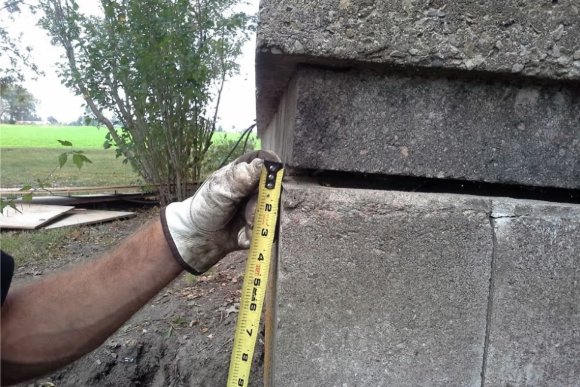
The soil under most of Shreveport is expansive clay, laid down across the Gulf Coastal Plain and along the Red River. Clay is made of tiny plate-like particles that grab water and hold it. When the soil is wet, the plates push apart and the ground swells. When the soil dries, the plates draw together and the ground shrinks, opening cracks in the soil itself that you can see in a dry yard. A foundation rides the cycle: the slab edge loses support as clay pulls away in a dry spell, then gets pushed back up when rains return. Over years of cycling, the movement adds up: cracks widen, floors slope, and doors start to stick.
Northwest Louisiana weather makes the cycle hard. Summers are long, hot, and humid, with dry stretches that bake the top soil. Springs and storm seasons bring heavy rain that can drop inches in a day. The swing from dry to soaked, sometimes within the same month, is the worst case for clay, because the soil never settles at one moisture level. Dry periods in recent years, including drought conditions across northern Louisiana tracked by drought.gov, have made the dry side of the cycle longer and deeper. Homes from Highland and South Highlands to Broadmoor, Ellerbe Road, and the neighborhoods around Cross Lake, in ZIP codes 71106, 71105, 71104, and 71108, all sit on the same active clay, and the same dry-summer gap along a slab edge shows up in all of them.
Trees add a local twist. A mature oak or pine drinks a great deal of water every day in summer, and its roots reach well beyond the canopy. The soil on the tree side of a house dries faster and deeper than the soil on the open side, so one corner of the foundation settles more than the rest. That uneven drying is why a watering program must cover the whole perimeter, not just the sunny side or the side with the visible crack. The Louisiana clay soil guide explains the soil itself in more detail, and the settlement versus heave guide helps tell shrinking apart from swelling, which matters because the two need different responses.
What a Soil Moisture Program Actually Looks Like
A soil moisture program is a routine, not a project. The standard setup is a soaker hose, the flat or round porous hose that weeps water slowly along its length, laid in a loop around the house about 12 to 18 inches out from the foundation wall. The hose runs on a timer, usually in the early morning, for a set period on set days during dry weather. The goal is damp soil, not mud. You should be able to push a screwdriver into the soil near the hose without force, and you should not see standing water.
Start by walking the perimeter and noting beds, shrubs, walks, patios, and downspout outlets. The hose should sit on soil, not concrete, and run the full loop, including sides that look fine. Where a walk or driveway blocks the loop, run the hose along the soil edge on the house side of the paving. Keep the hose out of beds already watered by sprinklers, or count that water in the program, so one side is not soaked while another stays dry.
Timing depends on weather, not the calendar. In a rainy week, the program does nothing: nature is already watering. In a dry week, run the timer several times a week, and check the soil with your hands or a screwdriver before adding more time. A cheap rain gauge on a fence post takes the guessing out of it. If the gauge shows a good rain, skip the cycle. If it shows nothing for a week in July or August, the soil needs help. The seasonal foundation maintenance guide puts watering in its year-round context, and the LSU AgCenter publishes Louisiana-specific guidance on soils and moisture that is worth reading before setting up a program.
The Mistakes That Make Watering Backfire
Watering helps only when it is even, controlled, and kept off the wall. Done wrong, it creates the very problem it was meant to prevent: water against the foundation, soft soil under one corner, and moisture finding its way inside. The mistakes below are the ones foundation contractors see most often, and every one of them is easy to avoid once you know it.
- Hose hard against the wall: water running down the wall and pooling at the footing softens the soil right where the foundation bears. Keep the 12 to 18 inch gap.
- Watering one side only: soaking the front while the back dries out moves the house unevenly. The program must loop the whole house.
- Running the hose during rain: adding water to already soaked soil keeps the ground swollen and can push water toward the house. Use a rain gauge and skip wet weeks.
- Letting water pond: puddles beside the house mean the grade is wrong or the hose runs too long. Water should soak in, not stand.
- Ignoring downspouts and grading: a downspout that dumps at the wall, or soil that slopes toward the house, will undo any watering program. Fix drainage first.
- Overwatering near trees: extra water under a big tree feeds the roots, which then drink harder and dry the soil deeper. Water the perimeter evenly and keep trees pruned and at a sensible distance.
- Expecting watering to lift a settled slab: steady moisture can slow further movement, but it does not raise a foundation that has already sunk. That needs repair, not a hose.
If water ever enters the crawl space, the basement, or the living space, stop the program and find the source. Watering is a moisture-steadying routine for the soil outside the house. It is never a reason to accept water inside the house, and interior water always means a drainage or plumbing problem that needs its own fix.
Watering Methods Compared
Soaker hoses are the usual recommendation, but they are not the only way to water a foundation perimeter. The table below compares the common methods honestly, including the one most homeowners already have and tend to misuse.
| Method | How it works | Watch out for |
|---|---|---|
| Soaker hose on a timer | Slow, even weeping along the full perimeter | Clogs and kinks; check flow along the whole loop |
| Drip irrigation line | Emitters placed at set spacing, easy to zone | Emitter spacing must match the soil; dry gaps between emitters |
| Lawn sprinkler | Waters the yard, and the perimeter gets some | Uneven coverage; wets walls and windows; wastes water |
| Hand watering | Hose moved around the house by hand | Easy to miss sides and overwater others; hard to keep steady |
| No watering, drainage only | Grading and drains move water away; soil dries naturally | Soil still shrinks in dry spells; best paired with watering |
For most Shreveport homes, the soaker hose on a timer wins on simplicity and evenness. Drip lines are the better choice when the perimeter has distinct zones, such as a shaded north side that stays damp and a sunny south side that bakes. Sprinklers alone are the weakest option for foundation purposes, because they are aimed at grass, not soil, and their coverage at the wall is a side effect, not a plan. Whatever method you choose, the test is the same: damp, even soil all the way around, with no ponding and no dry side.
Watering, Drainage, and Gutters Work Together
Watering is one leg of a three-legged stool. The other two legs are drainage and gutters, and the stool falls over if any leg is missing. Drainage, meaning the slope of the soil away from the house and any French drain or surface drain, decides where rainwater goes. Gutters and downspouts decide where roof water goes. Watering decides how steady the soil stays between rains. A homeowner who waters carefully but lets a downspout dump at the corner will soak one spot and dry the rest. A homeowner with perfect grading but no watering will watch the clay shrink every August.
Start with the outside walk. The soil should slope away from the house for the first several feet, so rain runs off instead of sitting at the wall. Downspouts should discharge well away from the foundation, through extensions or buried lines, and the outlets should stay clear of mulch and leaves. Gutters should be cleaned before the heavy rain season, because a clogged gutter spills a sheet of water at the wall line. Only then does the watering program make sense, because it is adding small, controlled amounts of water to soil that already drains correctly. The drainage correction service page covers the drainage side, and the poor drainage guide walks through the fixes a homeowner can check first.
Trees deserve a mention too. A large tree near the house is no reason to cut it down, but it is a reason to water thoughtfully. Root barriers, pruning, and planting new trees at a distance all reduce uneven drying. If roots are lifting a walk or drying one corner, talk to an arborist and a foundation contractor together, because cutting roots without a plan can harm the tree and change the soil again.
Signs Watering Is Helping, and Signs You Need an Inspection
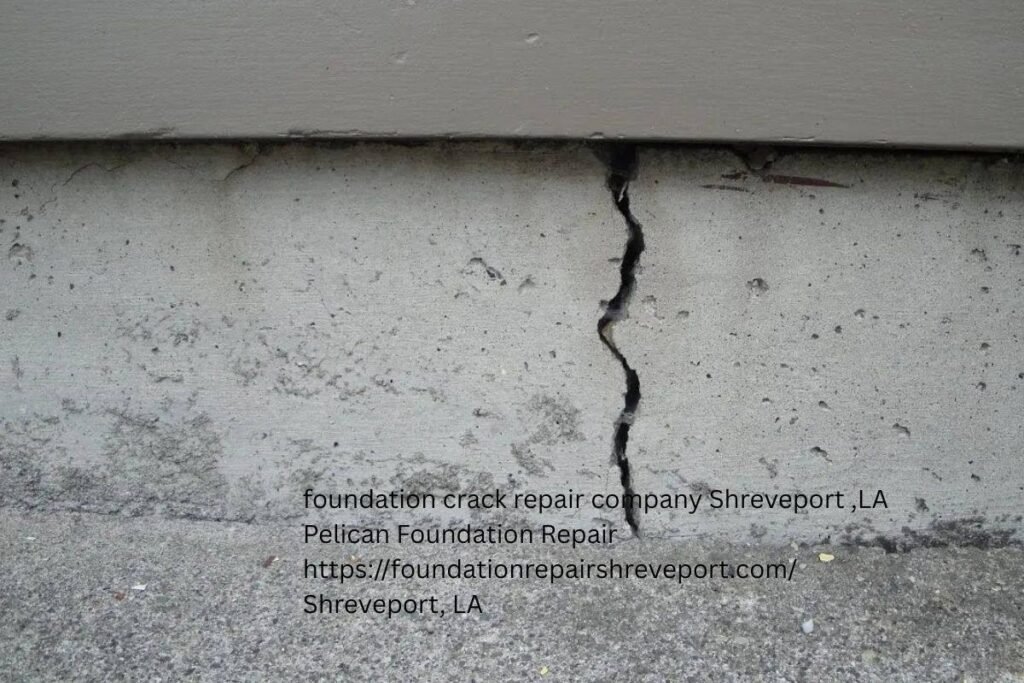
Watering is slow, and its signs are quiet. The soil gap along the slab edge should narrow and stay narrow through dry weeks, doors that stuck in late summer should stick less, and new hairline cracks should stop appearing. None of this shows in a week. Give a program a full dry season, and keep dated notes and crack photos with a coin for scale. A photo record turns a feeling into evidence.
Some signs mean watering is not enough, and waiting will cost more than calling. A crack that keeps widening month after month, a floor that slopes more steeply than it did last year, a chimney pulling away from the house, or a gap that opens between a wall and a ceiling are signs of movement beyond what moisture control can hold. So is any sudden change after a storm, a plumbing leak, or nearby construction. In those cases, stop guessing and get a expert inspection. The how to check your foundation guide explains what to look for, and Pelican Foundation Repair will measure the movement and tell you honestly whether watering, drainage work, repair, or monitoring is the right next step.
A Simple Seasonal Schedule for Northwest Louisiana
A program that follows the seasons needs less attention than one that runs on a fixed timer all year, and it wastes less water. Use this schedule as a starting point, then adjust it to your lot, your trees, and your rain gauge.
- Spring: clean gutters and check downspouts before storm season. Start the soaker timer only when a dry week arrives, and check that winter rains have not left low spots ponding at the wall.
- Early summer: as heat builds, run the program on dry weeks and check the soil weekly. This is the season the clay starts to shrink, and the season when steady watering does the most good.
- Late summer: keep the loop even, watch the tree side of the house, and check for new soil gaps after long dry stretches. Do not increase watering sharply after a storm; let the soil settle.
- Fall: taper the program as rains return and temperatures drop. Clear leaves from gutters, drains, and hose lines so fall rain can get away from the house.
- Winter: watering is rarely needed in the wet season. Protect hoses from freezes, drain lines before a hard freeze, and use the quiet months to watch for cracks and door changes, which show best when the house is closed up.
- After any drought or flood: walk the full perimeter, photograph cracks and gaps, and restart the program gradually. Sudden heavy watering of cracked, dry clay can swell one area fast while the rest stays dry.
The schedule is a habit, not a cure. It keeps good soil steady and gives early warning when something changes. Pair it with an annual foundation check, and the house gets the steady ground it was built to stand on.
Frequently Asked Questions About Watering Your Foundation
Does watering your foundation really prevent settlement?
It can help prevent settlement in expansive clay by keeping soil moisture steady, which limits shrink-swell movement. It cannot lift or fix a foundation that has already settled.
How far from the house should a soaker hose be?
About 12 to 18 inches from the foundation wall, running in a loop around the whole house, so water reaches the soil under the slab edge without ponding at the wall.
How often should I water my foundation?
Only during dry weeks, on a timer, and only enough to keep the soil damp and even. Skip wet weeks, use a rain gauge, and check the soil before adding more time.
Can watering your foundation cause damage?
Yes, if it is done wrong. Water ponding at the wall, watering one side only, or running hoses during rain can soften soil, push water toward the house, and make movement worse. Keep water even, controlled, and off the wall.
Should I water my foundation in winter?
Rarely. Winter in northwest Louisiana usually brings enough rain to keep clay moist. Protect hoses from freezes, and restart the program gradually when dry weather returns.
Will watering fix cracks in my foundation?
No. Steady moisture can slow further movement and keep small seasonal cracks from widening, but existing cracks and settled slabs need an inspection and, where needed, repair.
When should I call a foundation contractor instead of watering?
Call for a expert inspection if cracks keep widening, floors slope more, a chimney pulls away, or movement follows a storm or leak. Those signs mean the problem is beyond what moisture control alone can hold.
Pelican Foundation Repair
6118 Fairfield Ave, Shreveport, LA 71106, USA
318-585-2003
https://foundationrepairshreveport.com/