How to Prepare Your Home for Foundation Repair
Foundation repair goes smoothly when the house is ready. Here is the full preparation checklist, room by room and outside, so crews can work fast and your belongings stay safe.
To prepare for foundation repair, clear furniture and valuables from the work areas, move pictures and shelves off walls that will shake, clear a path for crews and equipment outside, and protect floors and landscaping. Most homeowners stay in the house during the work, and a little preparation keeps the job faster, cleaner, and safer for everyone.
Booking the repair is the hard part. Preparing for it is mostly common sense, done a day or two ahead, and it makes a real difference to how the job goes. A crew that can reach the work area without moving your furniture works faster, and walls cleared of pictures do not lose anything to vibration. None of this is complicated, but it is easy to forget in the rush between signing the agreement and the day the crew arrives.
This guide walks through the whole preparation, inside and outside, in the order that matters, and explains what the crew handles, what you should handle, and what you can safely leave alone. It applies to the common repair types in Shreveport, pier installation, house leveling, and slab work, and it notes where the preparation differs between them.
What Happens on Repair Day
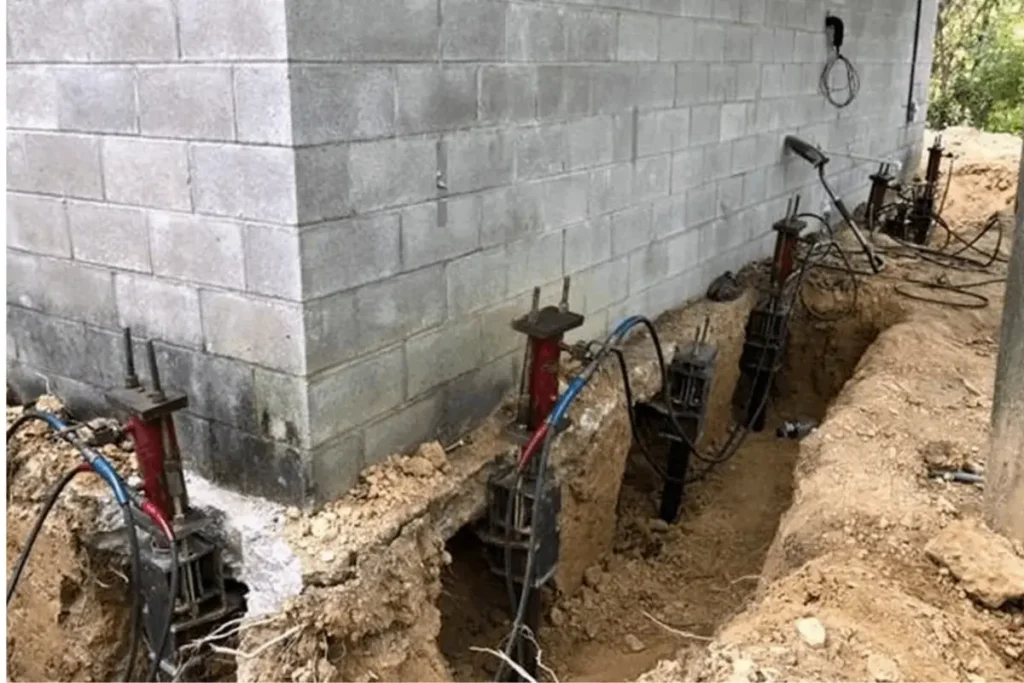
Preparation makes more sense once you know what the day looks like. For most pier and leveling jobs, the crew arrives in the morning, marks the pier locations around the foundation, and digs small pits at each one, usually by hand or with a small machine. Steel push piers or helical piers are driven down to stable soil, brackets are attached to the foundation, and hydraulic jacks lift the house in small, controlled steps while the crew watches doors, floors, and cracks for how the house responds. Our post on the steel push pier installation process walks through the steps in detail.
Slab work is a little different, because much of it happens through the floor or from outside, and concrete leveling work, foam injection or mudjacking, involves drilling small holes and pumping material under the slab. In both cases the house will feel it: floors vibrate, walls shake lightly, and dust is part of the day. That is normal, and it is why the preparation below matters. A typical job takes a few days, not a few weeks, and the exact timeline depends on the number of piers and the condition of the house. For the usual timeframes, see our post on how long foundation repair takes.
Inside the House: Protecting Floors, Walls, and Belongings
Start with the walls, because vibration is the part of the job that surprises people. Take pictures, mirrors, shelves, and anything hanging off walls in and near the work areas, and move them to a safe room. The same goes for items on top of tall furniture, which can walk to the edge and fall during lifting. Fragile items, glassware, china, and collectibles, should be packed or moved away from the work zones entirely, not just shifted to the next shelf.
Floors come next. Move furniture, rugs, and clutter out of the rooms where the crew will work, and give them a clear path from the door to the work area. If the work involves the crawl space, clear the access opening, usually a small hatch inside or outside the house, and move anything stored in front of it. Cover floors along the crew’s path with drop cloths or old sheets if the crew does not provide them, and ask the crew what they use for floor protection so you are not doubling up or getting in their way.
- Take pictures, mirrors, and shelves off walls near the work areas.
- Move fragile items and valuables to a safe room away from vibration.
- Clear furniture and rugs from work rooms and from the crew’s path.
- Clear the crawl space access hatch and anything stored in front of it.
- Cover floors along the crew’s path with drop cloths or old sheets.
- Leave heavy appliances and utility disconnects to the crew; tell them in advance.
Outside the House: Clearing Access for Crews and Equipment
Outside preparation is where most delays happen, because it is the part homeowners think about last. The crew needs room to work around the full perimeter of the house, so move cars out of the driveway, clear the areas along the foundation walls, and trim back shrubs, vines, and low branches that block access to the work spots. Potted plants, garden tools, and stored items against the house should be moved several feet away, and any fence gates the crew will use should be unlocked and clear.
Think about the equipment too. A pier job needs space for a small excavator or a truck-mounted rig, and for the steel piers themselves, which arrive on a truck or trailer. If your driveway is narrow or your lot is tight, talk to the contractor about where the truck will park and whether a neighbor’s driveway or the street will be needed. In Shreveport neighborhoods with mature oaks and tight lots, like Broadmoor and South Highlands, access planning is part of the job, and a five-minute conversation ahead of time beats an hour of rearranging on the day.
Plumbing, Gas, and Utilities: What to Know Before Work Starts
Foundation work and utilities meet in a few places, and knowing them ahead of time prevents surprises. Lifting a house, even a little, moves the pipes that run through and under it, so the crew will check plumbing before and after the lift, and in older homes a brittle pipe can crack during the work. That is not a mistake; it is a known risk of moving a house that has sat still for decades, and it is why a good contractor plans for a plumber to be on call. Water may be off for a stretch during the work, so fill a few jugs and plan showers and laundry around the schedule.
Gas lines deserve the same respect. If a gas line runs near a pier location, the crew needs to know exactly where it is, and you should never dig or move a gas line yourself. Mark any known underground lines, sprinkler lines, and buried cables before the crew arrives, and tell them about any previous utility work. If you are unsure where lines run, ask the contractor to arrange a utility locate before digging starts.
| Utility | What can happen | Your preparation |
|---|---|---|
| Water | Shut off during lifting; old pipes can crack when the house moves | Fill jugs; plan showers and laundry; know the shutoff location |
| Gas | Lines near pier pits must be located and avoided | Mark known lines; never dig or move gas lines yourself |
| Electricity | Brief outages if the crew needs access to panels or wiring | Charge devices; ask the crew if an outage is planned |
| Sewer and drains | Old cast-iron or clay lines can shift with the lift | Tell the crew about past drain problems; expect a post-lift check |
| Sprinklers and buried cables | Lines near the foundation can be hit during digging | Mark sprinkler heads and cable runs before the crew arrives |
For the repair methods themselves, and the differences between them, see our comparison of house leveling methods and our house leveling service and slab foundation repair service pages. Pier and beam work follows the same preparation, with extra attention to the crawl space access.
Pets, Kids, and Daily Life During the Work
Most homeowners stay in the house during foundation repair, and the work is planned around that. The noise is the main disruption: hydraulic equipment, digging, and drilling are loud, and the vibration can unsettle pets and small children. If you work from home, plan calls around the noisiest hours or work from a room far from the crew. If you have a baby who naps, talk to the crew about the schedule so you can plan around the loudest stretches.
Pets need a plan of their own. Dogs should be kept inside or with a friend during the work, because open gates, pits, and equipment are hazards, and a nervous dog in a work zone is a risk to itself and to the crew. Cats should be kept in a closed room away from the work areas, with food, water, and a litter box. And if anyone in the house has dust sensitivity, keep the work rooms closed off and run an air purifier, since digging and drilling stir up dust even with the crew’s precautions. For the full picture of living in the house during the work, see our post on whether you can live in the house during foundation repair.
After the Work: Cleanup, Curing, and What to Watch
When the piers are in and the lift is done, the crew backfills the pits, grades the soil around the foundation, and cleans up the work areas, and a walk-through with the crew lead is the moment to check everything. Walk the house with them, open and close the doors and windows, look at the cracks you marked before the work, and ask what changed and what did not. Some cracks close during a lift and some do not, and the crew should explain which is which and why, before they leave.
There are a few things to watch in the weeks after the work. The soil around the pits will settle as it is watered by rain, and a little re-grading may be needed. Cracks that were filled may need a second pass once the house has settled into its new position. And the house will keep adjusting slightly for a while, so keep the photo log going and note any new movement. Cosmetic repairs, drywall patching, paint, and tile, should wait until the house has settled, usually a few weeks, or the same cracks will simply reopen. The results last for years when the repair is done well and the water around the house is managed.
Finally, keep the paperwork. The repair agreement, the pier layout, the elevation readings before and after, and the warranty document are the records that protect the value of the work, especially if you sell the house later. A documented repair with a 20-year structural warranty on qualifying repairs is a selling point, and the records are what prove it. If anything in the weeks after the work worries you, call the contractor first; a reputable company will come back and check the work, and the U.S. Environmental Protection Agency resources on indoor moisture are a useful reference while the house settles.
- Walk the house with the crew lead before they leave; test doors, windows, and cracks.
- Let the soil around the pits settle, then re-grade low spots as needed.
- Wait a few weeks before cosmetic repairs so cracks do not reopen.
- Keep photographing cracks and door gaps for the first few months.
- File the agreement, pier layout, elevation readings, and warranty together.
- Call the contractor promptly if anything new worries you after the work.
Frequently Asked Questions
Do I have to move out during foundation repair?
Usually not. Most pier and leveling jobs let you stay in the house, with noise and vibration as the main disruption. You would need to leave only for extensive structural work, plumbing disconnects, or a safety call by the crew, and your contractor will tell you in advance if that applies.
How long does foundation repair take?
Most jobs take a few days, depending on the number of piers and the condition of the house. A small job can finish in a day or two, while a full perimeter job takes longer. Your contractor should give you a schedule before the work starts.
Should I remove pictures from the walls before foundation repair?
Yes. Lifting and drilling shake the walls, and pictures, mirrors, and shelves can fall. Take them down in and near the work areas and move fragile items to a safe room before the crew arrives.
Will foundation repair damage my plumbing?
It can, in older homes with brittle pipes. Lifting a house moves the pipes with it, and a weak joint can crack. A good contractor checks plumbing before and after the lift and has a plumber on call, and water may be off for a stretch during the work.
Do I need to clear the outside of my house?
Yes. Move cars from the driveway, clear items stored against the foundation, trim back shrubs and branches that block access, and unlock gates the crew will use. The crew needs room to work around the full perimeter and space for equipment.
Can I stay home with pets during foundation repair?
You can stay, but pets need a plan. Keep dogs inside or with a friend, because open gates, pits, and equipment are hazards, and keep cats in a closed room away from the work areas with food, water, and a litter box.
When can I repaint and repair drywall after foundation repair?
Wait a few weeks for the house to settle into its new position before cosmetic repairs. Patching and painting too soon often means the same cracks reopen, so let the house adjust first and keep photographing the cracks in the meantime.
Pelican Foundation Repair
6118 Fairfield Ave, Shreveport, LA 71106, USA
318-585-2003
https://foundationrepairshreveport.com/