 Skip to main content

Can You Live in the House During Foundation Repair?
Can you live in the house during foundation repair? Yes — for most repairs, you can stay right where you are. Exterior pier work, crack injection, drainage correction, and encapsulation all happen without you needing to move out. You will notice the crew in the yard, and one day of the job is genuinely noisy, but your daily routine inside the house barely changes.
The bottom line: plan on staying home for exterior repairs, which cover the vast majority of foundation jobs in Shreveport. Interior work — piers installed through the slab floor or a wall rebuild — is louder and dustier, but even then most families stay put with a little planning.
Call (318) 585-2003 – Free Inspection
📊 Living Through Foundation Repair: The Quick Facts
Yes, almost always
You can stay home for exterior pier work, injections, and encapsulation
1 noisy day
The lift day is the loudest part of most pier jobs
Interior = louder
Slab interior piers and wall rebuilds bring dust and workers inside
The Honest Answer: Yes for Most Repairs
This is one of the first questions homeowners ask, and the answer is reassuring. The overwhelming majority of residential foundation repairs in the Shreveport area happen on the outside of the house. The crew digs at the footing, drives piers, lifts the foundation, and backfills — all while you go about your day indoors. Your water stays on, your power stays on, and your kitchen works exactly the way it did the day before.
The reason is simple: a house foundation is accessed from the perimeter. For exterior pier installation, house leveling on pier-and-beam homes, crack injection, drainage correction, and crawl space encapsulation, nobody needs to be inside your living space at all. The crew might ask to check a door that sticks or look at a crack you mentioned, but that is a quick visit, not a work zone in your hallway.
The exception is interior work. When the middle of a slab foundation has settled, piers sometimes have to go through the floor inside the house. Wall rebuilds and some structural repairs also happen indoors. Those jobs are louder, dustier, and more disruptive — which is exactly what the rest of this guide walks through, so you know the difference before anyone picks up a tool.
One more reassurance worth stating plainly: foundation repair does not make a house unsafe to occupy. The structure is supported throughout the work. If a contractor ever tells you that you must leave your home for a standard pier job, ask them to explain exactly why — for routine exterior work, that is unusual.
What Exterior Pier Work Feels Like Day to Day
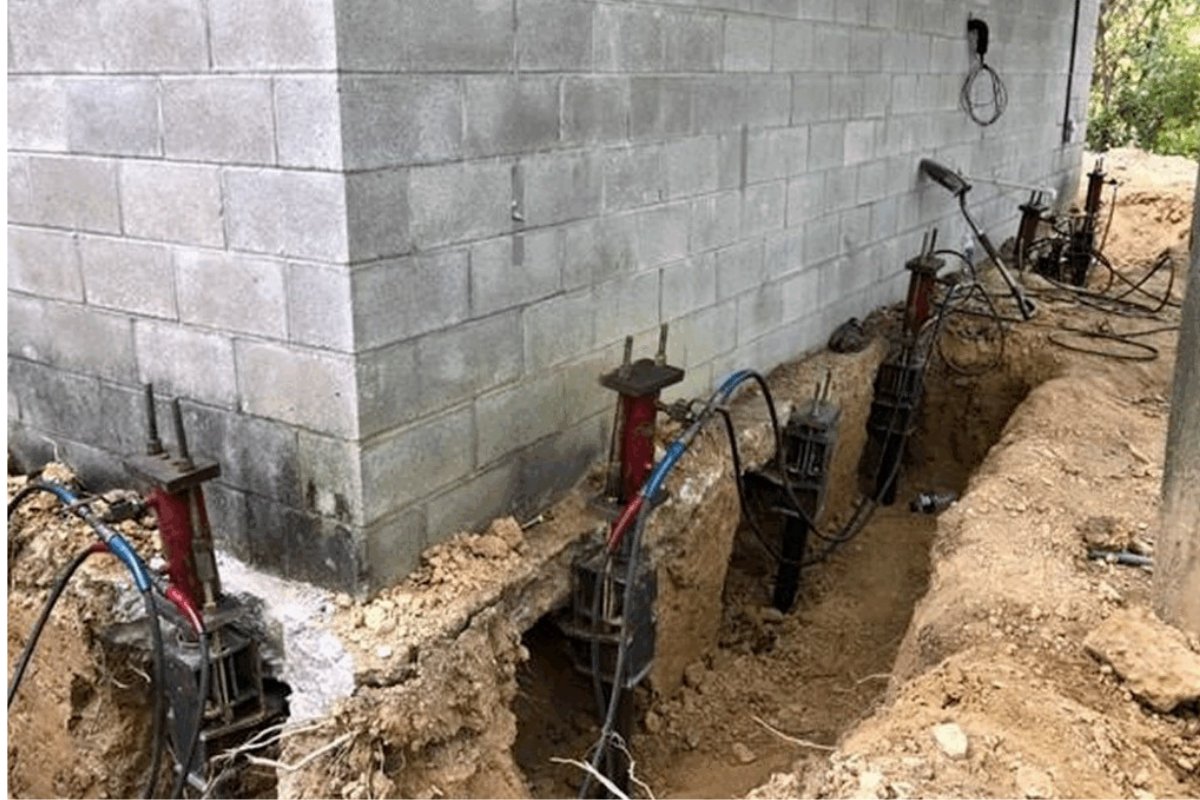
Exterior pier installation is the most common major foundation repair in Shreveport, so here is what a typical two-to-four-day job actually feels like from inside the house.
| Day | What is happening outside | What you notice indoors |
|---|---|---|
| Day 1 – Excavation | Crew hand-digs pits at each pier location around the perimeter | Occasional voices and shoveling sounds; easy to ignore |
| Day 2 – Pier driving | Steel piers hydraulically driven to load-bearing soil | Steady low hum and thumping from the equipment |
| Day 3 – The lift | Hydraulic jacks raise the foundation slowly and evenly | Noticeable noise and vibration; pictures should come off the walls |
| Day 4 – Finish work | Shimming, backfill, compaction, and cleanup | Quiet again; just crew voices and wheelbarrows |
Most families tell us days one, two, and four feel like having landscapers in the yard. You hear activity, you see trucks, and you might step around an excavation on the way to the mailbox. That is the extent of it. Cooking, laundry, television, homework — life goes on normally.
Lift day is the one day that feels like construction. It is loud, there is vibration, and you will feel the house move slightly as the jacks do their work. It is also the most satisfying day, because that is when doors start swinging true and cracks visibly close. Many homeowners plan to be out of the house for lift day — not because they have to be, but because it is more comfortable. If you work from home, this is the day to relocate to a coffee shop or a friend’s house.
For a full breakdown of how long each phase takes, see our guide on how long foundation repair takes.
Call (318) 585-2003 – Free Inspection
The Lift: The Loudest Day of the Job
Since lift day is the day people worry about most, here is exactly what happens. The crew positions hydraulic jacks on the installed piers and begins raising the foundation in small, controlled increments. A foreman watches elevation readings and monitors doors, windows, and existing cracks the whole time. The lift itself usually takes a few hours on a typical Shreveport home, not all day.
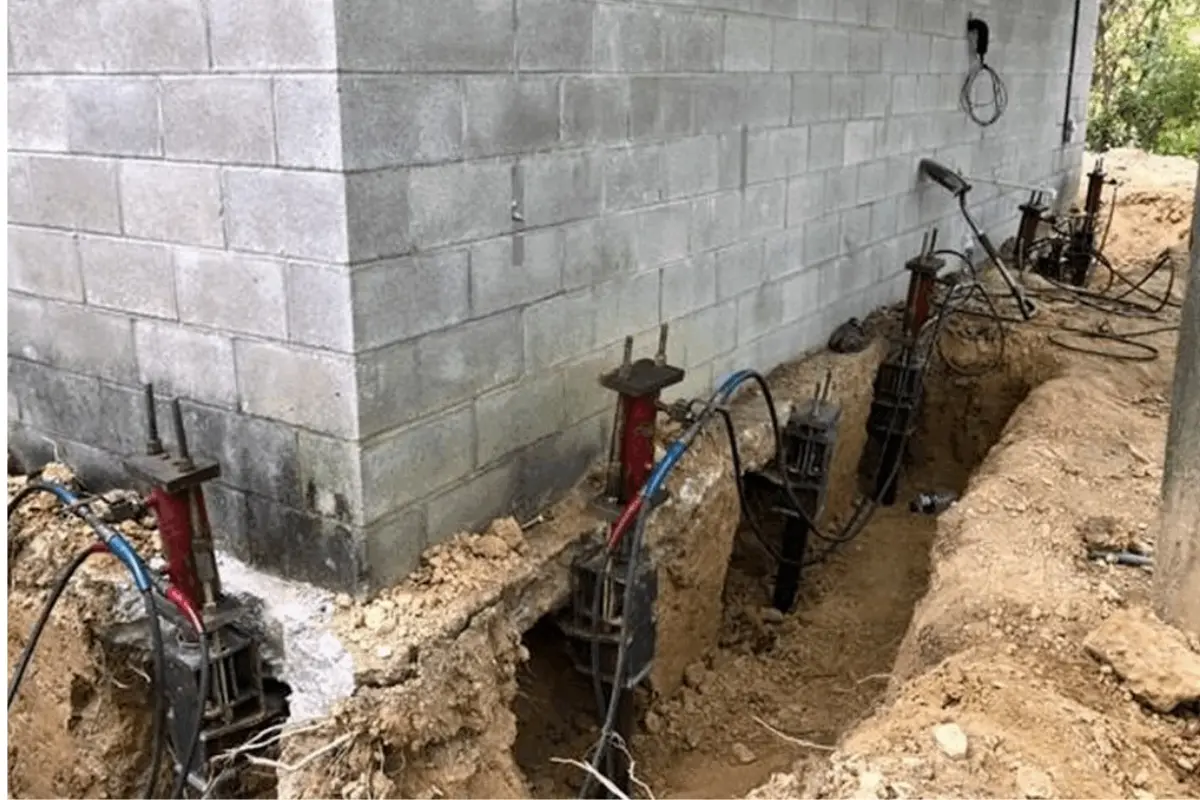
What will you hear? The hydraulic equipment produces a deep, rhythmic sound — closer to a heavy diesel idle than to the sharp banging of framing work. You will feel a low vibration through the floor, and you may hear the house itself respond: a groan from the framing, a pop as a door frame shifts back toward square. These sounds are normal. They are the house moving back toward level, which is the entire point.
What should you do on lift day? Take pictures, mirrors, and anything fragile off the walls the night before, especially on exterior walls. Secure anything precariously balanced on shelves. Keep children and pets away from the work perimeter outside. Other than that, there is nothing special required of you — though being reachable by phone is smart, because the foreman may want a quick decision about how far to push a particular section.
After the lift, the crew locks in the final elevations with steel shims, and the house goes quiet again. Most homeowners say the noise was less than they expected and the results were more dramatic than they expected. Doors that stuck for years suddenly latch. That is a good trade for one loud day.
When Interior Work Gets More Disruptive
Interior pier installation is the main scenario where living in the house gets genuinely disruptive. This comes up when the center of a slab foundation has settled and exterior piers alone cannot reach it. The crew has to open the slab floor — cutting and removing sections of concrete — to install piers from inside the home.
What that means in practice: concrete cutting is loud and dusty. The crew will seal off the work area with plastic sheeting and should run dust control, but fine concrete dust has a way of traveling. Expect workers moving through the house, equipment staged in the garage or a spare room, and one or more rooms effectively off-limits for a few days. Flooring in the work area has to come up, and it will need to be replaced or repaired afterward — ask upfront whether your quote includes floor restoration or whether that is on you.
Wall rebuilds are the other interior-heavy job. When a foundation wall has failed badly enough to need partial rebuilding, that is multi-day work inside the home with significant noise and dust. Crawl space and pier-and-beam work, by contrast, happens underneath the house — you will hear some banging from below, but your living space stays clean and usable.
The key question to ask any contractor proposing interior work: which rooms will be affected, on which days, and what dust control do you use? A contractor who has done this work for years in Shreveport homes will answer specifically — “the living room Tuesday and Wednesday, the hallway Thursday” — not vaguely. If you are comparing companies, our guide on choosing a foundation repair contractor in Shreveport covers what to look for.
Call (318) 585-2003 – Free Inspection
Noise, Dust, and Vibration: A Realistic Breakdown
Let us put the three annoyances in honest perspective, because most of the anxiety around foundation repair comes from imagining the worst.
Noise. Exterior pier work sounds like heavy yard work. The excavation day is shovels and conversation. Pier-driving day adds the low throb of hydraulic equipment — noticeable inside, but not the kind of sharp noise that rattles your teeth. Lift day is the loudest, and even that is measured in hours, not days. Crews work normal daytime hours, typically starting around 8 in the morning, and the site goes quiet by evening. If you have ever lived through a roof replacement, foundation work is comparable or quieter.
Dust. For exterior work, dust is a non-issue indoors — the digging happens outside, and your windows stay shut like any other workday. Interior concrete cutting is the dusty scenario, and that is where dust control matters. Professional crews use plastic barriers, and many run air scrubbers in the work zone. Ask about it before the job starts. If anyone in the household has dust sensitivities, interior work days are good days to be elsewhere during working hours.
Vibration. You will feel pier driving and lifting as a low rumble through the floor. It is not violent — nothing falls off counters — but it is noticeable, and it can unsettle pets and small children. Taking pictures off the walls is the main precaution, and it is genuinely worth doing rather than discovering the hard way.
The InterNACHI foundation inspection standards at nachi.org describe what a thorough structural evaluation covers, which is a useful reference for understanding what the crew is actually doing out there while you hear the noise.
Kids, Pets, and Working From Home
Families with young kids, dogs, or a home office feel the disruption most, so here is practical advice for each.
- Small children: the noise on lift day can be frightening for toddlers, and open excavations around the house are a safety hazard for curious kids. Plan for children to be at daycare, school, or a relative’s house on lift day. On other days, a simple rule — stay away from the crew’s work areas — is enough.
- Dogs: most dogs do not handle a week of strangers, equipment noise, and vibration well. If your dog is anxious or territorial, arrange for them to stay elsewhere during the noisiest days. At minimum, keep dogs secured inside or in a fenced area far from the excavation pits, and never let them roam near open digs.
- Cats: indoor cats are usually fine, though the vibration may send them under the bed for lift day. Keep exterior doors closed more carefully than usual, since the crew will be coming and going.
- Working from home: excavation and pier-driving days are manageable with a closed door and headphones. Lift day is not a good work-from-home day — plan for a coffee shop, a coworking space, or a friend’s quiet spare room. Video calls during pier driving will pick up the background throb, so warn colleagues or reschedule.
- Naps and night shifts: if someone in the house sleeps during the day, talk to the foreman about the schedule. Crews can sometimes sequence the noisiest work — like concrete cutting — into a window that works better for your household.
The theme across all of this: a little planning removes nearly all the stress. None of these are emergencies — they are just the logistics of having a work crew at your house for a few days.
Call (318) 585-2003 – Free Inspection
A Simple Checklist Before the Crew Arrives
A day of preparation makes repair week dramatically smoother. Run through this list the weekend before work starts.
- Clear the perimeter. Move patio furniture, grills, potted plants, and anything stored against the foundation at least six feet out. The crew needs to dig tight to the footing, and every item they have to work around slows the job.
- Take pictures and mirrors off the walls. Especially on exterior walls. Vibration from pier driving and lifting can shake loose anything hung casually. This takes twenty minutes and prevents the one thing everyone regrets skipping.
- Secure the pets’ plan. Decide now where the dog goes on lift day. Have leashes, crates, and contact numbers ready rather than improvising at 8 a.m.
- Know where the crew will park and stage. Ask the foreman in advance. Move your cars so equipment and material deliveries have clear access — blocked access on day one delays everything.
- Confirm utility marking. The contractor should call 811 for utility locates before digging. Confirm it happened. This is a safety issue, not just a convenience one.
- Plan your own schedule. Decide which day you will work elsewhere, arrange childcare for lift day if needed, and give the job a buffer day on each end. If the contractor says three days, plan for four in your own calendar.
- Get the foreman’s number. You want one direct contact for quick questions during the job — not a general office line.
For pier-and-beam homes, the work happens underneath the house, so the prep is even simpler — the main task is making sure the crawl space access is clear. Our house leveling services page explains what that work involves. Commercial properties have their own logistics, covered in our commercial foundation repair guide.
Frequently Asked Questions
Can you live in the house during pier installation?
Yes. Exterior pier installation happens entirely outside the home, and the vast majority of homeowners stay put for the whole job. You will hear equipment noise, especially on lift day, but your water, power, and daily routine are unaffected. Interior pier work is more disruptive but still rarely requires moving out.
Will foundation repair be loud?
Moderately. Excavation day sounds like heavy yard work, pier-driving day brings a low hydraulic throb, and lift day is the loudest — a few hours of deep equipment noise and vibration. Crews work normal daytime hours and the site is quiet by evening. If you have lived through a roof replacement, foundation work is comparable or quieter.
Is the dust from foundation repair a problem indoors?
For exterior work, no — the digging happens outside and dust does not reach your living space. Interior concrete cutting does create fine dust, which is why professional crews seal work areas with plastic sheeting and use dust control. If anyone in the household is sensitive to dust, interior work days are good days to be out during working hours.
Should I take pictures off the walls during foundation repair?
Yes, and do it the night before work starts. Vibration from pier driving and the lift can shake loose anything hung casually, especially on exterior walls. Mirrors, framed photos, and anything fragile or precariously balanced should come down. It takes twenty minutes and prevents the damage everyone regrets skipping.
Can my dog stay home during foundation repair?
It depends on the dog. Calm dogs that are used to noise can stay, secured away from the work areas. Anxious or territorial dogs have a miserable week with strangers, equipment, and vibration in the yard — and open excavation pits are a safety hazard for any pet. When in doubt, arrange for the dog to stay elsewhere on the noisiest days.
Will I feel the house move during the lift?
Yes, slightly. The lift is done in small, controlled increments while the crew monitors elevation readings, doors, and cracks. You will feel a low vibration and may hear the framing groan or pop as the house moves back toward level. These sounds are normal — they are the house responding to the correction, not a sign of damage.
Do I need to move out for interior pier work?
Usually not, but it is the most disruptive residential scenario. Concrete cutting is loud and dusty, workers move through the house, and one or more rooms will be off-limits for a few days. Many families stay and work around it; others choose to stay with relatives for the noisiest days. Ask your contractor which rooms are affected on which days so you can plan.
How do I work from home during foundation repair?
Excavation and pier-driving days are manageable with a closed door and headphones, though video calls will pick up background noise. Lift day is not a good work-from-home day — plan for a coffee shop or a friend’s quiet room. Tell the foreman your schedule; crews can sometimes sequence the noisiest tasks into a window that suits you.
Call (318) 585-2003 – Free Inspection
Get a Free Foundation Repair Inspection in Shreveport
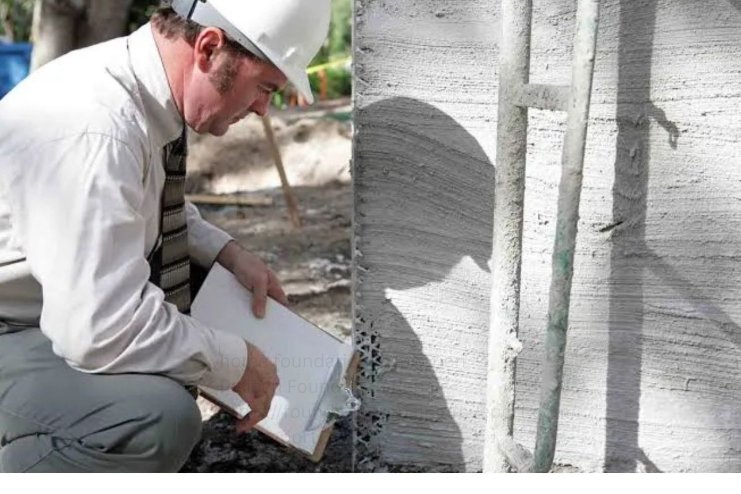
The best way to know exactly what your repair will involve — exterior or interior, one day or four, loud or quiet — is a free inspection. You will get elevation readings, a written plan, and an honest day-by-day rundown of what to expect at your house specifically.
Call Pelican Foundation Repair at (318) 585-2003, or visit Pelican Foundation Repair to schedule. We serve Shreveport and the surrounding areas — see our service areas and full list of services. For timing details, read our foundation repair timeline guide.
Pelican Foundation Repair 6118 Fairfield Ave, Shreveport, LA 71106, USA 318-585-2003 https://foundationrepairshreveport.com/